
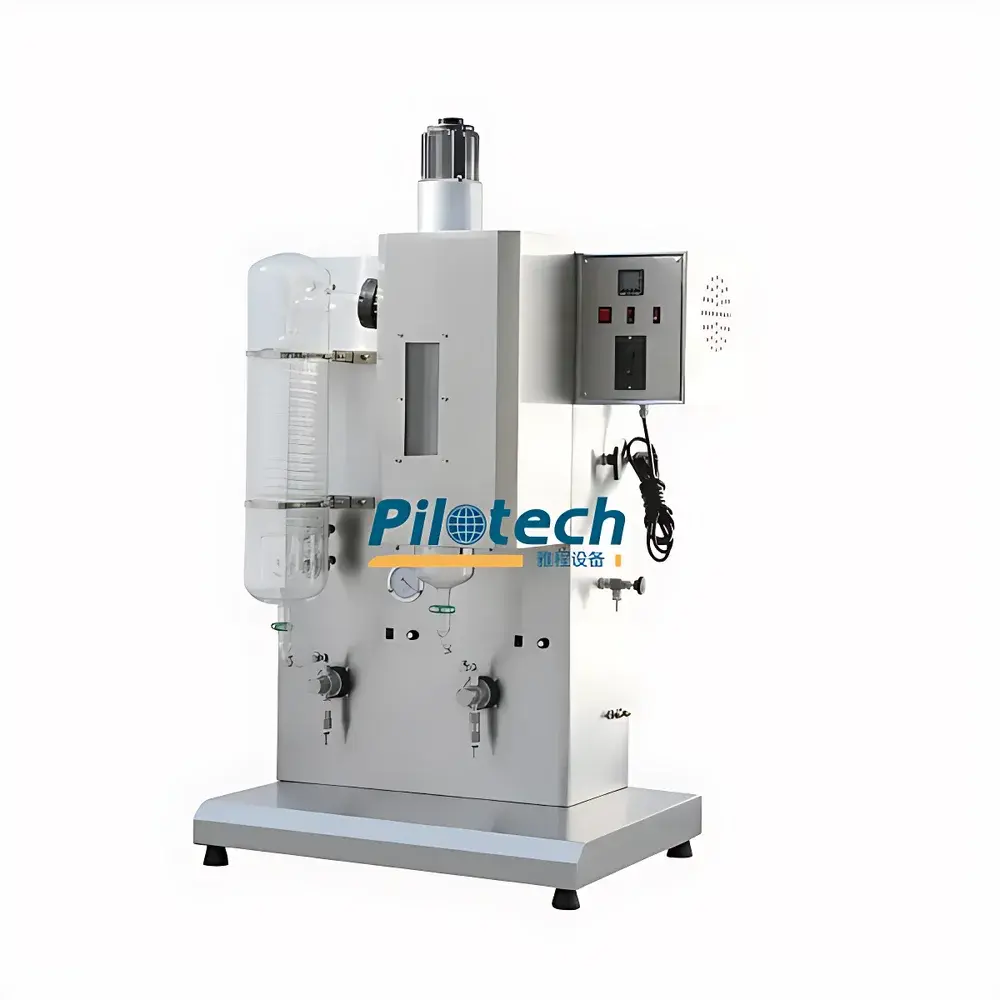
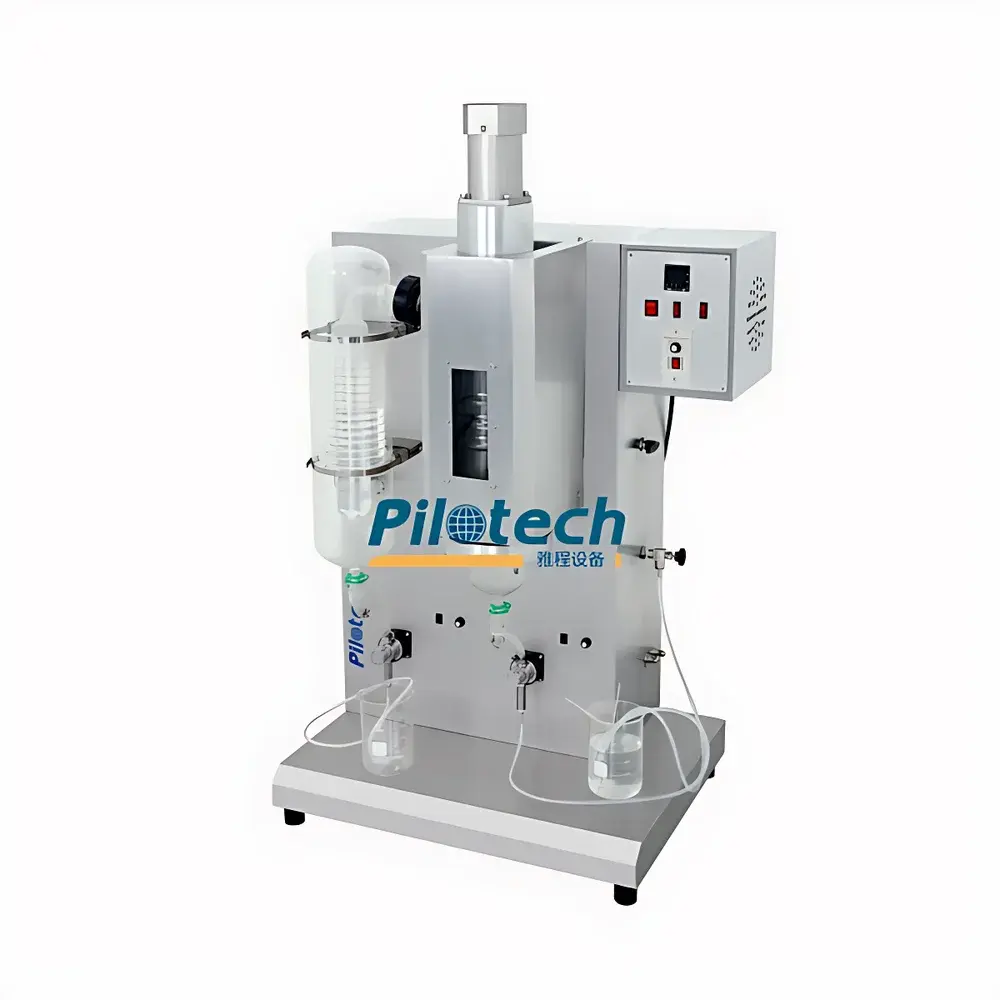
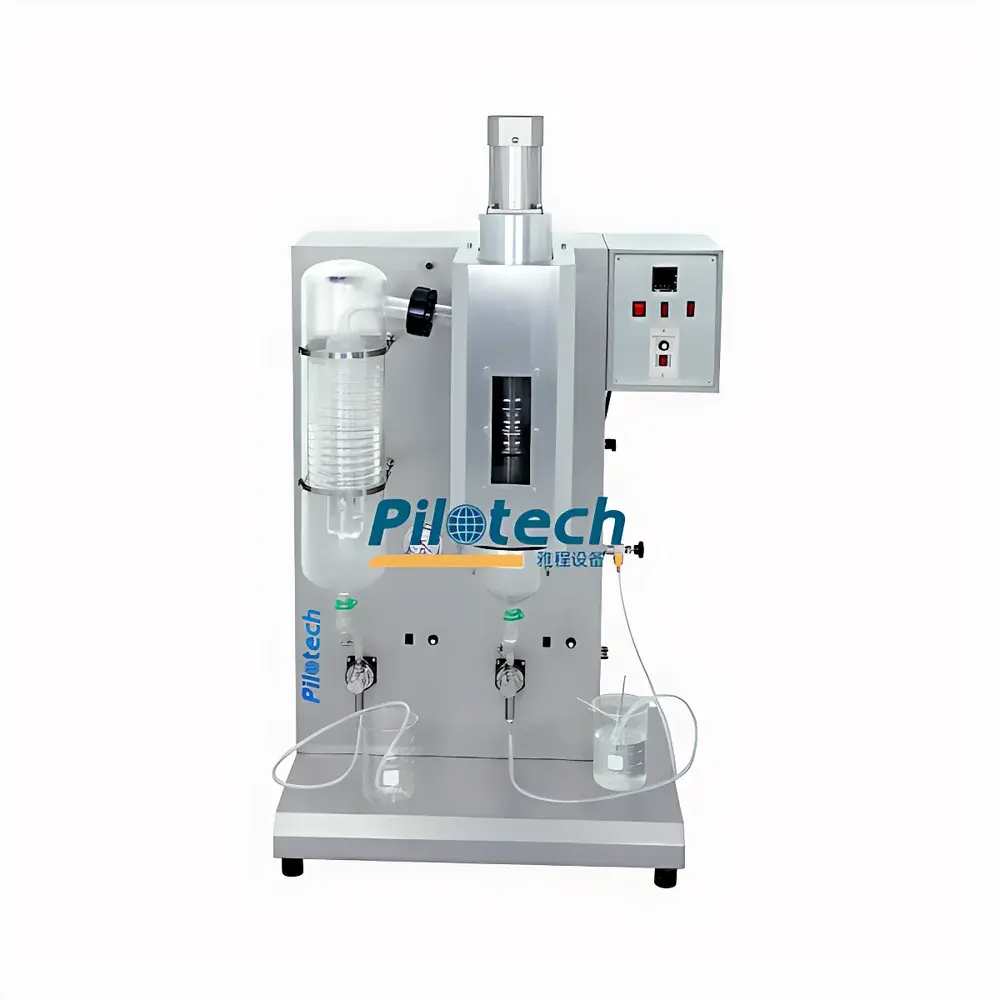
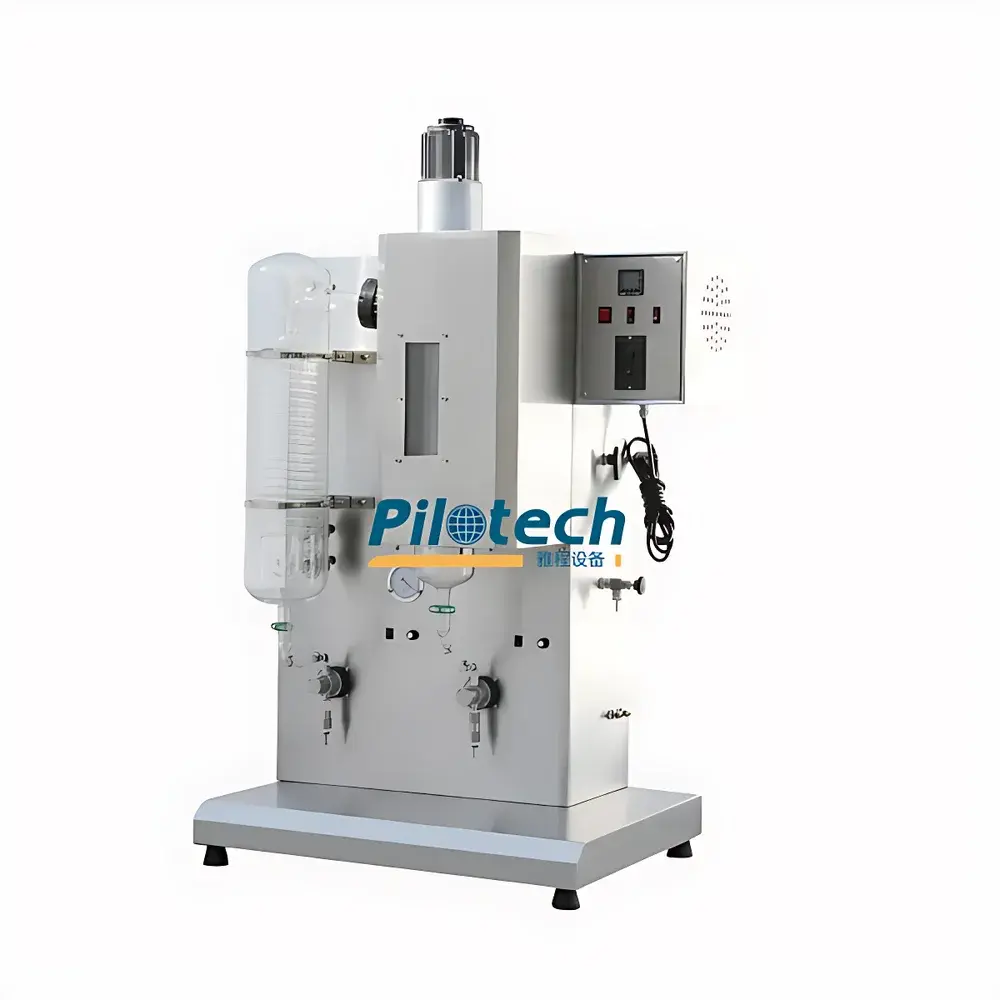
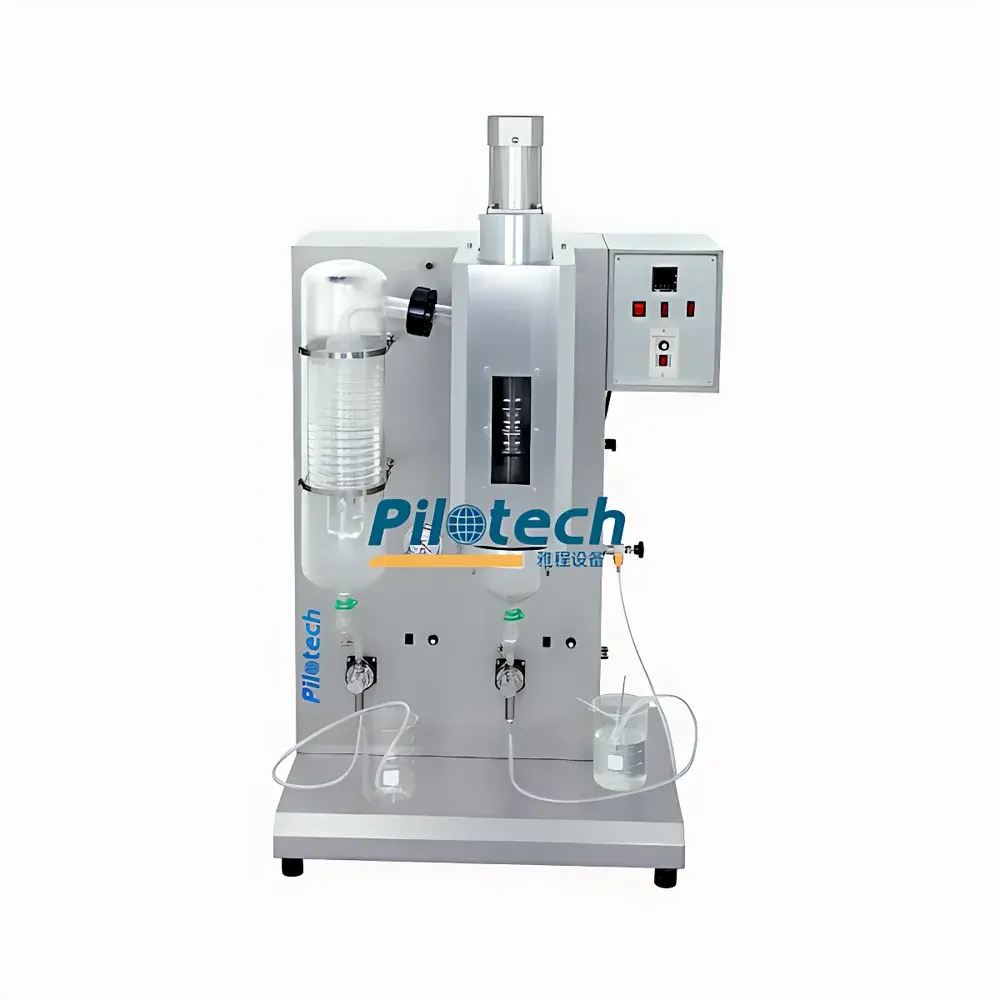
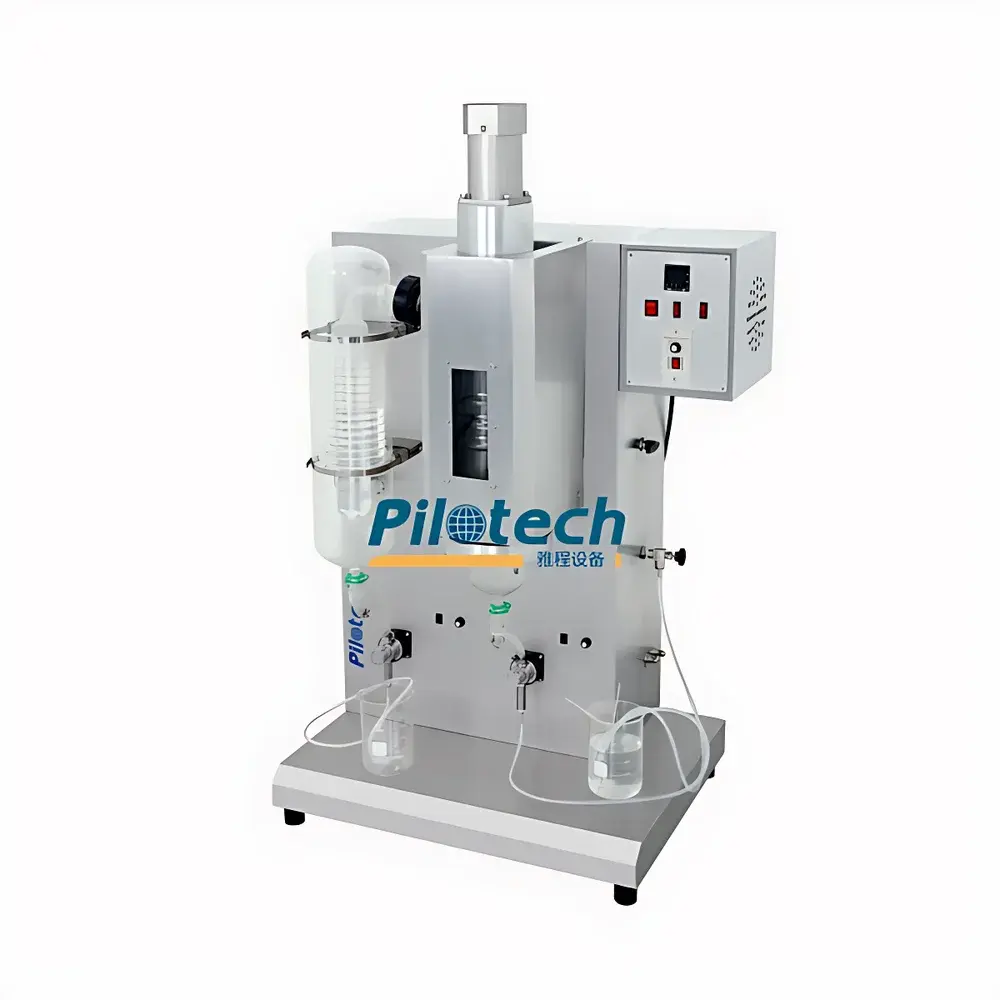
Yacheng YC-210 Falling Film & Wiped-Film Concentrator
| Brand | Yacheng / PILOTECH |
|---|---|
| Origin | Shanghai, China |
| Manufacturer Type | OEM Manufacturer |
| Country of Origin | China |
| Model | YC-210 |
| Pricing | Upon Request |
Overview
The Yacheng YC-210 Falling Film & Wiped-Film Concentrator is an engineered solution for gentle, high-efficiency solvent removal and concentration of thermally labile, viscous, or foaming liquid streams under controlled vacuum conditions. Unlike batch-mode rotary evaporators, the YC-210 operates on continuous-feed principles grounded in thin-film evaporation physics: feed liquid is distributed uniformly onto the inner wall of a vertically oriented, heated cylindrical evaporator body; a set of precision-machined PTFE-coated rotating wiper blades then spreads the liquid into a uniform, sub-millimeter-thick film that flows downward under gravity while undergoing rapid, low-residence-time evaporation. Heat transfer occurs across the film–wall interface with minimal thermal gradient, enabling vaporization at significantly reduced temperatures—typically 20–60 °C below conventional boiling points—thereby preserving heat-sensitive actives such as proteins, enzymes, glycosides, and volatile phytochemicals. The system integrates vacuum control (down to ≤1 mbar), precise feed rate regulation via peristaltic or diaphragm pump, and real-time temperature monitoring at both heating jacket and vapor path. Total residence time from inlet to concentrated outlet is consistently ≤30 seconds—validated by tracer studies—making it suitable for applications where thermal degradation kinetics dominate process design.
Key Features
- Continuous-feed architecture eliminates hold-up volume and batch-to-batch variability, supporting scalable process development from lab to pilot scale.
- Double-jacketed borosilicate glass evaporator body (custom-shaped, chemically resistant, optically transparent) enables visual process monitoring and easy cleaning validation.
- Three-blade wiping system with adjustable rotational speed (0–300 rpm) ensures stable film formation across viscosities ranging from 1 to 5,000 cP.
- Integrated condenser with dual-stage cooling (−10 °C primary, −40 °C secondary) achieves >98% solvent recovery efficiency for common organics including ethanol, methanol, acetone, and ethyl acetate.
- Modular vacuum interface compatible with oil-free diaphragm pumps or turbomolecular systems; pressure stability maintained within ±0.05 mbar during operation.
- Compact footprint (W×D×H: 520 × 480 × 1,120 mm) designed for standard fume hood integration; all wetted surfaces comply with USP Class VI and ISO 10993-5 biocompatibility requirements.
Sample Compatibility & Compliance
The YC-210 accommodates aqueous, alcoholic, and mixed-solvent solutions containing suspended solids up to 5 wt%, emulsions, and high-viscosity extracts (e.g., polysaccharide-rich botanical concentrates, fermentation broths, polymer solutions). It is routinely deployed in GMP-aligned environments for pre-formulation concentration steps, meeting prerequisite controls for FDA 21 CFR Part 11–compliant data integrity when paired with optional audit-trail-enabled software. System construction adheres to ISO 9001-certified manufacturing protocols; glass components conform to DIN ISO 3585 specifications; electrical safety complies with IEC 61010-1. Documentation packages include Factory Acceptance Test (FAT) reports, 72-hour continuous operational validation logs, and material traceability certificates for all critical wetted parts.
Software & Data Management
While the base YC-210 operates via analog/manual controls (rotary speed dial, vacuum gauge, digital temperature display), an optional Yacheng ControlSuite™ module provides USB/RS-485 connectivity for PC-based supervision. This software enables programmable ramp-hold profiles for temperature and rotation, real-time logging of inlet/outlet temperatures, vacuum level, and feed flow rate (when integrated with calibrated flow sensors), and export of timestamped CSV datasets compliant with ALCOA+ principles. Audit trail functionality records user actions, parameter changes, and system alarms with immutable timestamps—supporting GLP/GMP traceability requirements. All firmware updates are digitally signed and verified prior to installation.
Applications
- Pharmaceutical: Concentration of monoclonal antibody harvests, peptide synthesis reaction mixtures, and herbal extract fractions without epimerization or deamidation.
- Biotechnology: Downstream processing of plasmid DNA lysates, viral vector supernatants, and cell culture media requiring endotoxin-free solvent removal.
- Food & Nutraceuticals: Dehydration of fruit juice concentrates, stabilization of omega-3 oils, and removal of residual solvents from natural pigment extracts (e.g., anthocyanins, curcuminoids).
- Chemical R&D: Solvent exchange in catalyst recovery workflows, purification of heat-sensitive intermediates, and preparation of anhydrous reagent stocks.
- Academic Research: Teaching platform for mass-transfer phenomena, thin-film hydrodynamics, and vacuum distillation thermodynamics—supplemented by manufacturer-provided instructional videos and SOP templates.
FAQ
What is the typical minimum achievable pressure inside the evaporator chamber?
The system achieves stable operation down to 0.5 mbar absolute pressure using standard vacuum accessories; lower pressures (≤0.1 mbar) are attainable with optional high-vacuum pumping configurations.
Can the YC-210 handle feed streams containing particulates?
Yes—feed solutions with suspended solids ≤100 µm can be processed continuously; inline filtration (optional 50 µm guard filter) is recommended for feeds exceeding this threshold.
Is cleaning validation supported?
The all-glass flow path permits visual inspection, conductivity-based rinse verification, and swab sampling per ASTM E3079; cleaning protocols are included in the operational manual.
Does the unit comply with explosion-proof requirements for flammable solvent use?
The base model is rated for Class I, Division 2 environments; ATEX/IECEx-certified variants with intrinsically safe motor drives and sealed electronics are available upon request.
What training resources accompany the instrument?
Each shipment includes printed SOPs, a QR-linked video library covering startup, shutdown, troubleshooting, and maintenance routines, plus access to live technical support during business hours (GMT+8).
Related Products



