
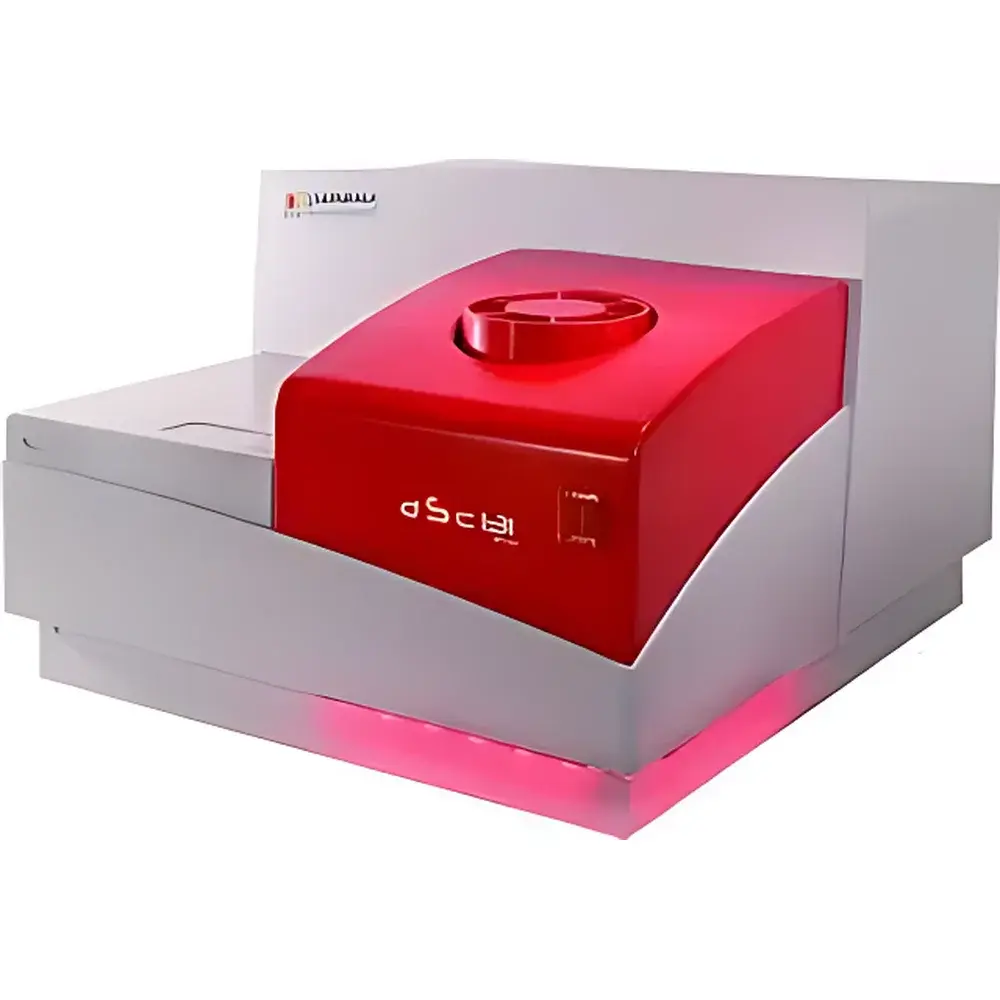
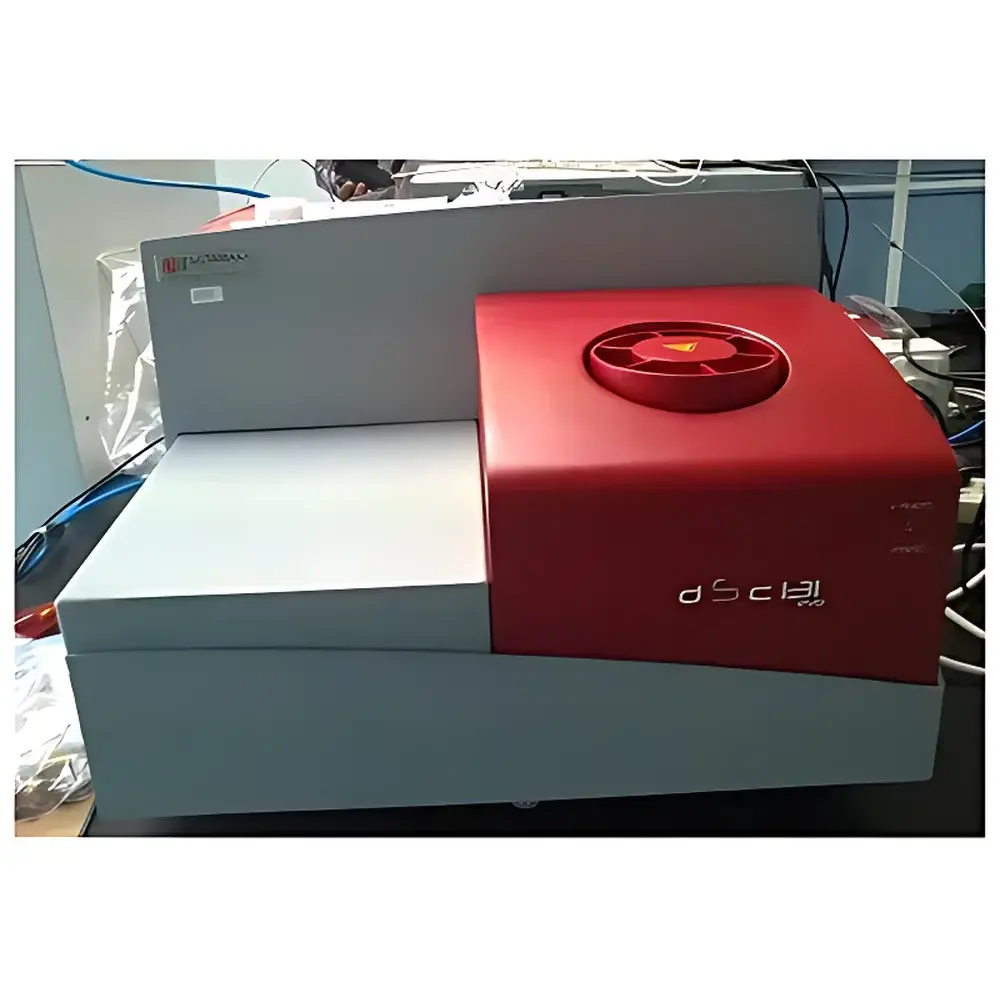
SETARAM DSC131 Evo Differential Scanning Calorimeter
| Brand | SETARAM |
|---|---|
| Origin | France |
| Model | DSC131 Evo |
| Temperature Range | −170 to 700 °C |
| Temperature Accuracy | ±0.1 °C |
| Temperature Precision | ±0.05 °C |
| Enthalpy Accuracy | ±2% |
| Heat Flow Precision | ±0.5% |
| Noise Level (at 200 °C) | 1.5 μW |
| Sensitivity (Indium Fusion) | 3 μV/mW |
| Dynamic Heat Flow Range | ±6000 mW |
| Time Constant | 3 s |
| Gas Control | Dual-gas switching capability |
| Pressure Rating (uncontrolled) | up to 500 bar (7255 psi) at 600 °C |
Overview
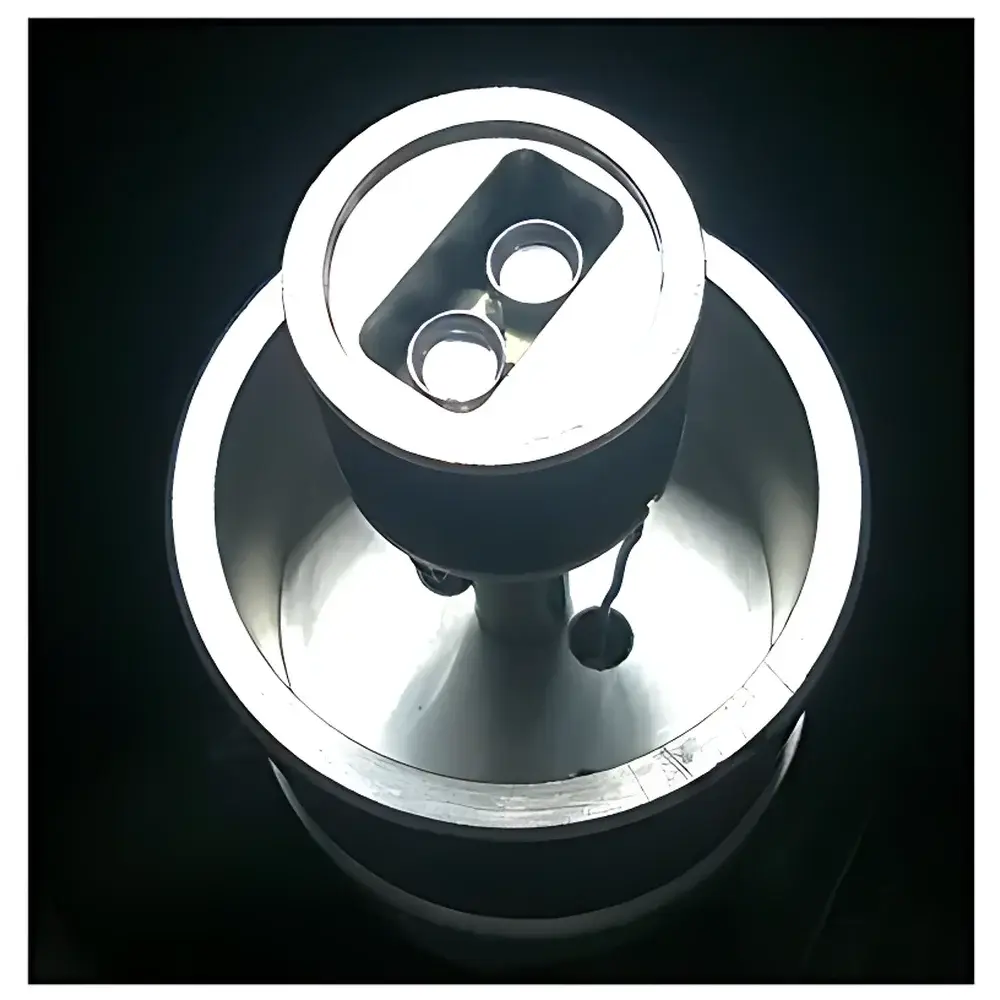
The SETARAM DSC131 Evo is a high-performance, heat-flux differential scanning calorimeter engineered for precision thermal analysis across research, quality control, and educational laboratories. Based on decades of SETARAM’s expertise in thermal instrumentation design and manufacturing in France, the DSC131 Evo employs a robust, thermally symmetric furnace architecture with a high-stability platinum resistance temperature sensor array and optimized heat-flow path geometry. It operates on the fundamental principle of measuring the differential heat flow between a sample and an inert reference as both are subjected to identical, precisely controlled temperature programs—enabling quantification of endothermic and exothermic transitions including melting, crystallization, glass transition (Tg), oxidative induction time (OIT), decomposition, and solid–solid phase changes. Its wide operational range (−170 to 700 °C), low noise floor (1.5 μW at 200 °C), and high sensitivity (3 μV/mW for indium fusion) ensure reliable detection of subtle thermal events in diverse material classes—from nanogram-scale pharmaceutical actives to gram-scale polymer compounding batches.
Key Features
- Thermally balanced, dual-sensor heat-flux design delivering exceptional baseline stability and reproducibility over extended runs
- Patented furnace geometry with rapid thermal response (3 s time constant) and uniform temperature distribution across the sample pan zone
- Integrated dual-gas manifold supporting automated switching between inert (N2, Ar) and reactive (O2, air) atmospheres—critical for OIT, decomposition kinetics, and oxidation studies
- High-pressure compatibility (up to 500 bar at 600 °C) enabling safe investigation of volatile or pressurized systems without external autoclave integration
- Enhanced sensor durability and factory-calibrated thermal constants—backed by a standard 3-year warranty, the longest in its class for commercial DSC platforms
- Modular hardware architecture allowing seamless upgrades including UV-vis optical access, humidity control, or magnetic field coupling (optional)
Sample Compatibility & Compliance
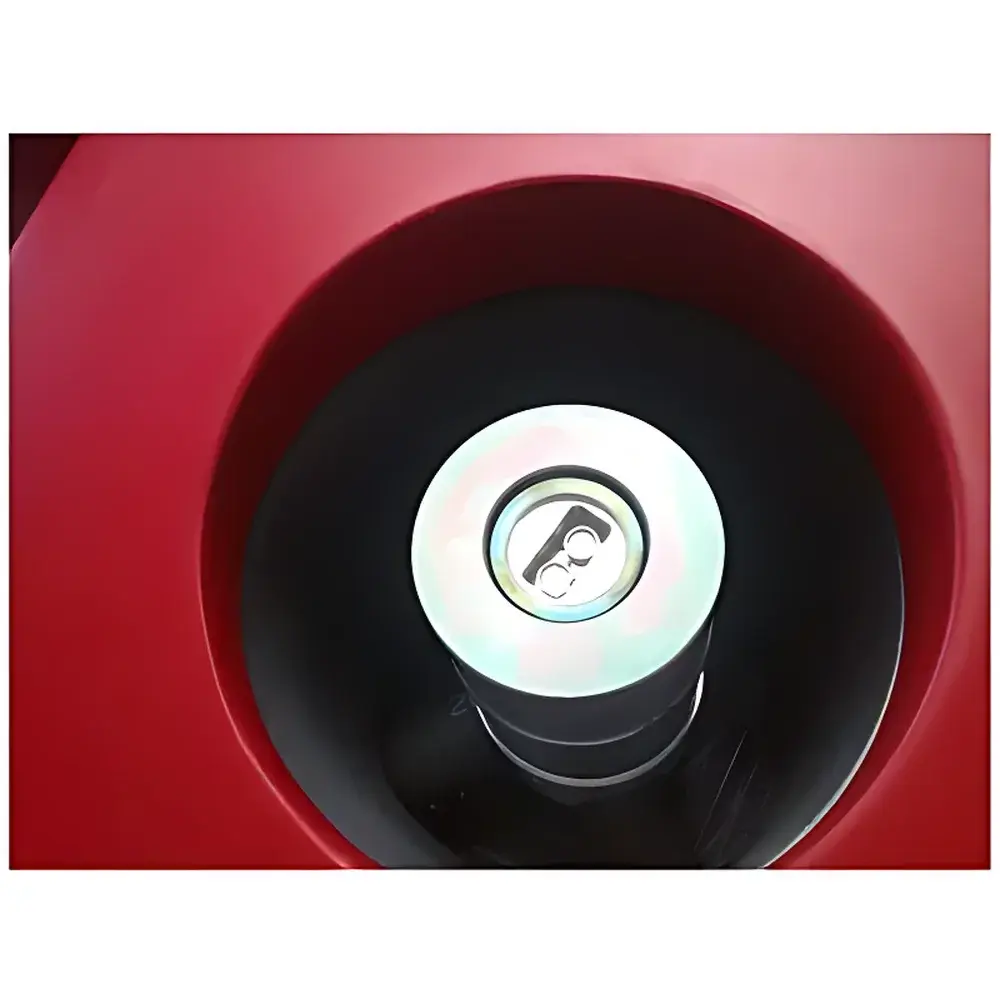
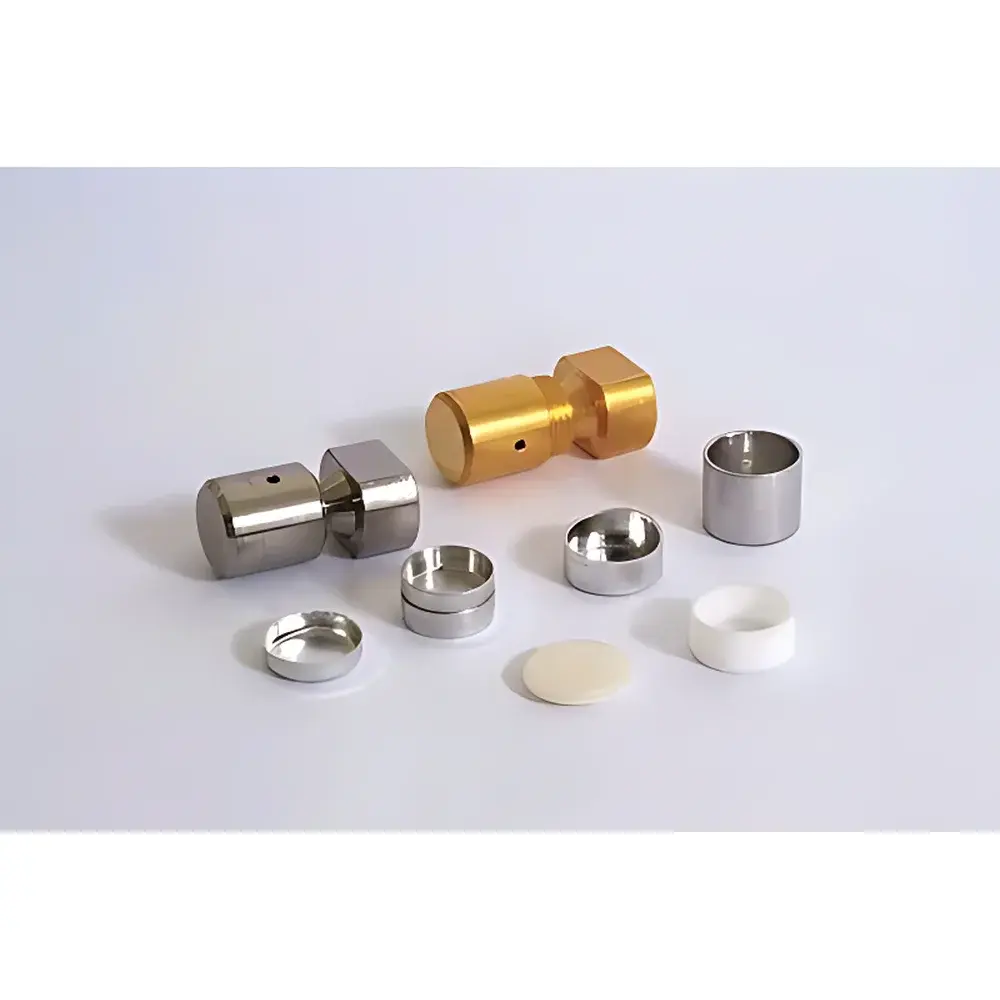
The DSC131 Evo accommodates standard crucibles (aluminum, gold-plated aluminum, stainless steel, high-purity alumina) and supports hermetic, high-pressure, and fiber-optic–equipped pans. It complies with ASTM E794 (melting point), ASTM E1356 (Tg determination), ISO 11357 series (polymer thermal behavior), USP <1163> (thermal analysis of pharmaceuticals), and ICH Q5C (stability of biologics). Data acquisition and processing adhere to ALCOA+ principles, and CALISTO software supports 21 CFR Part 11-compliant audit trails, electronic signatures, and role-based user access—making it suitable for GLP- and GMP-regulated environments including QC release testing and regulatory submissions.
Software & Data Management
CALISTO, the native software platform, provides full instrument control, real-time data visualization, and advanced post-processing—including baseline correction, peak deconvolution, kinetic modeling (e.g., Ozawa-Flynn-Wall, Kissinger), multi-step reaction analysis, and custom report generation. All raw data files are stored in vendor-neutral, ASCII-compatible formats (.txt, .csv) alongside metadata-rich .cal files. CALISTO integrates natively with LIMS via OPC UA and supports batch processing workflows for high-throughput labs. Version-controlled method templates, SOP-enforced parameter locking, and automatic calibration logging ensure traceability and method transfer consistency across sites.
Applications
- Polymers & Composites: Crystallinity assessment, curing kinetics, filler–matrix interaction, aging behavior, and recyclability evaluation
- Pharmaceuticals: Polymorph screening, hydrate/solvate identification, excipient compatibility, thermal stability profiling, and purity estimation via van’t Hoff analysis
- Food Science: Fat crystallization behavior, starch gelatinization, protein denaturation, and shelf-life prediction via OIT
- Inorganics & Metals: Dehydration enthalpies, eutectic formation, allotropic transformations (e.g., α↔β quartz), and alloy solidification pathways
- Energy Materials: Phase-change material (PCM) enthalpy retention, battery cathode thermal runaway onset, and catalyst sintering thresholds
FAQ
What calibration standards are recommended for routine verification?
Indium (Tm = 156.6 °C, ΔHfus = 28.45 J/g) and zinc (Tm = 419.5 °C) are primary standards; calibration should be performed at least daily for regulated environments.
Can the DSC131 Evo operate under vacuum or reducing atmospheres?
Yes—it supports N2, Ar, He, H2, and forming gas mixtures; vacuum operation down to 10−2 mbar is achievable with optional vacuum pump interface.
Is CALISTO software validated for use in FDA-submitted analytical procedures?
CALISTO v5.2+ includes IQ/OQ documentation packages and 21 CFR Part 11 configuration modules, supporting validation per ICH Q2(R2) and internal SOP requirements.
How does the DSC131 Evo handle sample mass effects on heat capacity normalization?
CALISTO applies dynamic baseline correction and supports both absolute (mW) and specific (mW/mg) heat flow reporting, with automatic mass normalization using integrated microbalance input (optional upgrade).
What maintenance intervals are recommended for optimal long-term performance?
Furnace and sensor inspection every 12 months; gas line filters replaced quarterly; regular cleaning of the sample chamber and purge gas lines is advised after each high-residue sample type.



