
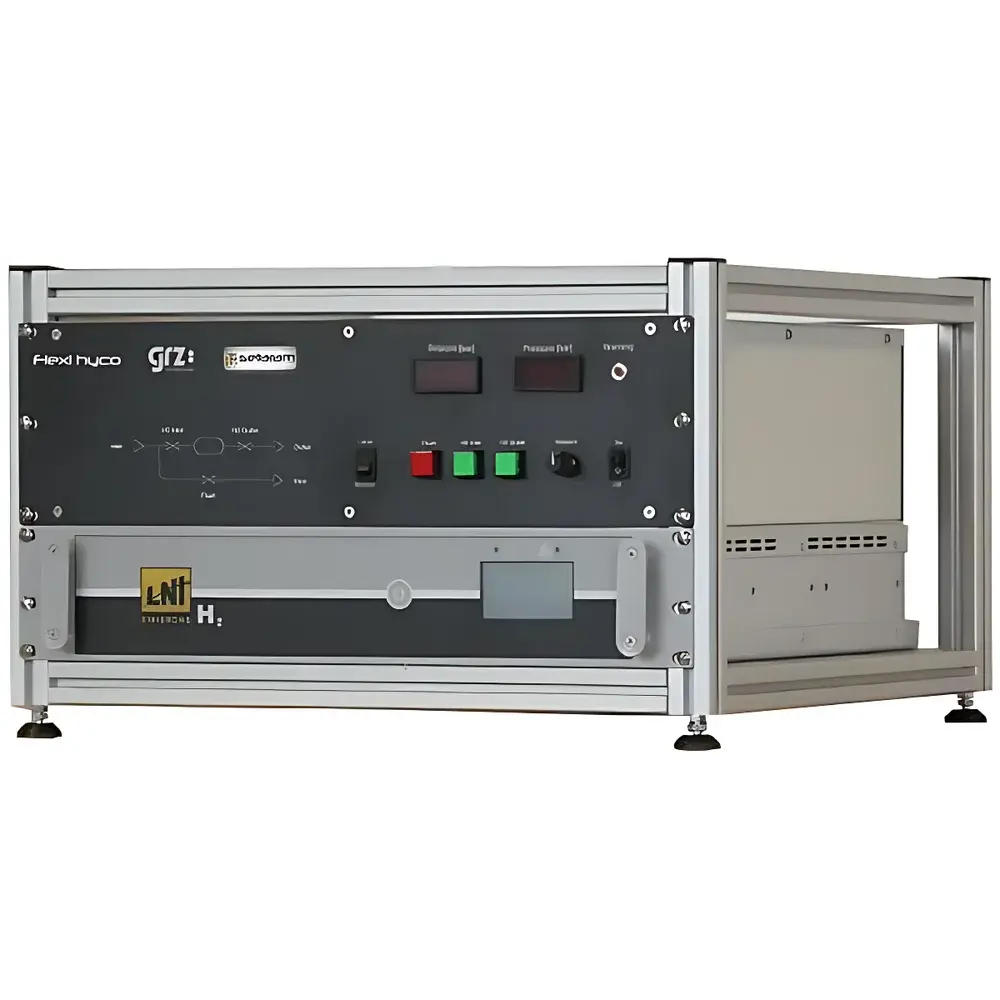
SETARAM Flexi Hyco Hydrogen Generator
| Brand | SETARAM |
|---|---|
| Origin | France |
| Model | Flexi Hyco |
| Hydrogen Generation Principle | Water Electrolysis |
| Output Flow Rate | Up to 0.8 N·L/min or up to 1.6* N·L/min |
| Output Pressure | 10–200 bar (145–2900 psi) |
| Hydrogen Purity | 6.0–7.0 (v/v, ppm impurities) |
| Power Consumption | ~100 W |
Overview
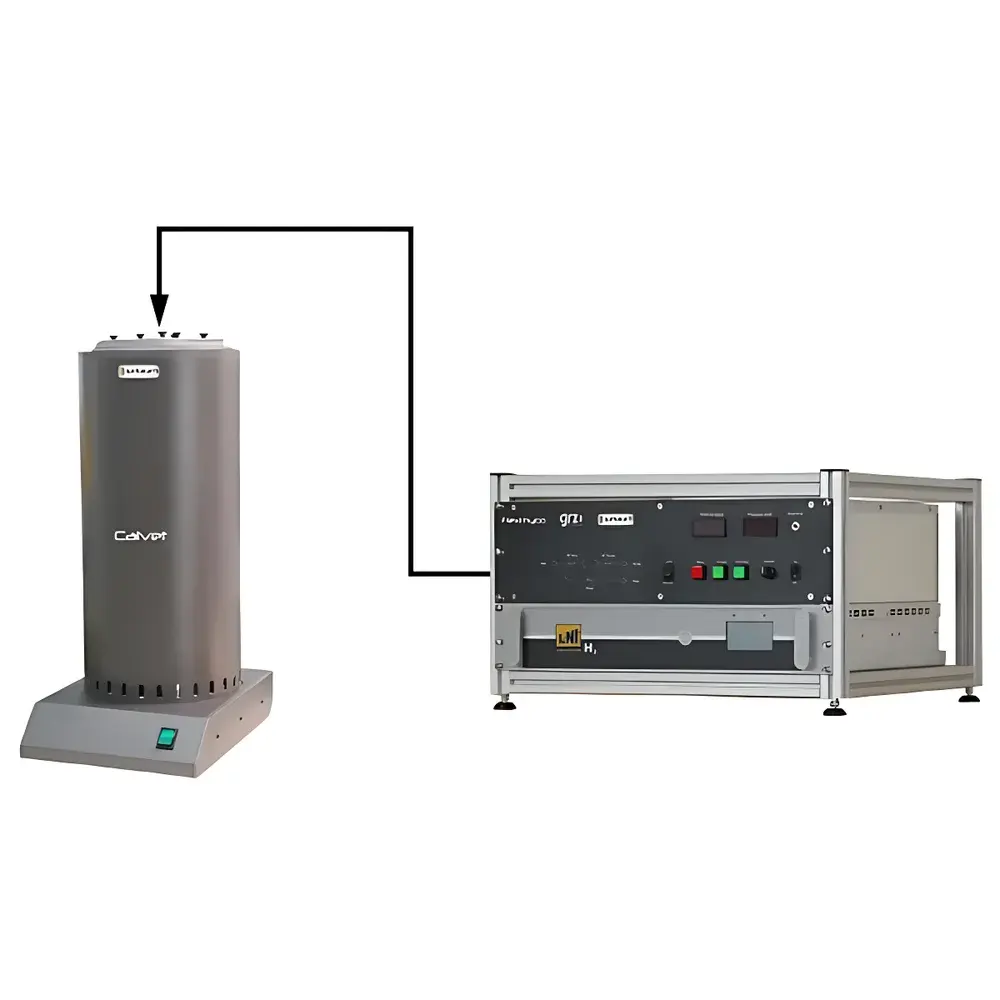
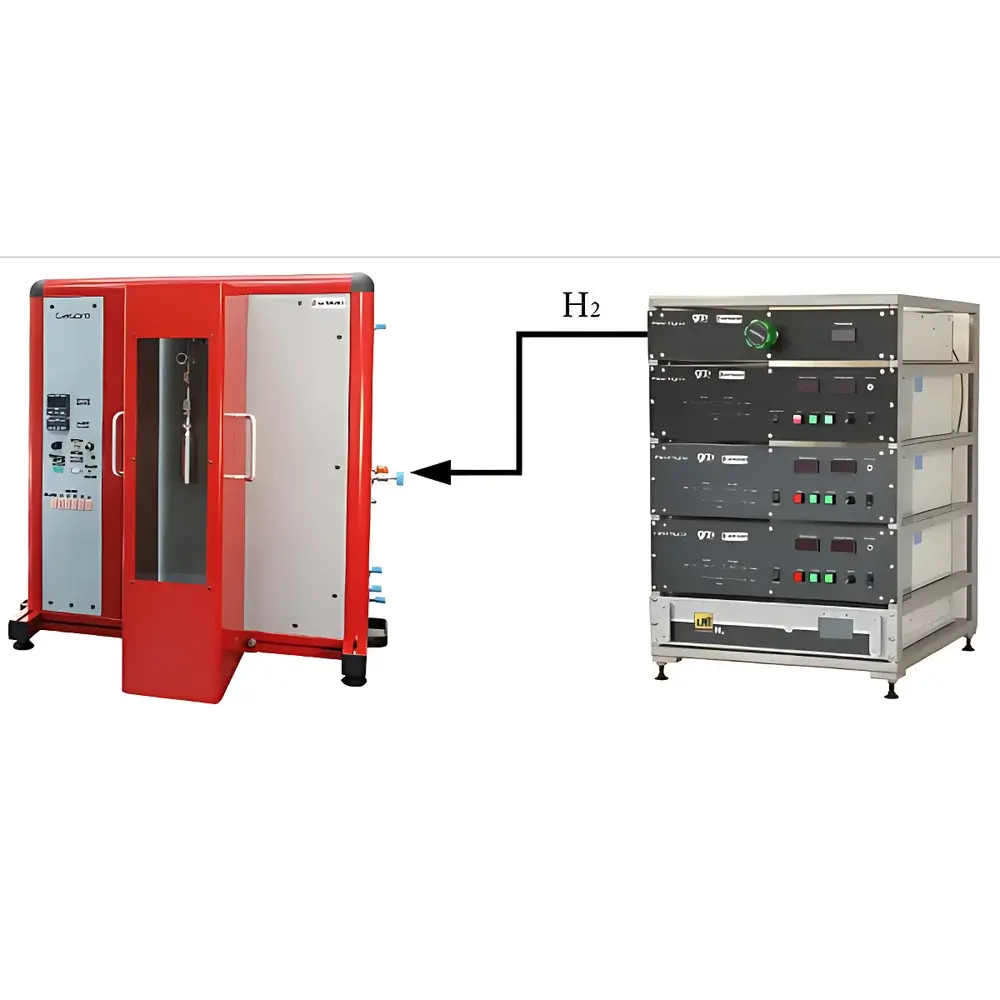
The SETARAM Flexi Hyco Hydrogen Generator is a compact, modular, and maintenance-free hydrogen supply system engineered for high-pressure, high-purity laboratory applications. Unlike conventional compressed gas cylinders, the Flexi Hyco utilizes solid-state metal hydride technology to store and deliver hydrogen generated on-demand via water electrolysis. It operates on a two-stage principle: first, low-pressure hydrogen is produced electrochemically; second, it is absorbed into a proprietary metal hydride bed, then thermally desorbed and pressurized without mechanical compression. This eliminates moving parts, vibration, noise, and associated safety risks—making it ideal for integration with sensitive analytical instruments such as high-pressure gas adsorption analyzers (e.g., GASPRO), microcalorimeters (CALVET and CALVETPRO), and catalytic test rigs operating up to 200 bar.
Key Features
- Zero-maintenance architecture: No pumps, valves, or compressors — only passive thermal control of metal hydride beds ensures long-term reliability and operational silence.
- Integrated electrolysis module option: Enables direct on-site H₂ generation from deionized water, eliminating dependency on external gas supply infrastructure.
- Modular scalability: Supports flow-rate upgrades (0.8 → 1.6 N·L/min) and pressure-range expansion via optional hardware kits, allowing adaptation to evolving experimental demands.
- Inherent safety by design: Hydrogen is stored chemically at near-ambient pressure within the metal hydride matrix; release is thermally triggered and pressure-regulated, avoiding over-pressurization hazards.
- Plug-and-play compatibility: Standardized CGA-350 or ISO-KF interfaces enable rapid connection to SETARAM instrumentation and third-party reactors, fuel cell test stations, or hydrogenation autoclaves.
- Energy-efficient operation: Typical power draw of ~100 W during active delivery mode supports continuous operation in standard laboratory electrical circuits without dedicated line conditioning.
Sample Compatibility & Compliance
The Flexi Hyco is compatible with a broad range of sample types and reactor configurations requiring ultrapure hydrogen under controlled pressure conditions. It delivers hydrogen with purity levels ranging from 6.0 to 7.0 (i.e., ≤1 ppm total non-hydrogen contaminants including O₂, N₂, H₂O, and hydrocarbons), meeting ASTM D7165 and ISO 8573-1 Class 1 requirements for instrumental gas analysis. Its pressure regulation conforms to EN 13445-3 for unfired pressure equipment, and its electrical interface complies with IEC 61000-6-3 (EMC) and IEC 61010-1 (safety). While not certified for GMP manufacturing environments, the system supports GLP-compliant data integrity when paired with SETARAM’s instrument control software featuring audit-trail logging per FDA 21 CFR Part 11 guidelines.
Software & Data Management
The Flexi Hyco operates autonomously but integrates seamlessly with SETARAM’s ThermoConcept™ software suite for synchronized parameter monitoring and event logging. Real-time telemetry includes bed temperature profiles, outlet pressure stability, cumulative H₂ delivered (in N·L), and electrolyzer status (when equipped). All operational data are timestamped and exportable in CSV or XML formats for traceability. Optional firmware updates support remote diagnostics and calibration verification logs, facilitating internal quality audits and method validation documentation. No proprietary drivers are required—USB and RS-485 interfaces ensure compatibility with Windows-based laboratory information management systems (LIMS).
Applications
- Hydrogen storage material characterization: High-pressure adsorption/desorption isotherms, kinetic profiling, and enthalpy determination using volumetric or gravimetric techniques.
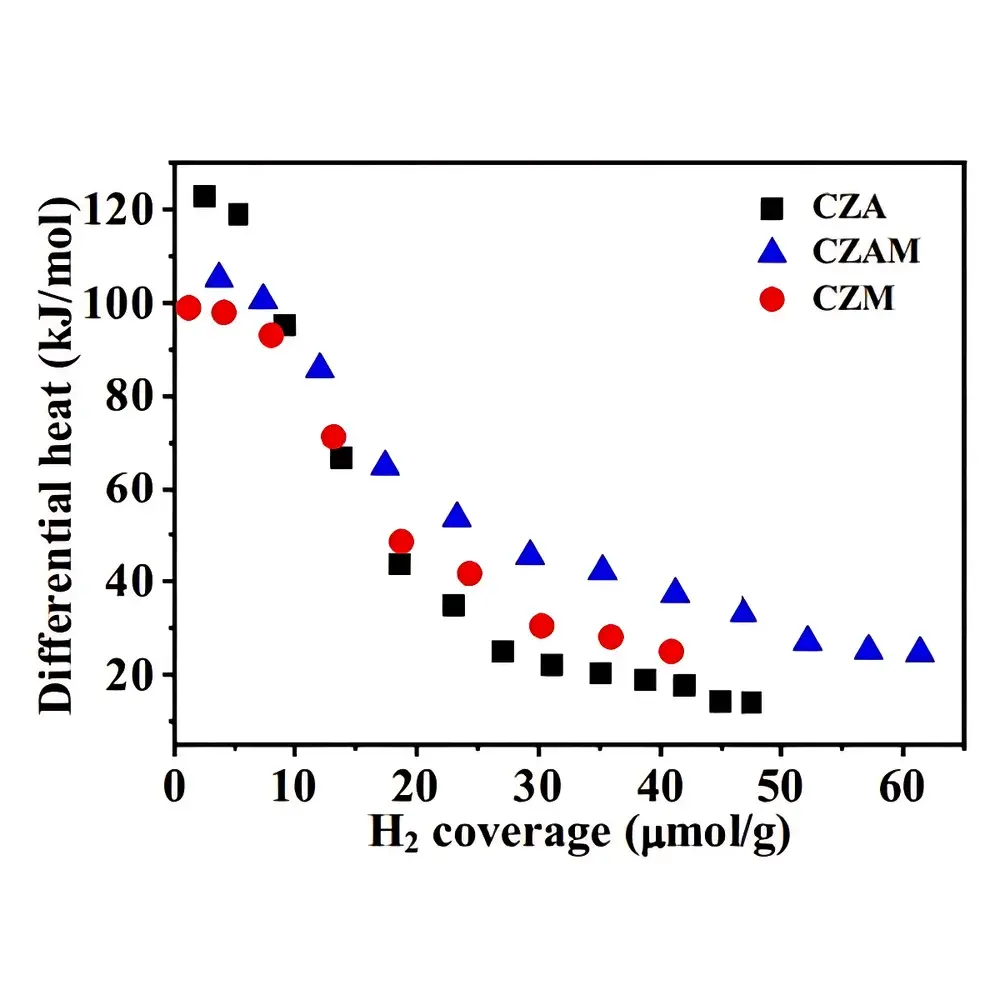
- Catalyst and membrane development: In situ calorimetric studies of H₂ adsorption enthalpies on PEM fuel cell membranes or electrocatalysts using CALVET microcalorimetry.
- Hydrogenation reaction engineering: Safe, scalable screening of heterogeneous catalysts under industrially relevant pressures (up to 200 bar), supporting process intensification studies.
- Hydrogen embrittlement research: Controlled exposure of metallic alloys and weldments to high-purity H₂ at elevated pressures for mechanical property degradation assessment.
- Fuel cell and electrolyzer testing: Stable, low-fluctuation H₂ supply for single-cell and short-stack performance mapping, polarization curve acquisition, and durability cycling.
- Food-grade lipid hydrogenation: Lab-scale optimization of vegetable oil saturation kinetics under reproducible, contaminant-free H₂ atmospheres.
FAQ
How does the Flexi Hyco achieve 200 bar without mechanical compression?
It leverages the pressure-dependent equilibrium of metal hydrides: hydrogen is absorbed at low pressure/temperature and desorbed at elevated temperature, generating intrinsic pressure up to 200 bar based on the selected alloy’s thermodynamic plateau pressure.
Can the Flexi Hyco be used with non-SETARAM instruments?
Yes — it features standardized gas fittings and pressure regulation; users must verify inlet pressure tolerance and gas purity requirements of their host equipment.
What maintenance is required over its service life?
None beyond periodic visual inspection of fittings and replacement of the electrolyte cartridge (if equipped with integrated electrolysis) every 12–18 months under continuous operation.
Is hydrogen purity verified in real time?
No built-in online analyser is included, but the system’s design and certified component materials ensure consistent ≥6.0 purity; optional external GC or laser-based H₂ purity monitors can be integrated downstream.
Does the Flexi Hyco meet explosion-proof certification standards?
It is not ATEX- or IECEx-certified for Zone 1/2 hazardous areas; however, its intrinsically safe design (no ignition sources, no free gas storage) permits installation in general laboratory spaces compliant with NFPA 55 and local fire codes.



