
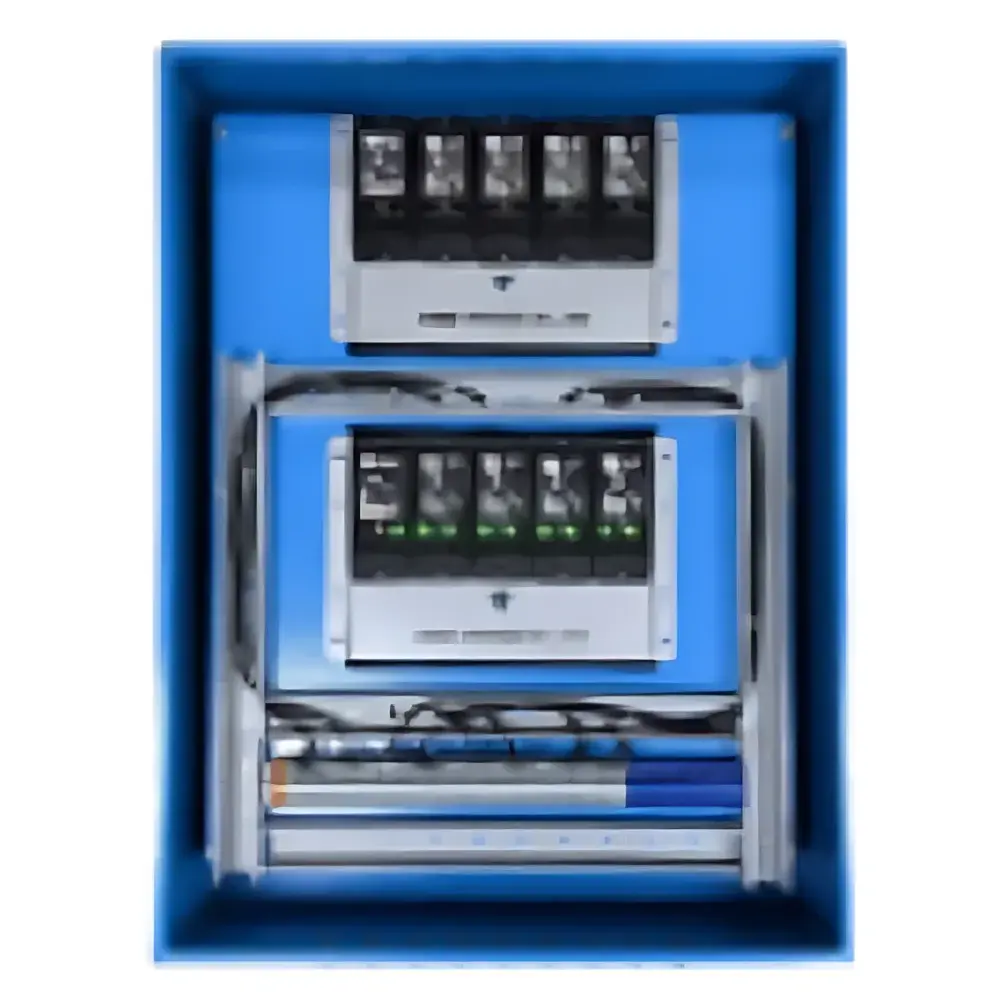
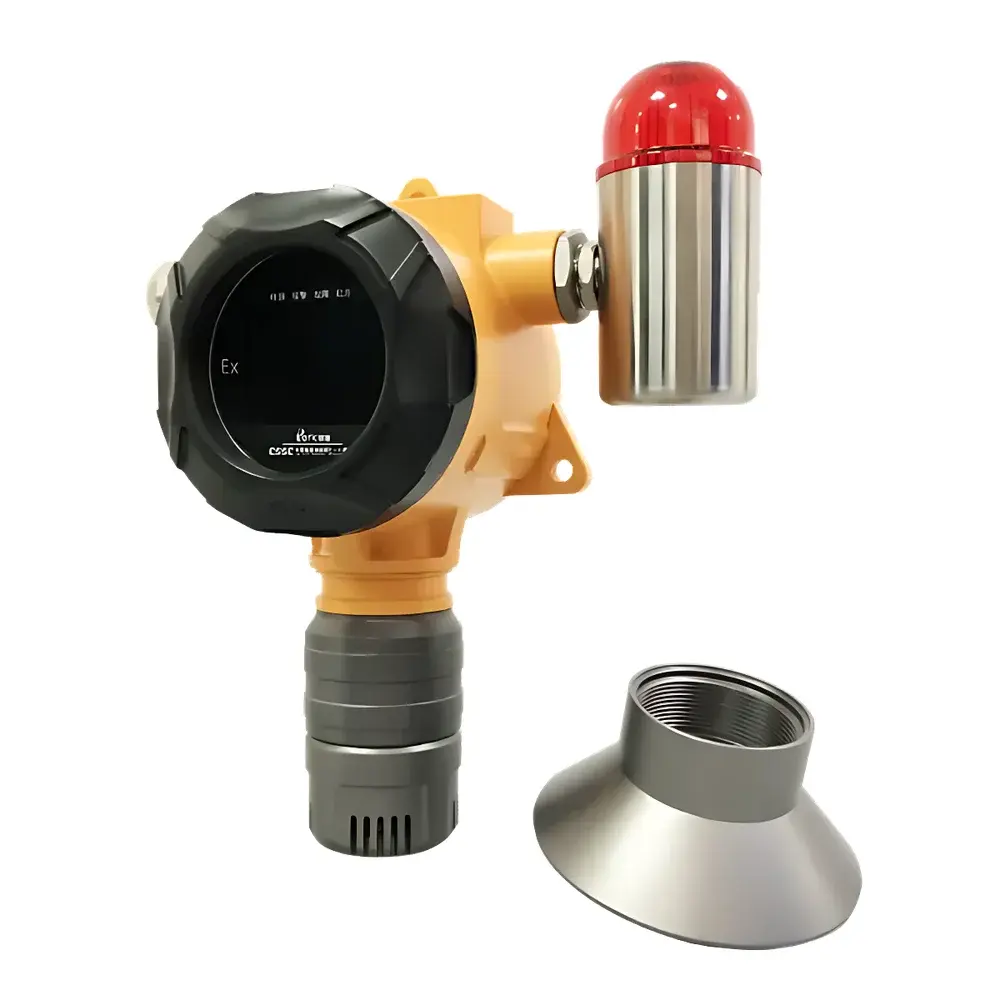
PERIC Custom Fixed Gas Detection and Alarm System
| Brand | PERIC |
|---|---|
| Origin | Hebei, China |
| Manufacturer Type | Manufacturer |
| Origin Category | Domestic |
| Model | Custom Version |
| Pricing | Upon Request |
| Detection Gases | Hydrogen, Combustible Gases (e.g., CH₄), Oxygen, Ammonia |
| Measurement Ranges | 0–100% LEL (H₂ & combustibles), 0–25% O₂, 0–100 ppm NH₃ |
| Accuracy | ≤±3% FS (H₂ & combustibles), ≤±2% FS (O₂), ≤±5% FS (NH₃) |
| T90 Response Time | ≤30 s (H₂), ≤60 s (combustibles, O₂, NH₃) |
| Certification | CCC (China Compulsory Certification) |
| Design | Explosion-Proof (Ex d IIB T6 Gb), Modular Controller Architecture, Integrated Sampling & Pre-treatment Compatibility |
| Environmental Resistance | Vibration-resistant, Salt Mist Resistant |
Overview
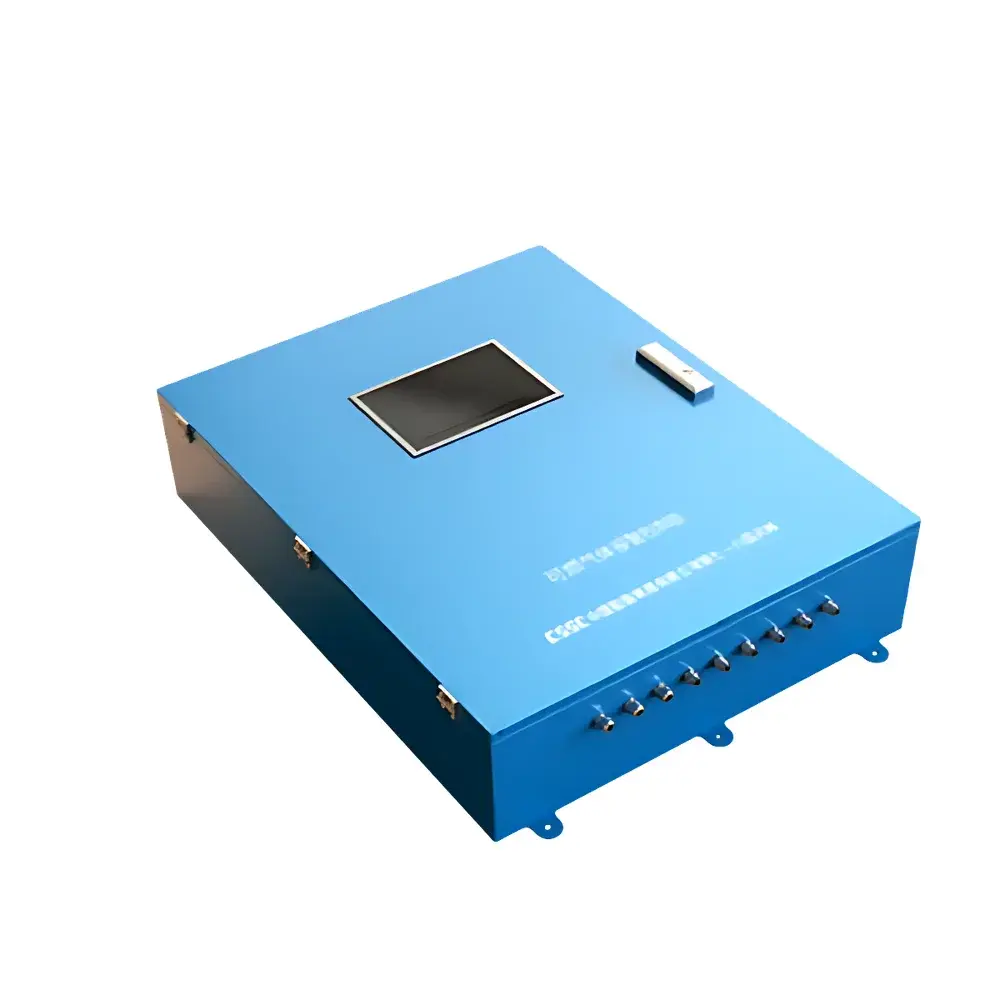
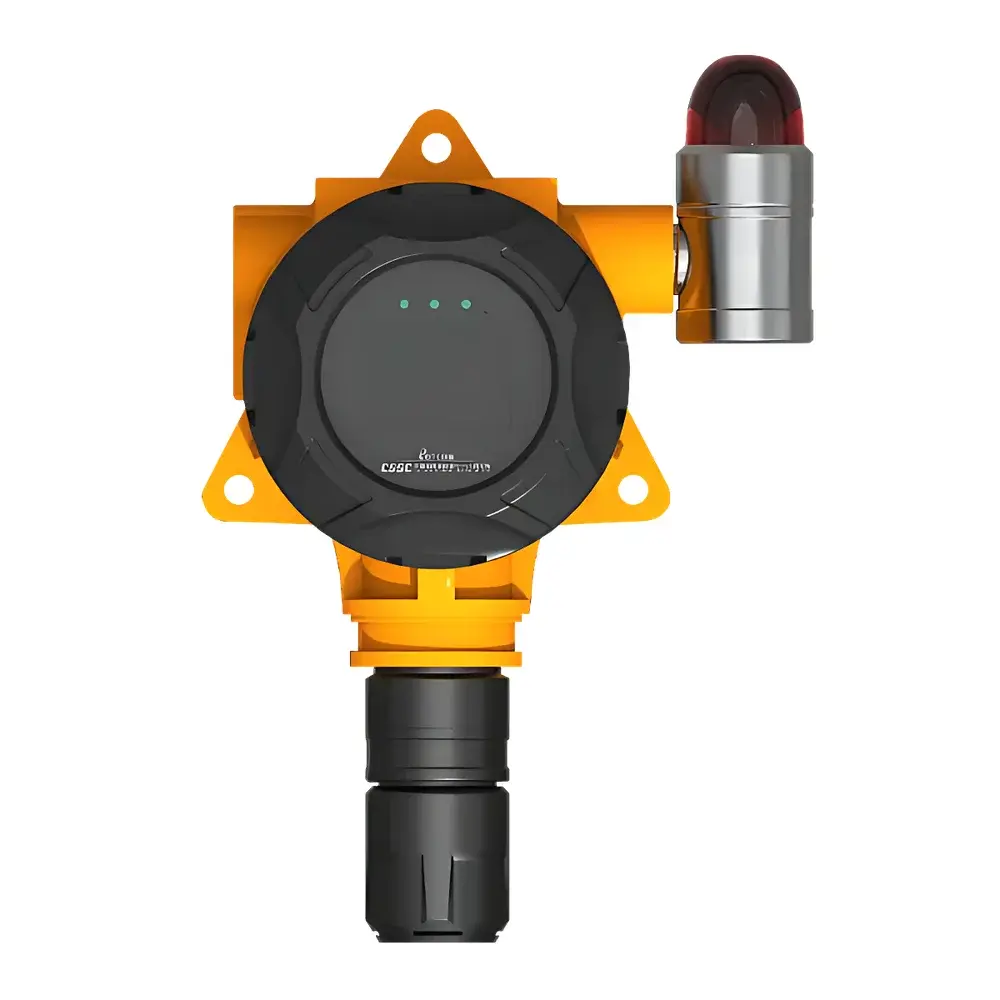
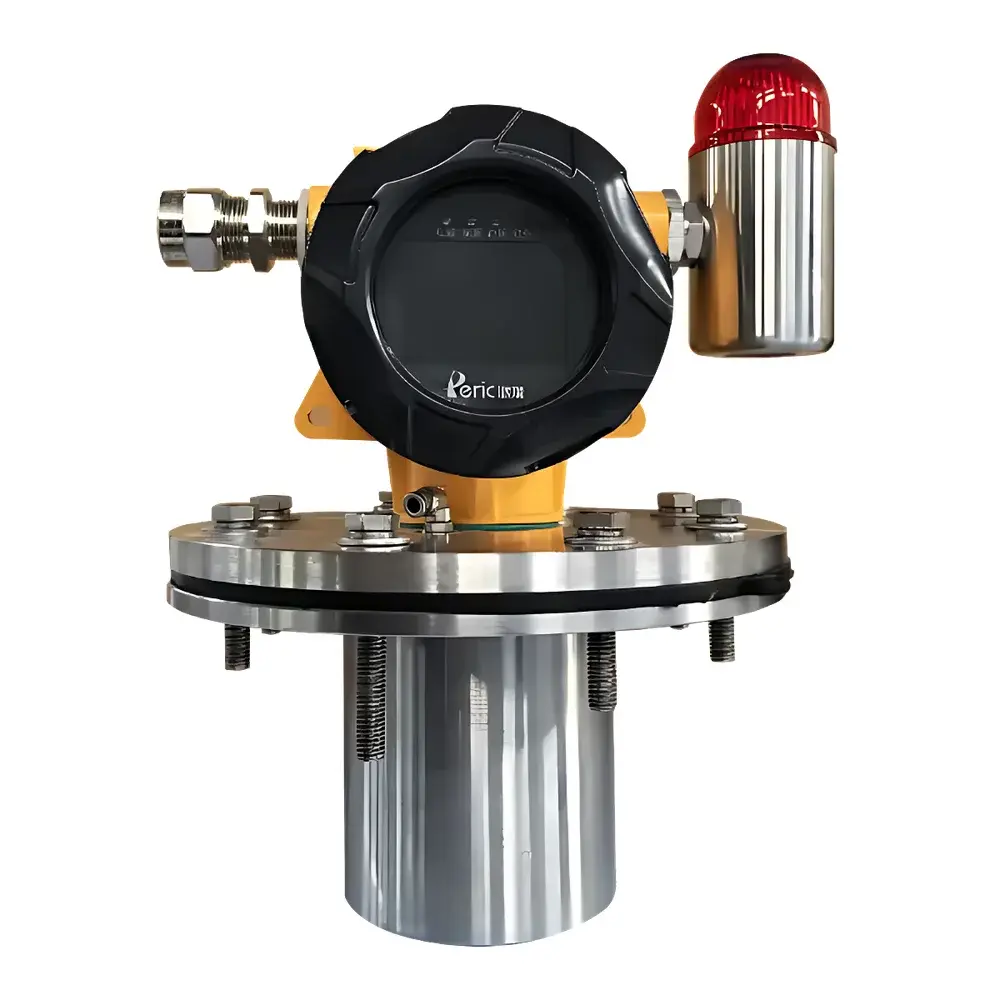
The PERIC Custom Fixed Gas Detection and Alarm System is an engineered safety solution for continuous, real-time monitoring of hazardous and toxic gases in industrial process environments, utility tunnels, chemical storage areas, hydrogen refueling stations, and confined-space entry zones. Built upon dual-component architecture—comprising field-deployed fixed gas detectors and a centralized alarm controller—the system operates on electrochemical (for O₂ and NH₃), catalytic bead (for combustible gases), and thermal conductivity or semiconductor-based (for H₂) sensing principles, depending on gas-specific transducer configuration. Each detector performs localized concentration measurement, local visual/audible alarm activation, and analog/digital signal transmission to the controller via 4–20 mA or Modbus RTU protocols. The system adheres to fundamental functional safety concepts aligned with IEC 61508 SIL 2 capability design intent and supports fail-safe output relays for integration into plant-wide emergency response logic.
Key Features
- Explosion-proof detector housings rated Ex d IIB T6 Gb per GB 3836.1–2010 / EN 60079-0:2018, certified for Zone 1 hazardous locations.
- Field-replaceable sensor modules with proprietary flow-optimized gas inlet geometry—eliminating routine disassembly for calibration (zero/span verification achievable via magnetic or IR remote interface).
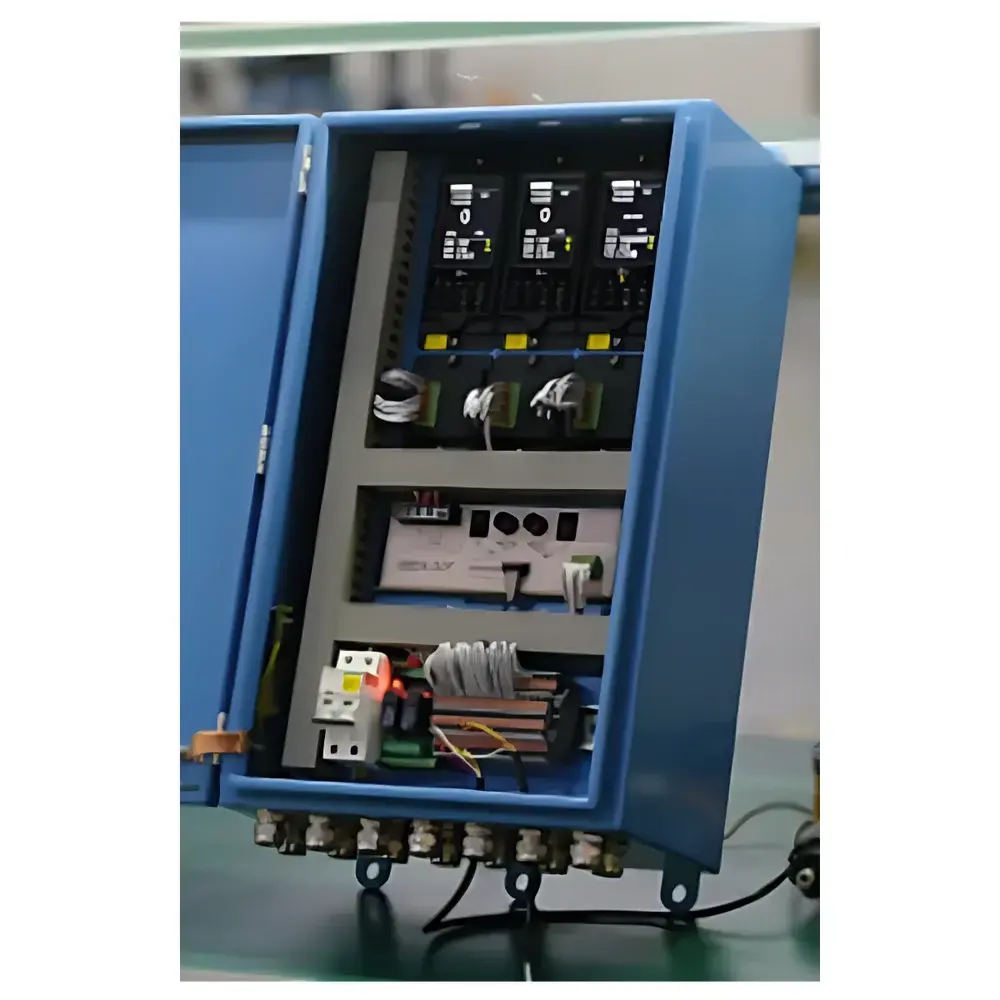
- Modular alarm controller with redundant power input, isolated relay outputs (NO/NC), and configurable alarm thresholds per channel; supports up to 64 detector inputs in scalable configurations.
- Integrated sampling interface compatible with heated sample lines, particulate filters, moisture traps, and acid-gas scrubbers—enabling reliable detection in high-humidity, corrosive, or particulate-laden atmospheres.
- Structural resilience validated per GB/T 2423.10–2019 (vibration) and GB/T 2423.17–2008 (salt mist), ensuring operational integrity in outdoor or coastal industrial settings.
- Self-diagnostics including sensor drift monitoring, circuit continuity checks, and power-supply anomaly detection—all logged with timestamps for maintenance traceability.
Sample Compatibility & Compliance
The system accommodates target analytes across critical industrial safety bands: hydrogen (0–100% LEL, T90 ≤30 s), generic combustible gases (e.g., methane, propane; 0–100% LEL, T90 ≤60 s), oxygen (0–25% vol, T90 ≤60 s), and ammonia (0–100 ppm, T90 ≤60 s). All detectors meet China’s mandatory CCC certification requirements (certification number available upon request) and comply with GB 50493–2019 “Code for Design of Flammable and Toxic Gas Detection and Alarm Systems in Petrochemical Enterprises.” While not pre-certified to ATEX or IECEx, the intrinsic mechanical and electrical design—including flame-path dimensions, surface temperature limits, and PCB layout spacing—follows principles consistent with EN 60079-1 and EN 60079-26 for potential third-party certification pathways. System documentation supports GLP-aligned recordkeeping for audit readiness.
Software & Data Management
The controller provides native RS485/Modbus RTU and optional Ethernet (TCP/IP) connectivity for integration into SCADA, DCS, or BMS platforms. Optional PC-based configuration software enables parameter setup, event log export (CSV), and alarm history review with time-stamped entries. All alarm events—including gas concentration excursions, fault conditions, and relay activations—are timestamped and stored locally for ≥30 days. Audit trail functionality includes user login logs, configuration change records, and calibration event metadata—supporting internal quality assurance procedures and regulatory readiness under GB/T 19001 and ISO 45001 frameworks. No cloud dependency; data residency remains fully on-premise unless explicitly interfaced via customer-defined IT infrastructure.
Applications
- Hydrogen production, storage, and dispensing facilities requiring rapid H₂ leak detection with sub-1% LEL resolution.
- Chemical manufacturing plants monitoring NH₃ in refrigeration systems or synthesis units where exposure limits are governed by OSHA PEL (50 ppm) and ACGIH TLV (25 ppm).
- Wastewater treatment plants deploying O₂ and H₂S (via optional sensor module) monitoring in digesters and headworks.
- Pharmaceutical clean utilities monitoring ambient O₂ levels in nitrogen-purged gloveboxes or inert gas manifolds.
- Power generation sites using combustible gas detection in turbine enclosures and battery rooms (hydrogen off-gassing).
- Integration-ready deployment within fire alarm control panels (FACP) or emergency ventilation logic per GB 50116–2013.
FAQ
What certifications does the system hold?
The system carries China Compulsory Certification (CCC) under applicable standards for gas detection equipment. It conforms to GB 50493–2019 and GB 3836 series for explosion protection. ATEX or IECEx certification is not included but may be pursued through authorized third-party bodies based on provided technical documentation.
Can the controller interface with DCS or PLC systems?
Yes—the controller supports standard 4–20 mA analog outputs and Modbus RTU over RS485. Optional Ethernet communication (Modbus TCP) is available for direct integration with modern DCS/PLC architectures.
Is remote calibration supported without opening the detector housing?
Yes—each detector features non-intrusive calibration capability via magnetic wand or infrared interface, enabled by the optimized inlet and sealed sensor module design.
What environmental conditions can the detectors withstand?
Detectors are tested to GB/T 2423.10 (vibration, 10–150 Hz, 5 g) and GB/T 2423.17 (salt mist, 48 h, 5% NaCl solution), making them suitable for offshore platforms, coastal refineries, and unheated outdoor installations.
Does the system support联动 (interlock) functions with ventilation or fire suppression systems?
Yes—programmable relay outputs provide dry-contact closure signals that can trigger exhaust fans, shut down gas supply valves, or initiate fire alarm panel inputs per predefined safety logic.







