
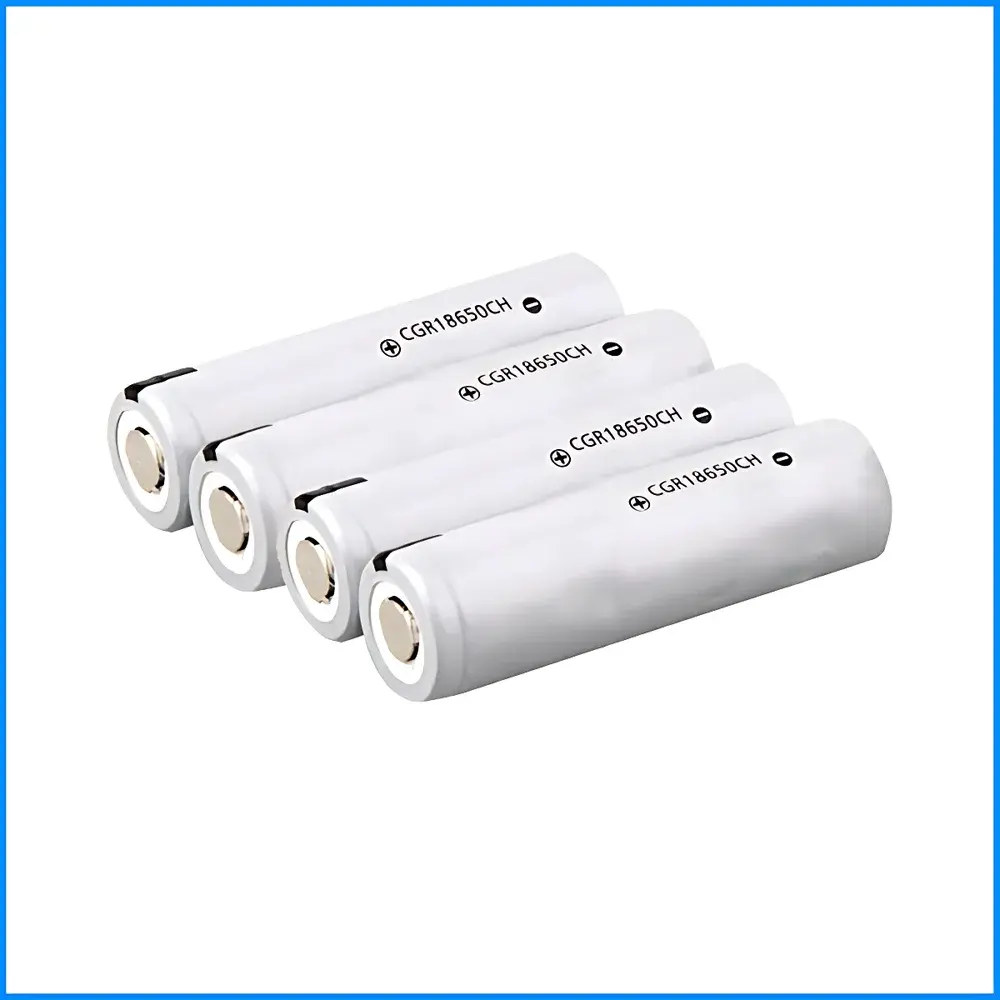
Cylindrical Battery R&D Integrated System – KJ GROUP Model CBR-2000 Series
| Brand | KJ GROUP (Shenyang Kejing) |
|---|---|
| Origin | Liaoning, China |
| Manufacturer Type | Authorized Distributor |
| Regional Classification | Domestic (PRC) |
| Model | CBR-2000 Integrated R&D System for Cylindrical Li-ion Cells |
| Pricing | Available Upon Technical Consultation |
Overview
The Cylindrical Battery R&D Integrated System – KJ GROUP Model CBR-2000 Series is a purpose-engineered laboratory platform designed to support full-cycle development of cylindrical lithium-ion cells—from electrode formulation and fabrication through cell assembly, sealing, and electrochemical characterization. Unlike modular or single-process instruments, this system integrates 20 functionally coordinated unit operations into a traceable, space-optimized workflow aligned with ISO/IEC 17025–compliant battery research practices. The architecture follows the standard cylindrical cell manufacturing sequence: slurry preparation → coating & drying → calendering → slitting → tab welding → winding → cell inspection → vacuum drying → can insertion → lid welding → electrolyte filling → vacuum impregnation → hermetic sealing → formation cycling. Each subsystem is calibrated for reproducibility under controlled ambient or glovebox-integrated environments (O₂/H₂O < 0.1 ppm), enabling researchers to establish baseline process windows, evaluate novel active materials (e.g., Ni-rich NMC, silicon anodes), and generate GLP-aligned data packages for DOE validation and technology transfer.
Key Features
- Modular, reconfigurable layout supporting 18650, 21700, 26650, and 32650 form factors with interchangeable tooling kits
- Integrated process traceability: each station logs timestamped operational parameters (e.g., coating speed, calendering pressure, weld energy, vacuum dwell time) via RS-485/Modbus interface
- Glovebox-ready integration: all wet-process stations (electrolyte filling, vacuum impregnation, sealing) feature standardized flange interfaces (KF-40/KF-50) compatible with major inert-atmosphere enclosures
- Electrode processing suite includes planetary mixer with vacuum degassing, precision slot-die coater (±2 µm thickness control), IR-convection dryer (ambient to 150 °C, ±1 °C uniformity), and servo-controlled calender (roll gap resolution: 0.1 µm)
- Cell assembly modules incorporate ultrasonic tab welder (frequency: 20 kHz, energy range: 1–50 J), programmable winding machine (tension control: 0.05–2.0 N), and automated short-circuit detection (DC resistance threshold: 10 mΩ)
- Post-assembly conditioning includes dual-zone vacuum drying oven (≤10⁻³ Pa, 80–120 °C), semi-automated electrolyte dispensing (±0.01 g accuracy), and heat-shrink tubing applicator with thermal profile memory
Sample Compatibility & Compliance
The CBR-2000 accommodates aqueous and non-aqueous electrode slurries (NMP-, water-, or DMSO-based), polymer separators (PP/PE trilayer, ceramic-coated), and liquid electrolytes (LiPF₆ in EC/DMC/EMC). All wet-contact components are chemically resistant (316L SS, PTFE, EPDM). The system supports compliance documentation per IEC 62660-1 (performance testing), UL 1642 (cell safety), and ASTM F2797 (glovebox operation protocols). Data acquisition modules meet FDA 21 CFR Part 11 requirements for electronic records and signatures when paired with validated LIMS or ELN software. Electrical safety conforms to IEC 61010-1; CE marking applies to individual subunits where applicable.
Software & Data Management
A centralized HMI (7″ touchscreen, Windows IoT Enterprise) coordinates inter-station sequencing and real-time parameter monitoring. Raw process logs (CSV/SQLite) include metadata: operator ID, batch number, environmental conditions (T/RH), and instrument calibration status. Optional cloud-connected firmware enables remote diagnostics and over-the-air updates. Exported datasets are structured for direct import into MATLAB, Python (Pandas), or commercial battery modeling tools (e.g., COMSOL Multiphysics, Battery Design Studio). Audit trails retain full change history for all configuration edits, satisfying GLP audit requirements for method validation and equipment qualification (IQ/OQ/PQ).
Applications
- Formulation screening of next-generation cathode/anode materials and binders
- Process window mapping for slurry rheology, coating uniformity, and calendering density optimization
- Electrode architecture studies (graded porosity, dual-layer coatings, current collector surface treatments)
- Electrolyte compatibility assessment (SEI formation kinetics, gas evolution analysis via in-situ pressure sensors)
- Prototype validation for automotive-grade cylindrical cells (e.g., Tesla 4680 process emulation via adjustable winding tension and tab geometry modules)
- Academic and industrial training platforms for battery manufacturing engineering curricula
FAQ
Does the system support dry-room integration?
Yes—mechanical and electrical interfaces comply with ISO 14644-1 Class 7 (10,000) cleanroom specifications; optional humidity control modules maintain ≤1% RH at point-of-use.
Can the winding module accommodate custom mandrel diameters?
Standard configurations include 18 mm, 21 mm, and 26 mm mandrels; custom mandrels (±0.05 mm tolerance) are available under engineering services agreement.
Is third-party calibration certification included?
Factory calibration certificates (traceable to NIM, China) are provided for all metrology-critical subsystems (coating thickness gauge, weld energy sensor, electrolyte dispenser); ISO/IEC 17025-accredited field calibration is available as an add-on service.
What level of automation is implemented between stations?
The system operates in semi-automated mode by default; full automation (including robotic material handling between coating, drying, and calendering) requires custom integration with KJ GROUP’s AMHS-200 interface kit.
Are consumables and spare parts stocked internationally?
KJ GROUP maintains regional distribution hubs in Germany (EU), Singapore (APAC), and the USA (Americas); lead time for critical spares (e.g., ultrasonic horn assemblies, slot-die nozzles) is ≤10 business days ex-warehouse.
Related Products



