
UGT Evapotranspirometer Model 800
| Brand | UGT |
|---|---|
| Origin | Germany |
| Model | 800 |
| Instrument Type | Multifunctional Soil Evapotranspirometer |
| Compliance | OIML Class C3, IP68 |
| Weighing Resolution | 0.01 mm |
| Groundwater Control Precision | ±1 cm |
| Data Acquisition | DL-105 (32-channel, 15-bit ADC, 512 kB RAM) |
| Soil Sensors | UMP-1 (VWC: 0–100%, ±2% acc. |
| Temp | −40–60 °C, ±0.2 °C |
| EC | 0–4 mS/cm, ±0.1% acc.), Tensio160 (Tension: +25 to −85 kPa, ±0.3 kPa) |
| Structural Material | HDPE chamber (200 cm H × 40 mm wall, 1500 kg), Stainless steel column (1 m² surface area, 170 cm H, 8 mm wall) |
| Filtration | Triple-layer bottom filter (0.1–0.5 mm / 0.71–1.25 mm / 3.15–5.60 mm) |
| Software | UGT-Log v5.x (parameter configuration, real-time visualization, time-series export, audit-trail enabled) |
Overview
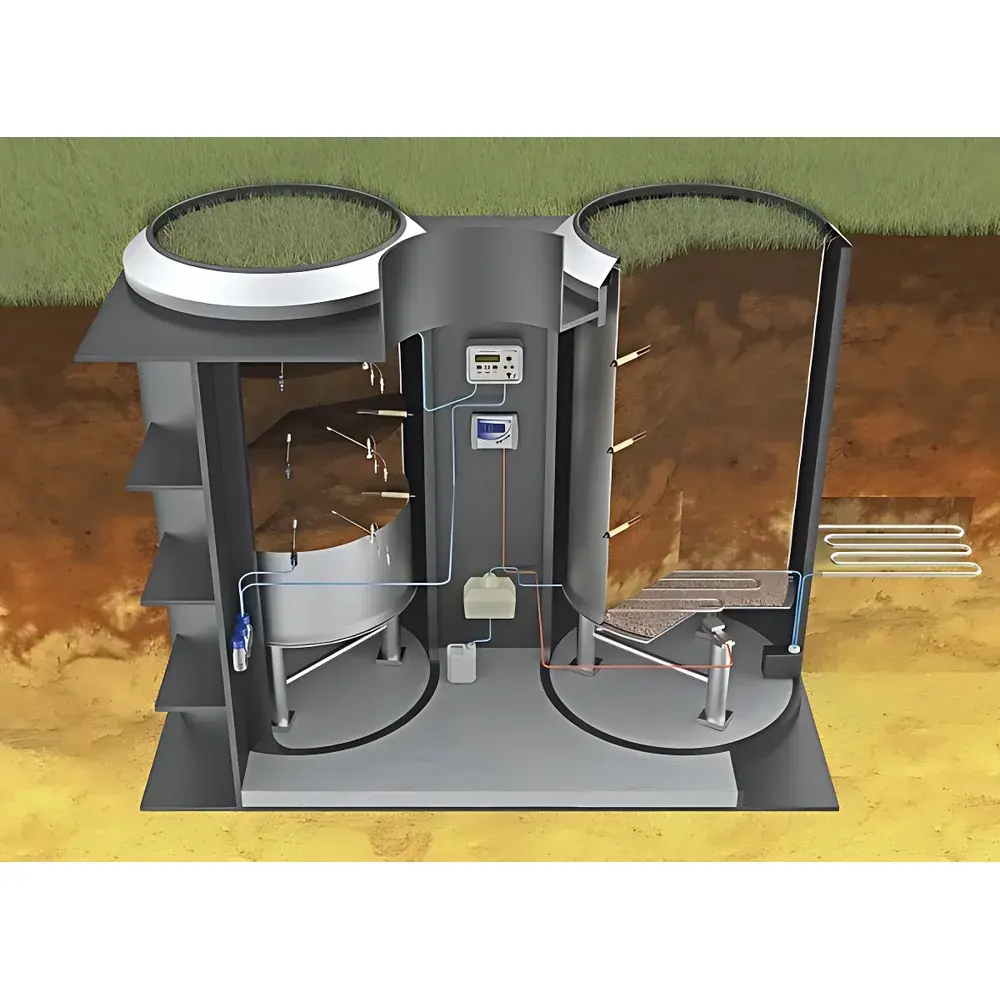
The UGT Evapotranspirometer Model 800 is a high-precision, field-deployable lysimeter system engineered for in-situ and ex-situ quantification of soil water balance, solute transport, and coupled biogeochemical fluxes under ecologically realistic boundary conditions. Based on the fundamental principle of mass conservation, it measures net water storage change (ΔS) via ultra-stable gravimetric weighing while simultaneously monitoring all major components of the hydrological budget — precipitation (P), surface ponding (Pond), evapotranspiration (ET), subsurface inflow (Rin), outflow (Rout), and lateral runoff (Rsurf). Its core architecture integrates three interdependent subsystems: (1) a mechanically isolated, vibration-damped weighing platform with OIML C3-certified shear-beam load cells; (2) a fully controllable groundwater interface system capable of replicating natural aquifer dynamics within ±1 cm target accuracy; and (3) a modular sensor array for concurrent, depth-resolved monitoring of soil water content, matric potential, temperature, electrical conductivity, and gas exchange. Designed and validated in collaboration with UFZ Helmholtz Centre for Environmental Research (Patent No. 19907462), the Model 800 supports both wetland and sloping-terrain configurations — enabling mechanistic studies of ecohydrological feedbacks across diverse geomorphic settings including floodplains, peatlands, alpine meadows, and steep forested catchments.
Key Features
- Triple-layer graded gravel filtration at the lysimeter base ensures hydraulic continuity while preventing clogging and root intrusion across heterogeneous soil textures.
- Integrated groundwater simulation system with dual-channel servo-controlled water level regulation, real-time differential pressure sensing, and closed-loop feedback correction (trigger threshold: ±1 cm deviation from target).
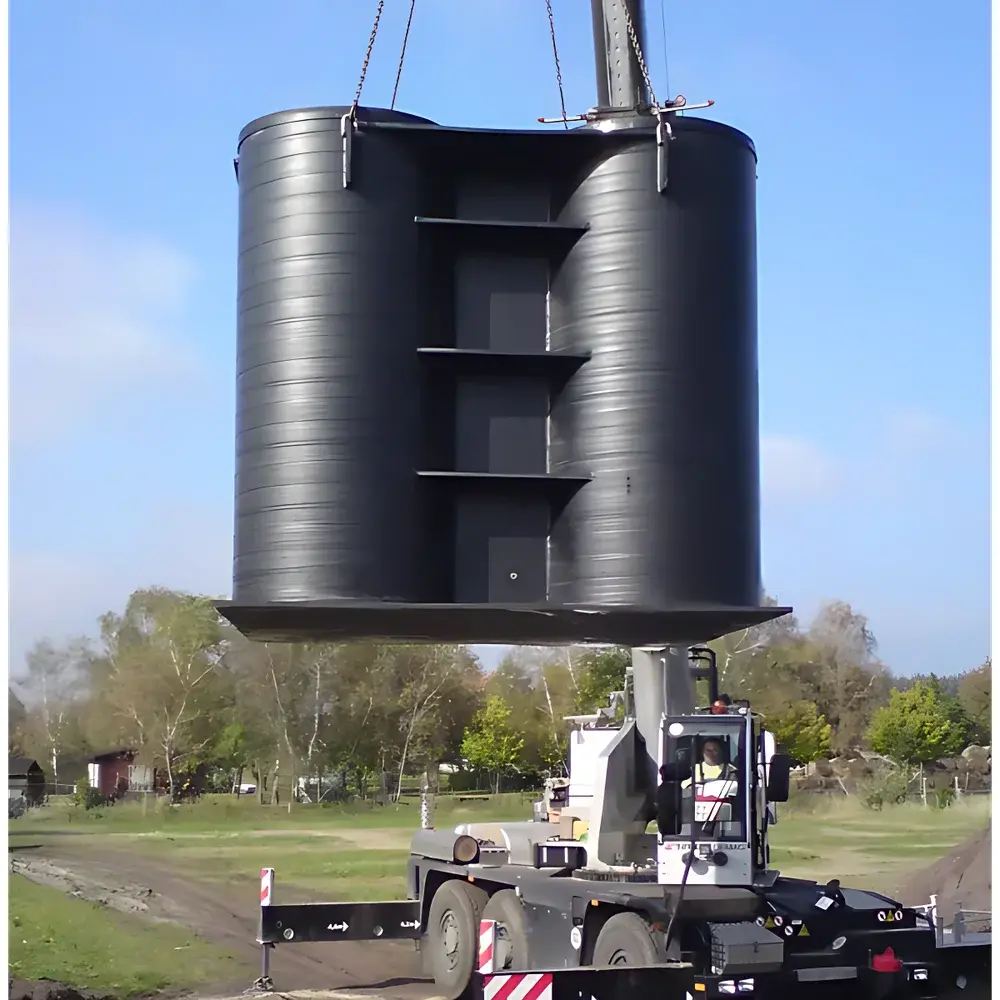
- HDPE monolithic chamber (200 cm height, 40 mm wall thickness, 1500 kg mass) provides thermal inertia and structural rigidity to minimize diurnal expansion/contraction artifacts.
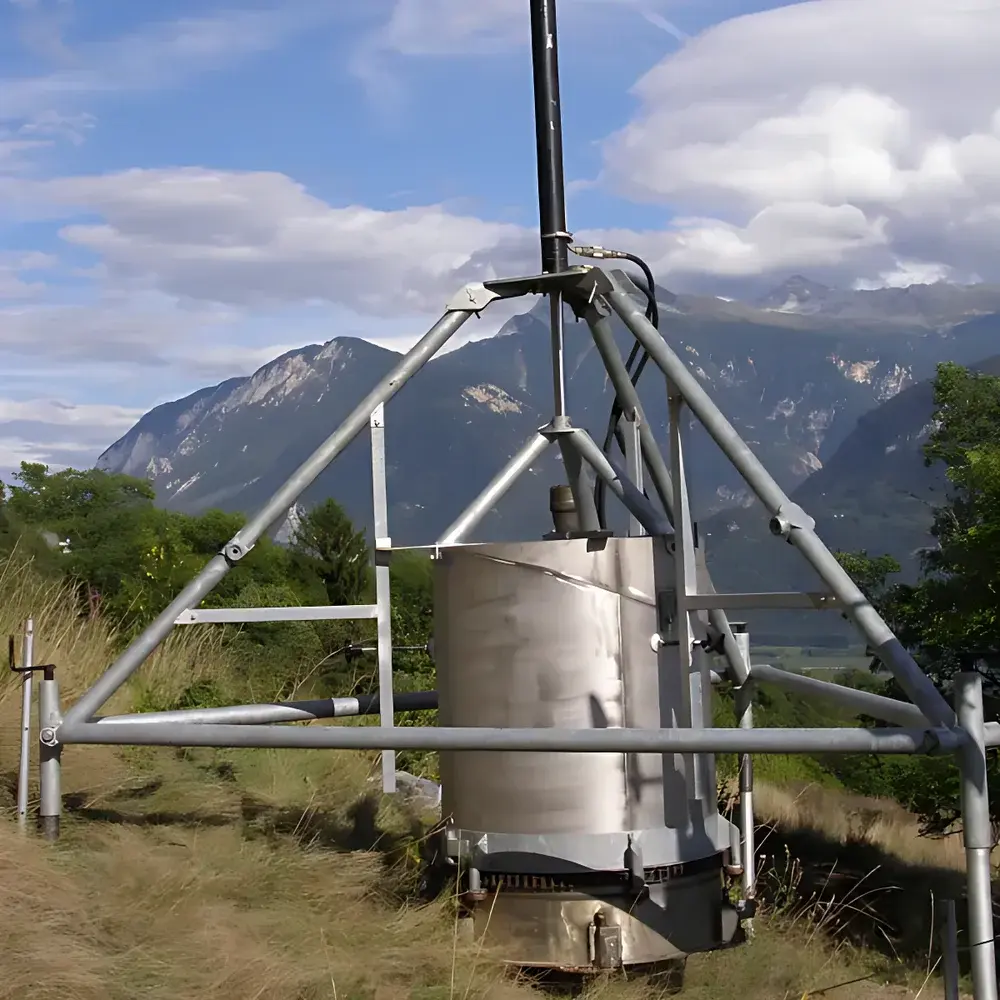
- Stainless steel lysimeter column (1 m² cross-section, 170 cm height, 8 mm wall) with factory-calibrated zero-torque soil coring mechanism for non-destructive in-situ monolith extraction.
- Three OIML C3-certified, IP68-rated shear-beam load cells (2500 kg capacity, 0.01 mm resolution) mounted on reinforced concrete foundation piers with independent thermal isolation.
- Modular sensor integration: UMP-1 multi-parameter probes (VWC, θv; temperature; bulk EC) and Tensio160 tensiometers (±0.3 kPa accuracy, auto-refill design) installed at up to six vertical depths.
- DL-105 data logger with 32 analog inputs, 15-bit ADC, internal RTC, RS232 interface, and local LCD display — compliant with GLP data integrity requirements including timestamped event logging and write-protected memory.
Sample Compatibility & Compliance
The Model 800 accommodates intact soil monoliths extracted from natural wetland, riparian, or hillslope environments using UGT’s patented low-disturbance coring system. Its mechanical design permits installation on slopes up to 35° without compromising weighing stability or hydraulic boundary fidelity. The system meets international metrological standards per OIML R60 (Class C3) for static and dynamic load measurement, and conforms to ISO 11274 (soil water retention curve determination), ASTM D5859 (field lysimeter installation), and EU Regulation (EC) No 765/2008 for conformity assessment of environmental instrumentation. All embedded firmware and UGT-Log software support audit trail functionality in accordance with FDA 21 CFR Part 11 for regulated environmental monitoring applications requiring traceability and electronic signature capability.
Software & Data Management
UGT-Log v5.x serves as the central control and analysis environment for the Model 800. It enables remote parameter configuration, real-time visualization of all sensor streams (including live weight trends, groundwater level deviations, and soil moisture profiles), and automated generation of daily water balance reports. Raw data are stored in binary format with embedded calibration metadata and CRC checksums; export options include CSV, NetCDF4, and SQL-compatible schemas. Time-series datasets support post-acquisition gap-filling algorithms based on Penman-Monteith reference ET interpolation and mass-balance constraint optimization. For long-term deployments, the system supports scheduled firmware updates over secure SSH connections and encrypted SD card backups synchronized via LTE/WiFi gateways. All data handling workflows comply with FAIR principles (Findable, Accessible, Interoperable, Reusable) and integrate natively with ICOS (Integrated Carbon Observation System) and eLTER (Long-Term Ecosystem Research) data portals.
Applications
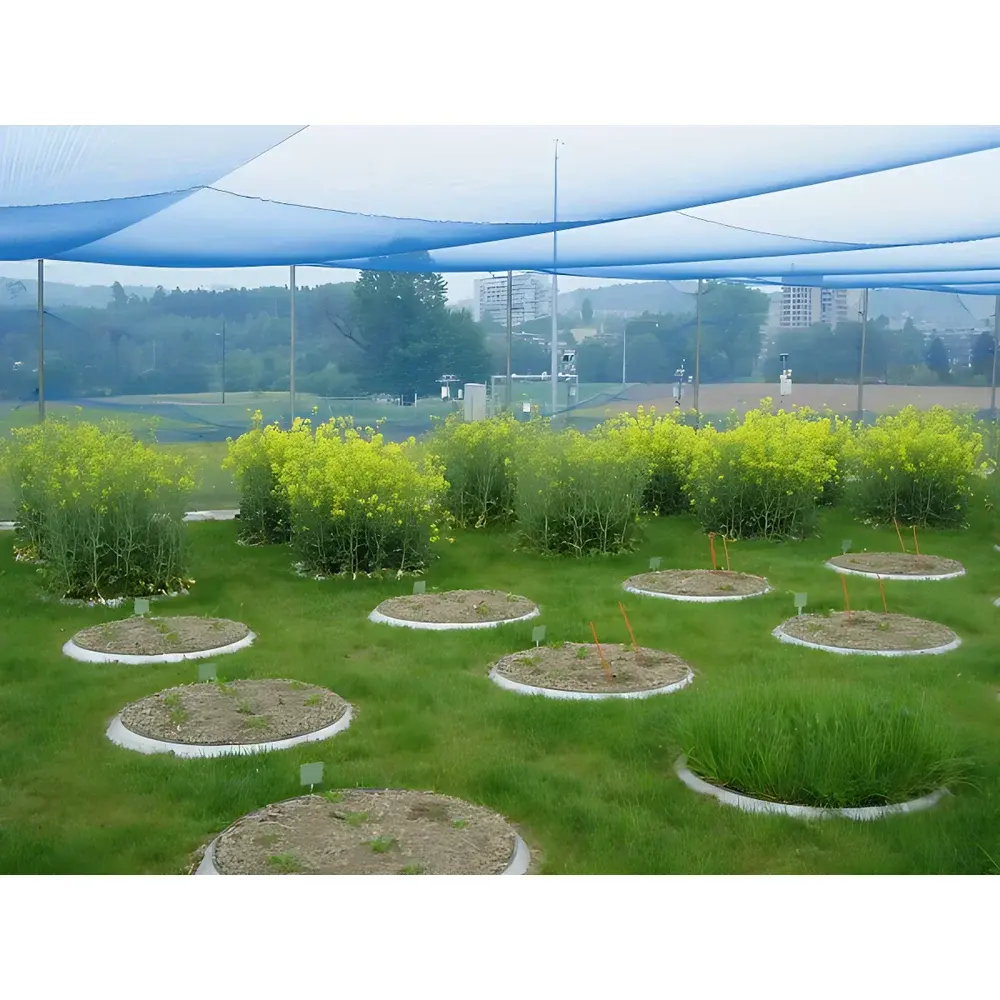
- Quantifying ecohydrological partitioning of rainfall into evapotranspiration, deep percolation, and lateral flow in groundwater-fed wetlands and floodplain forests.
- Evaluating land-use change impacts on soil water storage dynamics and nitrate leaching under managed grassland or afforested slopes.
- Validating coupled land surface–groundwater models (e.g., HYDRUS-1D, ParFlow) using high-temporal-resolution (1-min) mass-balance residuals.
- Assessing climate-driven shifts in soil desiccation thresholds and hysteresis effects in unsaturated zone transport.
- Supporting regulatory compliance monitoring for agricultural nutrient management plans (NMPs) and EU Water Framework Directive (WFD) reporting requirements.
- Calibrating remote sensing-based ET products (e.g., METRIC, SSEBop) through ground-truthed latent heat flux estimation.
FAQ
What distinguishes the Model 800 from conventional lysimeters?
It uniquely combines autonomous groundwater level replication, sub-millimeter gravimetric resolution, and integrated multi-depth soil hydrometric profiling — enabling true process-based representation of saturated-unsaturated zone coupling.
Can the system operate unattended for extended field campaigns?
Yes. With solar-charged battery banks, LTE telemetry, and sealed IP68 electronics, deployments exceeding 12 months are routinely achieved across Arctic, alpine, and tropical sites.
Is the groundwater control system compatible with variable-density aquifers?
The dual-channel servo-valve architecture supports both freshwater and brackish interfaces; optional salinity-compensated pressure transducers are available for coastal or estuarine applications.
How is sensor calibration traceability maintained?
All UMP-1 and Tensio160 units ship with NIST-traceable calibration certificates; field recalibration protocols are embedded in UGT-Log and generate versioned calibration logs with operator signatures.
Does the system support integration with third-party analytical platforms?
Yes. DL-105 provides Modbus TCP and ASCII serial output; Quicklizer online analyzers (NO3−, NH4+) and FlowSIS flow injection systems connect directly via configurable analog/digital I/O channels.







