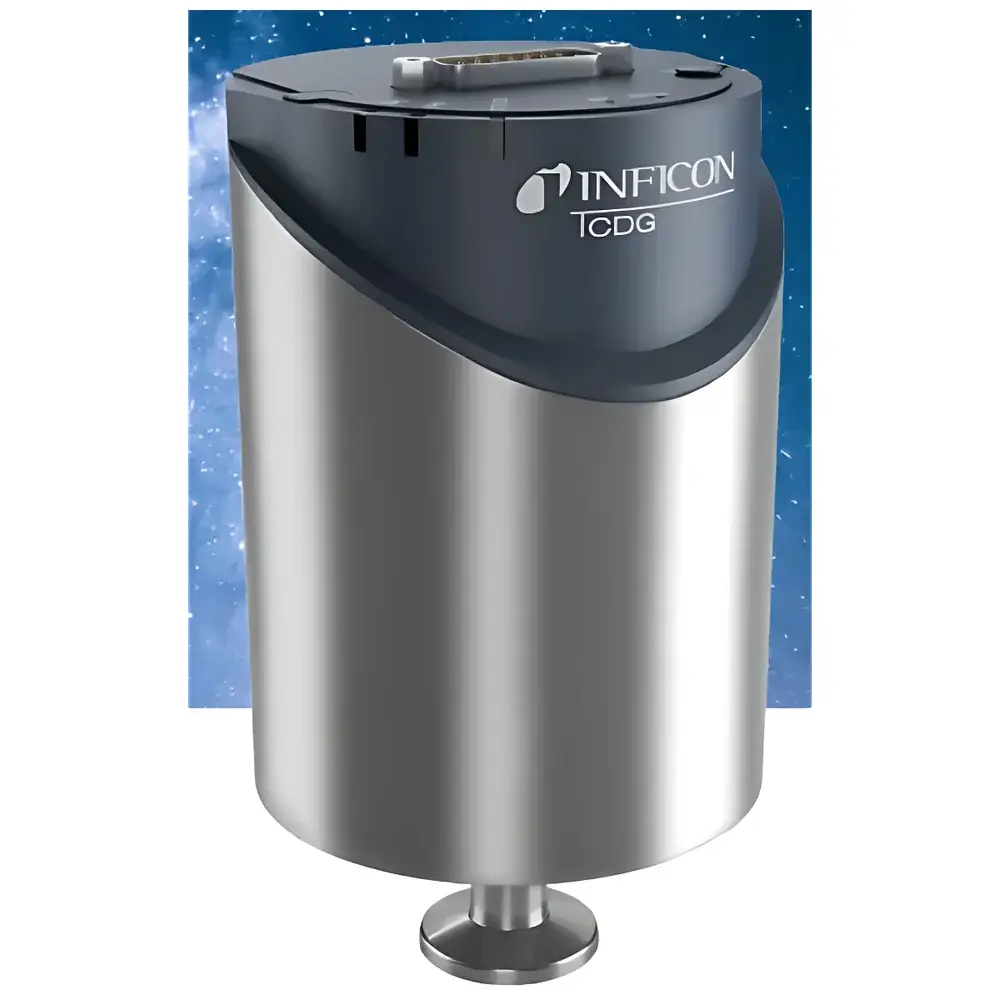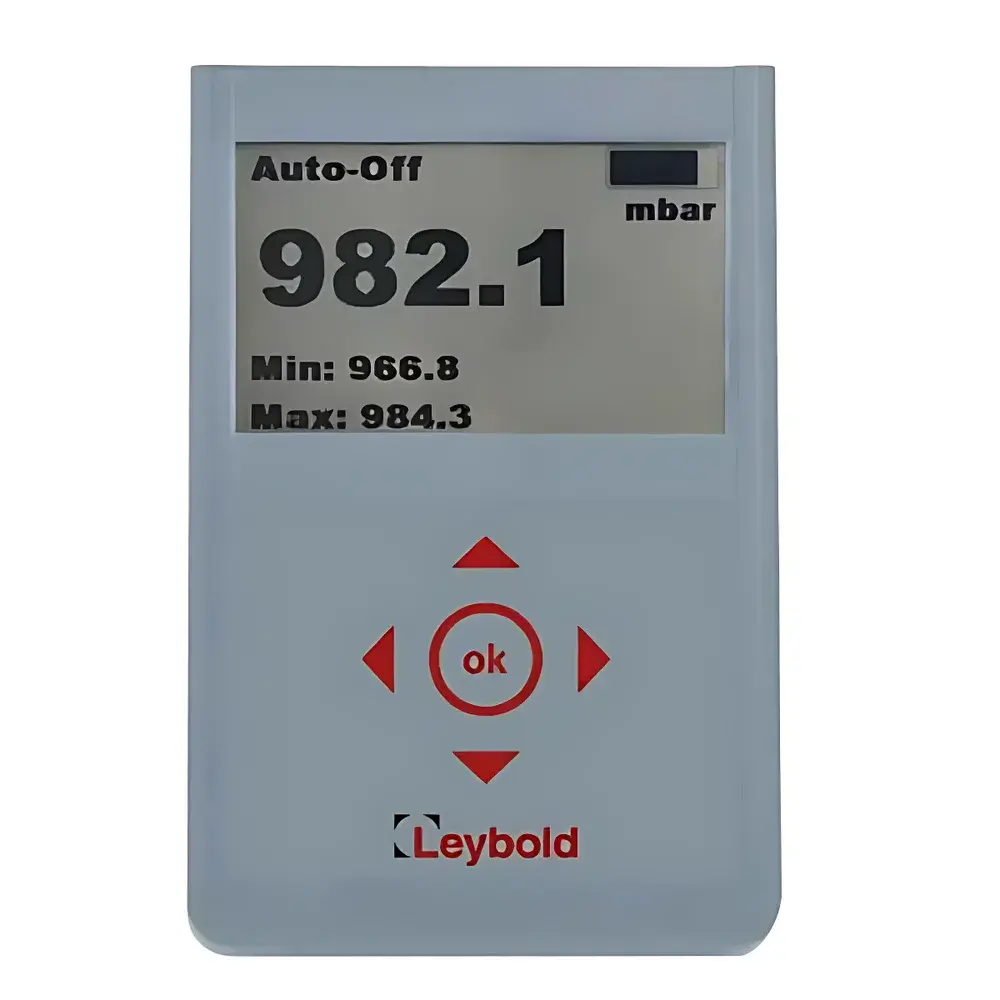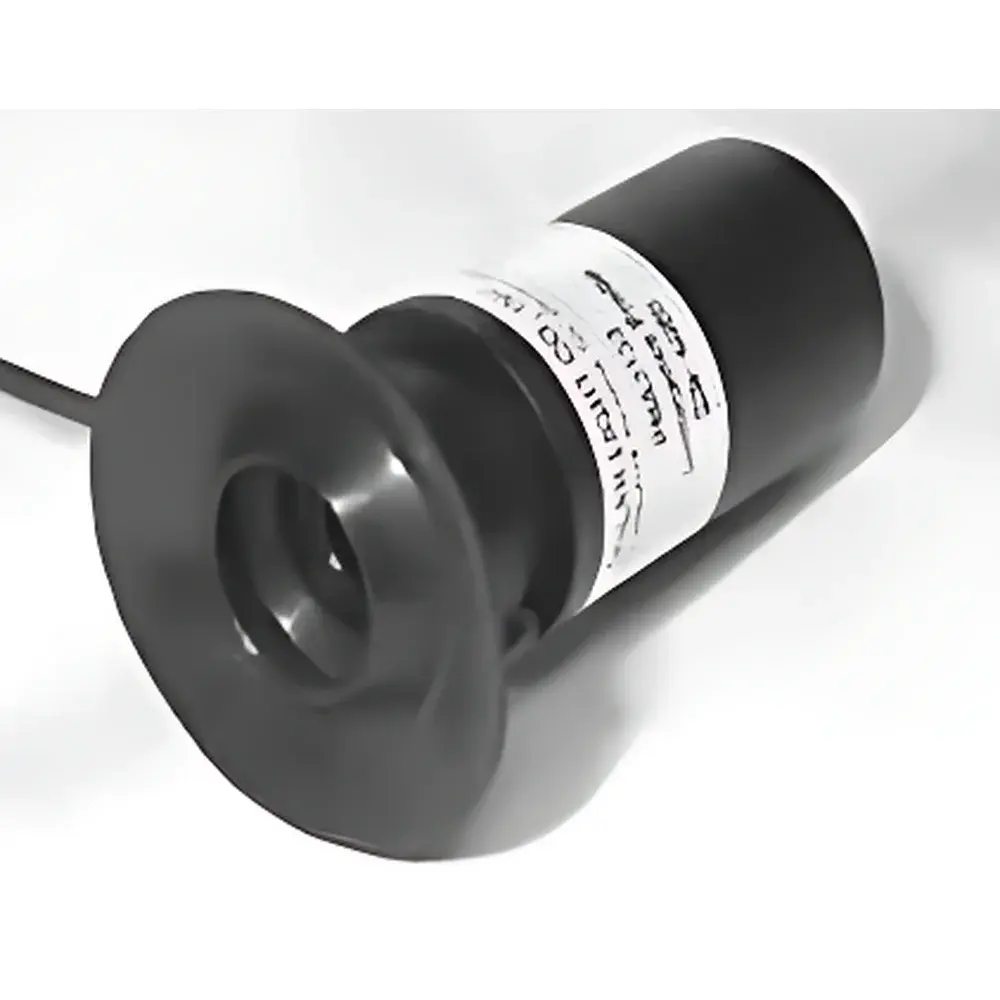
Solar Light PMA2133 Photopic Luminance Detector
| Brand | Solar Light |
|---|---|
| Origin | USA |
| Manufacturer Type | Authorized Distributor |
| Origin Category | Imported |
| Model | PMA2133 |
| Price | Upon Request |
| Spectral Response | CIE Photopic Luminosity Function (400–700 nm) |
| Field of View | 8° |
| Measurement Range | 0–6,800 cd/m² (0–2,000 fL) |
| Display Resolution | 0.01 cd/m² or 0.01 fL |
| Operating Temperature | 0–50 °C (32–120 °F) |
| Cable Length | 1.5 m |
| Diameter | 40.6 mm |
| Height | 81.3 mm |
| Weight | 110 g |
| Calibration | NIST-traceable |
Overview
The Solar Light PMA2133 Photopic Luminance Detector is a precision portable instrument engineered for quantitative measurement of luminance—defined as luminous intensity per unit projected area in a specified direction—according to the CIE 1931 photopic luminosity function. Its spectral responsivity is rigorously matched to the standardized V(λ) curve, which models human photopic (daylight-adapted) vision with peak sensitivity at 555 nm and normalized unity at that wavelength. This alignment ensures metrologically valid luminance values expressed in SI units (cd/m²) or imperial equivalents (fL), where 1 fL = 3.426 cd/m². The detector employs a silicon photodiode coupled with a custom interference filter stack and precision cosine-corrected diffuser to minimize angular response error across its 8° full field of view. Designed for laboratory, production floor, and field deployment, the PMA2133 delivers repeatable, traceable measurements under ambient conditions ranging from 0 to 50 °C.
Key Features
- CIE-compliant photopic spectral response (400–700 nm), certified against ISO/CIE 11664-1 and CIE Publication 15:2018
- Integrated cosine correction achieving <±2% f2 angular response error per CIE Technical Report 177:2006
- High dynamic range spanning 0–6,800 cd/m² (0–2,000 fL) with 0.01 cd/m² resolution at all ranges
- NIST-traceable factory calibration with documented uncertainty budget and certificate of calibration valid for 12 months
- Compact, handheld form factor (40.6 mm diameter × 81.3 mm height, 110 g) optimized for ergonomic operation and minimal thermal drift
- Stable long-term performance verified via accelerated aging tests; typical drift <0.3% per 1,000 hours of continuous operation
Sample Compatibility & Compliance
The PMA2133 is compatible with planar and curved emissive surfaces including CRTs, LCDs, OLEDs, LED signage, automotive displays, and architectural lighting fixtures. Its 8° field of view enables targeted spot measurement without spatial averaging artifacts common in wide-angle sensors. The instrument conforms to international photometric standards including CIE S 014-1/E:2022 (Photometry — Part 1: Absolute and Relative Luminance), ISO 9241-305:2016 (Ergonomics of human-system interaction — Part 305: Optical radiation safety and energy efficiency of displays), and ASTM E308-22 (Standard Practice for Computing the Colors of Objects by Using the CIE System). It supports GLP-compliant workflows through documented calibration history and environmental condition logging during use.
Software & Data Management
While the PMA2133 operates as a standalone meter with analog/digital output capability, it integrates seamlessly with Solar Light’s PMA Series software suite (v5.2+) for data acquisition, statistical analysis, and report generation. Software features include real-time trend plotting, pass/fail thresholding per user-defined limits, batch export to CSV/Excel, and audit trail functionality compliant with FDA 21 CFR Part 11 requirements when deployed on validated systems. All calibration parameters—including spectral deviation tables, temperature compensation coefficients, and linearity corrections—are embedded in firmware and automatically applied during measurement.
Applications
- Quality assurance of display luminance uniformity and contrast ratio in manufacturing environments (e.g., TFT-LCD panel inspection)
- Verification of regulatory compliance for automotive interior lighting (SAE J1383, ISO 15008)
- Validation of visual ergonomics in control room and cockpit design per ISO 9241-303
- Photometric characterization of medical display devices subject to DICOM GSDF and IEC 62563-1 standards
- Field verification of outdoor digital signage brightness under varying ambient illuminance conditions
- Research-grade luminance mapping in human factors and vision science laboratories
FAQ
Is the PMA2133 suitable for measuring OLED microdisplay luminance?
Yes—the detector’s high sensitivity (down to 0.01 cd/m²) and low noise floor enable accurate measurement of low-luminance microdisplays, provided the 8° field of view fully encompasses the active emission area.
Does the instrument require periodic recalibration?
NIST-traceable calibration is recommended annually or after any mechanical shock or exposure beyond specified operating limits; Solar Light provides accredited recalibration services with full uncertainty reporting.
Can the PMA2133 measure pulsed or modulated light sources?
It is designed for steady-state luminance measurement; for time-resolved photometry of PWM-driven LEDs or flickering displays, a dedicated fast-response photometer with ≥1 kHz bandwidth is required.
How is cosine correction validated?
Each unit undergoes angular responsivity testing at ±0°, ±10°, ±20°, ±30°, ±40°, and ±50° per CIE TR 177:2006, with correction factors stored in device memory and applied in real time.
Is firmware upgradable in the field?
Yes—firmware updates are delivered via USB interface using Solar Light’s PMA Utility software and include enhancements to linearity algorithms, temperature compensation models, and compliance reporting templates.