Solar Light PMA2140 Full-Spectrum Radiometer
| Brand | Solar Light |
|---|---|
| Origin | USA |
| Model | PMA2140 |
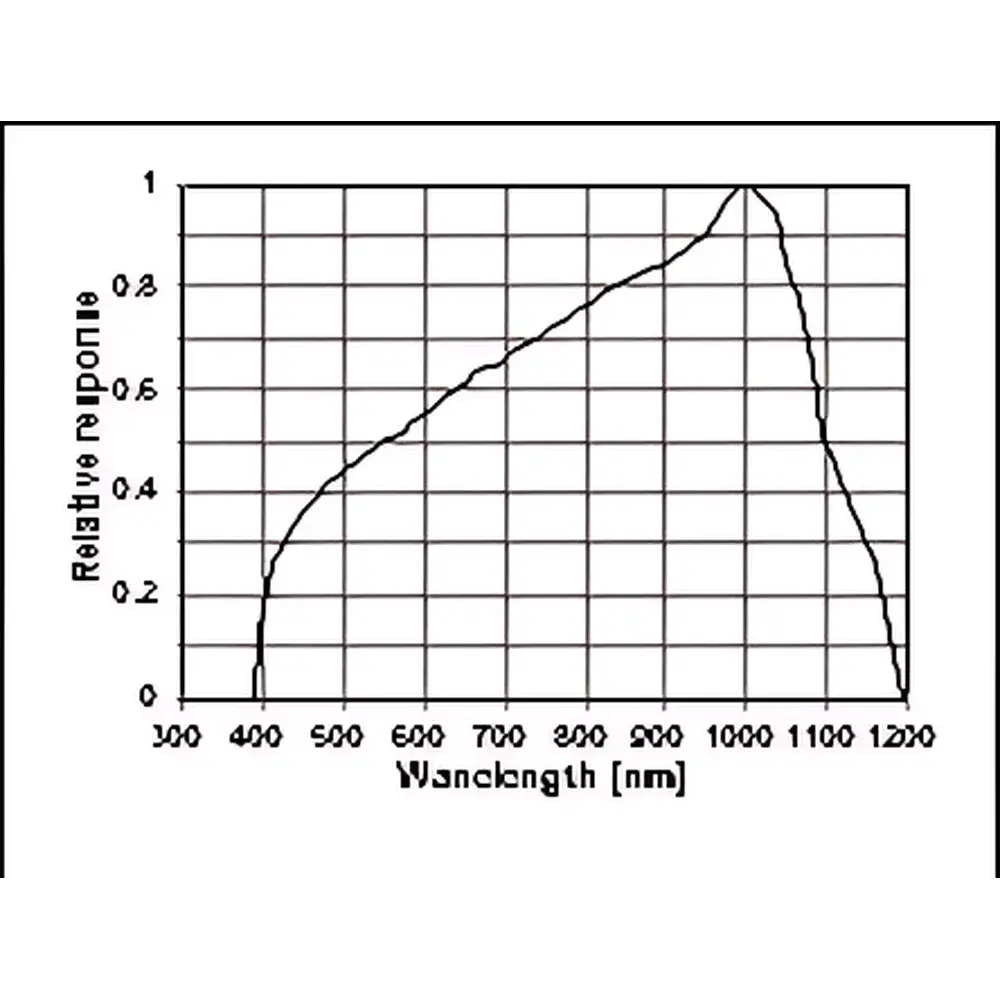
| Spectral Range | 400–1100 nm |
| Cosine Response Error | ≤5% for incident angles <60° |
| Irradiance Range | 0–2000 W/m² |
| Display Resolution | 0.01 W/m² |
| Operating Temperature | 0 to +50 °C (non-condensing) |
| Cable Length | 0.3 m (standard), extendable to 1.5 m |
| Diameter | 40.6 mm |
| Height | 45.8 mm |
| Weight | 200 g |
| Calibration | NIST-traceable |
Overview
The Solar Light PMA2140 Full-Spectrum Radiometer is a precision photodiode-based radiometric sensor engineered for accurate, real-time measurement of broadband solar irradiance across the 400–1100 nm spectral band. Unlike thermopile-based instruments, the PMA2140 employs a silicon photodiode with spectrally tailored optical filtering and integrated cosine-corrected diffuser to deliver high signal-to-noise ratio measurements under natural or artificial illumination conditions. Its design targets applications where cost-effective, stable, and field-deployable irradiance monitoring is required—without the need for thermal equilibrium or extended warm-up periods typical of thermal detectors. The instrument conforms to fundamental radiometric principles defined in ISO/CIE standards for spectral responsivity and angular response, making it suitable for routine environmental and laboratory-grade irradiance quantification.
Key Features
- Optimized Spectral Response: Engineered for uniform responsivity from 400 nm (violet edge of visible spectrum) to 1100 nm (near-infrared), covering photosynthetically active radiation (PAR), solar-weighted UV-A, and critical NIR bands relevant to photovoltaic performance and thermal load modeling.
- Cosine-Corrected Optical Head: Precision-machined diffuser ensures angular response deviation ≤5% up to 60° from normal incidence—meeting ISO 9060:2018 Class C requirements for secondary standard pyranometers in non-critical solar monitoring contexts.
- NIST-Traceable Calibration: Each unit is individually calibrated against reference standards maintained at Solar Light’s A2LA-accredited calibration laboratory (ISO/IEC 17025:2017), with full uncertainty budget documentation provided per measurement point.
- Long-Term Stability: Photodiode architecture and hermetically sealed housing minimize drift; typical output stability is <±0.5% per year under continuous outdoor exposure when operated within specified temperature and humidity limits.
- High-Resolution Digital Readout: Integrated display resolves irradiance values to 0.01 W/m² across the full 0–2000 W/m² dynamic range, supporting both analog voltage output (0–2 V) and digital RS-232 interface for external data acquisition systems.
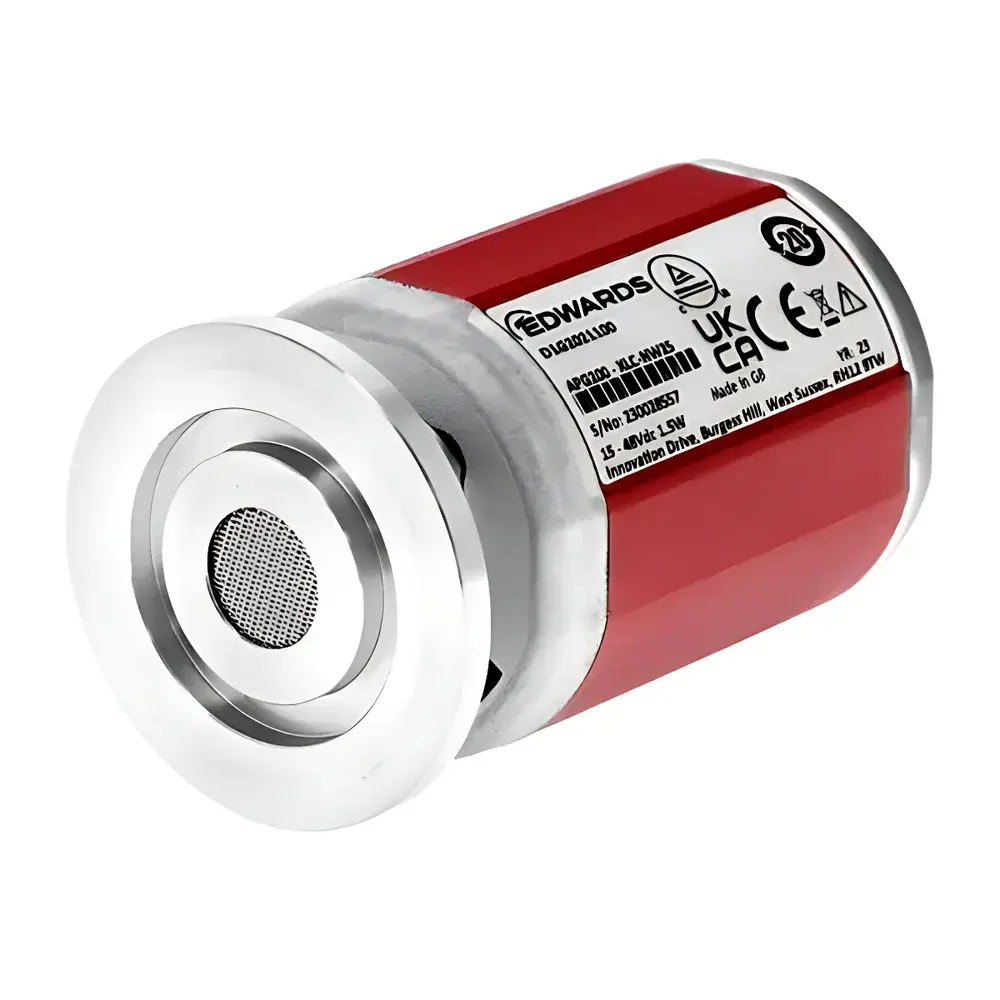
- Compact & Rugged Form Factor: Cylindrical aluminum housing (40.6 mm diameter × 45.8 mm height, 200 g) enables mounting on tripods, weather stations, or optical benches without mechanical interference or thermal mass artifacts.
Sample Compatibility & Compliance
The PMA2140 is compatible with planar, diffuse, and direct-beam irradiance sources—including terrestrial sunlight, xenon arc lamps, LED arrays, and halogen projectors—provided spectral output falls within its calibrated range. It is not intended for use with pulsed lasers, monochromatic sources below 400 nm or above 1100 nm, or environments involving condensation, sub-zero temperatures, or abrasive particulates. The device complies with IEC 61215 and IEC 61730 for PV module testing support, and its calibration traceability satisfies GLP documentation requirements for environmental monitoring programs. While not certified as a primary standard per ISO 9060:2018 Class A or B, it meets functional equivalency for Class C applications including agricultural PAR mapping, HVAC solar gain analysis, and educational optics laboratories.
Software & Data Management
The PMA2140 supports bidirectional RS-232 communication via included terminal software (Windows-compatible) for real-time logging, timestamped data export (CSV/TXT), and user-defined averaging intervals (1 s to 60 min). Raw voltage outputs can be interfaced with third-party DAQ systems (e.g., National Instruments, Campbell Scientific CR series) using standard 0–2 V scaling. All calibration coefficients—including spectral correction factors and temperature compensation polynomials—are embedded in firmware and accessible via command query. Audit trails, user authentication, and electronic signature capabilities are not natively supported; however, integration with LIMS platforms compliant with FDA 21 CFR Part 11 is achievable through middleware configuration when paired with validated external data servers.
Applications
- Meteorological Monitoring: Integration into automated weather stations for global horizontal irradiance (GHI) time-series collection, supporting solar resource assessment and climate model validation.
- Agricultural Science: Quantifying photosynthetic photon flux density (PPFD)-equivalent irradiance for greenhouse light management and crop growth modeling.
- Solar Energy Research: Performance benchmarking of photovoltaic modules and concentrator systems under natural illumination, especially where rapid-response capability outweighs absolute thermopile-class accuracy.
- HVAC System Commissioning: Measuring solar heat gain through glazing assemblies and façade elements to validate building energy simulation inputs.
- Physics & Optics Education: Demonstrating radiometric concepts—including spectral weighting, cosine law, and detector linearity—in undergraduate laboratory curricula.
FAQ
Is the PMA2140 suitable for UV-B (280–315 nm) measurements?
No. Its spectral cutoff begins at 400 nm; dedicated UV-B radiometers with quartz optics and solar-blind photodiodes are required for that range.
Can the cable be extended beyond 5 ft without signal degradation?
Yes, but shielded twisted-pair extension cables with impedance matching and proper grounding are recommended to maintain signal integrity beyond 1.5 m.
Does the unit require periodic recalibration?
Annual recalibration is recommended for applications demanding metrological continuity; Solar Light offers factory recalibration with updated NIST-traceable certificates.
What is the maximum permissible relative humidity for continuous outdoor operation?
The sensor is rated for non-condensing environments only; sustained RH >90% at temperatures near dew point may compromise long-term diffuser transmission.
Is the display backlit for low-light field use?
No. The LCD operates passively and relies on ambient illumination; supplemental lighting is advised during twilight or indoor low-light deployments.