
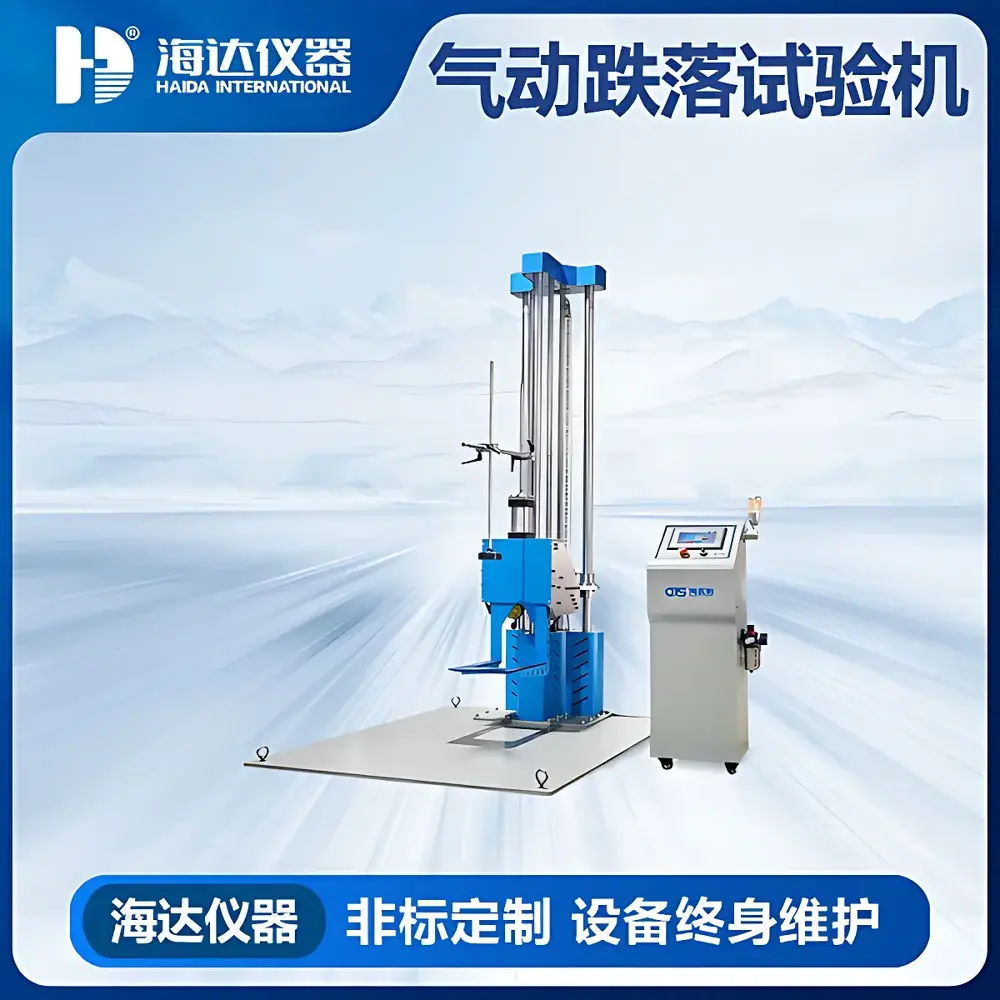
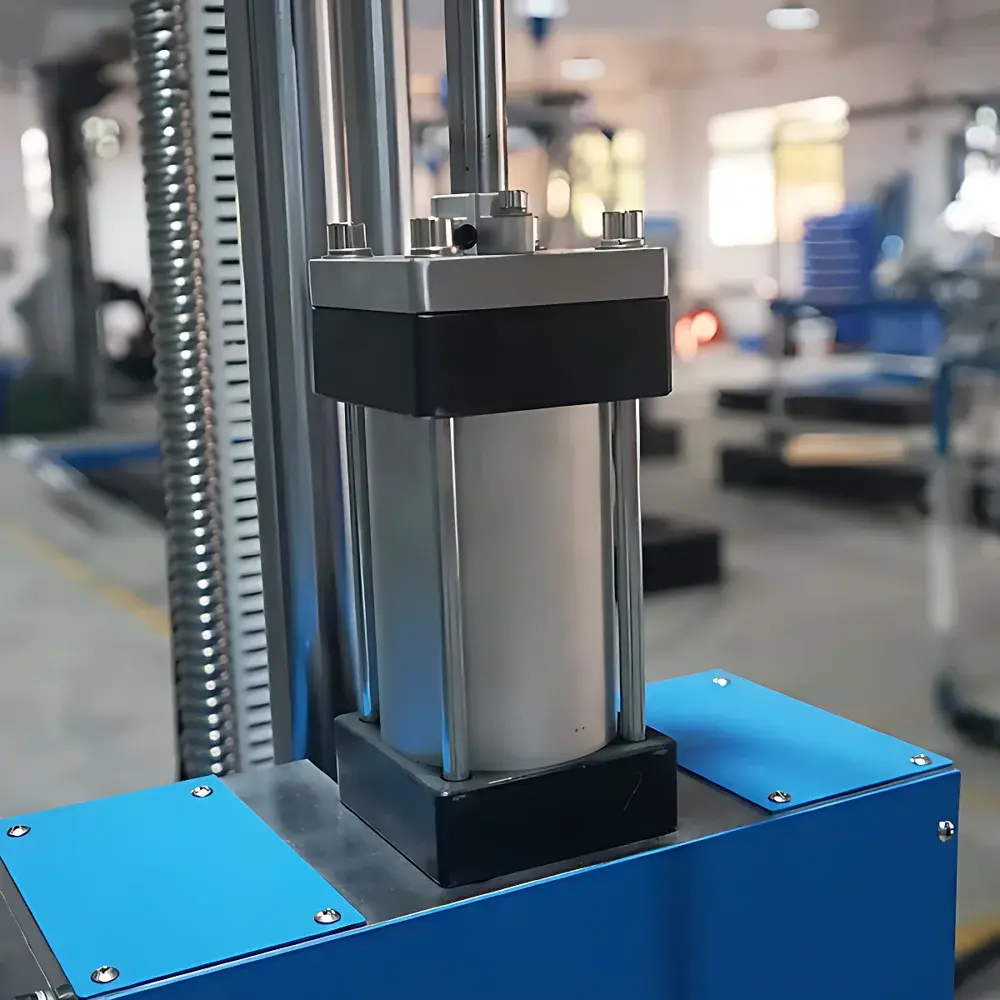
HAIDA HD-A520-Q Pneumatic Single-Arm Drop Tester
| Brand | HAIDA INTERNATIONAL |
|---|---|
| Origin | Guangdong, China |
| Manufacturer Type | Direct Manufacturer |
| Model | HD-A520-Q |
| Drop Height Range | 300–1800 mm |
| Maximum Test Specimen Weight | 0–100 kg |
| Maximum Specimen Dimensions (Face/Edge) | 800 mm × 800 mm × 700 mm (L×W×H) |
| Maximum Specimen Dimensions (Corner) | 550 mm × 550 mm × 500 mm (L×W×H) |
| Base Platform Dimensions | ≈1200 mm × 1700 mm × 2400 mm (L×W×H) |
| Max Extended Height | 3900 mm |
| Height Accuracy | ≤1% |
| Motor | 200 W Variable-Speed Motor |
| Control System | PLC with Touchscreen HMI |
| Power Supply | 1Ø AC 220 V, 250 W |
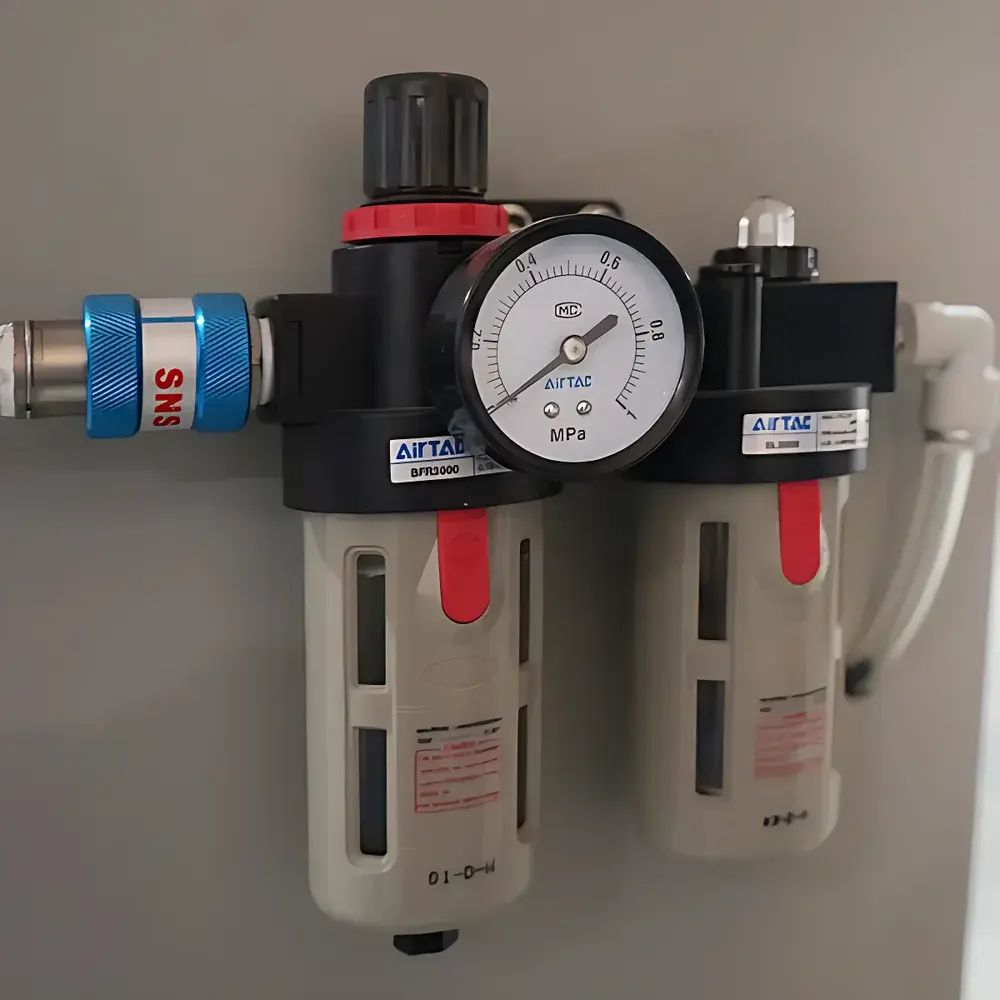
| Air Supply Requirement | ≥0.6 MPa |
| Net Weight | ≈600 kg |
| Compliance Standards | ISO 2248, GB/T 4857.5–1992, JIS Z0202–1994 |
Overview
The HAIDA HD-A520-Q Pneumatic Single-Arm Drop Tester is an engineered solution for evaluating the structural integrity and impact resistance of packaged goods under controlled free-fall conditions. Designed in accordance with internationally recognized drop testing methodologies, it simulates real-world handling stresses encountered during logistics—including warehouse stacking, manual loading/unloading, and last-mile delivery impacts. The instrument operates on a gravity-driven free-fall principle, where test specimens are elevated to a preset height and released without mechanical interference, ensuring true kinetic energy transfer upon impact. Its pneumatic release mechanism eliminates timing variability associated with solenoid or electromagnetic triggers, while the precision-guided single-arm lifting structure minimizes lateral oscillation—critical for repeatable corner, edge, and face-drop orientation testing.
Key Features
- Single-arm dual-column mechanical architecture with integrated pneumatic reset and controlled drop actuation—enabling rapid cycle times and operator safety.
- High-accuracy height positioning system using industrial-grade rotary encoder feedback and digital height display; achieves ≤1% deviation between set and actual drop height.
- Ball-screw vertical drive system replaces traditional chain or belt transmission, delivering smooth elevation, reduced vibration, and enhanced long-term dimensional stability.
- Integrated mechanical buffer assembly absorbs kinetic energy from the specimen carrier upon return stroke, protecting load-bearing components and extending service life.
- PLC-based control core with intuitive 7-inch resistive touchscreen HMI for parameter configuration—including drop height (300–1800 mm), drop count (1–999 cycles), drop sequence (face/edge/corner), and dwell time between drops.
- Dual-layer safety architecture: hardware limit switches prevent over-travel, while ground-fault circuit interrupters (GFCI) and emergency stop circuits comply with IEC 61000-6-2 EMC and IEC 60204-1 machine safety directives.
Sample Compatibility & Compliance
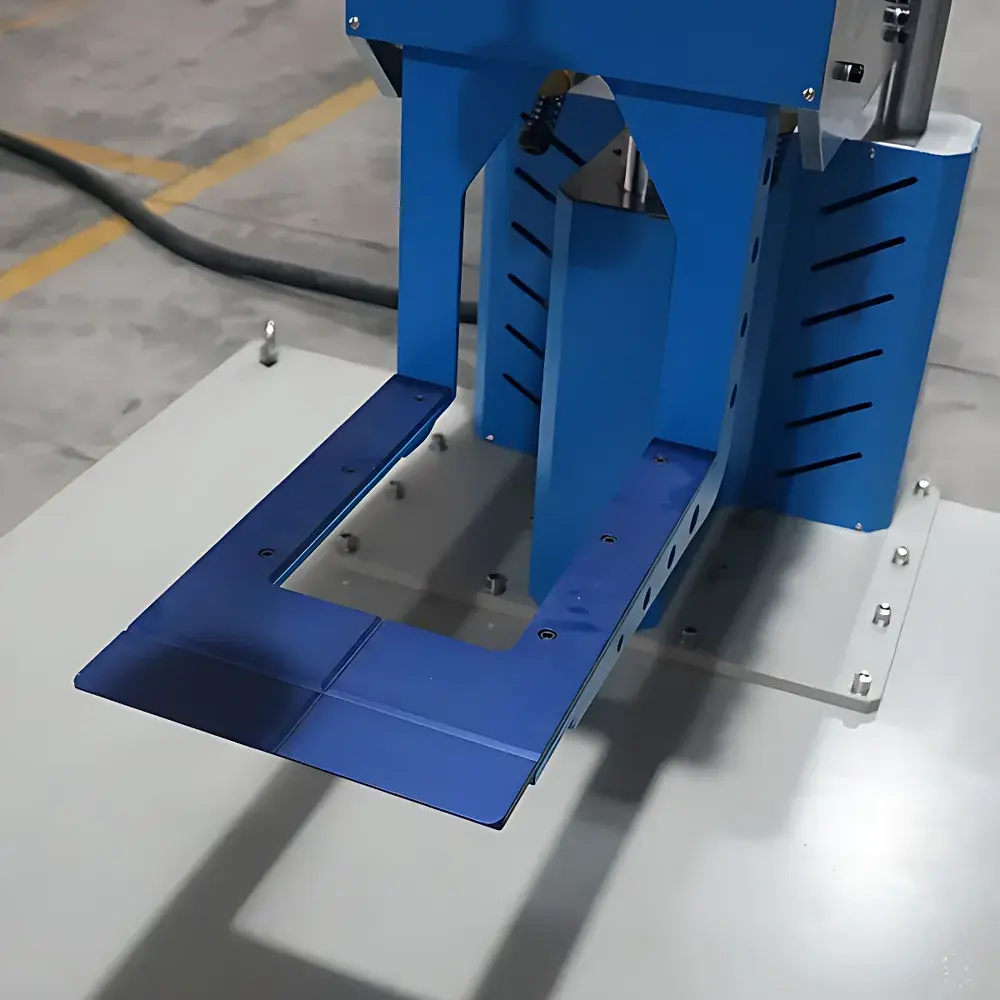
The HD-A520-Q accommodates specimens up to 100 kg mass and 800 mm × 800 mm × 700 mm (L×W×H) for face/edge drops—or 550 mm × 550 mm × 500 mm for corner drops—ensuring compatibility with standard shipping cartons, palletized loads, and consumer electronics packaging. The impact base platform (1200 mm × 1700 mm × 2400 mm) provides ample clearance for oversized packages and supports optional impact surface customization (e.g., steel, plywood, or rubber-faced plates per ASTM D5276 requirements). The system is validated against ISO 2248 (packaging—full immersion drop test), GB/T 4857.5–1992 (Chinese national standard for packaging drop testing), and JIS Z0202–1994 (Japanese industrial standard for transport packaging strength evaluation). It supports full traceability documentation required for ISO 9001:2015 internal audits and supplier qualification programs.
Software & Data Management
The embedded PLC firmware records all test parameters—including timestamp, target height, actual measured height, number of drops executed, and operational status flags—in non-volatile memory. Data export is supported via USB 2.0 interface in CSV format for integration into LIMS or QA databases. While the base system does not include FDA 21 CFR Part 11-compliant electronic signatures or audit trail functionality, optional firmware upgrades enable GLP/GMP-aligned data integrity features—including user-level access control, change history logging, and tamper-evident report generation—upon request. All firmware updates are delivered through secure, password-protected HAIDA engineering portals with version-controlled release notes.
Applications
This tester serves quality assurance laboratories in packaging development, third-party certification bodies, and manufacturing sites producing consumer electronics, pharmaceutical secondary packaging, e-commerce fulfillment units, and automotive component shippers. Typical use cases include validating corrugated box compression strength prior to ISTA 3A certification, verifying cushioning performance of molded pulp inserts, assessing seal integrity of medical device pouches after simulated distribution shocks, and benchmarking reusable transit container durability across multiple drop orientations. Its modular design allows integration into automated test lines via RS-485 Modbus RTU communication for synchronized operation with barcode scanners and conveyor control systems.
FAQ
What air pressure is required for stable operation?
A minimum regulated supply of 0.6 MPa (6 bar) is required at the inlet port; recommended upstream filtration (5 µm) and moisture separation are advised to prevent pneumatic valve clogging.
Can the HD-A520-Q perform sequential multi-orientation drops within one test program?
Yes—the PLC controller supports programmable drop sequences (e.g., 3 face drops → 2 edge drops → 1 corner drop) with independent height settings per orientation.
Is calibration certification included with shipment?
Each unit ships with a factory-verified height calibration report traceable to NIM (National Institute of Metrology, China); external recalibration services are available annually through HAIDA’s accredited metrology partners.
What is the maximum allowable specimen center-of-gravity offset during corner drop setup?
For reliable repeatability, the specimen’s geometric center must align within ±15 mm of the drop arm’s pivot axis; alignment jigs and adjustable clamping fixtures are supplied as standard.
Does the system support remote diagnostics or firmware updates over Ethernet?
Standard configuration includes only USB and RS-485 interfaces; Ethernet/IP or Modbus TCP modules are available as factory-installed options for Industry 4.0 integration.



