
LESHI 9100CAL-F High-Precision Automated Gas Dilution and Calibration System
| Brand | LESHI |
|---|---|
| Origin | Beijing, China |
| Model | 9100CAL-F |
| Compliance | GB/T 5275.7–2014 (Dynamic Volumetric Method for Preparation of Calibration Gas Mixtures) |
| Flow Control Principle | Thermal Mass Flow Control (MFC) |
| Accuracy | ±0.1% of full scale (standard range) |
| Concentration Units | ppm, mg/m³, %Vol (software-switchable) |
| Humidity & Temperature Control | Integrated vaporizer with temperature lockout safety logic |
| Corrosive Gas Compatibility | HF, HCl, and other acid vapors via direct liquid injection + micro-steam generation |
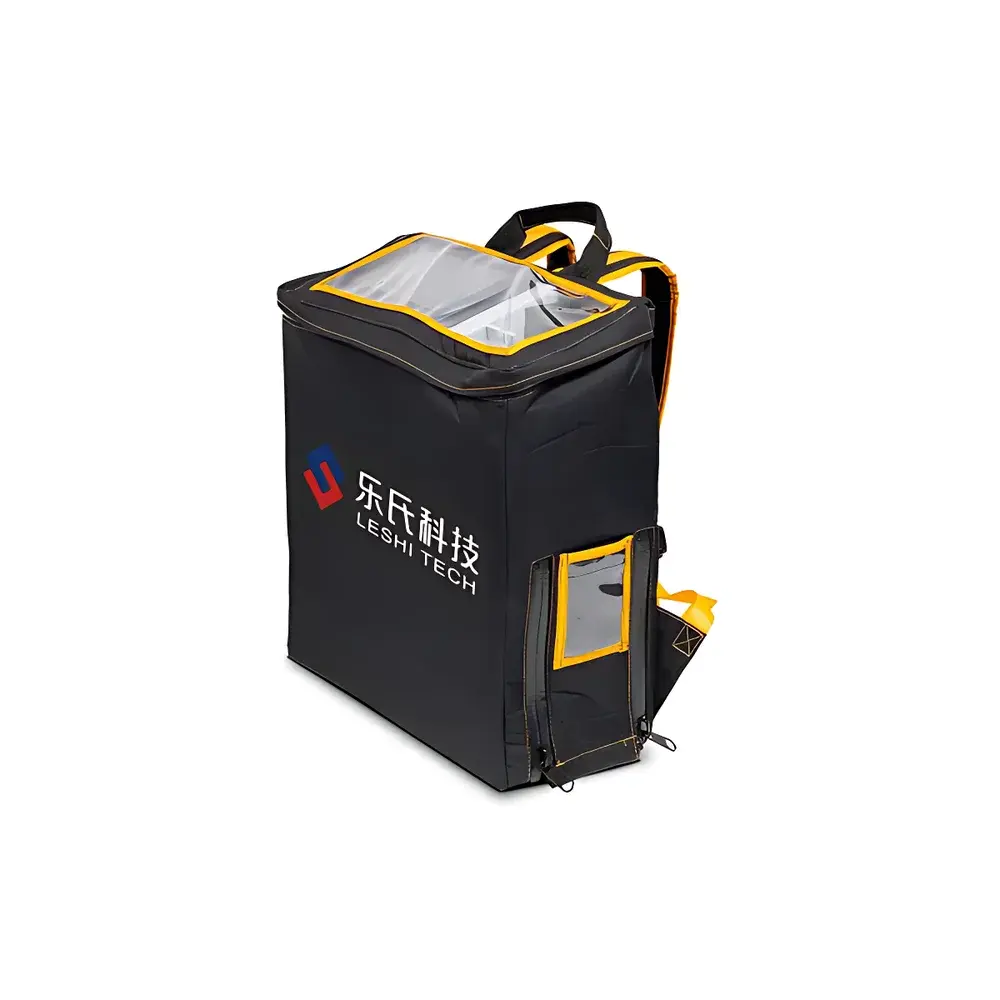
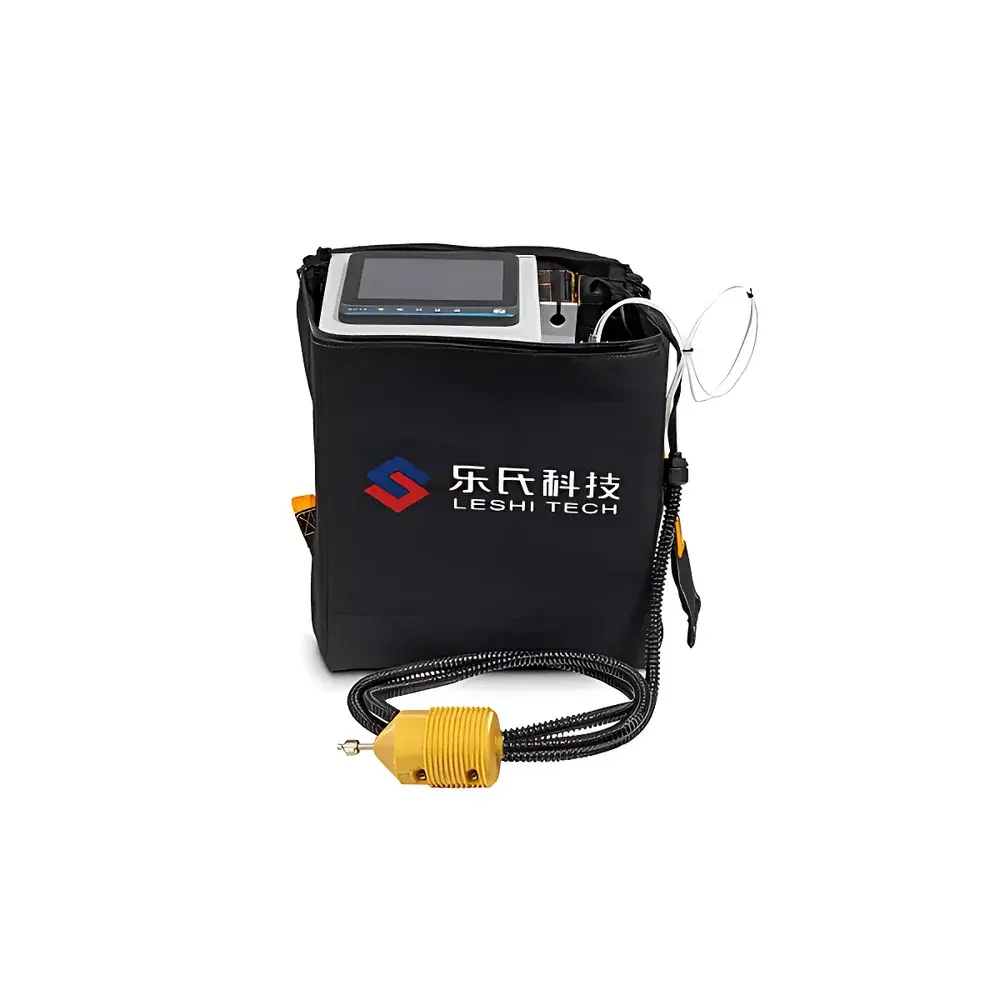
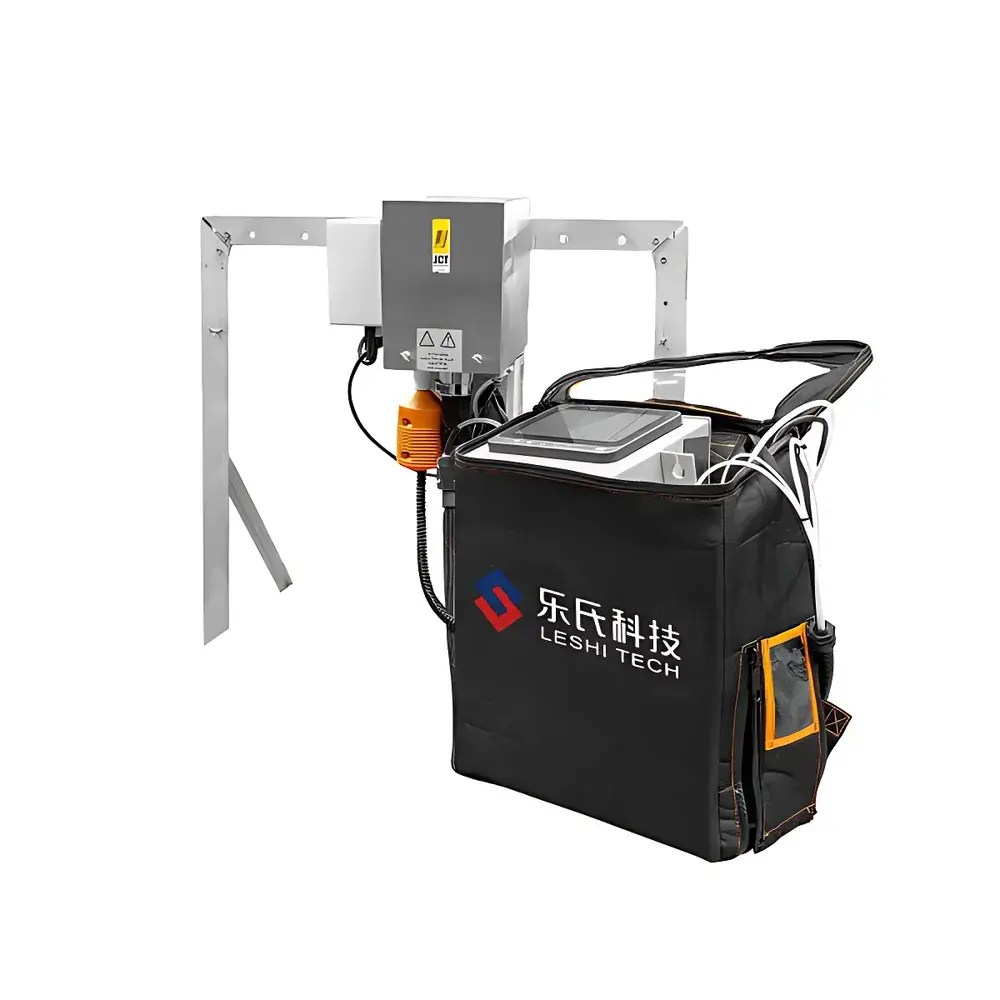
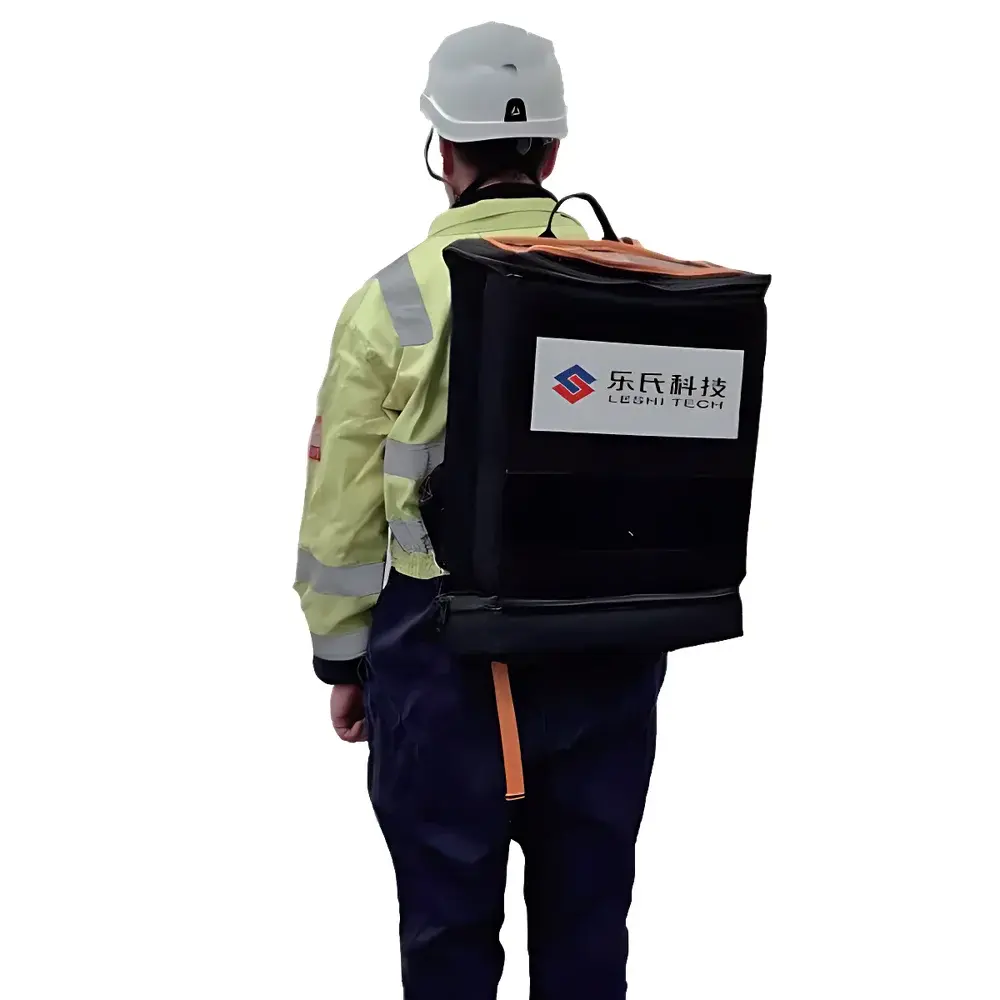
| Portability | Integrated compact chassis with field-deployable carry case |
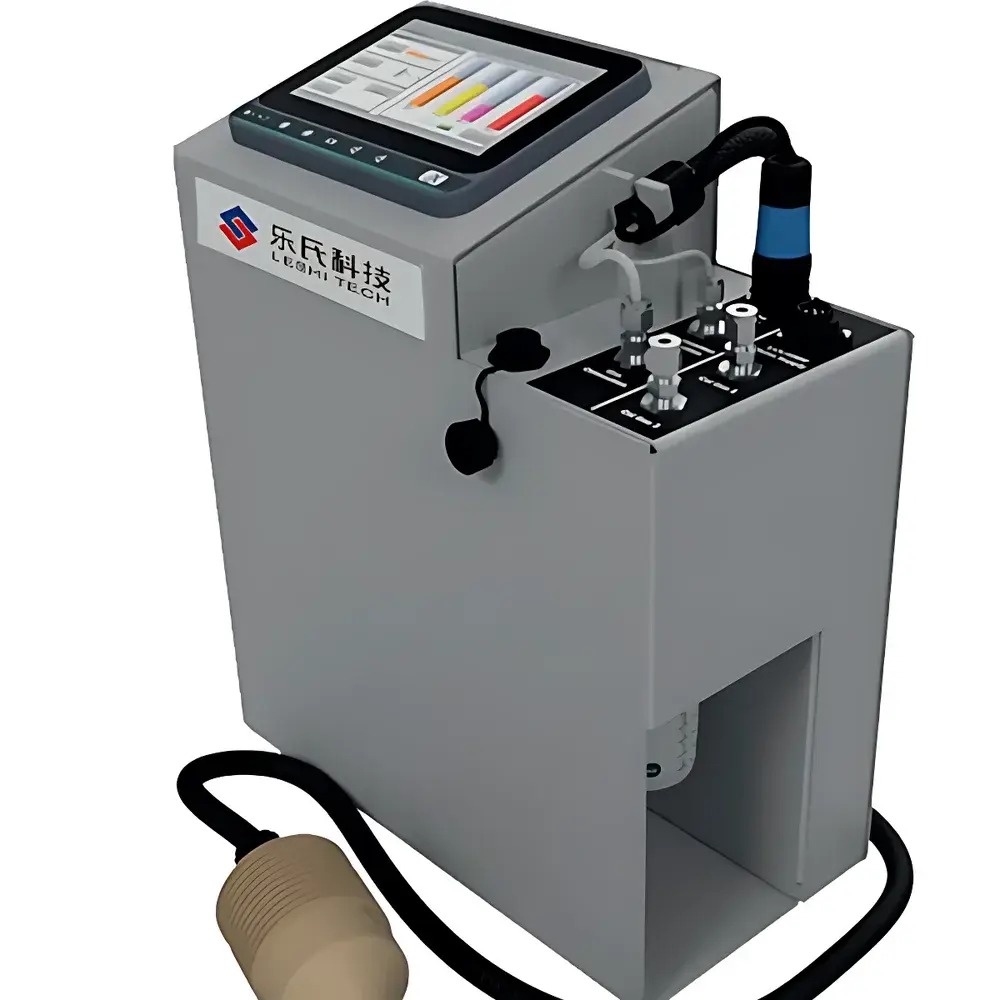
| Human-Machine Interface | Embedded 7-inch capacitive touchscreen HMI with gradient gas profile programming |
Overview
The LESHI 9100CAL-F is a high-precision automated gas dilution and calibration system engineered for traceable, reproducible preparation of calibration gas mixtures in accordance with GB/T 5275.7–2014 — the Chinese national standard aligned with ISO 6145-7 for dynamic volumetric gas mixing using thermal mass flow controllers (MFCs). Unlike static or pressure-based dilution methods, the 9100CAL-F employs real-time, closed-loop MFC control to dynamically blend certified reference gases (CRGs) with zero air or nitrogen carrier streams, enabling precise concentration generation across wide dynamic ranges. Its core architecture integrates thermally stabilized flow measurement, embedded vapor-phase delivery for corrosive precursors, and hardware-enforced safety interlocks—making it suitable for metrology laboratories, environmental monitoring agencies, and field service teams requiring NIST-traceable calibrations under GLP-compliant workflows.
Key Features
- Thermal MFC-based dilution engine with ±0.1% full-scale accuracy across standard flow ranges (configurable from 10 sccm to 20 L/min per channel); factory-calibrated against ISO/IEC 17025-accredited standards.
- Integrated micro-steam generator supporting direct liquid injection of volatile corrosive standards—including aqueous HF and HCl solutions—without upstream corrosion or condensation risk; vaporization temperature actively monitored and locked until setpoint stabilization.
- Embedded 7-inch industrial-grade capacitive touchscreen HMI running real-time Linux OS; enables one-touch calibration sequence initiation, multi-step gradient concentration ramping, and simultaneous parameter entry for gas species, target concentration, humidity setpoint, total flow, and dwell time.
- Modular MFC bay accommodating up to four independently controllable channels; optional high-flow (≥10 L/min) and low-flow (≤50 sccm) modules allow adaptation to diverse analyzers—from portable electrochemical sensors to FTIR and CLD-based continuous emission monitors (CEMs).
- Concentration unit agnosticism: software-native conversion between ppmv, mg/m³ (at user-defined T/P), and %Vol without recalibration; all conversions comply with ISO 10723 and EPA Method 205 calculation protocols.
- Field-deployable mechanical design: total system mass <12 kg; integrated shock-absorbing chassis and custom-fit transport case meet IP54 ingress protection and MIL-STD-810G drop resistance requirements.
Sample Compatibility & Compliance
The 9100CAL-F supports calibration gas generation for a broad spectrum of regulated pollutants and greenhouse gases—including NO, NO₂, SO₂, CO, O₃, NH₃, CH₄, CO₂, and VOCs—using either certified cylinder gases or liquid standards. Its vapor-phase delivery architecture eliminates wet chemistry handling risks while maintaining compatibility with ASTM D6348, EN 14181, and China’s HJ 1019–2019 for ambient air quality monitor calibration. All firmware and calibration logs are timestamped and support audit-ready export in CSV/JSON format, meeting documentation requirements for ISO/IEC 17025 accreditation and CNAS-assessed laboratories. The system does not require external PC dependency for basic operation but supports optional USB-C data dump and Ethernet-based remote diagnostics.
Software & Data Management
Firmware v3.2+ includes built-in calibration history logging with immutable metadata: operator ID (optional RFID badge integration), ambient T/P, CRG lot numbers, MFC verification timestamps, and deviation alerts. Data exports include full audit trails compliant with FDA 21 CFR Part 11 (electronic signatures enabled via optional PKI module) and GLP/GMP Annex 11 requirements. Optional cloud-sync module (LESHI CloudLink™) provides encrypted TLS 1.3 transmission to secure SFTP or AWS S3 endpoints for centralized QA review. No proprietary file formats are used—raw logs retain native SI units and ISO 8601 timestamps.
Applications
- Primary and secondary calibration of fixed and portable gas analyzers deployed in municipal air quality networks (e.g., PM₂.₅ co-location studies, ozone photometer validation).
- Reference gas generation for national metrology institutes performing inter-laboratory comparison exercises under APMP or BIPM frameworks.
- On-site verification of CEMS at thermal power plants and waste incineration facilities per China’s HJ 75–2017 and EU’s EN 15267.
- Research-grade gas mixture synthesis for sensor response characterization, catalyst testing, and atmospheric chemistry simulation chambers.
- Trace-level standard preparation for method validation in environmental labs accredited to CNAS-CL01:2018 (equivalent to ISO/IEC 17025:2017).
FAQ
Does the 9100CAL-F support automatic verification of MFC performance during operation?
Yes—each MFC undergoes real-time zero/span drift monitoring; deviations >0.05% FS trigger visual alerts and optional log-based auto-recalibration prompts.
Can the system generate humidified calibration gases?
Yes—integrated humidity control allows precise RH adjustment from 10% to 90% at 25°C, with dew point stability ±0.3°C over 24 h.
Is firmware update capability available remotely?
Firmware updates are performed via signed .bin files loaded from USB drive; no internet connectivity required for security-critical environments.
What documentation is provided for metrological traceability?
Each unit ships with a Factory Calibration Certificate (traceable to NIM Beijing), MFC individual calibration reports, and GB/T 5275.7–2014 conformance statement.
How is safety ensured when handling hydrofluoric acid solutions?
HF liquid path uses PFA-lined microfluidic channels and passive pressure relief; vapor output is continuously monitored by integrated IR absorption cell for uncontrolled release detection.
Related Products







