
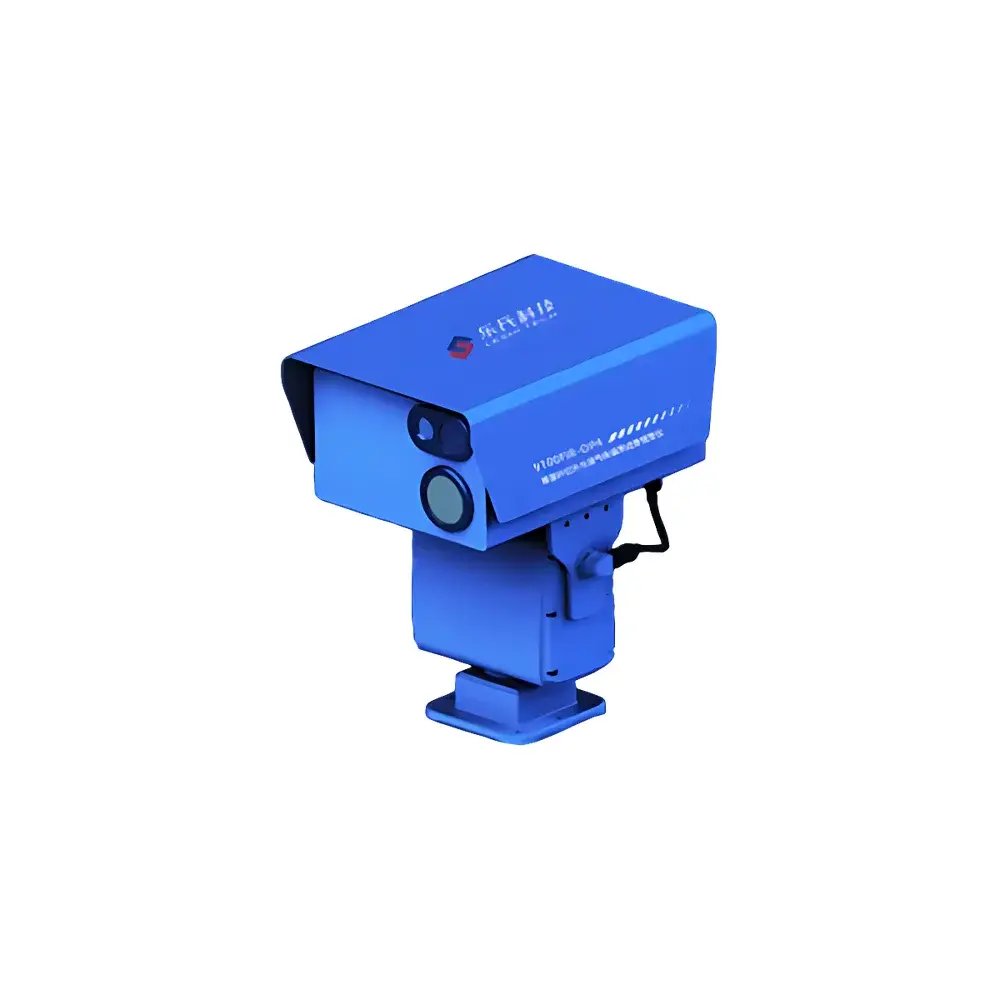
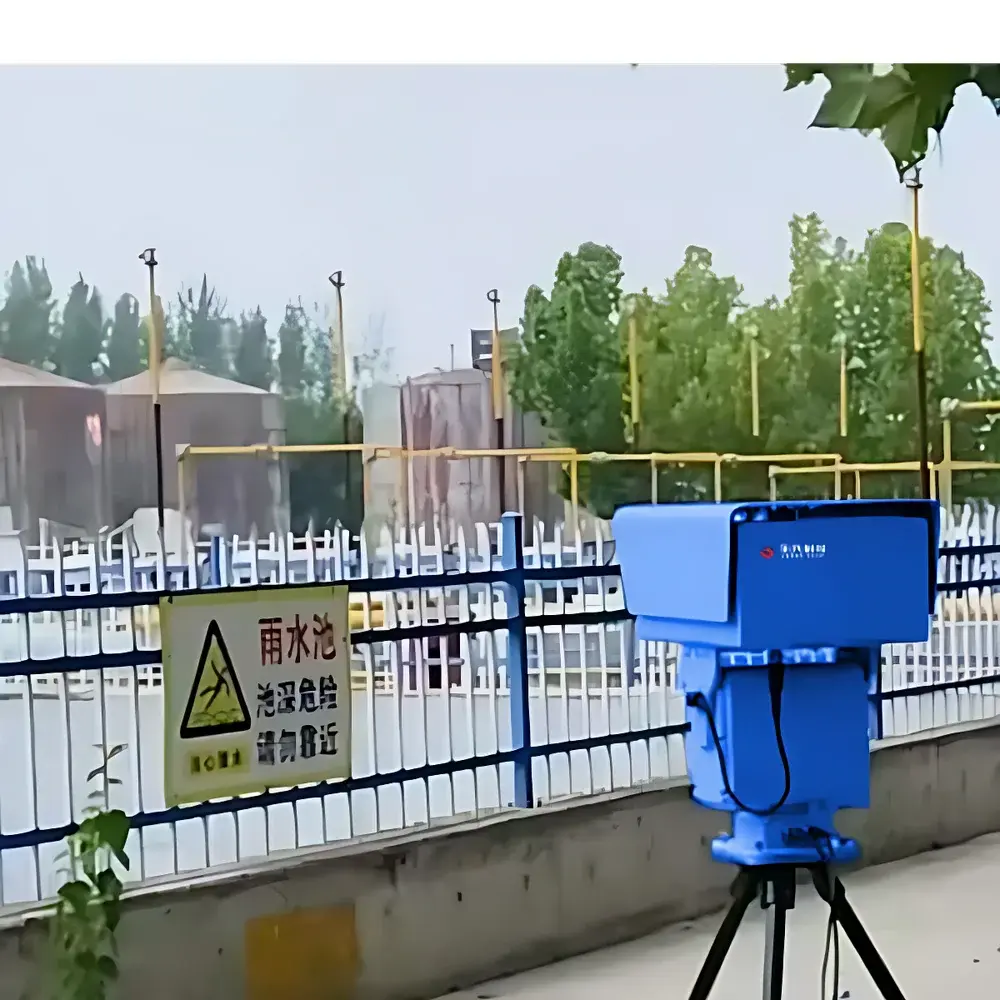
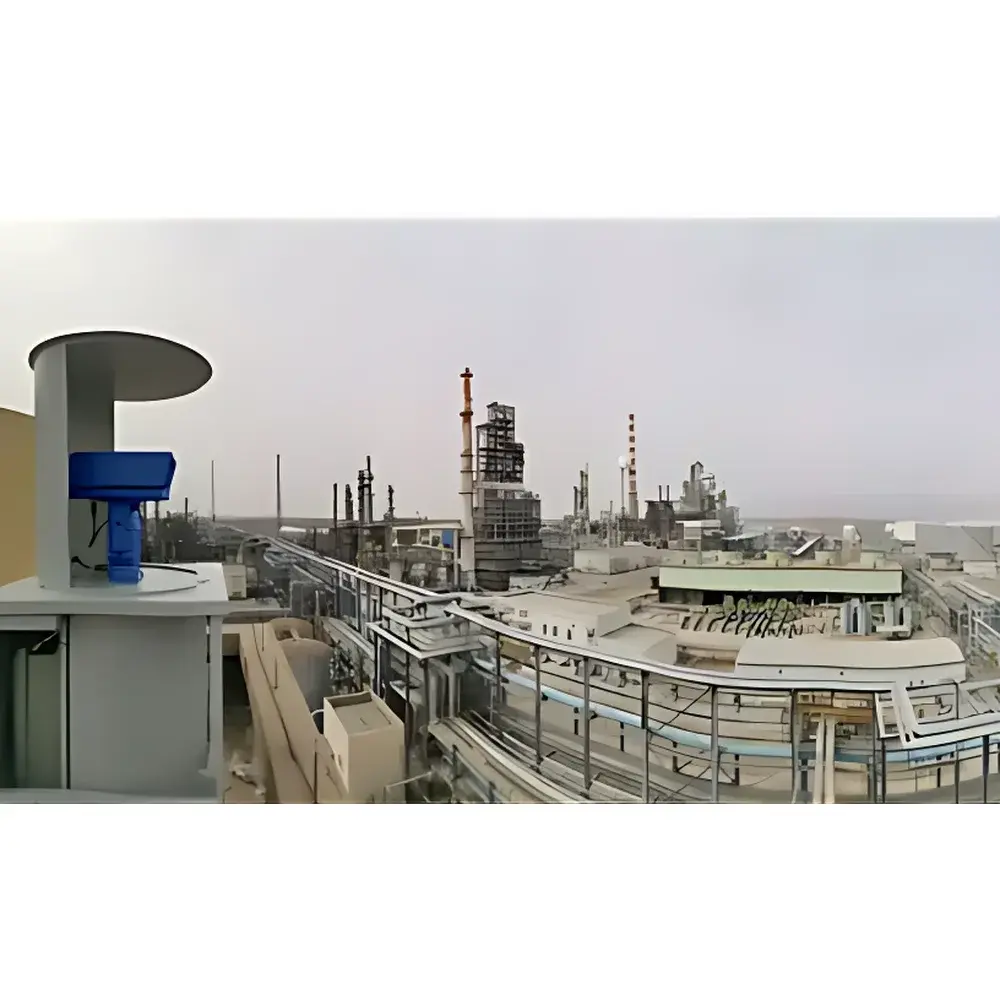
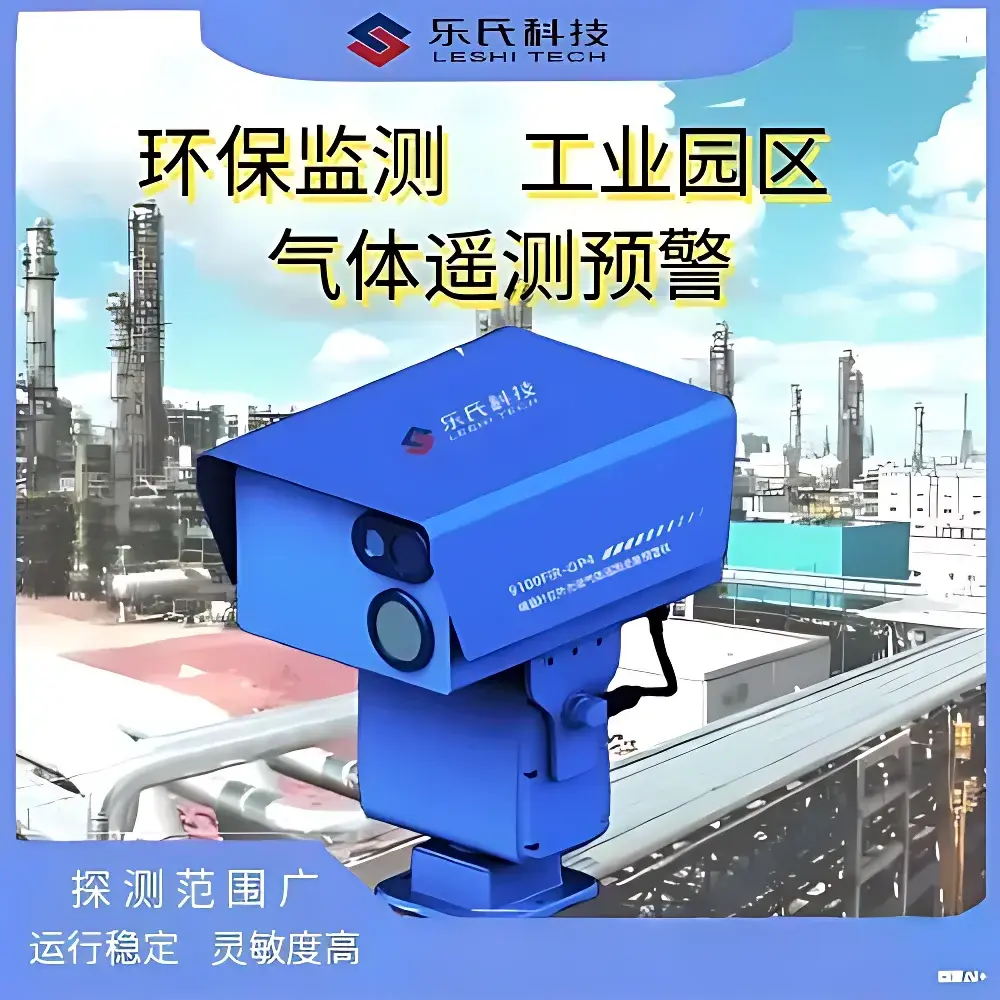
LESHI 9100FIR-OP4 Passive Fourier Transform Infrared (FTIR) Gas Remote Sensing Imaging Early-Warning System
| Brand | LESHI |
|---|---|
| Origin | Beijing, China |
| Manufacturer Type | Authorized Distributor |
| Origin Category | Domestic |
| Model | 9100FIR-OP4 |
| Price Range | USD 320,000 – 440,000 |
Overview
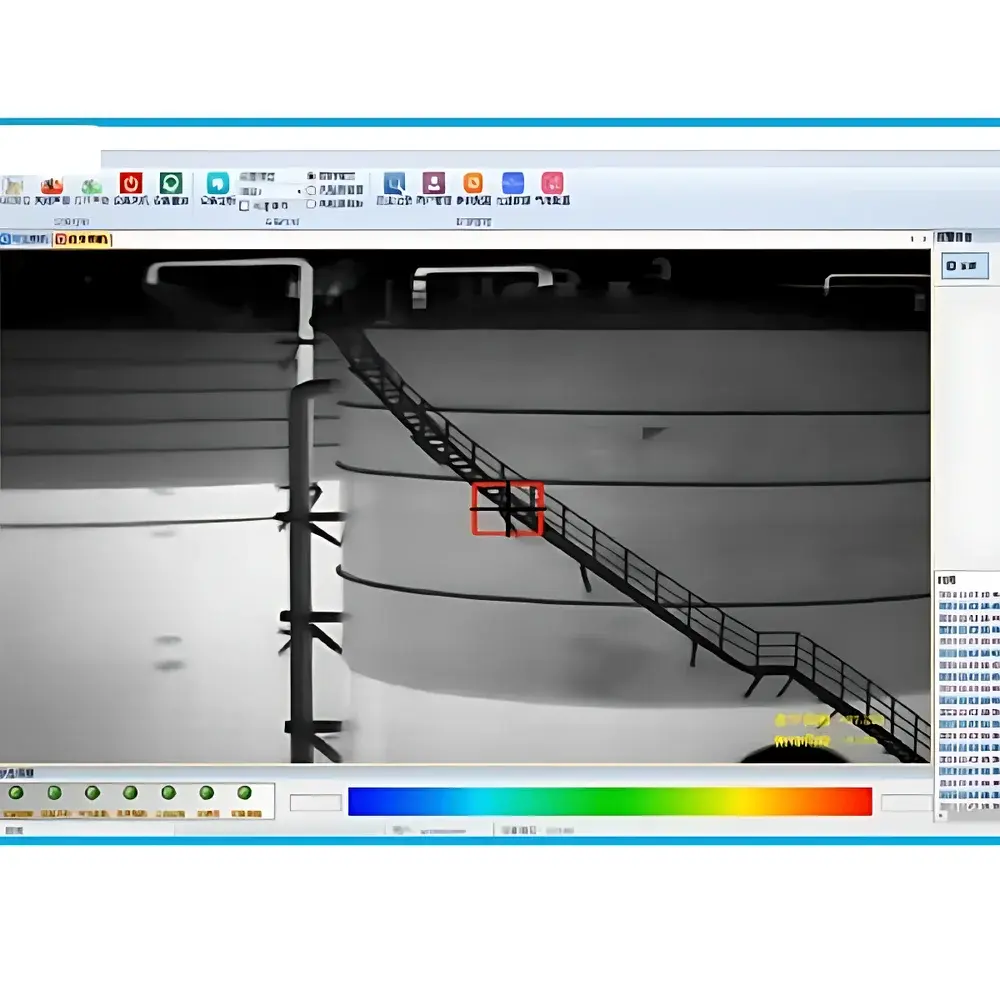
The LESHI 9100FIR-OP4 is a passive, scanning-mode Fourier Transform Infrared (FTIR) remote sensing imaging system engineered for standoff detection, chemical identification, and spatiotemporal quantification of hazardous gaseous plumes in open-air environments. Unlike active IR systems that emit radiation, the 9100FIR-OP4 operates passively by measuring natural thermal emission signatures (typically in the 3–14 µm mid- to long-wave infrared spectral region) from gas clouds against ambient background radiance. Utilizing a Michelson interferometer with high-stability retroreflector alignment and a cryogenically cooled MCT (Mercury Cadmium Telluride) focal plane array detector, the system acquires interferograms at frame rates suitable for real-time spectral imaging. Its core function is radiometrically calibrated spectral unmixing—applying library-matched spectral fitting algorithms (e.g., classical least-squares or iterative constrained nonlinear optimization) to extract gas identity, path-integrated concentration (in ppm·m), and 2D spatial distribution across the imaged field of view. Designed for continuous, unattended operation, it delivers autonomous plume detection, classification, and dynamic dispersion visualization at ranges up to 5 km under typical atmospheric conditions.
Key Features
- Passive FTIR architecture: No emitted source required; fully compliant with covert operational requirements and regulatory restrictions on active emissions.
- High thermal sensitivity: ≤25 mK NETD (Noise-Equivalent Temperature Difference) at 30 Hz frame rate, enabling reliable detection of low-contrast plumes against complex thermal backgrounds.
- Real-time spectral imaging: Simultaneous acquisition of full interferograms across a 640 × 512 pixel MCT detector array, supporting spectral resolution down to 0.5 cm⁻¹ (configurable).
- Multi-mode scanning: Programmable operation in fixed-point monitoring, 360° panoramic surveillance, or user-defined ROI (Region of Interest) raster scanning.
- Ruggedized optomechanical design: Shock- and vibration-resistant housing (IEC 60068-2 qualified), rated for continuous outdoor deployment across −25°C to +55°C ambient temperature range.
- Modular platform integration: Compatible with tripod-mounted stationary setups, vehicle-integrated mobile platforms (with GPS/INS stabilization), airborne gimbal mounts, and marine-grade enclosures.
- Lightweight portable configuration: Total system mass < 45 kg (excluding cooling subsystem), enabling rapid tactical deployment by two personnel.
Sample Compatibility & Compliance
The 9100FIR-OP4 is validated for detection and quantification of over 500 volatile organic compounds (VOCs), inorganic toxic gases (e.g., NH₃, HCl, HF, SO₂, NO₂), flammable species (e.g., CH₄, C₂H₄, C₃H₈), and chemical warfare agent simulants (e.g., DMMP, GA, GB analogs). It complies with ISO 14001 environmental management system requirements for monitoring instrumentation and supports data traceability aligned with GLP (Good Laboratory Practice) and industrial EHS (Environment, Health & Safety) reporting frameworks. Spectral libraries are maintained per ASTM E1783–22 (Standard Guide for FTIR Library Development) and include NIST-traceable reference spectra. The system’s alarm logic and data logging meet IEC 61508 SIL 2 functional safety principles for early-warning applications.
Software & Data Management
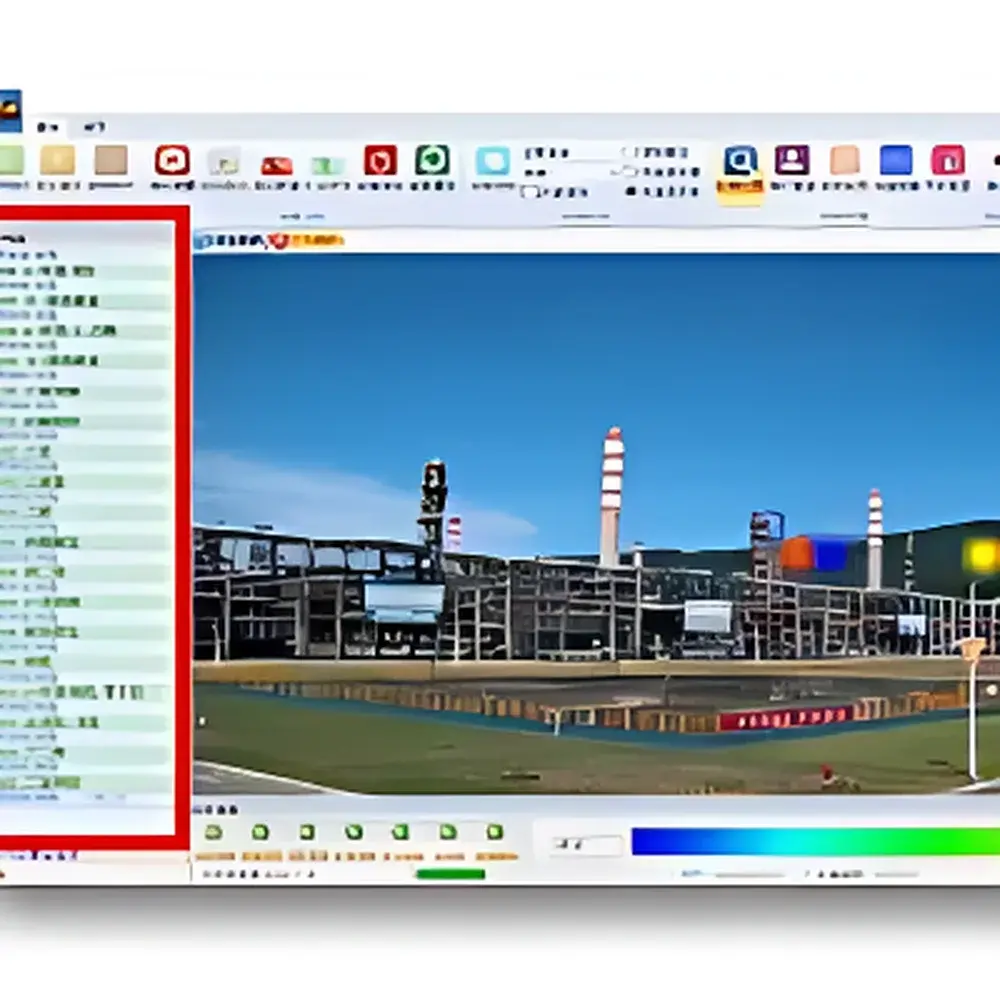
The embedded acquisition and analysis suite runs on a real-time Linux OS with deterministic interrupt handling. Core software modules include: (1) Auto-calibration engine (blackbody reference cycling every 15 min); (2) Atmospheric correction module using MODTRAN-based radiative transfer modeling; (3) Quantitative spectral unmixing engine with uncertainty propagation (±15% relative error for path-concentration under standard atmospheric profiles); (4) GIS-integrated visualization dashboard supporting KML export, time-series concentration heatmaps, and plume trajectory vector overlays. All raw interferograms, processed spectra, and metadata are stored in HDF5 format with SHA-256 checksums. Audit trails—including operator actions, calibration events, and alarm triggers—are logged in accordance with FDA 21 CFR Part 11 electronic record requirements.
Applications
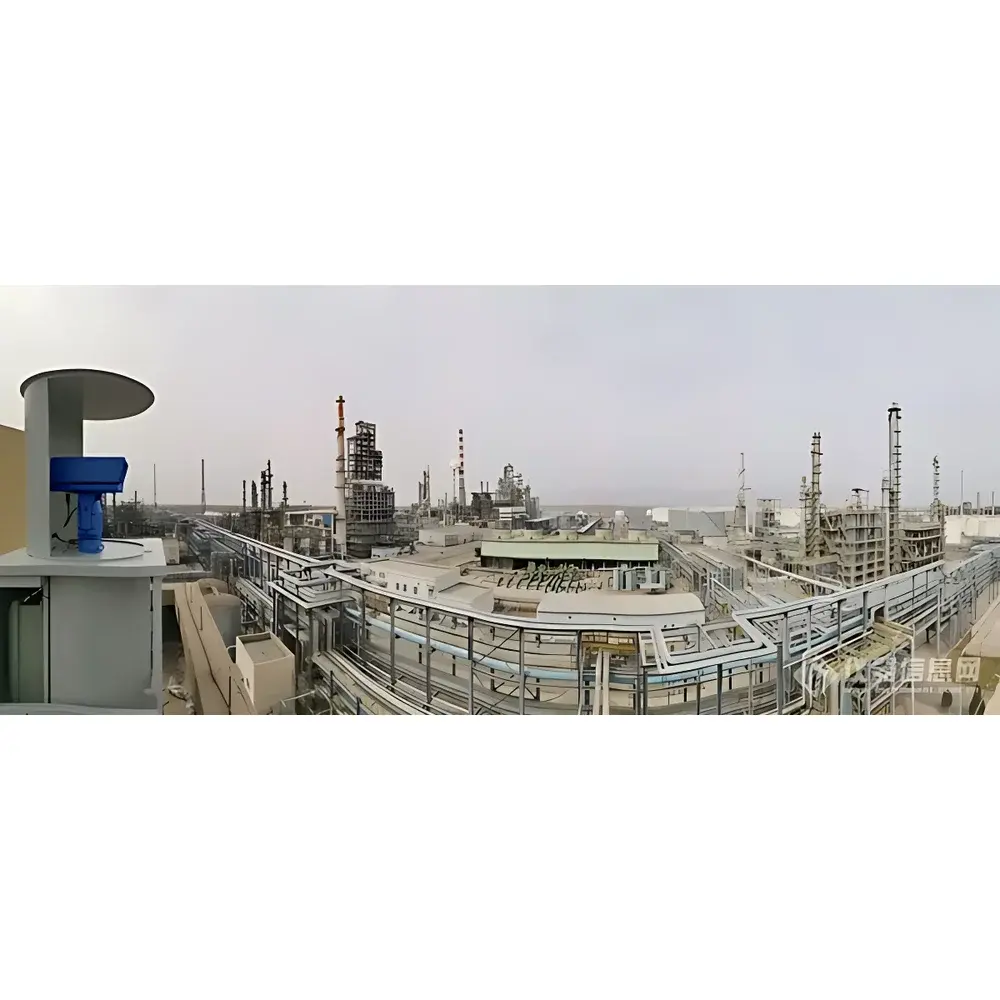
- Continuous perimeter monitoring of petrochemical, chlorine, and ammonia production facilities for fugitive emission detection and leak localization.
- Emergency response coordination during hazmat incidents: real-time plume mapping for evacuation zone definition and downwind hazard assessment.
- Regulatory compliance monitoring at wastewater treatment plants and landfill sites for odorant VOCs (e.g., skatole, indole, H₂S derivatives).
- Urban air quality surveillance along major transport corridors to quantify NOₓ, CO, and aromatic hydrocarbon emissions from vehicular traffic.
- Military CBRN defense: persistent area monitoring for dual-use precursors and threat agent signatures in border and critical infrastructure protection scenarios.
- Judicial forensic gas analysis: court-admissible spectral evidence generation with chain-of-custody metadata embedding.
FAQ
What gases can the 9100FIR-OP4 detect and quantify?
It identifies and quantifies over 500 gases—including regulated pollutants, industrial solvents, toxic industrial chemicals (TICs), and chemical warfare agent simulants—using pre-validated spectral libraries traceable to NIST and EPA databases.
Does the system require external calibration sources during operation?
Yes: integrated blackbody references (at two temperatures) enable automatic radiometric recalibration every 15 minutes to maintain long-term spectral fidelity and quantitative accuracy.
How is atmospheric interference corrected in quantitative analysis?
The software applies line-by-line radiative transfer modeling (based on MODTRAN5) using real-time local meteorological inputs (temperature, humidity, pressure) to correct for water vapor, CO₂, and ozone absorption effects.
Can the system operate autonomously for extended periods?
Yes: designed for 24/7 unattended operation with redundant power input (AC/DC), remote health monitoring via SNMP, and automated data upload to secure cloud or on-premise servers.
Is the instrument certified for use in hazardous (ATEX/IECEx) zones?
The base unit is rated for non-hazardous locations; explosion-proof enclosures and purge systems are available as optional certified accessories meeting ATEX Zone 2 / IECEx Zone 2 standards.
Related Products







