
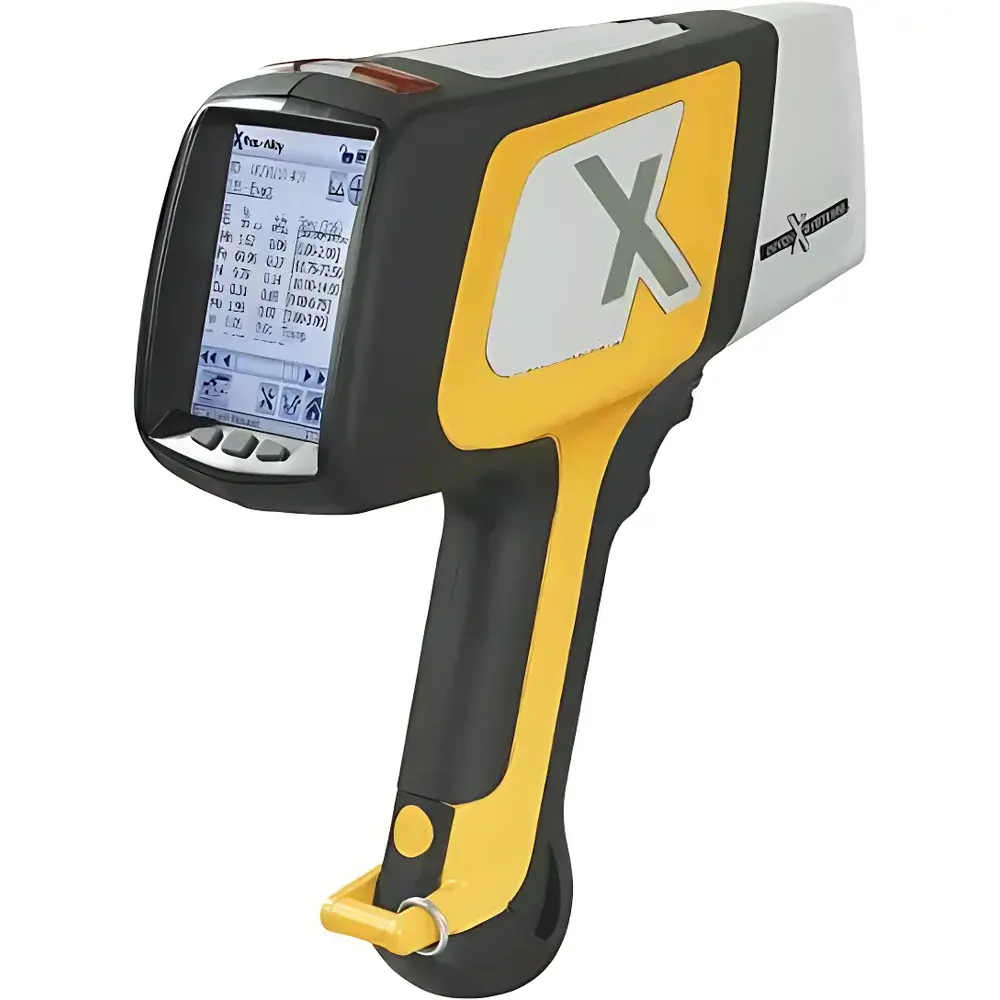
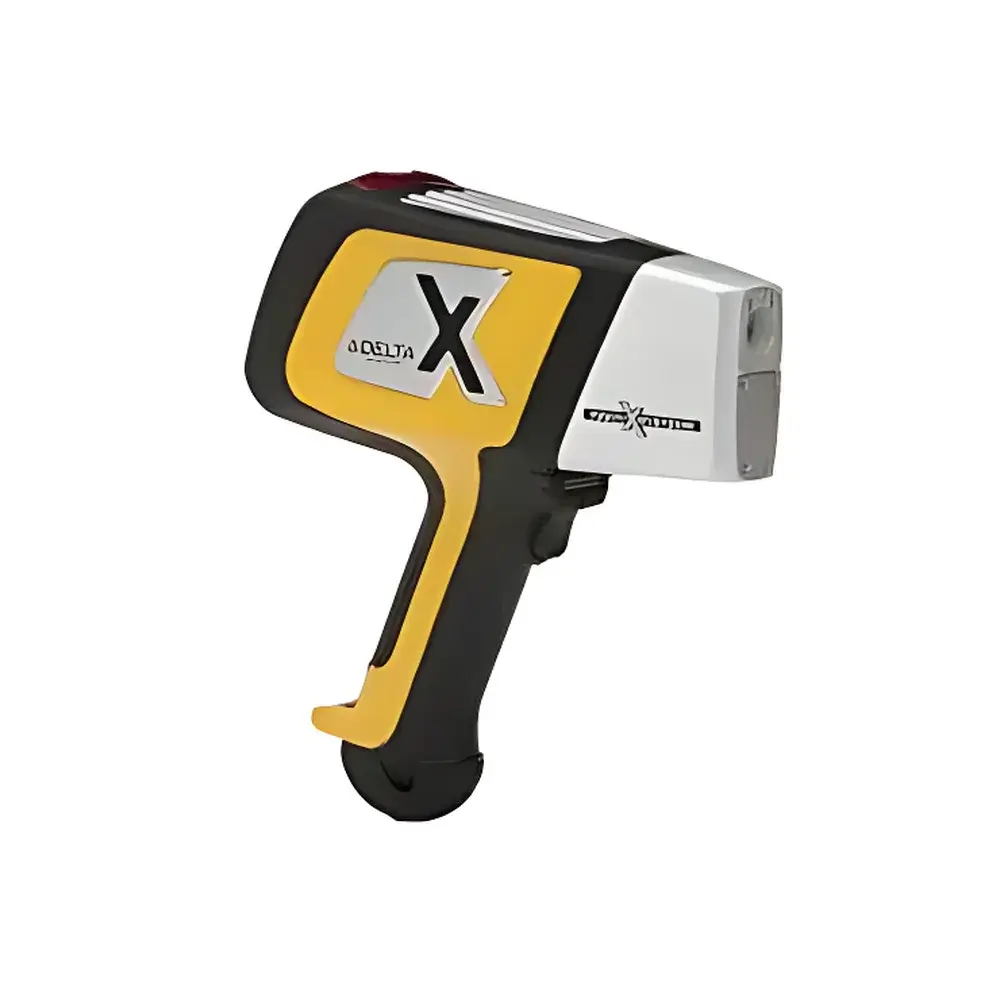
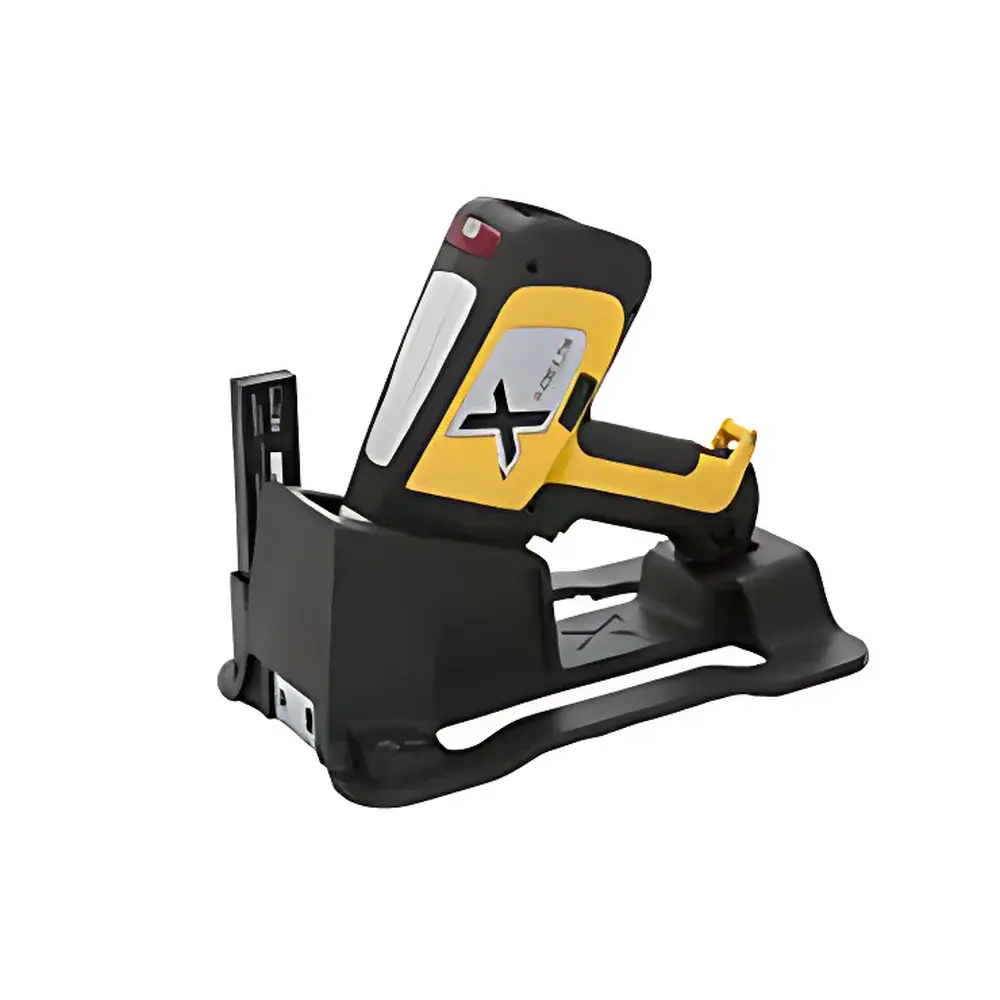
Olympus DELTA DPO2000 Portable Energy Dispersive X-Ray Fluorescence (EDXRF) Spectrometer
| Brand | Olympus |
|---|---|
| Origin | USA |
| Model | DPO2000 |
| Application | Handheld/Portable |
| Industry Type | Non-Ferrous Metals |
| Elemental Range | Mg (12) – U (92) |
| Detection Range | 1 ppm – 100% |
| Energy Resolution | <140 eV |
| Repeatability | 0.1% |
Overview
The Olympus DELTA DPO2000 is a high-performance, handheld energy dispersive X-ray fluorescence (EDXRF) spectrometer engineered for rapid, non-destructive elemental analysis of metallic alloys in field and industrial environments. Based on fundamental XRF physics—where primary X-rays excite characteristic secondary (fluorescent) X-rays from sample atoms—the instrument quantifies elemental composition by measuring the energy and intensity of emitted photons. Its core architecture integrates a high-power micro-focus X-ray tube (8–40 kV), a 25 mm² silicon drift detector (SDD), and Peltier-based thermoelectric cooling to maintain detector stability at –35 °C. Designed for material identification (PMI), positive material verification, and grade confirmation, the DPO2000 meets the operational demands of QA/QC labs, fabrication floors, scrap yards, and maintenance teams requiring traceable, ISO/IEC 17025-aligned elemental data without sample preparation.
Key Features
- Real-time alloy grade identification with >500 preloaded standard alloy libraries—including aluminum, titanium, nickel, cobalt, stainless steel, copper, zirconium, and precious metal families—with support for user-defined custom grades.
- Optimized light-element performance: accurate Mg quantification in 5xxx-series Al alloys; precise Al measurement in Ti alloys and pure Ti cut with Al tools; reliable differentiation of aluminum bronze vs. silicon bronze; robust analysis of Al in high-temperature Ni/Co superalloys up to 480 °C surface temperature.
- Dual-beam excitation mode enabling simultaneous high-sensitivity and high-throughput analysis across major alloying elements (Ti, V, Cr, Mn, Fe, Co, Ni, Cu, Zn, W, Hf, Ta, Re, Pb, Bi, Zr, Nb, Mo, Ag, Sn, Sb, Pd, Cd) and precious metals (Ir, Pt, Au, Rh, Ge, Ga, Ru, In).
- SmartSort™ intelligent sorting algorithm automates pass/fail decisions based on user-configured tolerance thresholds, reducing operator dependency and increasing throughput in high-volume screening applications.
- Thermal management system with active heat dissipation enables continuous operation under ambient temperatures from –10 °C to +50 °C and direct contact with hot surfaces up to 480 °C.
- Hot-swappable dual lithium-ion battery system with concurrent AC charging capability; no shutdown required during battery replacement.
Sample Compatibility & Compliance
The DPO2000 analyzes solid metallic samples—including castings, forgings, welds, pipes, plates, and scrap fragments—without cutting, polishing, or vacuum requirements. It complies with ASTM E1621 (Standard Guide for XRF Analysis of Metals), ISO 18115-2 (Surface Chemical Analysis — XPS — Part 2: Reporting), and supports GLP/GMP workflows via audit-trail-enabled data logging. Firmware and software are validated for FDA 21 CFR Part 11 compliance when deployed with Olympus’ certified PC software suite. All measurements adhere to IEC 62495 (Radiation safety for portable XRF analyzers), featuring integrated dose monitoring and automatic beam shut-off upon loss of contact.
Software & Data Management
Instrument control, spectral acquisition, and quantitative reporting are managed via an embedded Windows CE 6.0 OS with a high-resolution Blanview transmissive touchscreen interface. Data—including full spectra, calibration metadata, GPS coordinates, operator ID, and timestamp—is stored on removable SD cards (≥100,000 spectra capacity). USB 2.0 and Bluetooth 4.0 interfaces enable secure transfer to enterprise LIMS or ERP systems. The optional Olympus Delta PC Software provides remote instrument control, advanced spectral deconvolution, statistical process control (SPC) charting, report generation (PDF/CSV/XLS), and customizable certificate-of-analysis templates compliant with ASME B31.3, API RP 578, and NORSOK M-501 documentation standards.
Applications
- Positive Material Identification (PMI) across upstream oil & gas, power generation, chemical processing, aerospace manufacturing, and pharmaceutical equipment fabrication.
- Scrap metal sorting and recycling—rapid classification of mixed non-ferrous streams (e.g., Al/Zn/Cu alloys, stainless grades, superalloy turnings) to optimize feedstock value and minimize contamination.
- In-process QA/QC for raw material receipt inspection, weld deposit verification, heat-treat batch validation, and final product certification.
- Field-based failure analysis—detecting elemental segregation, intergranular corrosion susceptibility indicators (e.g., Cr depletion), or unauthorized substitutions in critical components.
- Regulatory compliance auditing per ASME BPVC Section II, ASTM A956, and EN 10204 Type 3.1/3.2 documentation requirements.
FAQ
What regulatory standards does the DPO2000 support for audit-ready reporting?
It supports FDA 21 CFR Part 11 electronic records/signatures, ISO/IEC 17025 traceability, and generates reports aligned with ASME B31.3, API RP 578, and EN 10204.
Can the DPO2000 analyze coated or painted metal surfaces?
Yes—its high-energy excitation and optimized collimation allow penetration through thin organic coatings (<50 µm) and oxide layers, though results should be interpreted with matrix-matched calibration.
Is helium purge required for light-element analysis?
No—ambient-air operation suffices for Mg and above; atmospheric pressure compensation via integrated barometer ensures consistent light-element sensitivity.
How is calibration maintained in field conditions?
Factory calibrations are drift-corrected using internal reference standards; users may perform daily verification checks with certified check samples traceable to NIST SRMs.
Does the instrument require annual radiation safety recertification?
Per IEC 62495, routine operational safety checks are mandatory; formal radiation safety audits are jurisdiction-dependent but typically required annually in EU, US, and APAC markets.




