
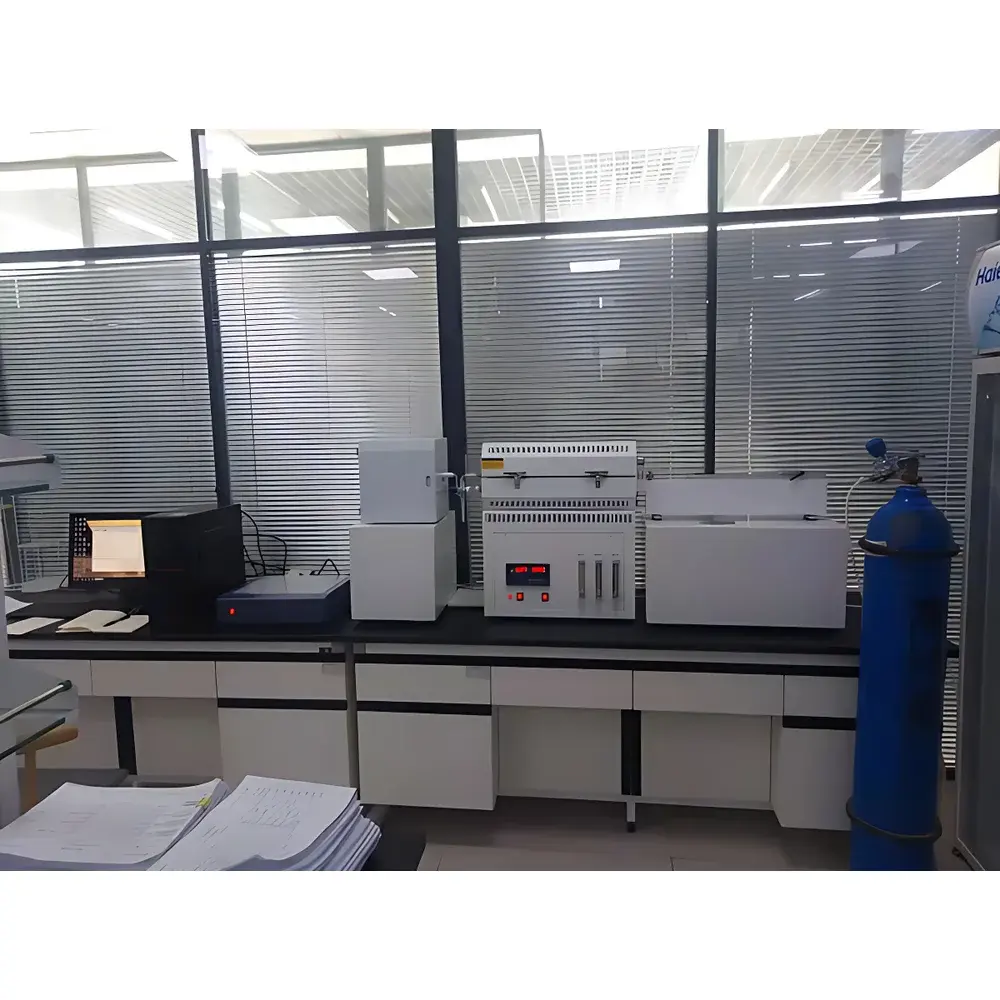
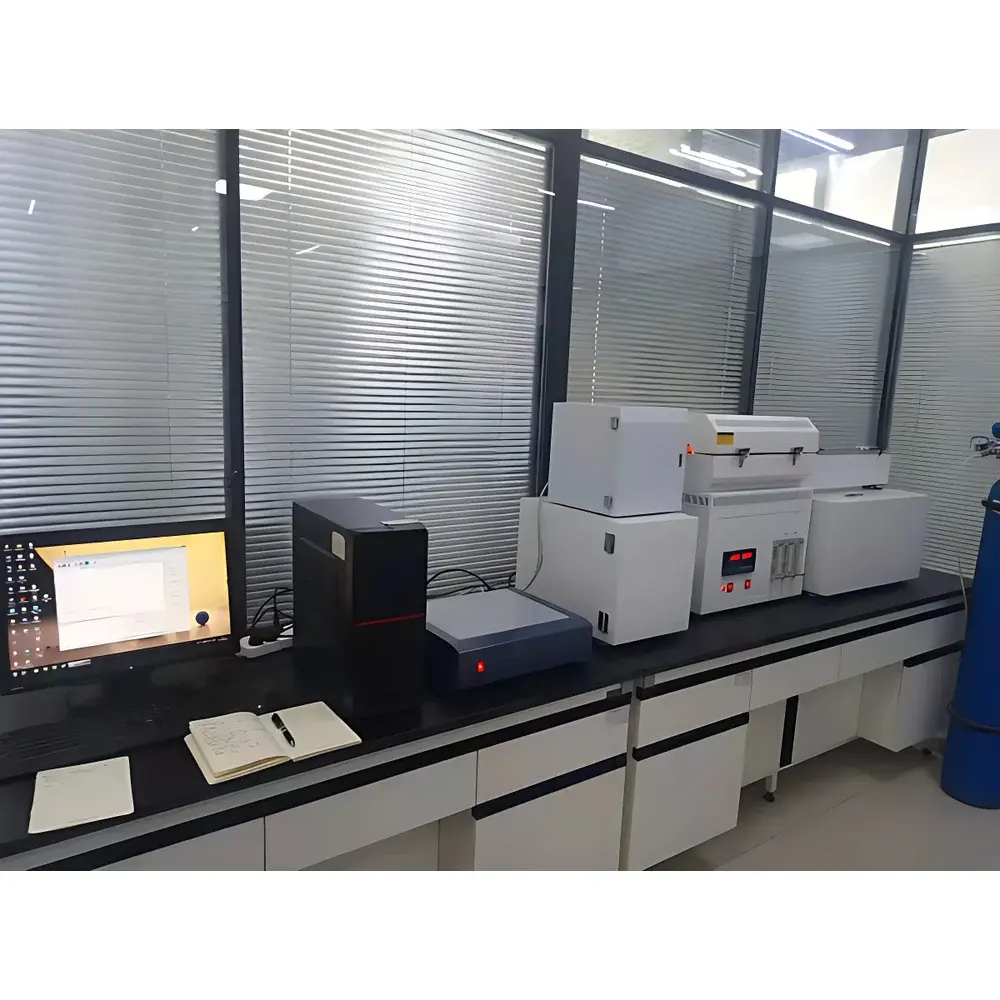
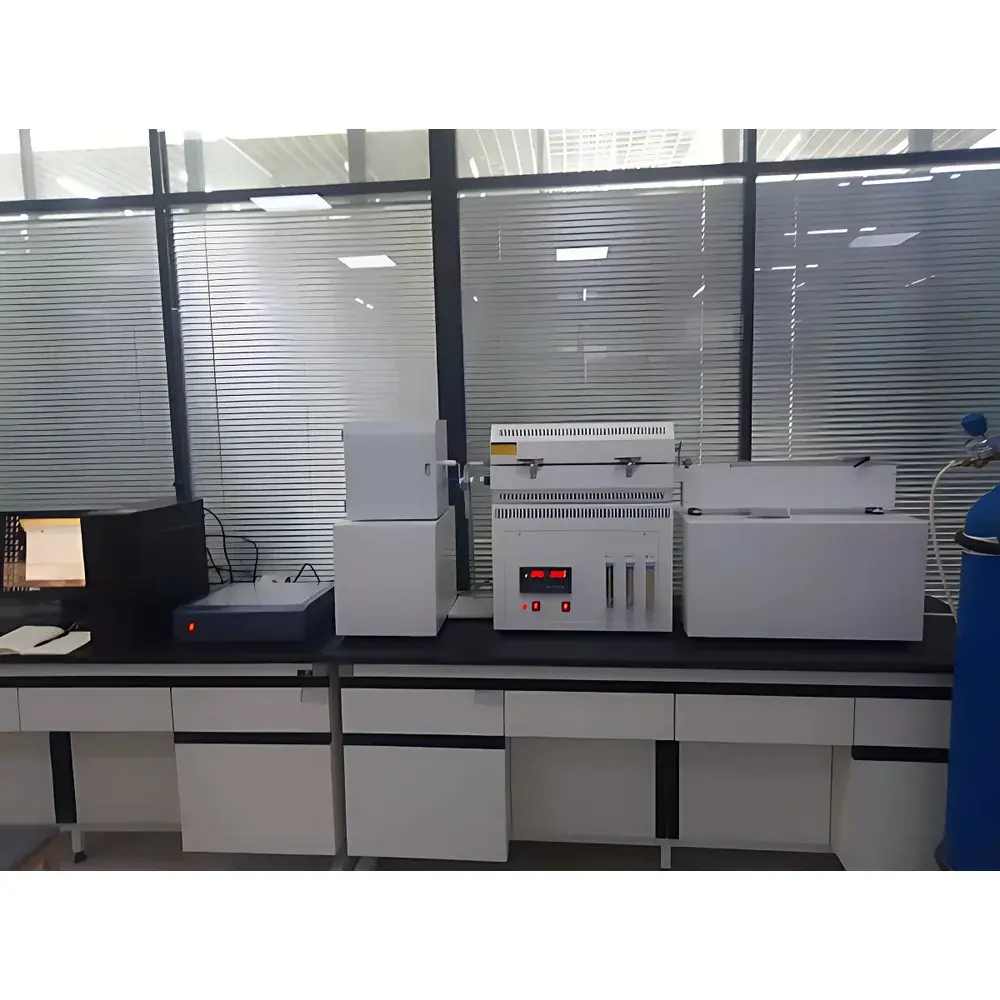
Zhuochi AOX-WK-S Microcoulometric Adsorbable Organic Halogens (AOX) Analyzer Compliant with HJ 1214–2021
| Brand | Zhuochi |
|---|---|
| Origin | Zhejiang, China |
| Manufacturer Type | Authorized Distributor |
| Country of Manufacture | China |
| Model | AOX-WK-S |
| Price | USD 15,200 (FOB Zhejiang) |
| Standard Compliance | HJ 1214–2021 (PRC Environmental Monitoring Standard for Water Quality — Determination of Adsorbable Organic Halogens (AOX) by Microcoulometric Method) |
Overview
The Zhuochi AOX-WK-S Microcoulometric Adsorbable Organic Halogens (AOX) Analyzer is a dedicated analytical system engineered to meet the stringent requirements of HJ 1214–2021, the official People’s Republic of China environmental standard for the determination of adsorbable organic halogens in water samples. This method employs microcoulometric detection following high-temperature catalytic combustion (950 °C), enabling quantitative measurement of total adsorbed organohalogen compounds—including chlorinated, brominated, and iodinated species—as chloride, bromide, or iodide ions. The instrument operates on the principle of controlled pyrolysis in an oxygen-rich atmosphere, followed by selective absorption of halogenated organics onto activated carbon, thermal desorption, oxidative combustion, and electrochemical quantification via a silver coulometric titration cell. Designed specifically for regulatory compliance testing in municipal wastewater treatment plants, industrial effluent monitoring laboratories, and provincial environmental monitoring centers, the AOX-WK-S delivers reproducible results aligned with national reporting mandates.
Key Features
- Integrated dual-zone high-temperature combustion furnace with precise airflow and temperature control (±1 °C stability across 100–1000 °C range), ensuring complete mineralization of refractory AOX compounds
- Dedicated quartz combustion tube with optimized geometry and catalyst bed configuration for uniform sample oxidation and minimal memory effects
- Automated sample introduction module with programmable syringe-driven injection and inert gas purge sequence to prevent cross-contamination
- High-efficiency activated carbon column adsorption unit meeting HJ 1214–2021 specifications for flow rate, contact time, and breakthrough capacity
- Microcoulometric detector featuring a silver-silver chloride coulometric titration cell with real-time current integration, calibrated traceability to NIST-traceable KCl standards
- Robust mechanical design with corrosion-resistant internal pathways and ceramic insulation for long-term operational reliability under routine laboratory conditions
- Comprehensive accessory set including spare combustion tubes, calibration standards, carbon columns, and certified reference materials for method validation
Sample Compatibility & Compliance
The AOX-WK-S supports analysis of surface water, groundwater, domestic and industrial wastewater, leachates, and treated effluents per HJ 1214–2021 protocols. Sample volumes range from 10 to 500 mL, with optional pre-concentration for low-level matrices. All components—adsorption columns, combustion hardware, and detector cells—are validated for compliance with the standard’s performance criteria: detection limit ≤ 1.0 µg/L AOX (as Cl), repeatability RSD ≤ 8%, and recovery rates of 85–115% across spiked matrixes. While HJ 1214–2021 is a national Chinese standard, the underlying microcoulometric methodology aligns conceptually with ISO 9562 and ASTM D5808 for AOX determination; however, formal equivalence declarations require site-specific method verification per ISO/IEC 17025 accreditation requirements.
Software & Data Management
The system operates via embedded firmware with USB-connected PC interface and proprietary acquisition software supporting full audit trail functionality. Data files record timestamped instrument parameters (combustion temperature, gas flow, titration current, integration time), raw coulometric curves, and final AOX concentration outputs in µg/L. Software enforces user-defined calibration intervals, automatic blank subtraction, and multi-point standard curve fitting using least-squares regression. All data entries are immutable post-acquisition, with electronic signatures and session logs compliant with basic GLP documentation practices. Export options include CSV, PDF reports, and XML metadata tags compatible with LIMS integration. While not FDA 21 CFR Part 11 certified out-of-the-box, the architecture supports configurable password policies, role-based access control, and manual electronic record archiving for regulated environments.
Applications
- Regulatory compliance monitoring for discharge permits under China’s “Water Pollution Prevention and Control Action Plan”
- Performance evaluation of activated carbon filtration and advanced oxidation processes in water reclamation facilities
- Source identification and load assessment of halogenated disinfection byproducts (e.g., chloroform, bromodichloromethane) in drinking water distribution systems
- Industrial pretreatment verification for pulp/paper, pharmaceutical, pesticide, and dye manufacturing effluents
- Research applications in environmental fate studies of persistent organic pollutants (POPs), including polyhalogenated aromatics and aliphatics
- Method development and interlaboratory comparison exercises for national proficiency testing programs
FAQ
What is the detection limit achievable with the AOX-WK-S under HJ 1214–2021 conditions?
The validated method detection limit is 1.0 µg/L AOX (expressed as chlorine), determined using reagent water blanks and 7-day precision studies per HJ 1214–2021 Annex B.
Does the system support simultaneous analysis of AOX, EOX, and POX?
No—the AOX-WK-S is configured exclusively for adsorbable organic halogens per HJ 1214–2021. Separate instrumentation and modified adsorption protocols are required for extractable (EOX) or purgeable (POX) fractions.
Is third-party calibration certification included?
Each unit ships with factory calibration verification against KCl standards; ISO/IEC 17025-accredited calibration certificates are available upon request at additional cost.
Can the combustion furnace accommodate solid-phase samples such as sediments or sludges?
Not without modification—the standard configuration is validated only for aqueous samples. Solid matrices require acid digestion, solvent extraction, and subsequent adsorption per supplementary protocols outside HJ 1214–2021 scope.
What maintenance intervals are recommended for routine operation?
Daily: purge lines and inspect combustion tube integrity; monthly: replace quartz wool and verify gas flow rates; annually: recalibrate microcoulometric cell and validate temperature sensors per manufacturer service manual.
Related Products







