
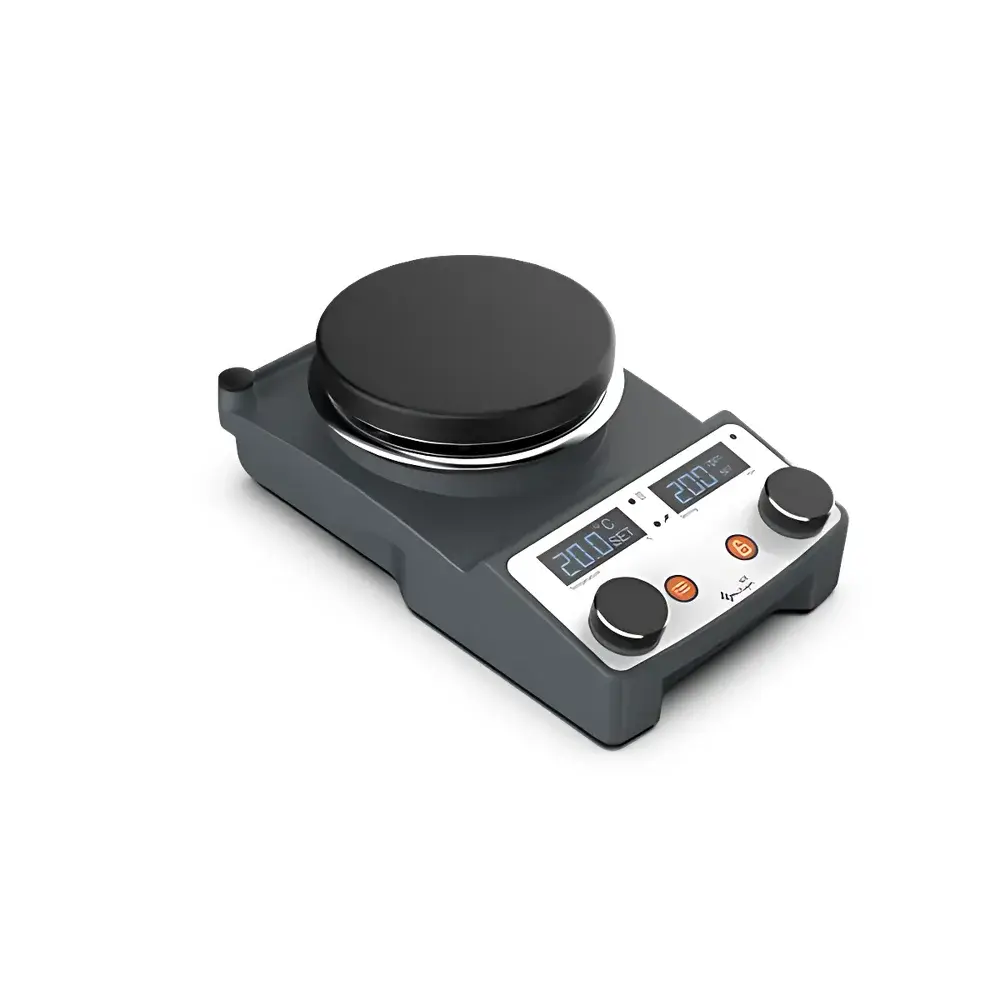
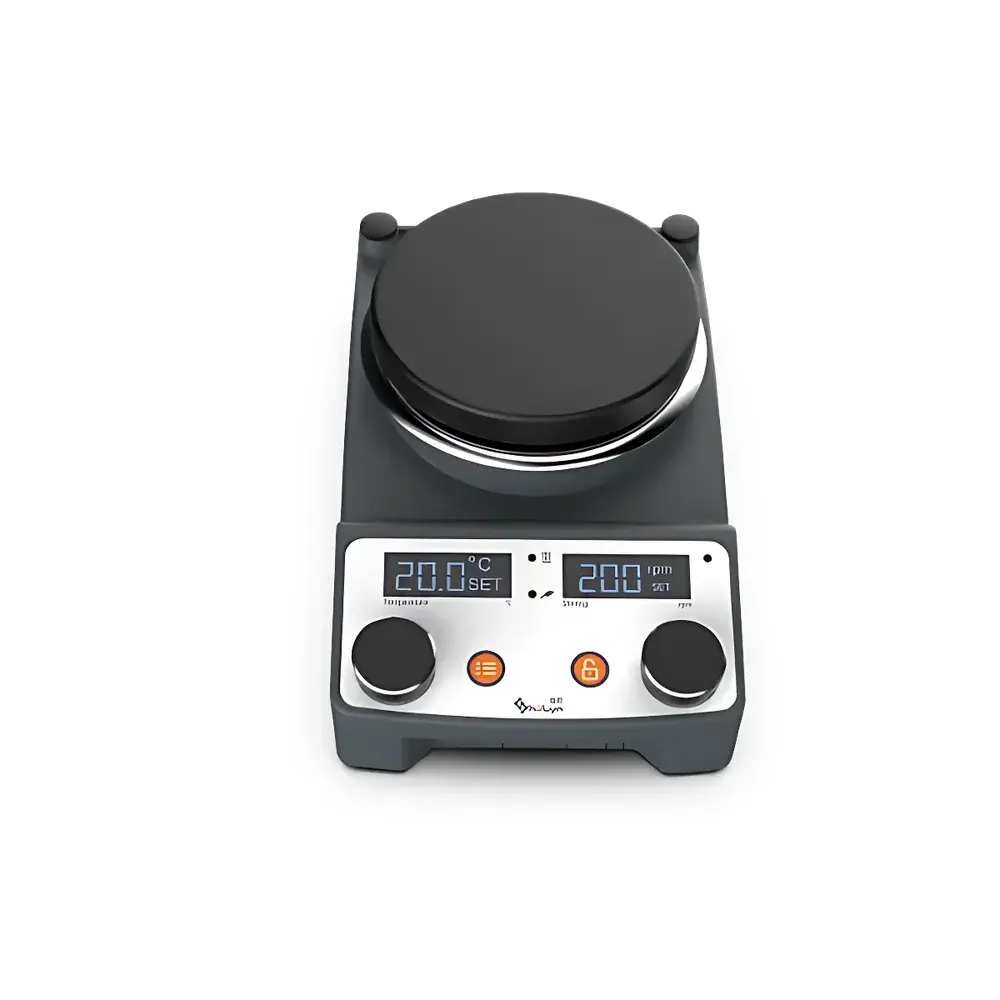
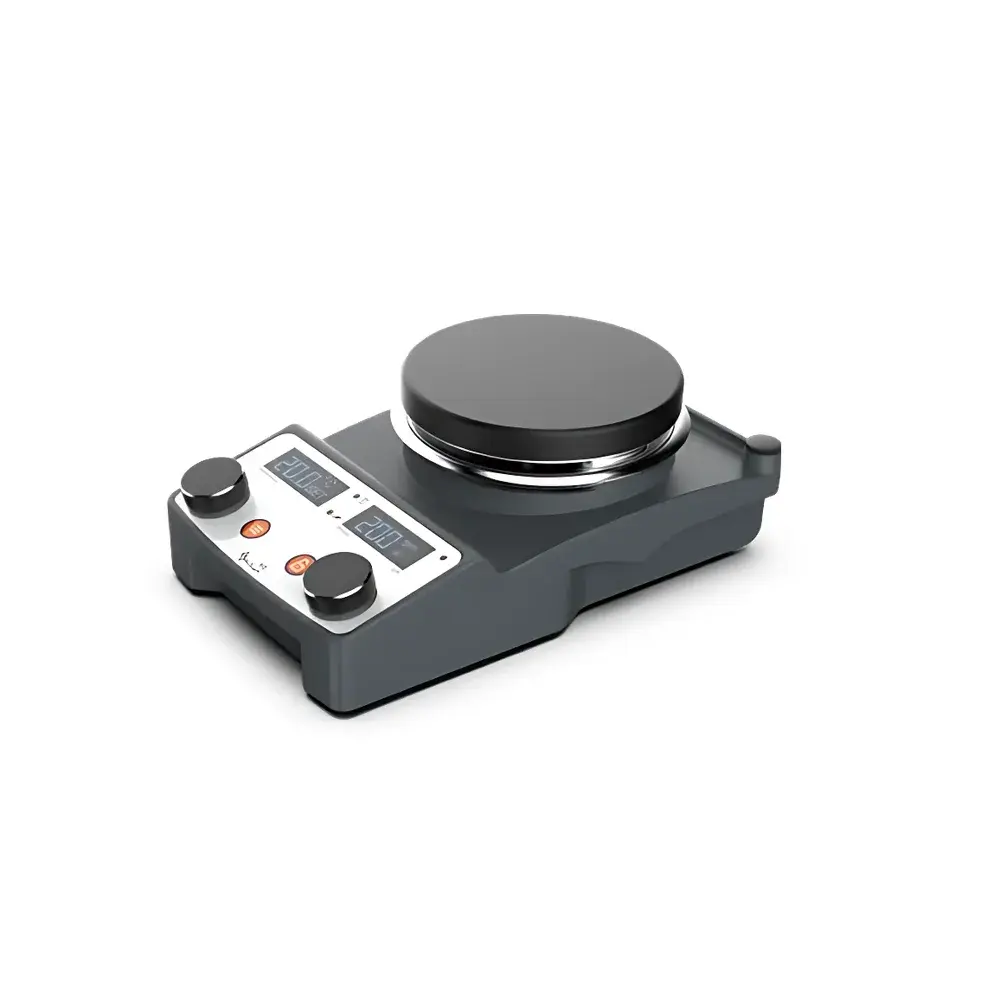
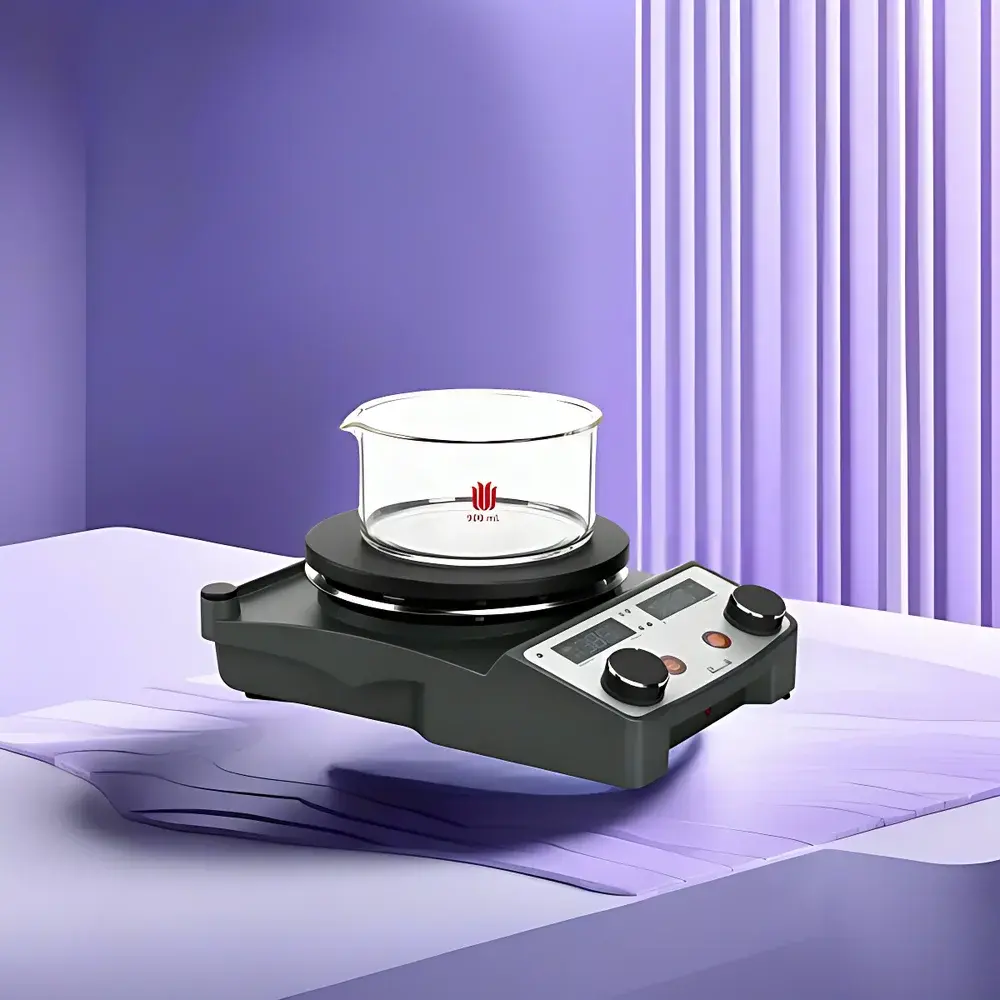
ShoLyn ShoHMS Basic Magnetic Stirrer with Heating
| Brand | ShoLyn |
|---|---|
| Origin | Shanghai, China |
| Model | ShoHMS Basic |
| Instrument Type | Magnetic Stirrer |
| Max Stirring Volume | 20 L (H₂O) |
| Speed Range | 50–1500 rpm |
| Heating Temperature Range | Ambient to 340 °C (hotplate surface) |
| Heating Power | 750 W |
| Plate Material | Anodized Aluminum with Ceramic Coating |
| Plate Diameter | Φ135 mm |
| Temperature Stability | ±1 °C (plate), ±0.2 °C (500 mL water at 600 rpm) |
| Safety Cut-off Temp Range | 28–370 °C (per DIN 12878) |
| Residual Heat Alert Threshold | >50 °C |
| Enclosure | Powder-coated Steel Housing |
| IP Rating | IP42 |
| Operating Ambient | 5–35 °C |
| Display | LED Digital |
| External Sensor Support | PT1000 |
| Timer Function | Yes |
| Stirring Direction | Programmable Forward/Reverse & Intermittent Mode |
Overview
The ShoLyn ShoHMS Basic Magnetic Stirrer with Integrated Heating is an engineered solution for precise, reproducible mixing and temperature control of low-to-medium viscosity liquid samples in research and quality control laboratories. Utilizing a rotating magnetic field generated by a high-torque permanent magnet assembly beneath a thermally robust ceramic-coated aluminum hotplate, the device induces synchronous rotation of PTFE- or glass-coated magnetic stir bars immersed in the sample vessel. This contactless coupling eliminates mechanical shaft seals and contamination risks while enabling stable operation across wide speed and thermal ranges. Designed for routine applications in synthetic chemistry, materials formulation, and biochemical assay preparation, the ShoHMS Basic delivers consistent thermal uniformity and rotational stability—critical for kinetic studies, dissolution testing, and catalyst activation protocols where thermal drift or mixing heterogeneity compromises data integrity.
Key Features
- High-power 750 W heating system with ceramic-coated aluminum plate (Φ135 mm) ensures rapid thermal response and long-term resistance to chemical corrosion and abrasion.
- Precision PID temperature control algorithm maintains surface stability within ±1 °C and achieves ±0.2 °C accuracy in 500 mL aqueous samples under dynamic stirring (600 rpm), meeting requirements for thermally sensitive reactions.
- Programmable bidirectional stirring mode—including continuous forward/reverse rotation and timed intermittent cycling—enhances homogenization efficiency for heterogeneous suspensions and prevents vortex-induced splashing.
- Intelligent residual heat monitoring: post-shutdown plate temperature is continuously tracked; LED display shows real-time residual temperature when surface exceeds 50 °C, mitigating burn hazards during equipment handling.
- User-configurable safety temperature limit (28–370 °C), compliant with DIN 12878 standards, prevents overheating and supports GLP-compliant experimental workflows.
- Durability-focused enclosure: powder-coated steel chassis with IP42-rated ingress protection resists solvent vapors and incidental spills without compromising structural integrity or electrical safety.
Sample Compatibility & Compliance
The ShoHMS Basic accommodates standard laboratory glassware—including beakers, flasks, and reaction vials—up to 20 L capacity (water-equivalent). Its non-inductive hotplate design avoids interference with metal-containing samples or magnetic-sensitive reagents. The unit complies with IEC 61010-1 for electrical safety in laboratory environments and incorporates thermal cut-off mechanisms aligned with DIN 12878 for heated magnetic stirrers. While not certified for hazardous area use, its sealed electronics and chemical-resistant finish support operation in general chemistry labs adhering to ISO/IEC 17025-accredited quality management systems. Optional PT1000 external probe integration enables direct sample temperature feedback, supporting USP <797> and <1085> thermal validation requirements for pharmaceutical compounding.
Software & Data Management
The ShoHMS Basic operates via standalone front-panel controls with LED digital readout—no software installation required. All parameters (setpoints, direction, timer, safety limits) are retained in non-volatile memory after power cycling. For integration into automated lab environments, the optional RS485 interface supports Modbus RTU protocol, enabling remote parameter configuration, real-time telemetry logging, and synchronization with LIMS or ELN platforms. Audit trail functionality is available when paired with compatible host software, satisfying FDA 21 CFR Part 11 requirements for electronic records in regulated GMP/QC settings.
Applications
- Synthesis of coordination polymers and MOFs requiring extended reflux under inert atmosphere with uniform thermal input.
- Preparation of nanoparticle dispersions and polymer solutions where shear history and thermal history must be tightly controlled.
- Standardized dissolution testing per USP Apparatus II (paddle) validation protocols using calibrated water baths or direct-heating configurations.
- Enzyme kinetics assays requiring simultaneous temperature ramping and gentle agitation to prevent denaturation.
- Parallel reaction screening when coupled with ShoPhoS photoreactor modules—enabling seamless transition from thermal to photochemical activation pathways without hardware replacement.
FAQ
What is the maximum recommended vessel size for optimal stirring performance?
For consistent vortex formation and torque transmission, use vessels with internal diameters ≤120 mm for full 20 L capacity; larger diameters may require reduced speed or supplemental stir bar geometry optimization.
Can the ShoHMS Basic be used with corrosive solvents such as concentrated acids or halogenated hydrocarbons?
Yes—the ceramic-coated plate and chemically resistant housing provide compatibility with common organic solvents and diluted mineral acids; however, prolonged exposure to fuming nitric acid or molten alkali metals is not advised.
Is external temperature feedback mandatory for GLP-compliant experiments?
No, but strongly recommended: the built-in plate sensor ensures surface control, whereas PT1000 probe integration provides traceable, sample-core temperature measurement required for method validation and regulatory submissions.
Does the device support continuous operation over 24 hours?
Yes—designed for unattended benchtop use with thermal overload protection, stable power regulation, and ambient cooling sufficient for sustained operation within specified environmental conditions (5–35 °C, ≤80% RH).



