
C. Gerhardt TTs SO2 Sulfur Dioxide Determination System
| Brand | C. Gerhardt |
|---|---|
| Origin | Germany |
| Manufacturer Type | Original Equipment Manufacturer (OEM) |
| Origin Category | Imported |
| Model | TTs SO2 |
| Product Type | Intelligent Automated System |
| Detection Limit | 0.1 mg/L (as SO₂) |
| Measurement Range | 0–100% (w/w or w/v, sample-dependent) |
| Distillation Positions | 4 |
| Distillation Flask Capacity | 800 mL |
| Max Heating Temperature | 650 °C |
| Programmable Methods | 99 |
| Magnetic Stirring | Integrated |
| Rated Power | 2000 W |
| Order No. | 12-0640 |
Overview
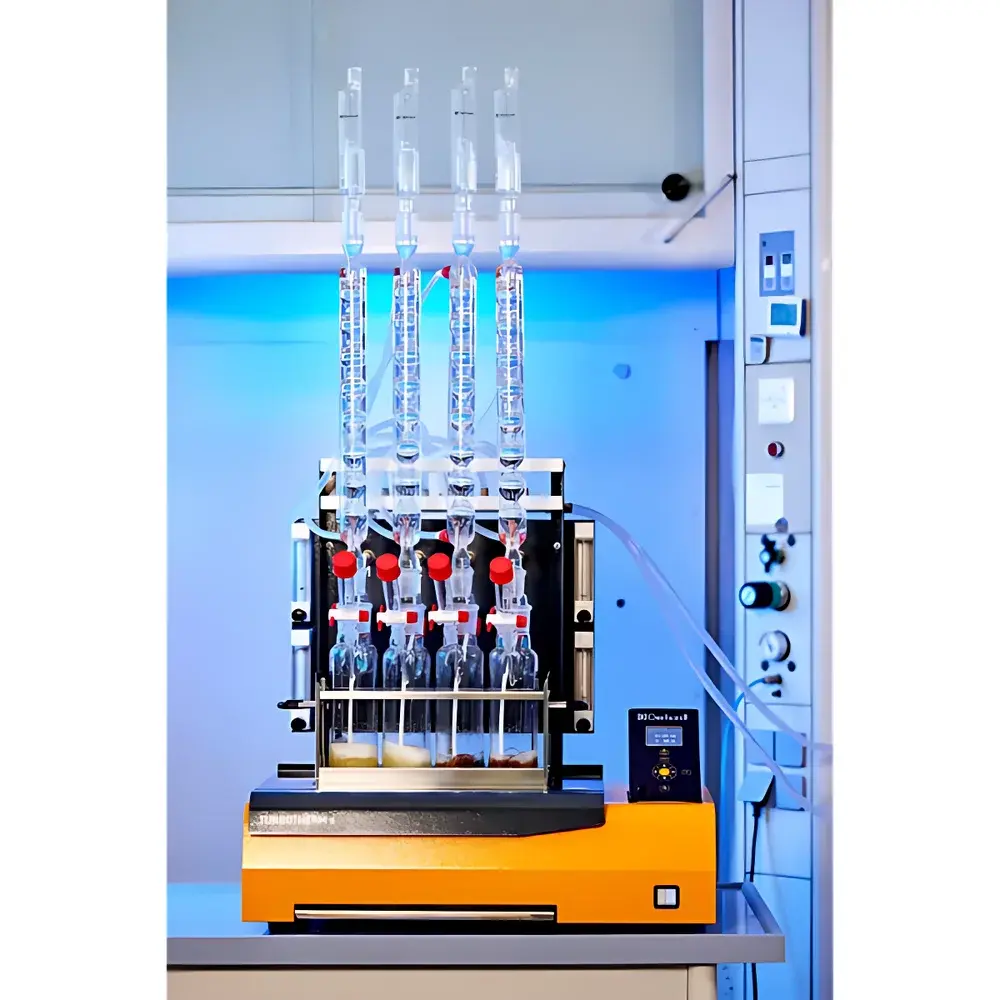
The C. Gerhardt TTs SO₂ Sulfur Dioxide Determination System is an automated, thermally controlled distillation platform engineered for precise and reproducible quantification of sulfur dioxide (SO₂), sulfides, cyanides, phosphides, formaldehyde, volatile fatty acids, and dithiocarbamates in pharmaceutical, food, agricultural, and environmental matrices. It implements the internationally standardized Monier-Williams (oMW) method—codified in AOAC Official Method 990.13, USP , EP 2.4.22, and ISO 5775-1—as its core analytical principle. The system utilizes TURBOTHERM infrared rapid-heating technology to deliver uniform, contactless thermal energy across four independent distillation zones, minimizing thermal lag and ensuring strict adherence to oMW protocol timing and temperature gradients. Unlike conventional hotplate-based digesters, the TTs SO₂’s ceramic-coated IR emitters provide instant power modulation, enabling accurate ramp-and-hold profiles essential for controlled volatilization and quantitative trapping of analytes in alkaline absorbents.
Key Features
- Four-position parallel distillation with independent thermal control per station, ensuring inter-sample consistency and high throughput without cross-contamination.
- TURBOTHERM infrared heating module (max. 650 °C) with real-time temperature feedback and ±1 °C stability over full operating range.
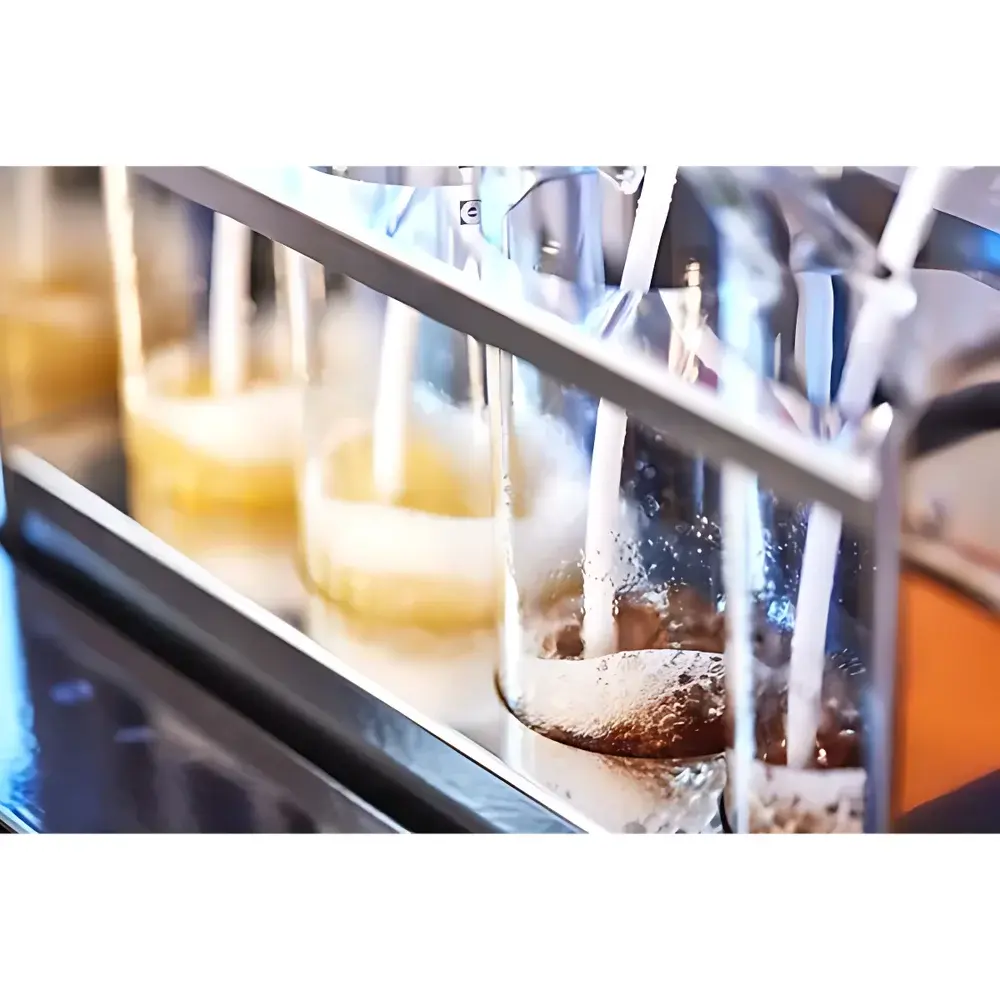
- Integrated magnetic stirring in each distillation flask, enhancing mass transfer during acidification and volatilization steps.
- Modular design supporting seamless integration with C. Gerhardt’s glassware ecosystem: borosilicate 3.3 condensers, absorption traps, dropping funnels, and drip trays—all compliant with DIN/ISO 1042 and ASTM E200 standards.
- Programmable method library (99 user-defined protocols) with password-protected editing, time-stamped execution logs, and automatic shutdown on error detection.
- Expandable architecture: compatible with Kjeldahl digestion modules (via optional adapter kits), flow injection analysis (FIA) interfaces, and wet ashing configurations using HNO₃/H₂O₂ mixtures under reflux conditions.
Sample Compatibility & Compliance
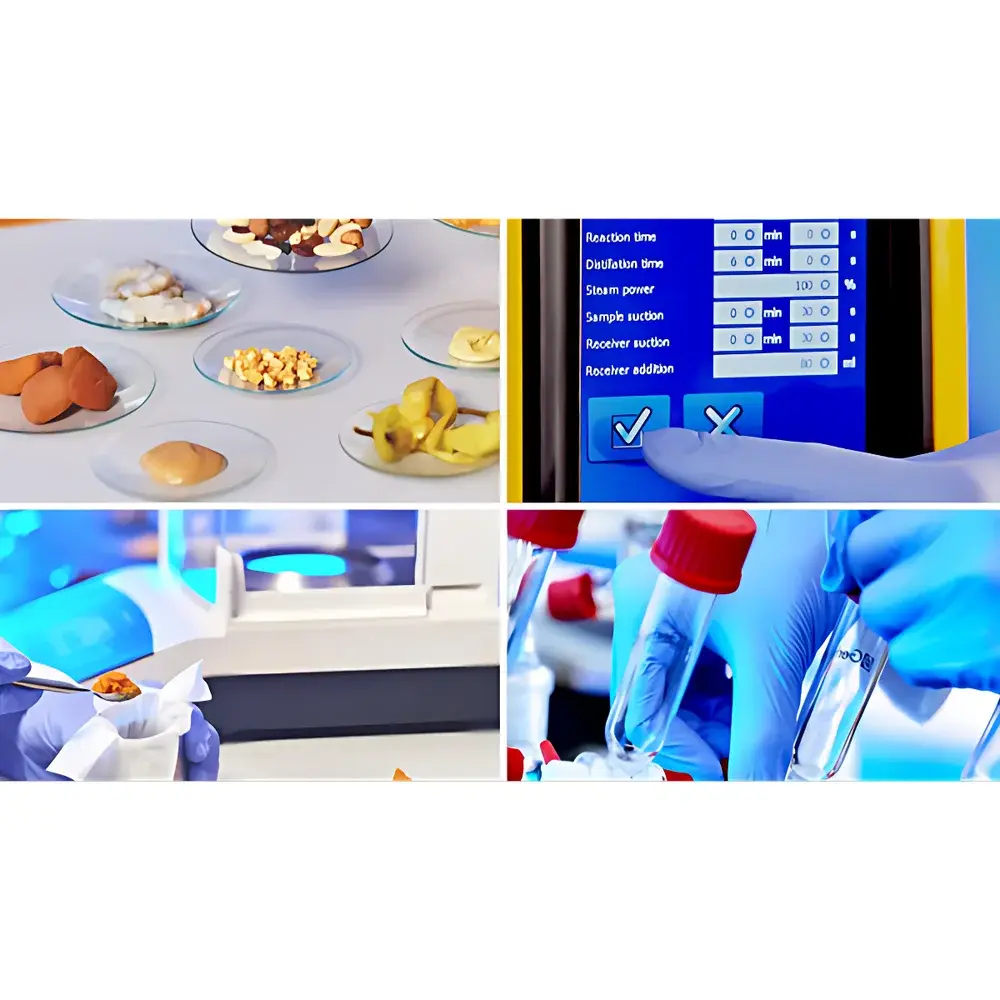
The TTs SO₂ accommodates solid, semi-solid, and liquid samples—including tablets, herbal extracts, dried fruits, wine musts, soil suspensions, and biological tissues—following validated sample preparation workflows outlined in USP , Ph. Eur. 2.4.22, and AOAC 990.13. All wet chemistry components meet GLP/GMP traceability requirements: glassware is individually serialized and certified for volumetric accuracy (Class A, ISO 1042); gas flow meters are calibrated to ISO 6145-3; and heating controllers maintain audit-ready calibration records per ISO/IEC 17025. The system supports 21 CFR Part 11-compliant electronic signatures when paired with C. Gerhardt’s optional LabControl Suite software.
Software & Data Management
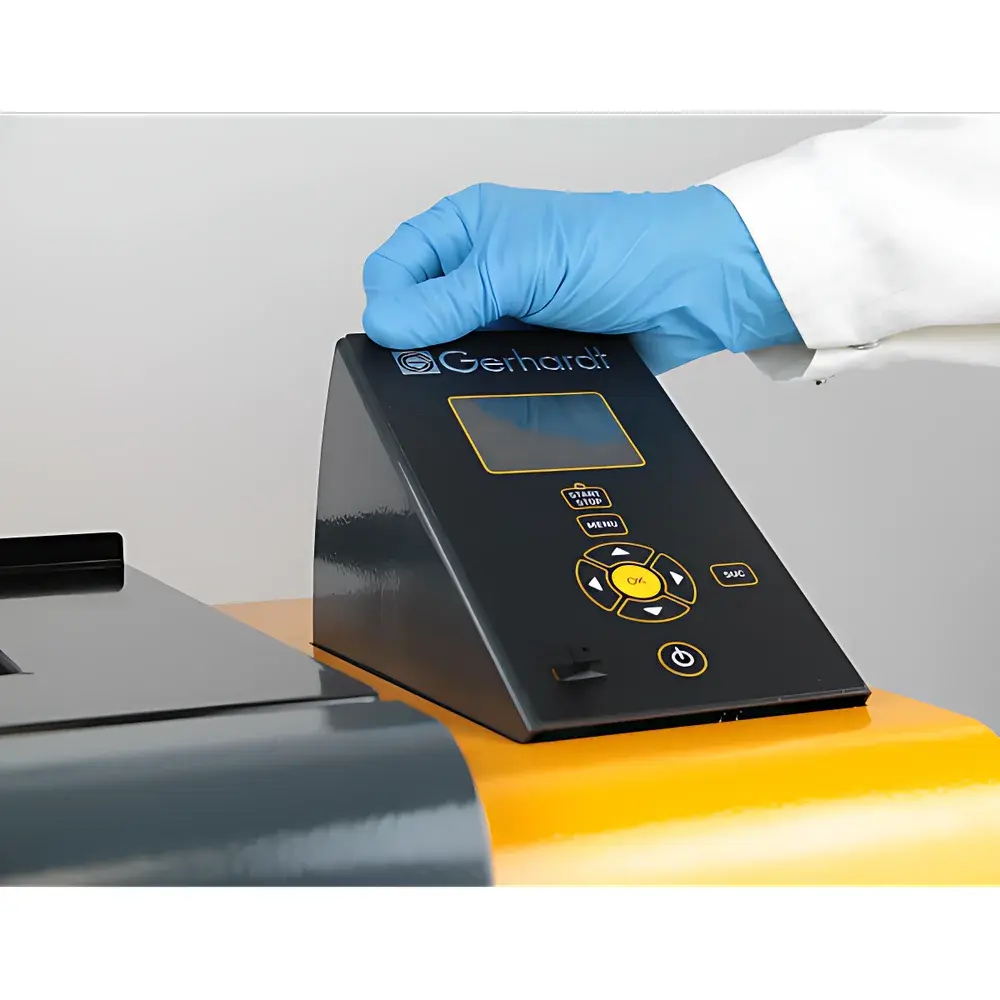
The TTs SO₂ operates via embedded firmware with a tactile 7-inch color touchscreen interface supporting multilingual operation (EN/DE/FR/ES). All method parameters—including heating ramps, hold times, stir speed, and gas flow rates—are stored with digital signatures and version history. Raw data (temperature vs. time, current power draw, stir status) is exportable in CSV format for LIMS integration. Optional LabControl Suite v4.2 provides advanced features: automated report generation (PDF/Excel), instrument qualification templates (IQ/OQ/PQ), electronic lab notebook (ELN) linkage, and audit trail functionality meeting FDA 21 CFR Part 11 and EU Annex 11 requirements.
Applications
This system is routinely deployed in QC laboratories for regulatory compliance testing of SO₂ residuals in APIs and excipients (e.g., sodium metabisulfite-stabilized formulations), preservative efficacy validation in topical products, sulfite screening in nutraceuticals per EFSA Panel on Food Additives, and residue monitoring in post-harvest fumigated produce. Its adaptability to cyanide and formaldehyde analysis also enables use in toxicology labs performing forensic volatile compound profiling and in environmental labs assessing leachate from landfill soils per EPA Method 9010C.
FAQ
What regulatory methods does the TTs SO₂ validate against?
It is fully compliant with AOAC 990.13, USP , Ph. Eur. 2.4.22, ISO 5775-1, and EP 2.4.22 for SO₂ determination.
Can the system be used for non-SO₂ analytes such as cyanide or formaldehyde?
Yes—its programmable distillation kinetics and modular trap configuration support validated adaptations for cyanide (AOAC 971.23), formaldehyde (ISO 16000-3), and volatile fatty acids (AOAC 961.07).
Is calibration verification traceable to national standards?
All temperature sensors are NIST-traceable (calibration certificate included); gas flow meters are certified to ISO 6145-3; and volumetric glassware carries DAkkS-accredited Class A certification.
Does the system support remote monitoring or network integration?
Via optional Ethernet/Wi-Fi module and LabControl Suite, users can access live status, initiate runs, and retrieve data remotely through secure HTTPS endpoints.
What maintenance is required for long-term reliability?
Annual preventive maintenance includes IR emitter output verification, stir motor torque calibration, condenser alignment check, and firmware security patching—all documented in the integrated service log.





