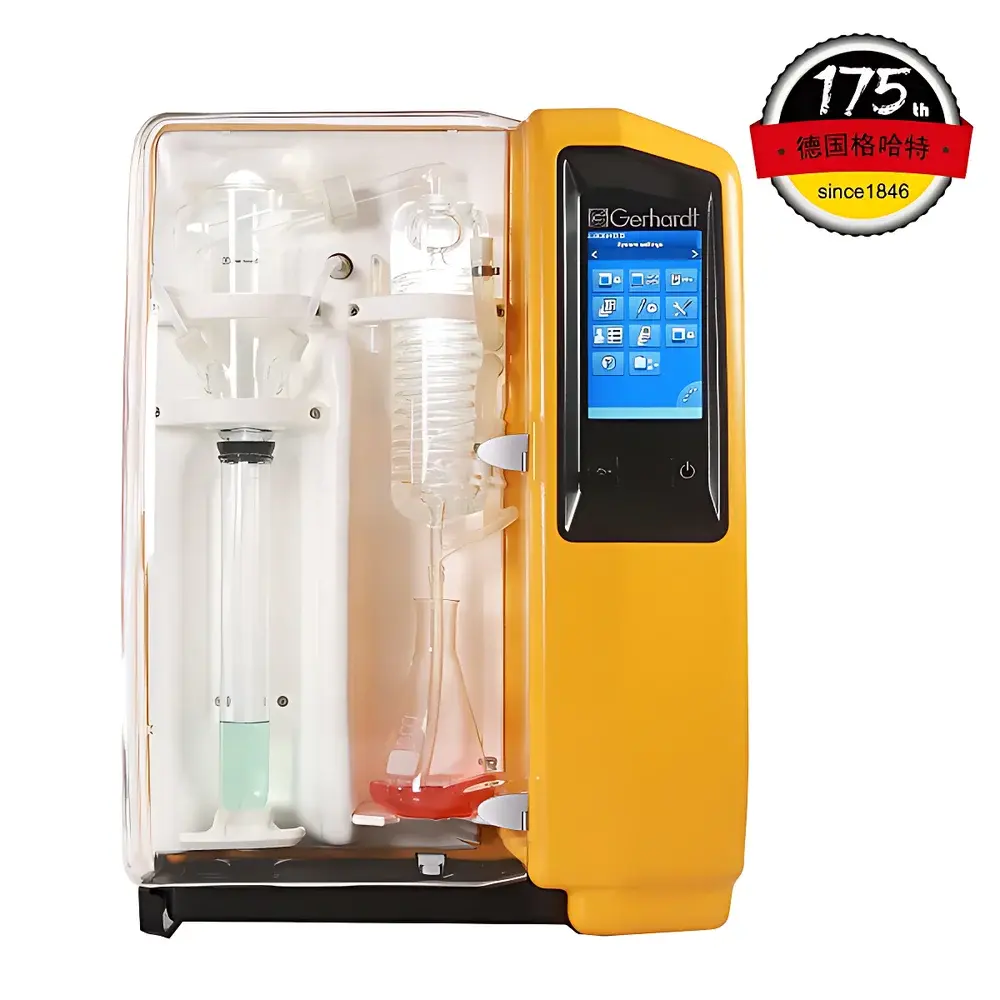
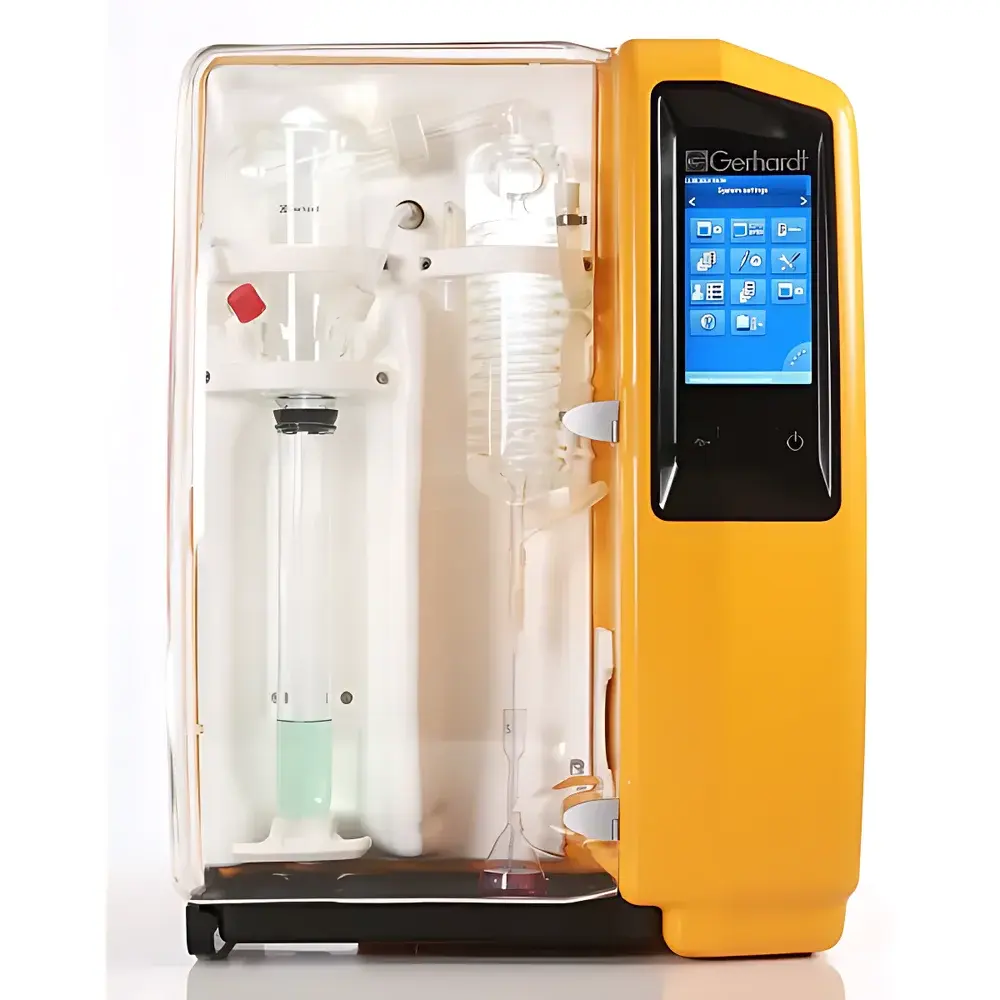
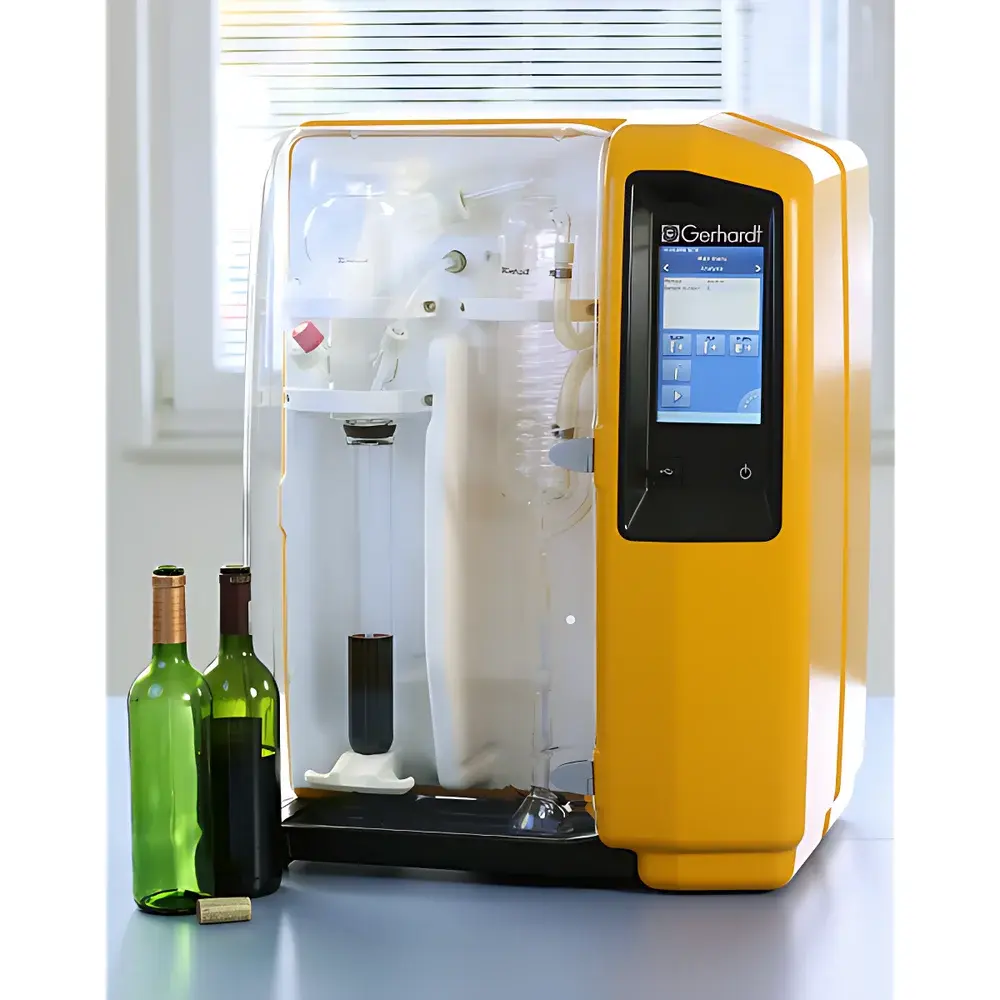
Gerhardt VAP200 Ethanol Concentration (Alcohol by Volume) Rapid Distillation Analyzer
| Brand | Gerhardt |
|---|---|
| Origin | Germany |
| Manufacturer Type | Manufacturer |
| Origin Category | Imported |
| Model | VAP200 |
| Instrument Type | Beer-Specific Analyzer |
| Application | Laboratory |
| Measurement Time | 4 min |
| Alcohol Content Range | 0–100 % v/v |
| pH Range | 0–14 |
| Dimensions (L × W × H) | 527 × 390 × 697 mm |
| Weight | 35 kg |
| Technology | Rapid Steam Distillation |
| Water Consumption | ~5 L/min |
| Distillation Time | 2–4 min |
| Power | 2200 W |
| Voltage/Frequency | 230 V AC, 50/60 Hz |
| Repeatability | ±1 % v/v |
| Detection Limit | 0.1 mg ethanol |
| Recovery Rate | ≥99.5 % |
| Quality Standard | EN ISO 9001 certified manufacturing |
Overview
The Gerhardt VAP200 Ethanol Concentration Rapid Distillation Analyzer is a fully automated, benchtop steam distillation system engineered for precise and compliant determination of alcohol content (ethanol, % v/v) in fermented and distilled beverages—including beer, wine, cider, spirits, and non-alcoholic malt beverages. It implements the internationally recognized reference method based on steam distillation followed by densimetric or refractometric quantification—fully aligned with official standards such as AOAC 922.03, OIV-OENO 485-2013, and EU Regulation No. 2019/1793 for alcoholic strength labeling. Unlike enzymatic or near-infrared alternatives, the VAP200 delivers primary-method accuracy by physically separating volatile ethanol from complex matrices via controlled steam generation and condensate collection—ensuring traceability, minimal matrix interference, and regulatory acceptance as an arbitration technique.
Key Features
- Fully automated steam distillation cycle: integrated reagent dosing, programmable steam intensity (10–100 %), real-time process monitoring, and error diagnostics displayed on high-contrast LCD interface.
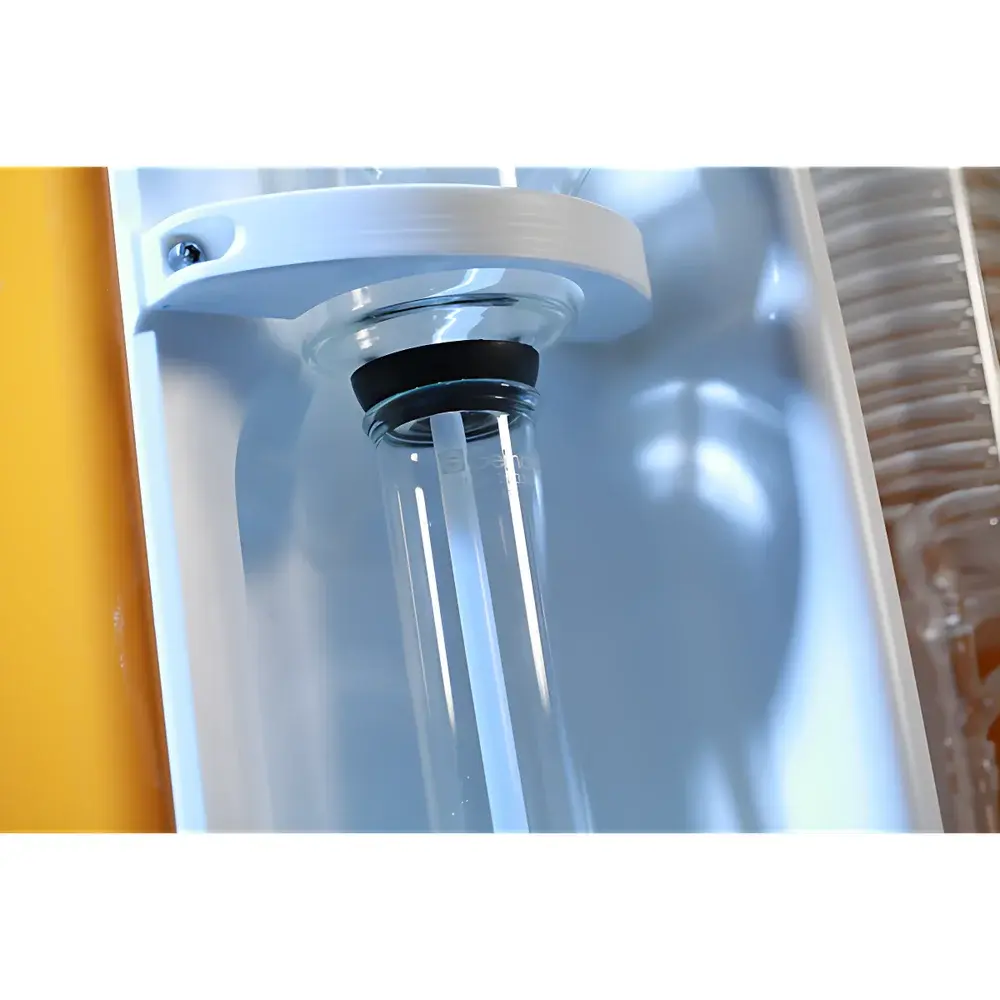
- Robust stainless-steel distillation chamber and condenser assembly, designed for long-term chemical resistance and thermal stability under repeated 2–4 minute cycles.
- High recovery efficiency (≥99.5 %) validated across diverse beverage matrices, including hopped wort, turbid wines, and high-sugar musts—minimizing systematic bias from co-distillation or carryover.
- Repeatability of ±1 % v/v (at 5–12 % v/v range) confirmed per internal validation protocols and third-party interlaboratory studies (e.g., EBC Method 9.2.1).
- Compliant with EN ISO 9001:2015 quality management systems throughout design, component sourcing, final assembly, and factory calibration in Berlin, Germany.
- Engineered for laboratory integration: compact footprint (527 × 390 × 697 mm), 35 kg mass optimized for vibration-dampened bench mounting, and 230 V AC / 50–60 Hz universal operation.
Sample Compatibility & Compliance
The VAP200 accepts liquid samples directly—no pre-filtration required for clarified beers or wines; turbid or particulate-containing samples (e.g., unfiltered craft beers, fruit ciders) may require centrifugation or coarse filtration per AOAC guidelines to prevent nozzle clogging. Sample volume is operator-defined (typically 50–200 mL), accommodating both routine QC and low-volume R&D workflows. The system complies with GLP documentation requirements through audit-ready procedural logs and supports integration into GMP environments when paired with external density meters meeting ASTM D1298 or ISO 3675 specifications. Its physical separation principle ensures compatibility with regulatory submissions requiring first-principle methodology—particularly where enzymatic assays lack acceptance for legal metrology or tax classification (e.g., HMRC, TTB, EU Excise Duty frameworks).
Software & Data Management
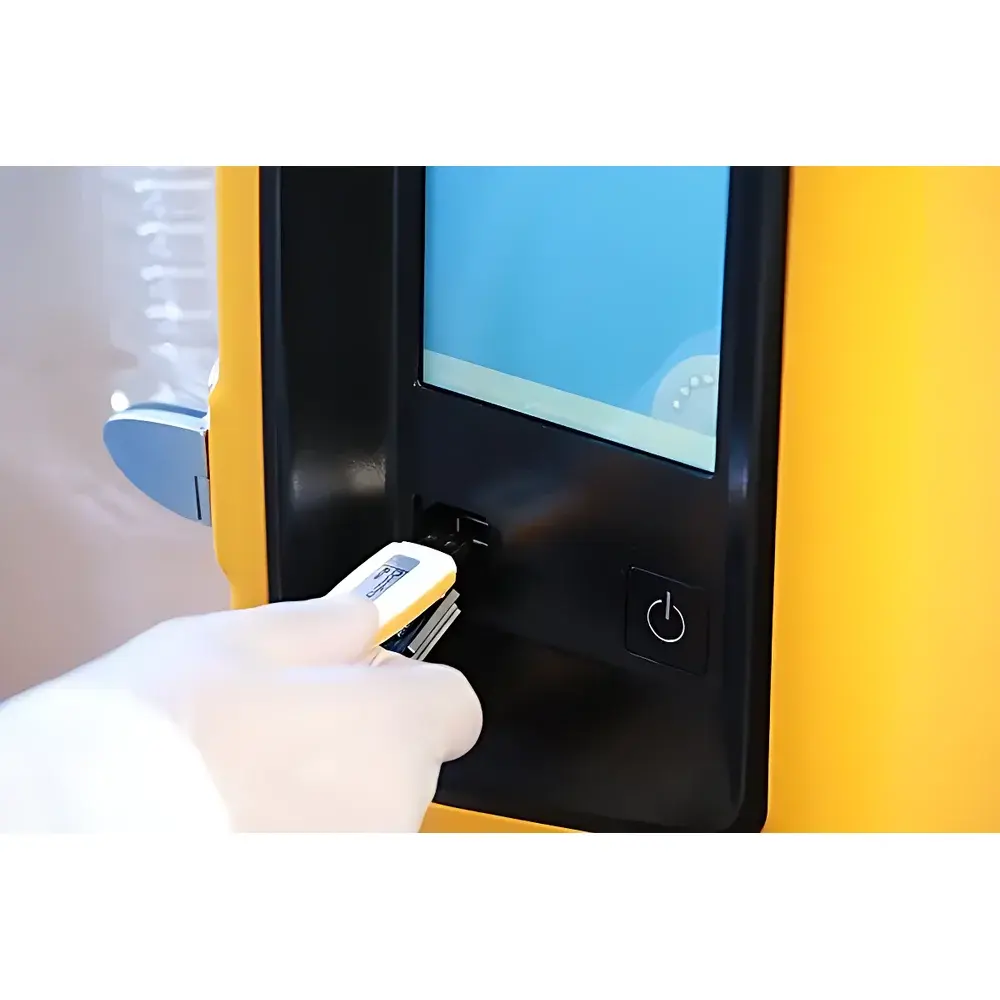
The VAP200 operates via embedded firmware with no external PC dependency—enabling standalone use in production labs or field-deployed quality units. All method parameters (steam ramp profile, hold time, condensate volume trigger) are stored in non-volatile memory and protected by password-secured user levels (Operator, Supervisor, Service). Each run generates a timestamped record containing sample ID, start/stop times, steam intensity setting, detected anomalies (e.g., low coolant flow, overheating), and pass/fail status per built-in self-test routines. While native data export is limited to printed reports via optional thermal printer interface, the instrument’s RS-232 port enables bidirectional communication with LIMS or ELN platforms supporting ASCII-based command protocols—facilitating 21 CFR Part 11 compliance when deployed with validated middleware and electronic signature workflows.
Applications
- Final product release testing for breweries, wineries, and distilleries—verifying label compliance per national alcohol-by-volume regulations.
- Process control during fermentation: rapid ethanol tracking to optimize yeast kinetics and prevent stuck fermentations.
- Raw material verification (e.g., malt extract alcohol carryover, adjunct sugar conversion yield).
- Method validation and cross-checking against GC-FID or FTIR reference measurements in accredited laboratories (ISO/IEC 17025).
- Tax classification support for excise duty calculation in EU Member States and OECD jurisdictions where steam distillation remains the legally mandated reference technique.
FAQ
Is the VAP200 suitable for non-beverage samples such as pharmaceutical tinctures or fuel ethanol?
Yes—provided the sample matrix is aqueous and free of high-boiling solvents (e.g., glycerol, propylene glycol) that could interfere with ethanol volatility or condensate purity. Validation per USP <621> is recommended for pharmacopeial use.
Does the system require daily calibration?
No routine calibration is needed between runs; however, periodic verification using certified ethanol reference standards (e.g., NIST SRM 1818) is advised per ISO/IEC 17025 clause 7.7 and internal QA schedules.
Can the VAP200 be connected to a digital density meter for direct % v/v readout?
Yes—the condensate outlet is standardized for seamless coupling with Anton Paar DMA series or Rudolph J25 instruments via PTFE tubing; Gerhardt provides mechanical alignment fixtures and protocol templates for full workflow automation.
What maintenance intervals are recommended for uninterrupted operation?
Daily: rinse condenser coil and drain trap. Monthly: inspect steam generator gasket integrity and descale boiler chamber using citric acid solution. Annually: full performance verification by Gerhardt-certified service engineer.