
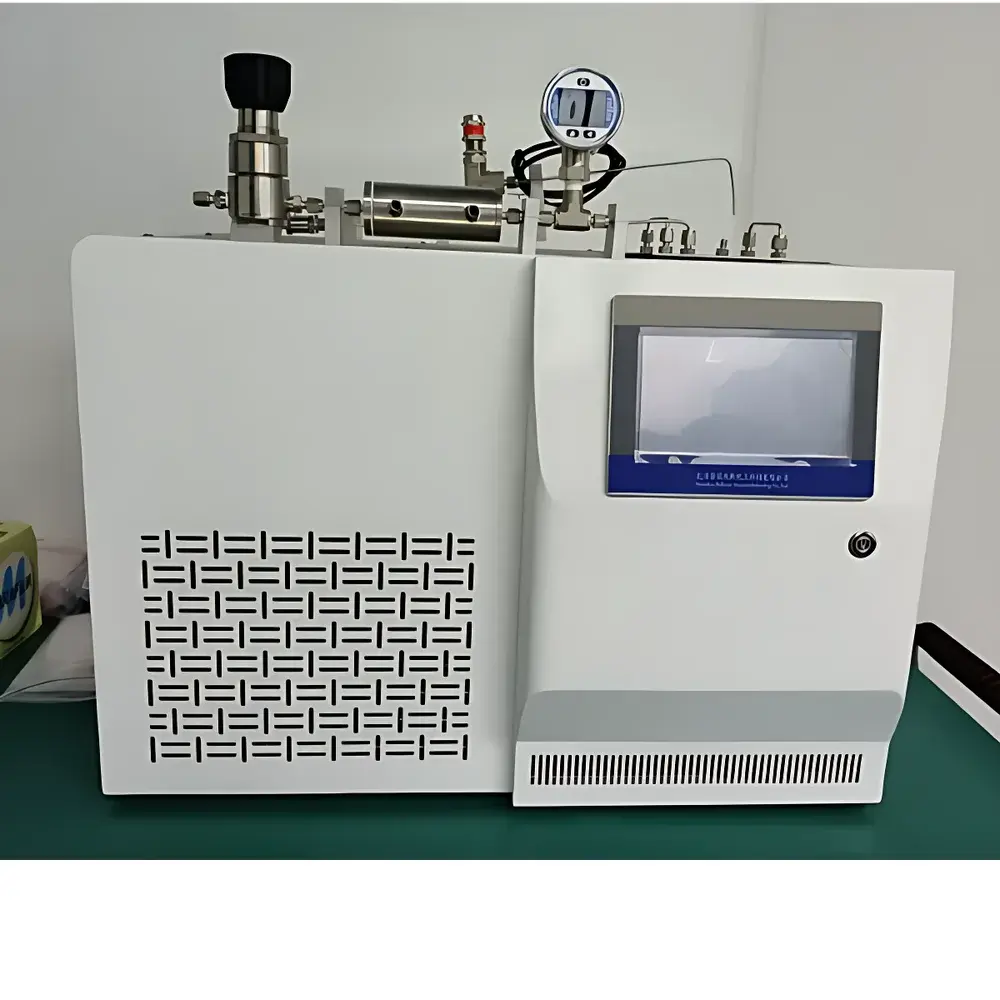
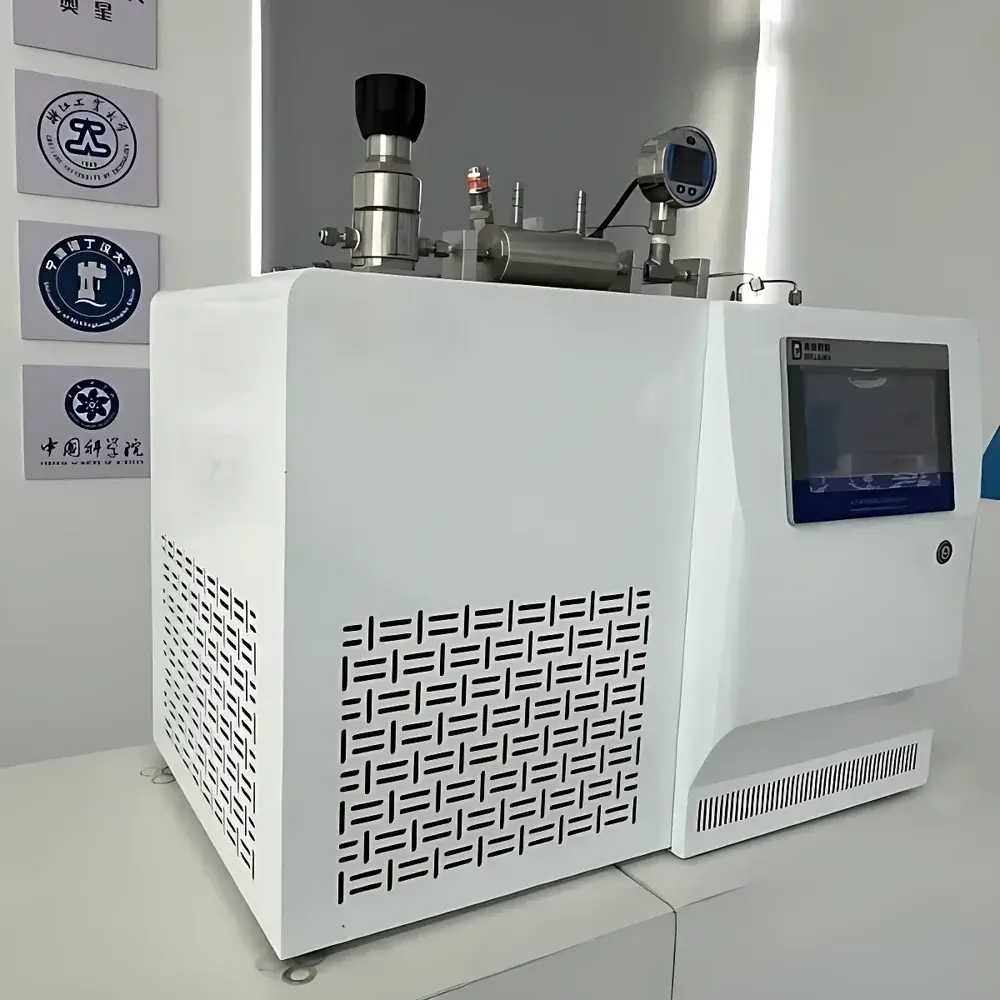
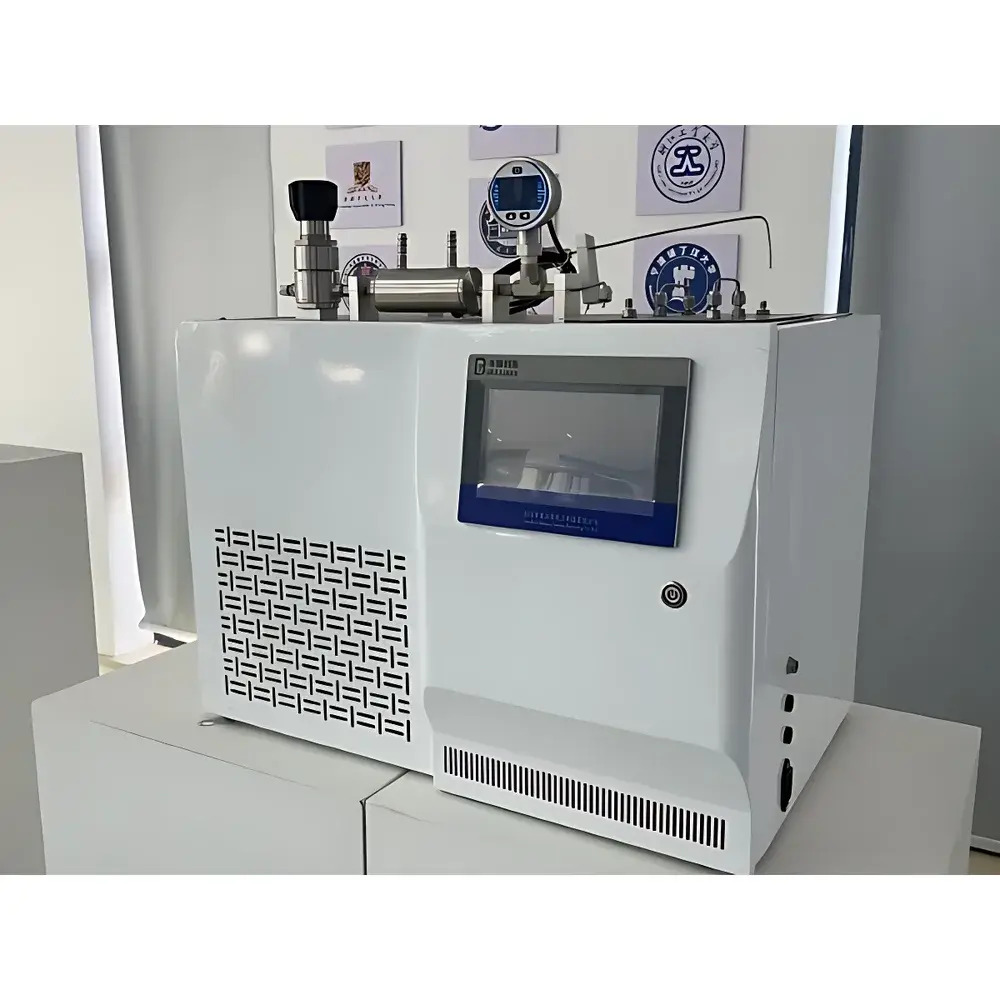
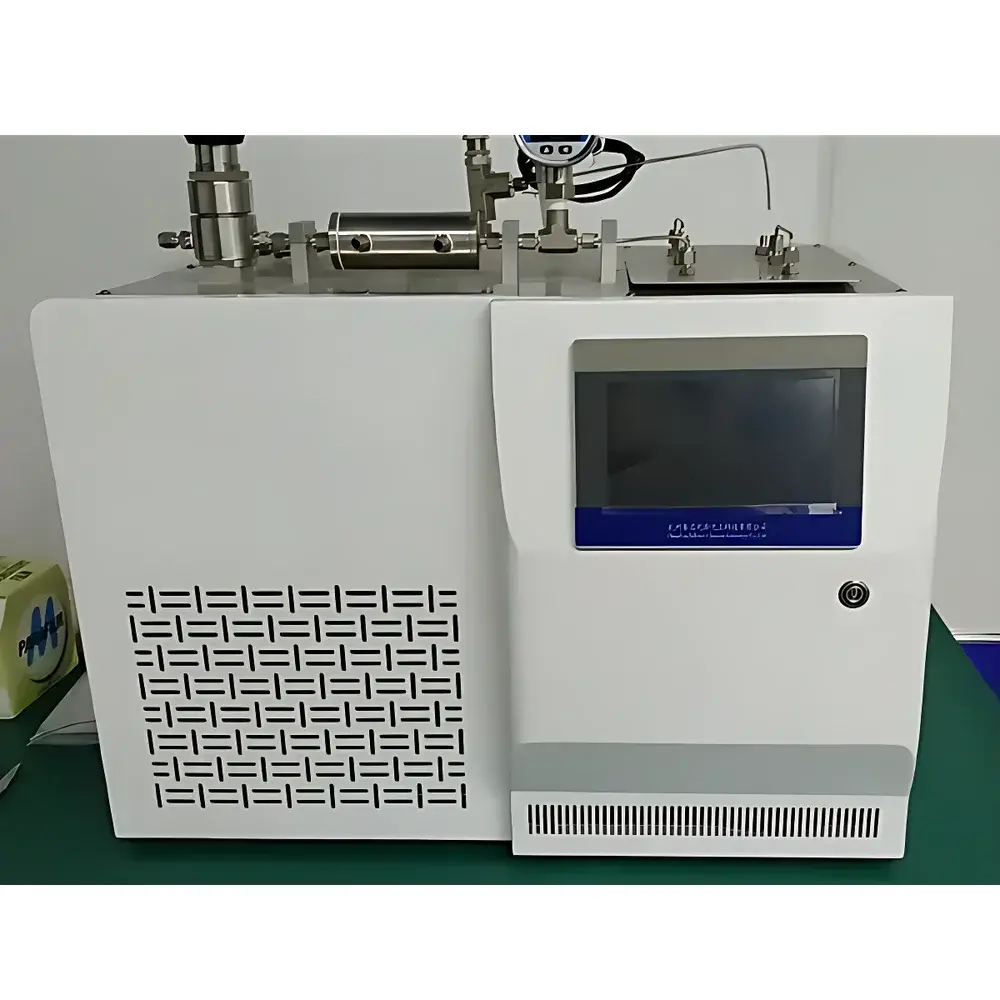
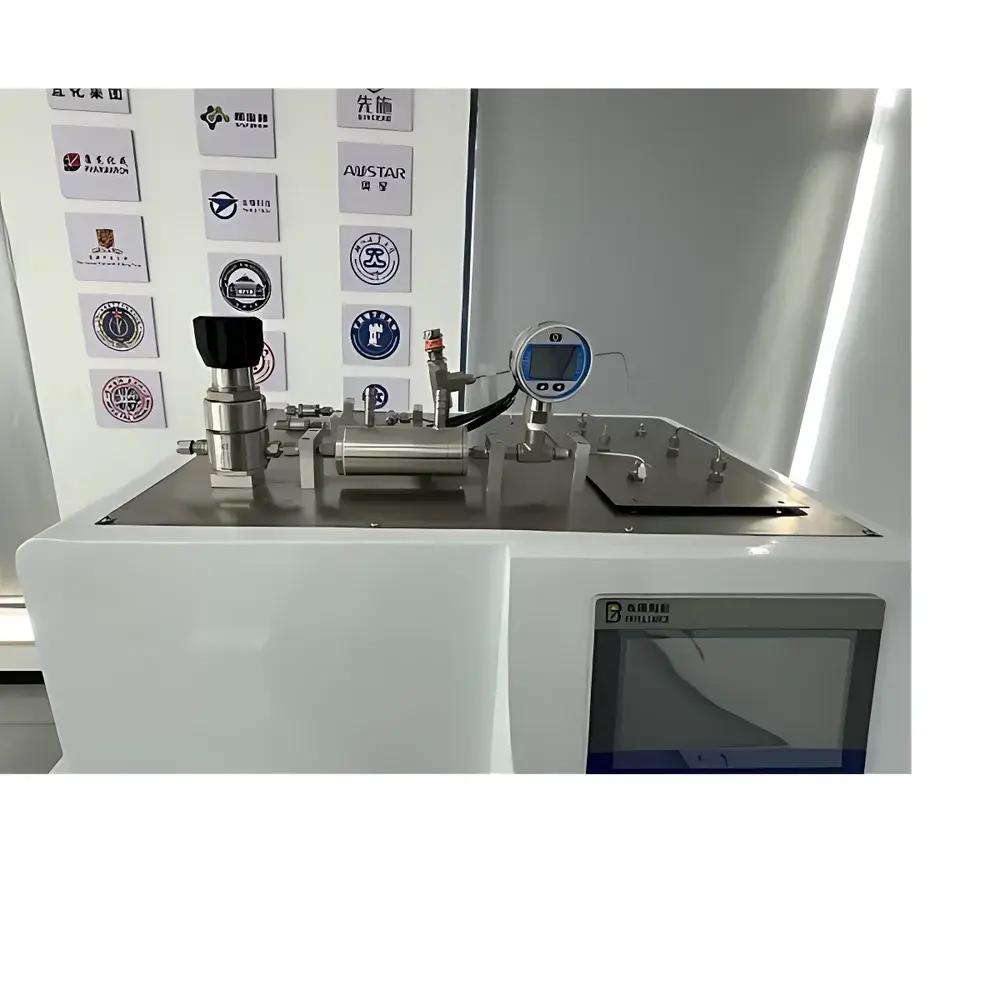
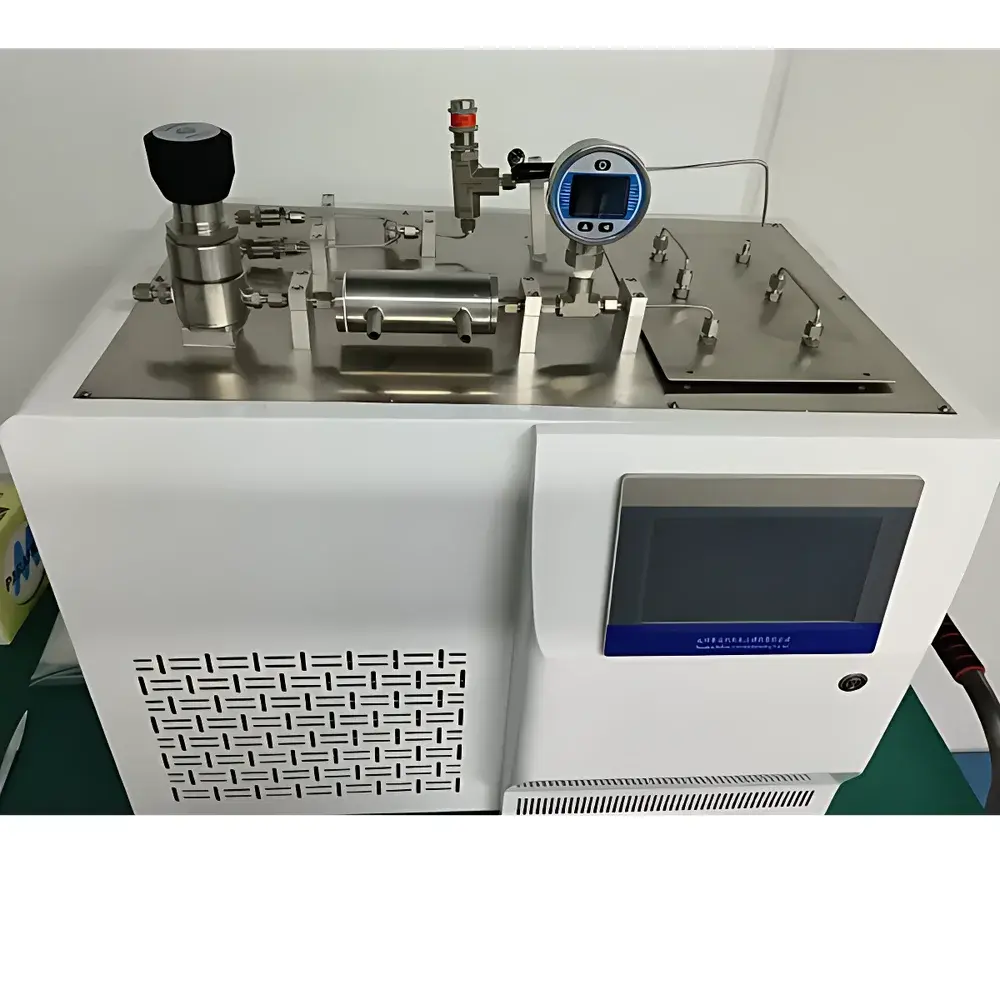
Brilliance Bri-CF- Integrated Continuous Flow Tubular Microreactor
| Brand | Brilliance |
|---|---|
| Model | Bri-CF- |
| Reactor Type | Continuous Flow Tubular Microreactor |
| Construction Material | 316L Stainless Steel / Hastelloy C-276 (optional) |
| Pump Configuration | Dual Plunger Pumps (100 mL/min each, external) |
| Max Flow Rate | ≤200 mL/min |
| Inlet/Outlet Port | 1/8″ NPT |
| Max Operating Pressure | ≤10 MPa |
| Hold-up Volume | 10–60 mL (standard: 30 mL |
| Mixing Zone Volume | 0.12 mL |
| Temperature Range | –20 °C to +200 °C (integrated high-low temperature circulator) |
| Reactor Configurations | 8 interchangeable coil-based reactor modules |
| Compatible Online Analyzers | UV-Vis and Mid-IR flow cells |
| Footprint | 650 × 450 × 600 mm (L×W×H) |
| Exclusion | Suspensions containing particles >50 µm |
Overview
The Brilliance Bri-CF- Integrated Continuous Flow Tubular Microreactor is an engineered platform for precision-controlled, scalable chemical synthesis under continuous flow conditions. It operates on the fundamental principles of laminar flow mixing and controlled residence time distribution within geometrically defined microchannel geometries—specifically, thermally managed helical or serpentine coils fabricated from corrosion-resistant alloys. Unlike batch reactors, this system enables reproducible heat and mass transfer characteristics, reduced thermal gradients, and enhanced safety through minimized in-process inventory. Designed for laboratory-scale process development, it bridges the gap between discovery chemistry and pilot-scale manufacturing by delivering consistent kinetic data, improved selectivity in exothermic or fast reactions, and direct scalability via numbering-up rather than scaling-up. Its integrated architecture eliminates inter-unit tubing dead volumes and alignment errors common in modular flow setups, ensuring robust performance across R&D, quality-by-design (QbD) studies, and regulatory-compliant method development.
Key Features
- Fully integrated design combining precision metering pumps, static mixing elements, thermostatted reaction coils, and real-time spectroscopic monitoring in a single compact footprint.
- Eight interchangeable coil reactor modules—each with distinct internal diameter, length, and curvature—allow systematic investigation of residence time, mixing efficiency, and thermal response without hardware reconfiguration.
- Dual externally mounted plunger pumps (100 mL/min each) provide pulseless, accurate delivery across wide viscosity and pressure ranges; compatible with solvent gradients and multi-stream reagent introduction.
- Integrated high-low temperature circulator maintains setpoint stability ±0.3 °C over the full –20 °C to +200 °C range, supporting cryogenic lithiation, high-temperature heterocycle formation, and polymerization kinetics.
- Optimized low-volume mixing zone (0.12 mL hold-up) ensures rapid homogenization prior to entry into the reaction coil, minimizing axial dispersion and enabling sharp residence time distributions (RTDs).
- Pre-configured mounting interfaces for industry-standard flow-through UV-Vis and mid-IR transmission cells, facilitating real-time conversion tracking, endpoint detection, and multivariate calibration.
Sample Compatibility & Compliance
The Bri-CF- supports homogeneous liquid-phase reactions involving organic solvents, aqueous media, and low-viscosity slurries—provided suspended particulates remain below 50 µm to prevent channel occlusion. It is not intended for gas-liquid slug flow, highly abrasive suspensions, or reactions generating significant solid precipitates without inline filtration. All wetted parts comply with ASTM A240 (316L SS) and ASTM B575 (Hastelloy C-276) specifications. Pressure containment meets ASME B31.3 process piping guidelines for laboratory service. The system architecture supports audit-ready operation under GLP and GMP environments: pump logs, temperature profiles, and flow rate timestamps are exportable in CSV format with user-defined metadata fields. Optional firmware upgrades enable 21 CFR Part 11–compliant electronic signatures and audit trail generation for regulated pharmaceutical development.
Software & Data Management
Operation is managed via a dedicated touchscreen HMI running embedded Linux, offering intuitive parameter setting (flow rate, temperature ramp, dwell time), real-time graphical display of sensor outputs (T, P, UV absorbance), and automated sequence execution. All operational data—including timestamps, setpoints, and measured values—are stored locally on encrypted SD card and synchronizable to network drives via Ethernet. Raw spectral data from UV-Vis and mid-IR detectors are streamed in standard JCAMP-DX format for post-acquisition chemometric analysis (e.g., PCA, PLS regression). Export modules support integration with ELN platforms (e.g., LabArchives, Benchling) via RESTful API. Firmware updates are delivered via secure HTTPS with SHA-256 signature verification.
Applications
- Kinetic profiling of transition-metal-catalyzed cross-couplings (Suzuki, Heck, Buchwald–Hartwig) under precisely controlled stoichiometry and thermal history.
- Photochemical transformations using integrated LED arrays (optional add-on) with wavelength-specific irradiation of transparent coil segments.
- High-yield nitration, diazotization, and halogenation reactions benefiting from instantaneous mixing and suppressed hot-spot formation.
- Continuous crystallization screening via antisolvent addition in segmented flow mode, coupled with inline FBRM or PVM for particle size evolution tracking.
- Process intensification studies for API intermediate synthesis, aligned with ICH Q8(R3) and Q9 principles.
FAQ
What materials are available for the reactor coils and fluidic pathways?
Standard construction uses electropolished 316L stainless steel; Hastelloy C-276 is available for highly corrosive reagents (e.g., HF-containing systems, hot chlorinated solvents). All seals are FFKM-rated for broad chemical compatibility.
Can the system be operated under inert atmosphere?
Yes—integrated pressure regulation and optional Schlenk-line-compatible inlet manifolds allow continuous N₂ or Ar sparging; dissolved oxygen levels can be monitored via inline electrochemical sensor (add-on module).
Is remote monitoring supported?
The unit includes Ethernet connectivity and Modbus TCP protocol support, enabling integration into centralized SCADA or MES environments for fleet-wide status monitoring and predictive maintenance scheduling.
How is calibration traceability maintained?
Flow sensors are factory-calibrated against NIST-traceable gravimetric standards; temperature sensors are certified to ITS-90 with ±0.15 °C accuracy. Calibration certificates are provided with each shipment.
What safety interlocks are implemented?
Hardware-enforced pressure cutoff at 10.5 MPa, overtemperature shutdown at 205 °C, and flow interruption upon door opening or pump stall detection—all independently wired to a SIL-2 rated safety relay.



