
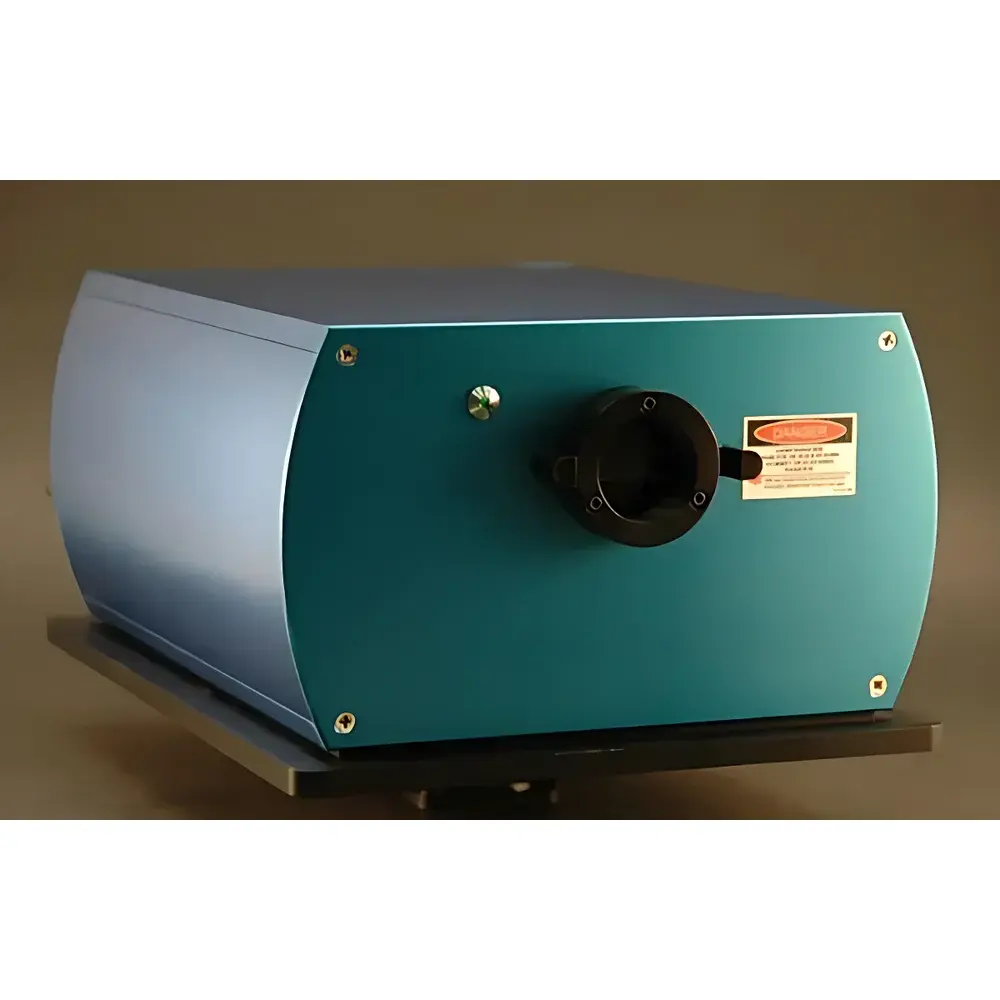
IPS Wavelength-Stabilized Narrow-Linewidth Single-Frequency Semiconductor Laser
| Origin | USA |
|---|---|
| Manufacturer Type | Distributor |
| Origin Category | Imported |
| Model | IPS |
| Pricing | Upon Request |
| Core Components | Semiconductor Laser Source & Integrated Packaging |
Overview
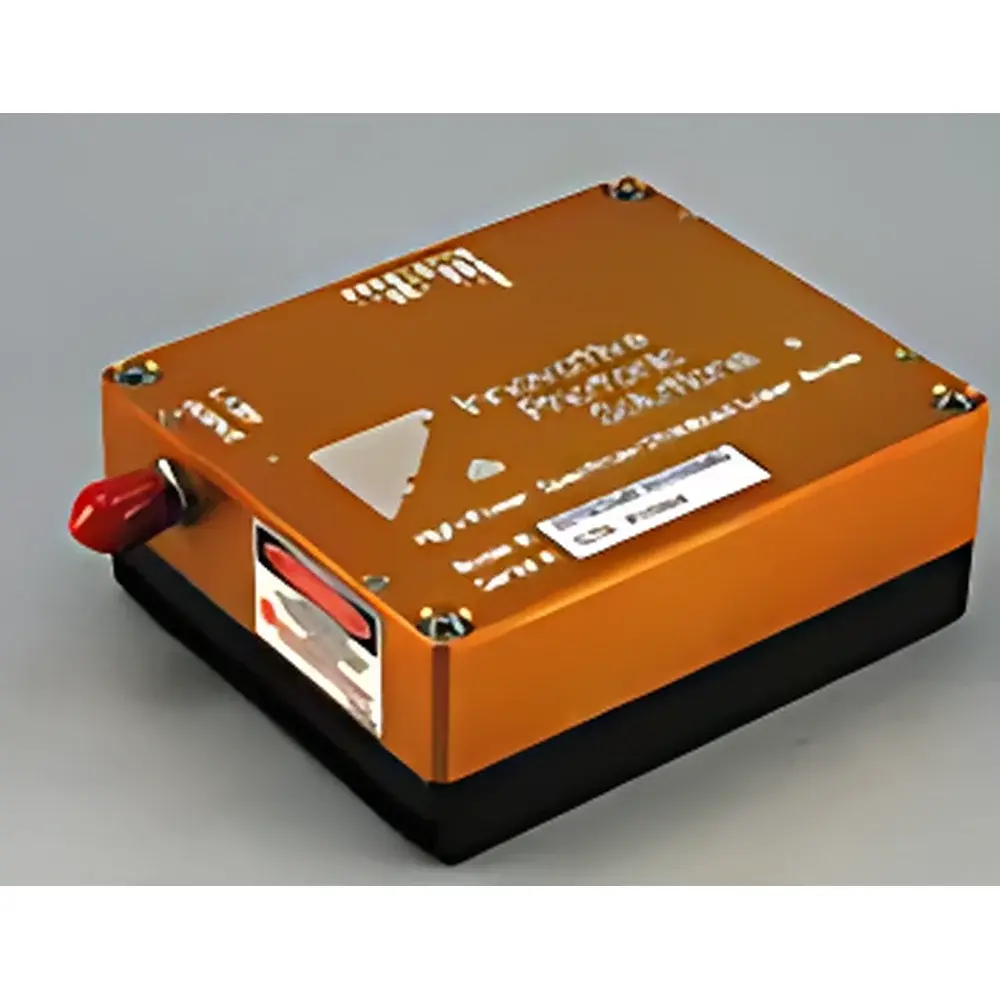
The IPS Wavelength-Stabilized Narrow-Linewidth Single-Frequency Semiconductor Laser is an engineered solution for applications demanding high spectral purity, long-term wavelength fidelity, and robust operation in dynamic environments. Based on monolithic distributed Bragg reflector (DBR) or grating-stabilized ridge-waveguide semiconductor architecture, this laser operates on the principle of intracavity wavelength selection via integrated passive gratings—eliminating the need for external cavity feedback while maintaining sub-MHz-level intrinsic linewidths. Unlike conventional DFB lasers subject to mode-hopping under thermal drift, or bulky external-cavity diode lasers (ECDLs) vulnerable to mechanical perturbation, the IPS platform integrates active thermal stabilization, hermetic packaging, and monolithic spectral filtering to achieve exceptional wavelength stability (< ±1 pm over 24 h at constant current and temperature). It serves as a drop-in replacement for high-cost ECDLs and DFB-based seed sources in fiber laser pumping, nonlinear frequency conversion (e.g., SHG, OPO), coherent LIDAR, atomic spectroscopy, and high-resolution optical metrology.
Key Features
- Ultra-narrow instantaneous linewidth: < 100 kHz (measured via delayed self-heterodyne interferometry)
- Wavelength stability: < ±0.5 pm over 8-hour continuous operation; < ±2 pm across –10 °C to +60 °C ambient range with internal TEC control
- Broad spectral coverage: Customizable from 635 nm to 2400 nm — including standard wavelengths (638, 785, 808, 830, 976, 1064, 1546 nm) and extended options (e.g., 778, 852, 894, 1053, 1074, 1168 nm) for atomic transitions and telecom bands
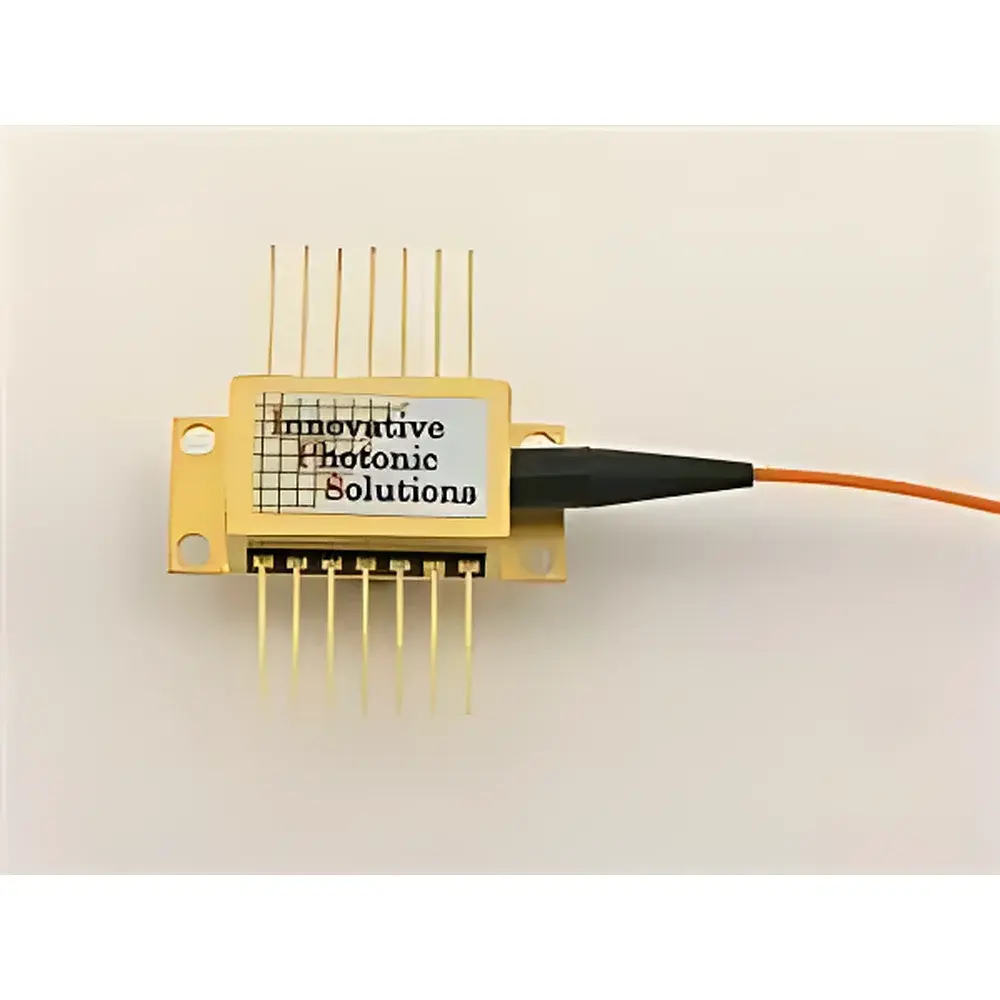
- Output configurations: Polarization-maintaining (PM) fiber pigtailed (FC/APC or FC/PC) or free-space collimated beam (with optional adjustable focusing optics)
- Pulsed operation capability: Nanosecond-scale gating support; minimum pulse width down to 220 ps (FWHM) with peak power scaling linearly with drive current
- Integrated thermal management: Multi-stage thermoelectric cooler (TEC) with ±0.01 °C setpoint resolution and real-time PID feedback
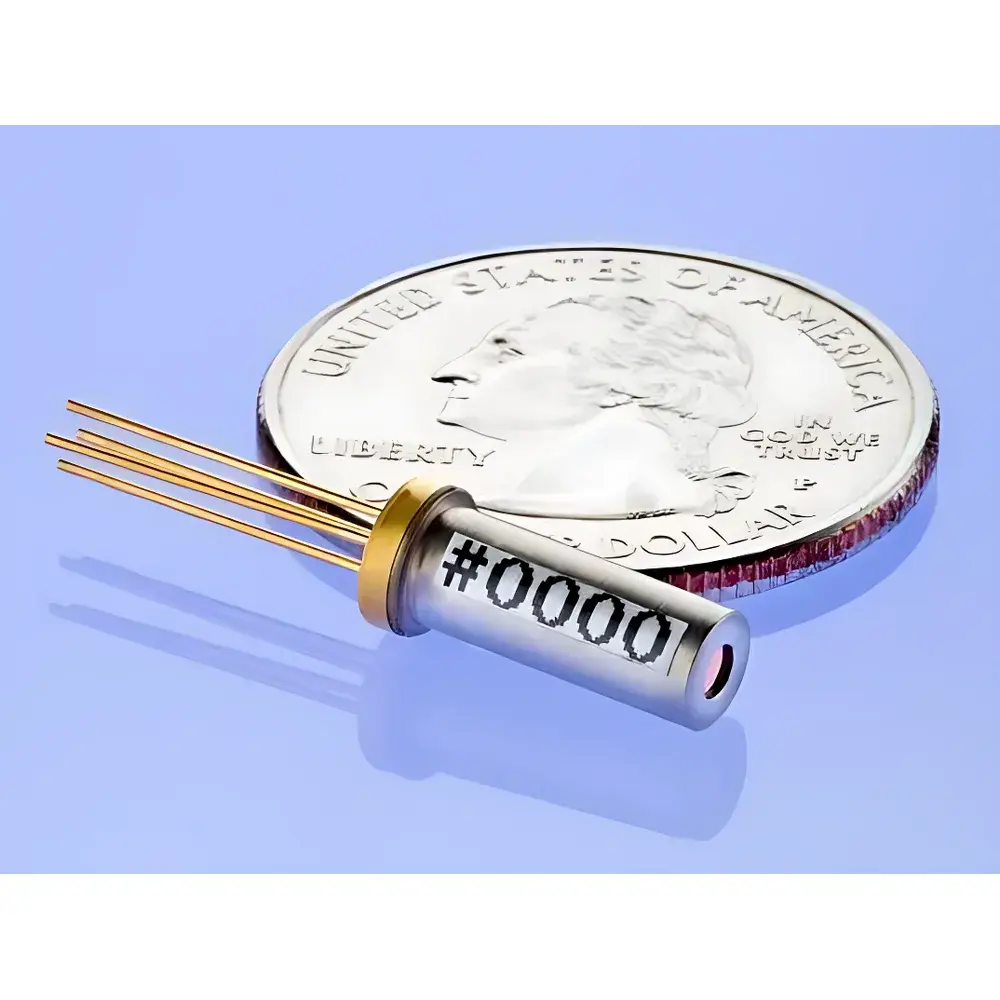
- Hermetic TO-can or butterfly packaging compliant with Telcordia GR-468-CORE reliability standards
Sample Compatibility & Compliance
The IPS laser is compatible with standard single-mode and polarization-maintaining fiber systems (SMF-28, PM980, HI1060), enabling seamless integration into OEM fiber amplifiers, interferometric sensors, and quantum optics platforms. All units undergo burn-in testing per MIL-STD-883 Method 1015 and are rated for >50,000 hours MTBF under nominal operating conditions. Device-level compliance includes IEC 60825-1:2014 (laser safety Class 3B or 4 depending on output power), RoHS 3 Directive 2015/863/EU, and REACH SVHC screening. For regulated environments (e.g., medical device OEMs, aerospace subsystems), full traceability documentation—including wafer lot IDs, test reports, and calibration certificates—is provided upon request. The laser meets key requirements for GLP/GMP-aligned optical subsystem qualification when used in analytical instrumentation.
Software & Data Management
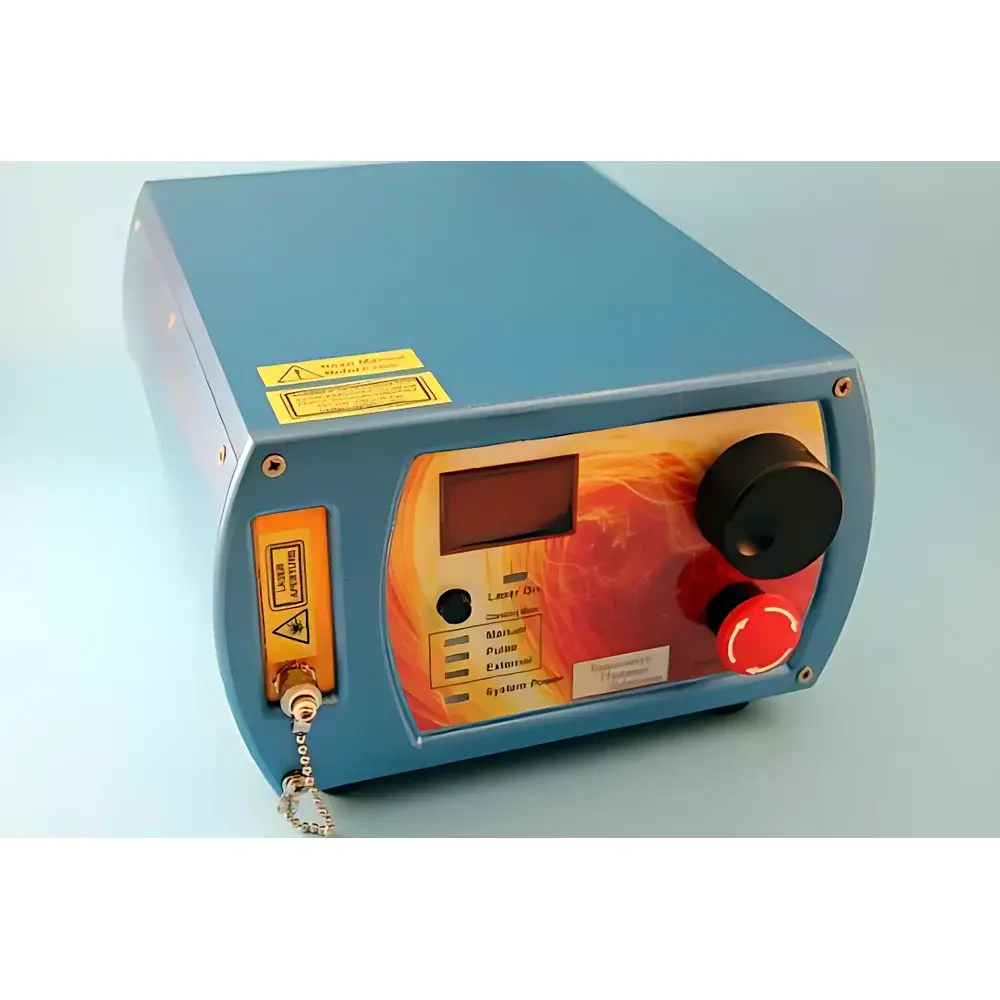
Each IPS unit ships with a USB- or RS-232–enabled driver board supporting analog modulation (0–5 V input), digital TTL triggering, and bidirectional communication via ASCII command protocol. Optional LabVIEW™, Python (PySerial), and MATLAB® instrument control drivers are available for automated wavelength sweep, power ramping, and lock-in synchronization. Firmware supports configurable safety interlocks, user-defined temperature/power profiles, and nonvolatile storage of operational history (up to 10,000 timestamped entries). Audit trails comply with FDA 21 CFR Part 11 requirements when deployed with validated software layers and electronic signature modules. Remote monitoring and diagnostics are enabled via optional Ethernet interface (IEEE 802.3) with SNMP v3 support.
Applications
- Fiber laser seeding: High-coherence injection for MOPA architectures requiring low RIN (< –155 dBc/Hz) and narrow linewidth amplification
- Nonlinear optics: Efficient second-harmonic generation (SHG) in PPLN waveguides and optical parametric oscillation (OPO) pumping
- Atomic physics: Precise excitation of alkali D-lines (e.g., Rb-87 at 780.24 nm, Cs-133 at 852.35 nm) and metastable transitions in trapped-ion experiments
- Distributed acoustic sensing (DAS): Coherent detection in Φ-OTDR systems requiring phase noise < 1 rad²/Hz at 1 kHz offset
- Interferometric metrology: Displacement measurement, gravitational wave detector auxiliary lasers, and optical coherence tomography (OCT) swept-source variants
- Gas spectroscopy: High-resolution absorption line scanning in mid-IR via difference-frequency generation (DFG) or photoacoustic detection
FAQ
What is the typical coherence length of the IPS laser at 1064 nm?
Coherence length exceeds 1.5 km (calculated from <100 kHz linewidth), verified by Michelson interferometer measurements.
Can the laser be modulated at RF frequencies?
Yes — analog current modulation bandwidth reaches 500 MHz (–3 dB point) with appropriate driver; digital TTL gating supports repetition rates up to 100 MHz.
Is optical isolation required for all configurations?
Isolation is strongly recommended (>30 dB) for fiber-coupled units in amplifier chains or reflective environments to prevent feedback-induced instability.
Do you offer custom wavelength options outside the listed catalog values?
Yes — custom DBR designs are supported across the full 635–2400 nm range; lead time and minimum order quantities apply.
How is wavelength calibration performed and certified?
Each unit is calibrated using a NIST-traceable high-finesse Fabry–Pérot interferometer and wavelength meter (±0.5 pm accuracy); certificate includes spectral scan data and drift characterization.




