
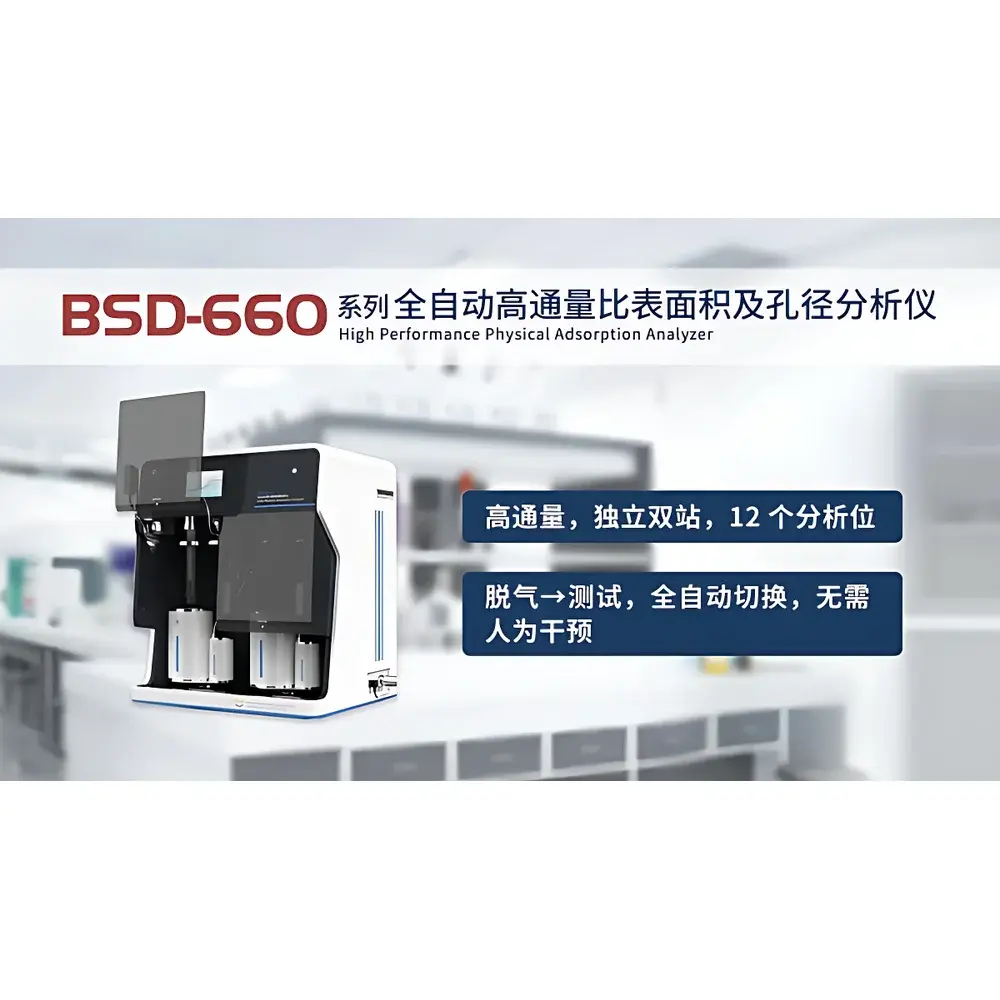
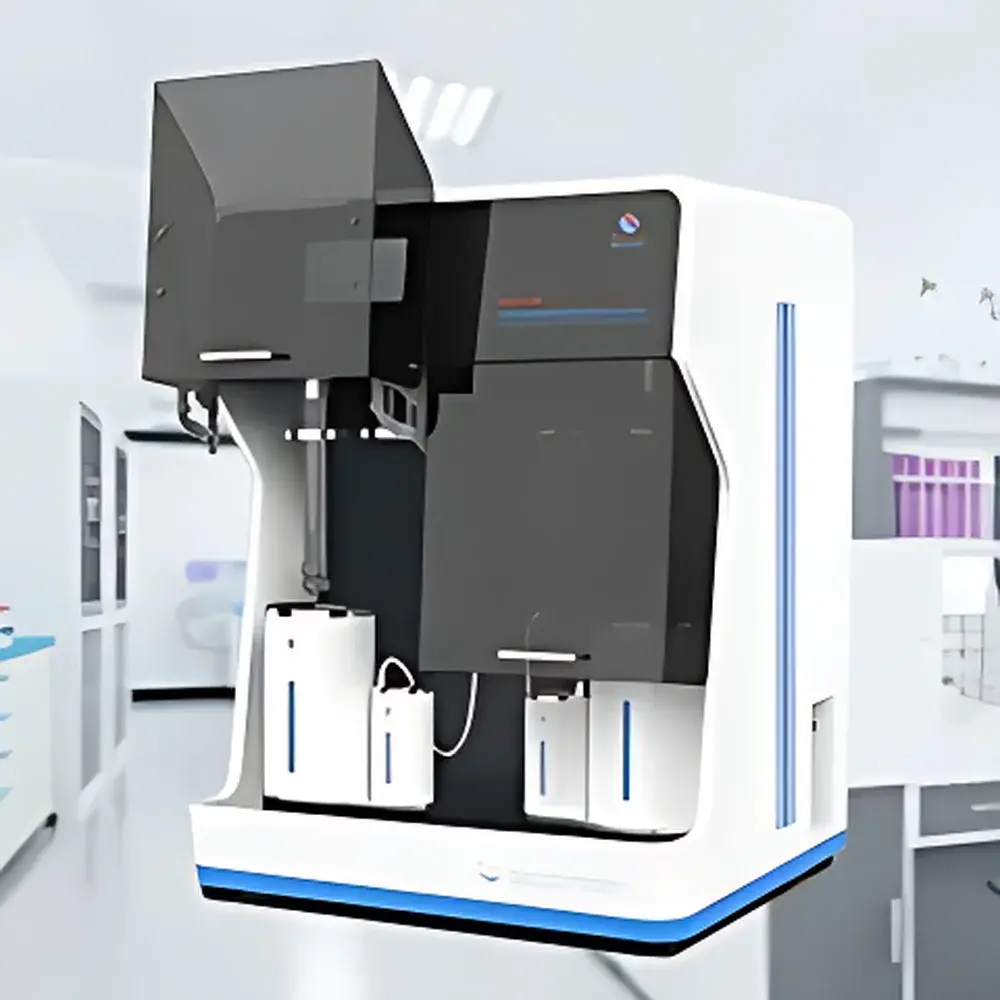
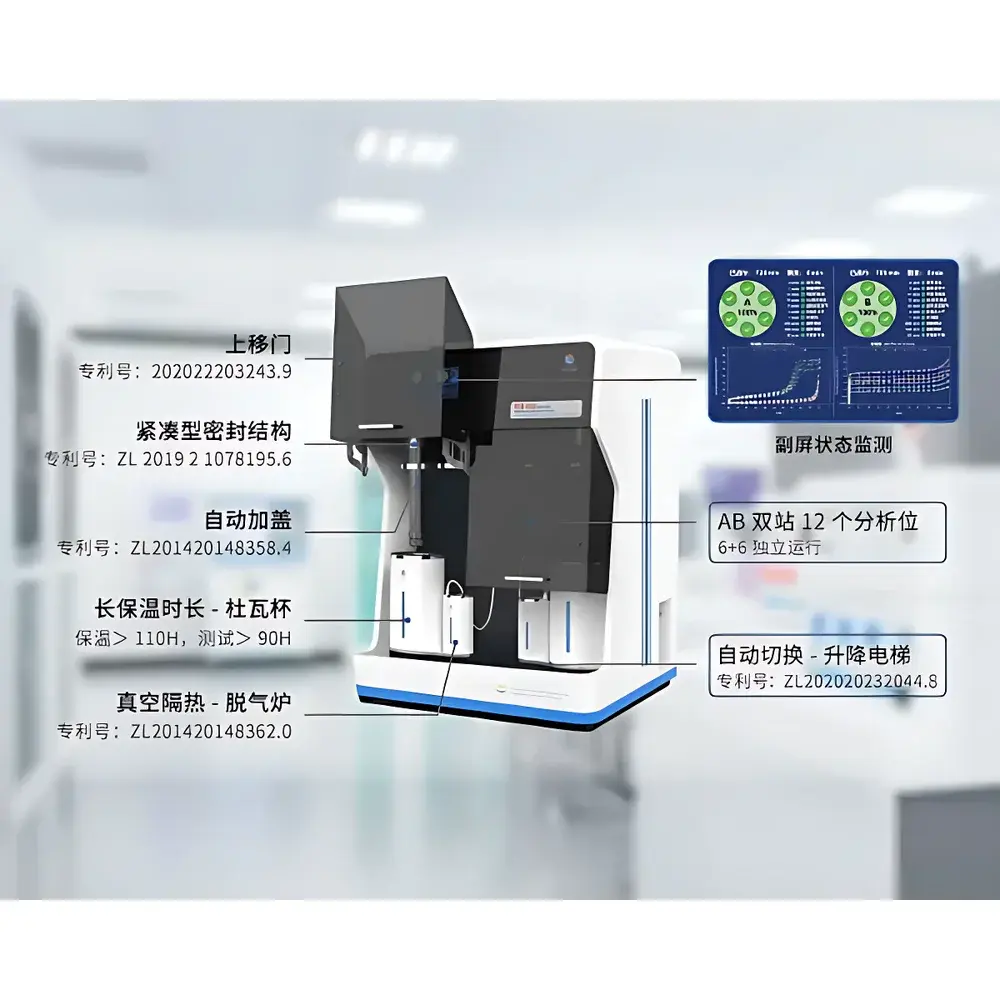
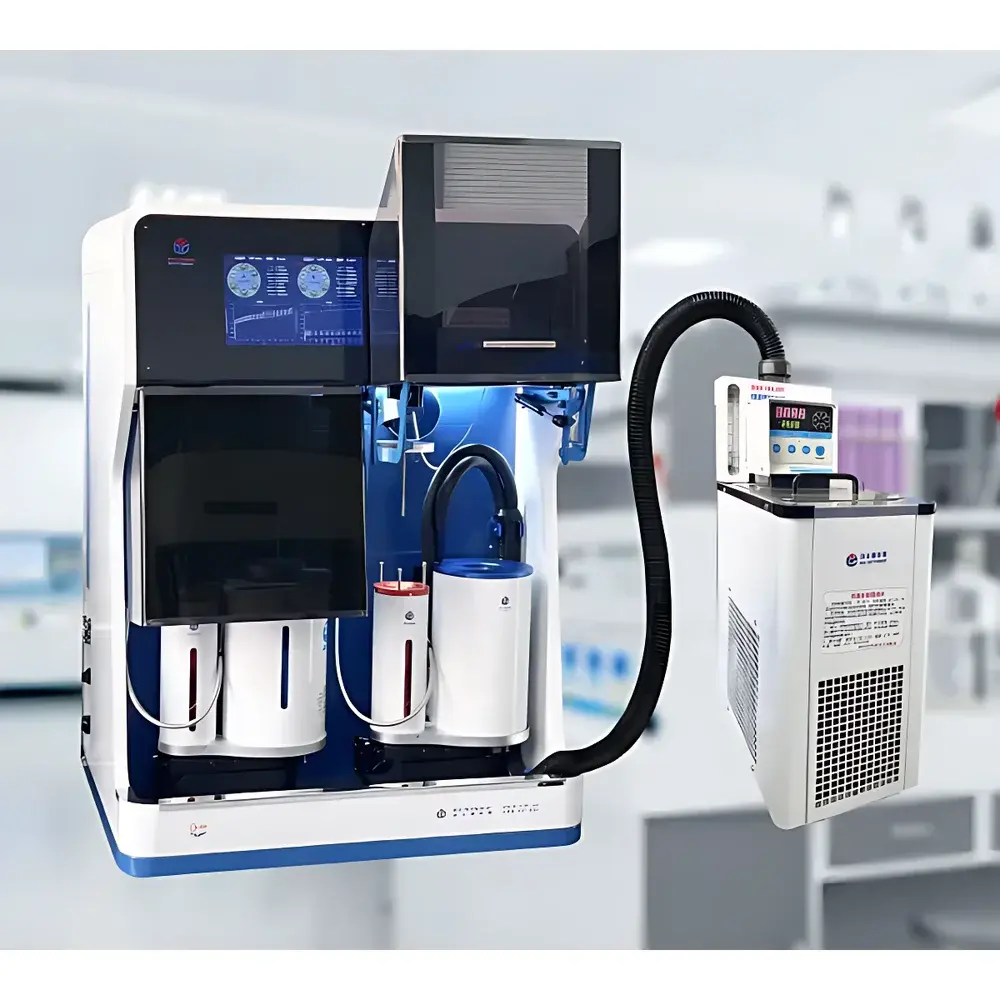
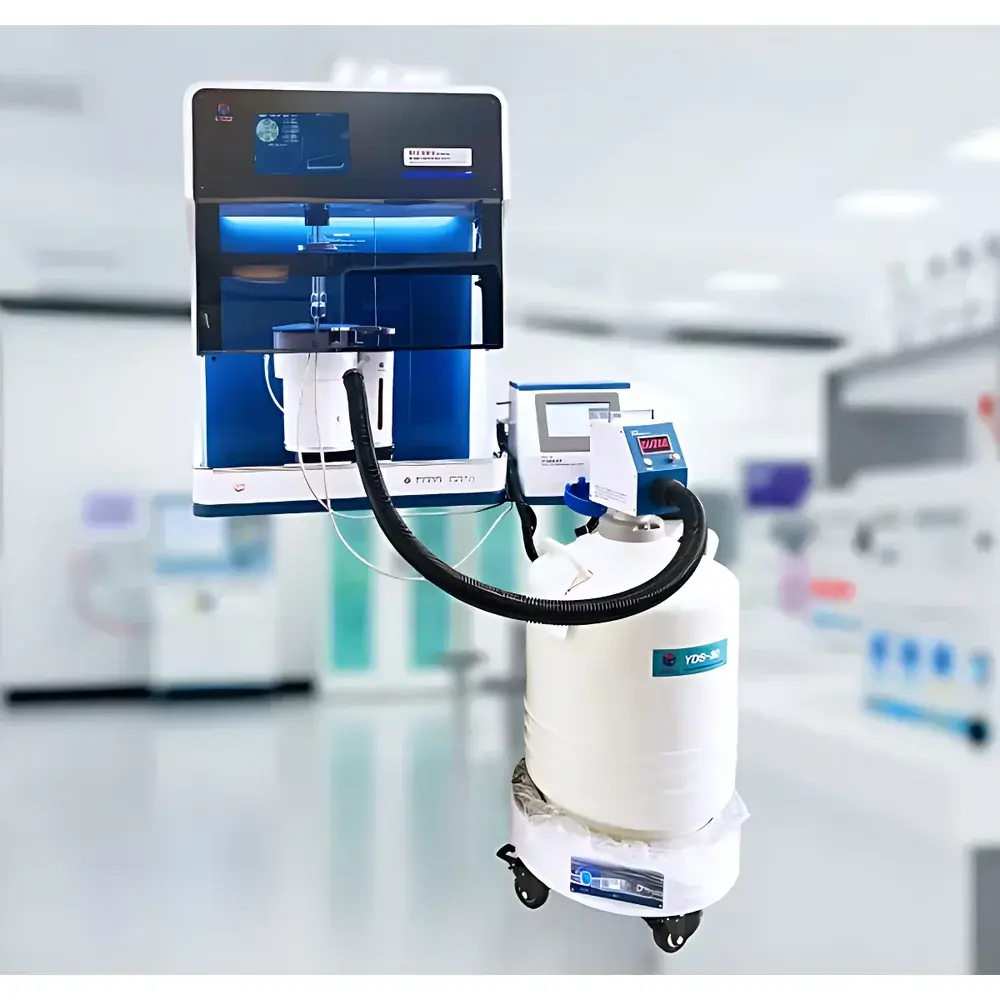
Beishide BSD-660A6M High-Throughput Advanced Specific Surface Area and Micropore Analyzer
| Brand | Beishide Instrument |
|---|---|
| Origin | Beijing, China |
| Manufacturer Type | Manufacturer |
| Product Category | Domestic |
| Model | BSD-660A6M |
| Instrument Type | Specific Surface Area and Pore Size Analyzer |
| Measurement Principle | Static Volumetric Method |
| Number of Analysis Stations | 6 |
| Surface Area Range | ≥0.0005 m²/g |
| Pore Diameter Range | 0.35–500 nm |
| Vacuum Level | 10⁻² Pa (standard), down to 10⁻⁸ Pa with optional turbomolecular pump |
| Repeatability | ≤1% RSD |
Overview
The Beishide BSD-660A6M is a high-throughput, fully automated specific surface area and micropore analyzer engineered for precision gas adsorption analysis under static volumetric conditions. It implements the Brunauer–Emmett–Teller (BET) theory, Barrett–Joyner–Halenda (BJH) method, Density Functional Theory (DFT), and Non-Local Density Functional Theory (NLDFT) models to quantify specific surface area, pore volume distribution, and pore size distribution across micropores (<2 nm), mesopores (2–50 nm), and macropores (50–500 nm). Designed for research laboratories and quality control environments requiring high sample throughput and metrological rigor, the instrument supports nitrogen, argon, carbon dioxide, oxygen, hydrogen, methane, ethane, and other non-corrosive or corrosive gases—enabling comprehensive characterization of catalysts, MOFs, COFs, activated carbons, zeolites, battery electrode materials, metal oxides, and pharmaceutical excipients.
Key Features
- 6 independent analysis stations with synchronized automation—enabling parallel degassing and adsorption measurement without cross-contamination.
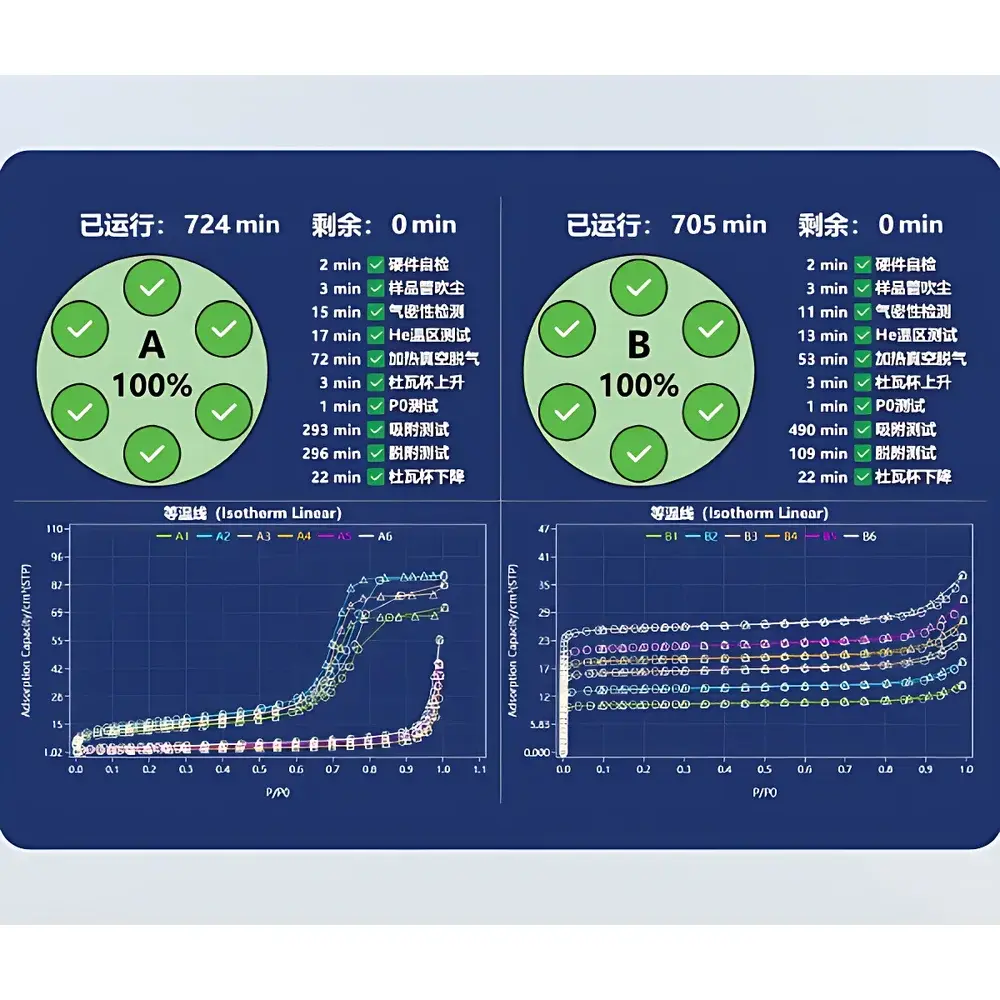
- Fully automated workflow: integrated programmable degas furnace, cryogenic dosing system, and vacuum manifold enable unattended operation from degassing through isotherm acquisition.
- Patented pressure-controlled heating (PCH) degassing technology prevents sample fluidization and mass loss during thermal treatment—critical for fragile microporous powders and nanomaterials.
- Helium-free dead-volume calibration sequence: helium pycnometry precedes vacuum degassing, eliminating helium residue interference in low-pressure micropore uptake measurements.
- Temperature-stabilized adsorption manifold (±0.01 °C at 40 °C) and servo-controlled liquid nitrogen level maintenance ensure long-term thermal equilibrium and reproducible isotherm acquisition.
- Modular turbomolecular pumping system (optional) achieves ultimate vacuum ≤10⁻⁸ Pa—essential for accurate sub-monolayer adsorption quantification in ultramicroporous frameworks.
- Motorized liquid nitrogen transfer pump enables precise, contamination-free cryogen delivery with variable speed control and zero manual handling risk.
- Single-seal multi-tube fixture allows simultaneous sealing of six sample tubes per station—reducing setup time by >70% versus conventional individual sealing.
Sample Compatibility & Compliance
The BSD-660A6M accommodates diverse solid-state materials including but not limited to metal–organic frameworks (MOFs), covalent organic frameworks (COFs), hydrogen-bonded organic frameworks (HOFs), activated carbons, silica gels, aluminas, lithium-ion cathode/anode powders, ceramic precursors, and pharmaceutical APIs. Its corrosion-resistant gas handling module (optional) supports safe analysis of acidic (e.g., HCl, SO₂), basic (e.g., NH₃), and reactive gases (e.g., H₂S). The system complies with ISO 9277:2010 (BET surface area), ISO 15901-1:2005 / GB/T 21650.1–2008 (mercury intrusion), ISO 15901-2:2006 / GB/T 21650.2–2008 (mesopore analysis), and ISO 15901-3:2007 / GB/T 21650.3–2011 (micropore analysis). All data acquisition and reporting modules support audit trails compliant with FDA 21 CFR Part 11 and GLP/GMP requirements when integrated with validated LIMS platforms.
Software & Data Management
The proprietary BDSorb™ software provides full instrument control, real-time pressure/temperature monitoring, adaptive isotherm stepping, and automated data reduction using industry-standard models (BET, t-plot, DFT/NLDFT kernel libraries). It features embedded uncertainty estimation per IUPAC technical recommendations, batch processing for multi-sample comparative analysis, and export-ready reports conforming to ASTM D3663 and ISO standards. An open API enables bidirectional integration with laboratory information management systems (LIMS) for automated result archival, electronic signature workflows, and metadata tagging (sample ID, operator, SOP version, calibration status). All raw isotherm data, degassing logs, and system diagnostic records are timestamped and stored with SHA-256 checksum integrity verification.
Applications
- Catalyst development: Quantifying active surface area and pore accessibility in Pt/C, NiFe-LDH, and single-atom catalysts.
- Battery materials R&D: Correlating BET surface area and micropore volume with SEI formation kinetics in silicon anodes and sulfur cathodes.
- Pharmaceutical solid-state characterization: Assessing amorphous content, hydration state, and excipient porosity via water vapor adsorption isotherms.
- Carbon capture material screening: CO₂ adsorption capacity and isosteric heat of adsorption mapping at 0–1 bar and 25–75 °C.
- Quality assurance in industrial ceramics: Batch-to-batch consistency evaluation of alumina, zirconia, and silicon carbide powders per GB/T 6609.35–2009.
- MOF stability assessment: Automated cyclic adsorption–desorption testing over 100+ cycles to evaluate structural retention under repeated exposure.
FAQ
What gases can be used for analysis on the BSD-660A6M?
Nitrogen, argon, carbon dioxide, oxygen, hydrogen, methane, ethane, and other non-corrosive gases are supported as standard; optional corrosion-resistant modules extend compatibility to HCl, NH₃, and H₂S.
How does the instrument ensure accuracy in micropore analysis?
By combining helium-free dead-volume calibration, ultra-high vacuum capability (≤10⁻⁸ Pa), pressure-controlled degassing, and NLDFT kernel libraries validated against reference materials certified by NIST and PTB.
Is the system compliant with regulatory data integrity requirements?
Yes—when configured with audit trail logging, electronic signatures, and LIMS integration, it meets FDA 21 CFR Part 11, EU Annex 11, and ISO/IEC 17025 documentation requirements.
Can the BSD-660A6M perform dynamic vapor adsorption (DVA)?
No—this model is optimized for static volumetric gas adsorption; vapor adsorption requires the BSD-660MV variant with dedicated saturation pressure control and temperature-programmed vapor dosing.
What is the typical turnaround time for a 6-sample BET + micropore analysis run?
Under standard mode: ~60 minutes (excluding degassing); in rapid mode: ~15 minutes for full isotherms up to P/P₀ = 0.99, assuming pre-degassed samples.



