
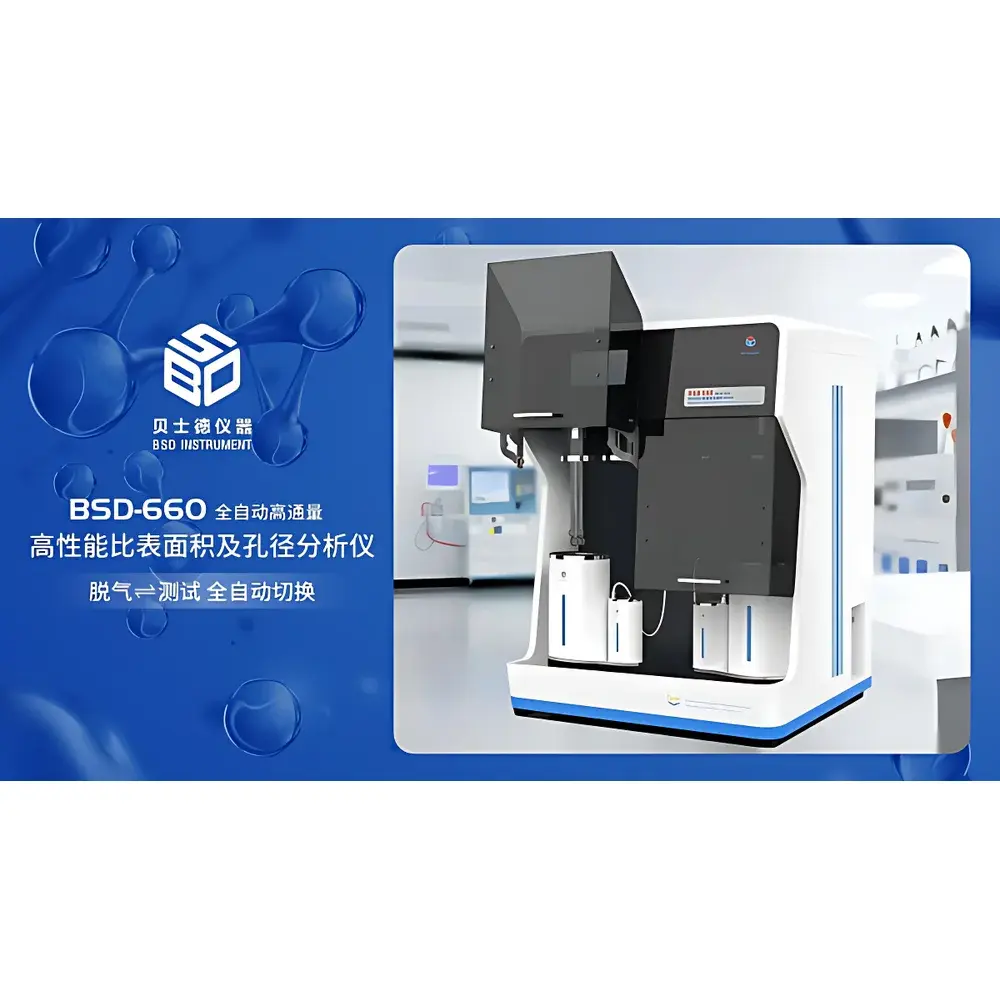
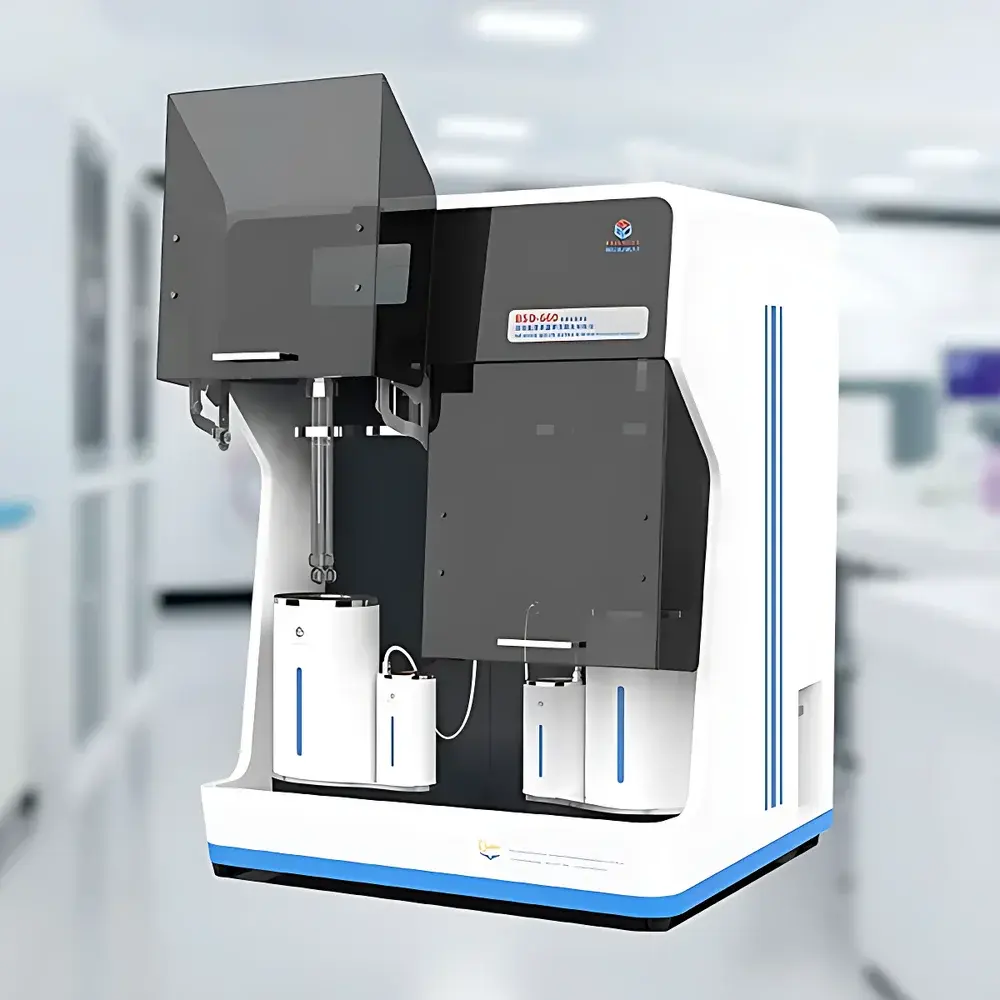
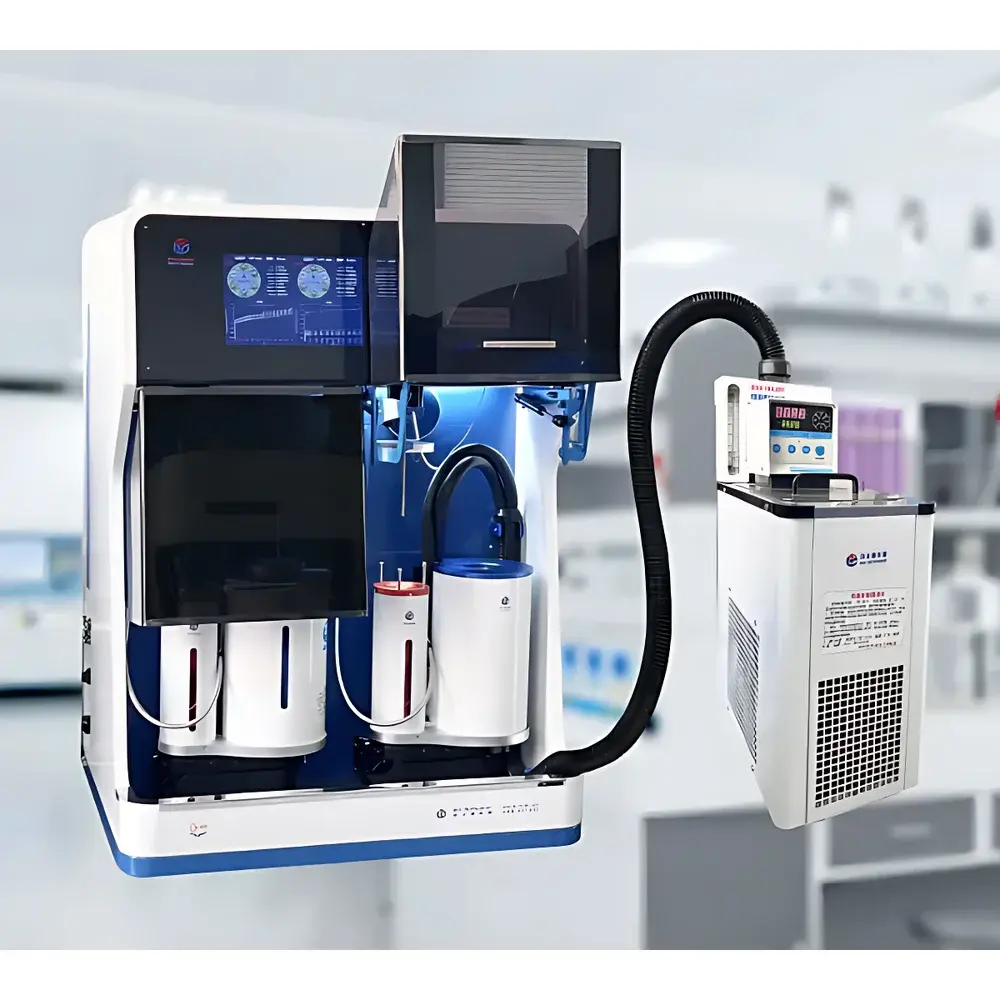
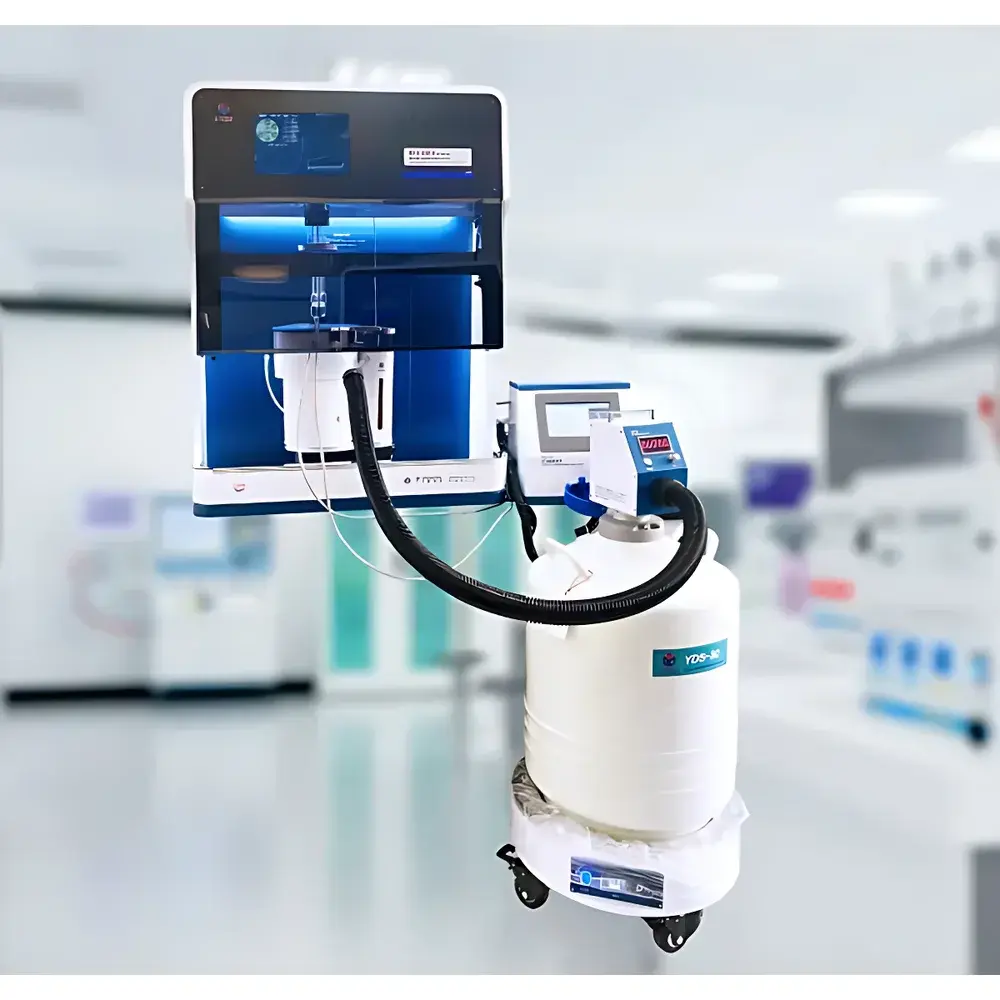
Beishide BSD-660A3S/B3S Advanced Static Volumetric Gas Sorption Analyzer for Specific Surface Area and Pore Size Distribution Analysis
| Brand | Beishide Instrument |
|---|---|
| Origin | Beijing, China |
| Manufacturer Type | Direct Manufacturer |
| Instrument Category | Domestic |
| Model | BSD-660A3S / BSD-660B3S |
| Instrument Type | Specific Surface Area and Pore Size Analyzer |
| Measurement Principle | Static Volumetric Method (BET, t-plot, DFT/NLDFT, BJH, HK, DA, etc.) |
| Number of Analysis Stations | 3 / 6 / 9 / 12 |
| Specific Surface Area Range | ≥0.0005 m²/g (no upper limit) |
| Pore Diameter Range | 0.35–500 nm (Micropores: 0.35–2 nm |
| Mesopores | 2–50 nm |
| Macropores | 50–500 nm) |
| Total Pore Volume Range | ≥0.0001 cm³/g (no upper limit) |
| Pressure Range | 1×10⁻⁸–1000 Torr |
| Vacuum Level | ≤1×10⁻⁹ Pa |
| Repeatability | ≤±1.0% RSD (BET surface area on certified reference materials) |
Overview
The Beishide BSD-660A3S/B3S is an advanced static volumetric gas sorption analyzer engineered for high-precision, high-throughput characterization of specific surface area, pore size distribution, and total pore volume across microporous, mesoporous, and macroporous solid materials. Based on the Brunauer–Emmett–Teller (BET) theory and complementary models including t-plot, DFT/NLDFT, BJH, HK, and DA, the instrument performs quantitative physisorption isotherm acquisition under rigorously controlled thermodynamic conditions. Its core architecture implements a true static volumetric principle—measuring equilibrium gas uptake via pressure transduction in a calibrated, thermostatically stabilized manifold—ensuring traceable, reproducible results compliant with ISO 9277:2010, GB/T 19587–2017, ISO 15901-1/2/3, and ASTM D3663. Designed for 24/7 unattended operation, it supports N₂, Ar, CO₂, O₂, CO, H₂, CH₄, C₂H₆, and other non-corrosive or optionally corrosive/vapor-phase adsorbates—enabling comprehensive material benchmarking in catalysis, battery electrode development, MOF/COF screening, activated carbon qualification, and pharmaceutical excipient analysis.
Key Features
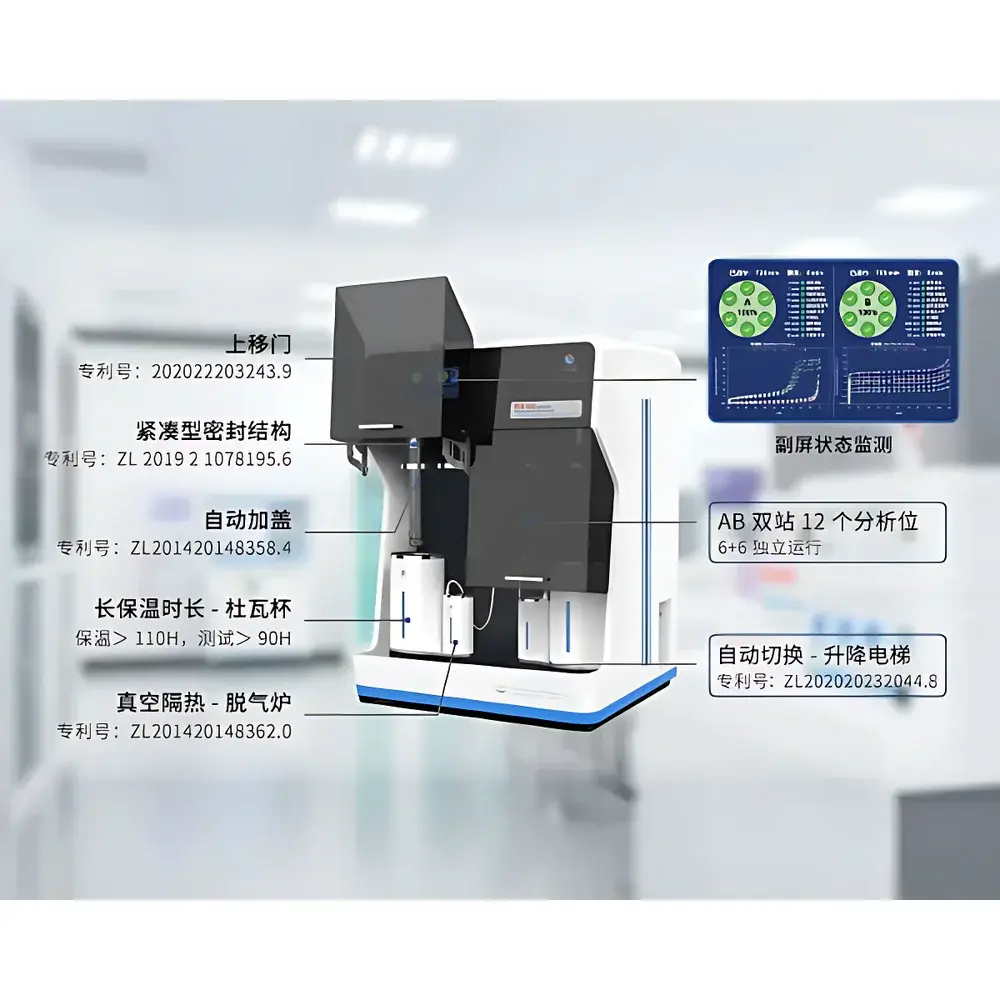
- Modular multi-station configuration: Selectable 3-, 6-, 9-, or 12-analysis station layouts to match laboratory throughput demands without compromising measurement integrity.
- Patented dual-stage automation: Fully motorized, software-coordinated switching between degassing furnace and cryogenic bath—eliminating manual sample tube transfer and enabling overnight loading with morning-ready data.
- Helium-free dead volume calibration: Integrated helium pycnometry followed by in-situ vacuum degassing ensures zero helium residue in micropore analysis, mitigating systematic overestimation of ultramicropore volume.
- Pressure-controlled ramped degassing (PCRD): Real-time pressure feedback modulates heating rate and furnace elevation to suppress sample fluidization—critical for fragile MOFs, zeolites, and nanoscale metal oxides.
- Auto-calibrating thermal management: Entire gas pathway maintained at 40.00 ± 0.01 °C; “servo-regulated temperature zone” technology limits adsorption chamber equivalent volume drift to <0.10% over 24 h—exceeding ISO 15901 stability requirements.
- High-vacuum performance: Dual-stage molecular pump option achieves ≤1×10⁻⁹ Pa base pressure, essential for accurate sub-1 nm pore quantification and low-pressure CO₂ isotherms.
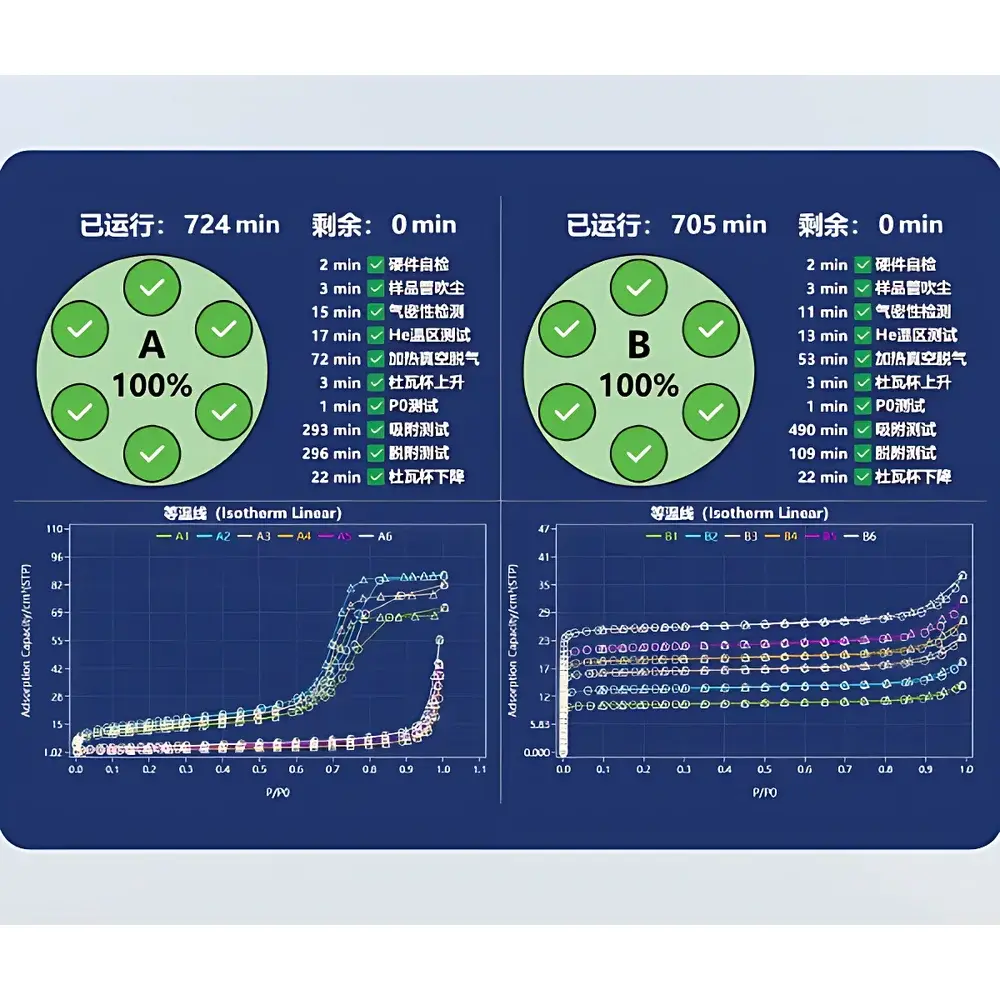
- Intelligent degassing endpoint detection: Algorithmic interpretation of pressure decay kinetics determines completion without user intervention—reducing operator bias and enhancing inter-laboratory reproducibility.
- Open LIMS integration: Native API support for bidirectional data exchange with Laboratory Information Management Systems per FDA 21 CFR Part 11 audit trail specifications.
Sample Compatibility & Compliance
The BSD-660A3S/B3S accommodates diverse solid-state samples—including battery cathode/anode powders (LiCoO₂, Si/C composites), metal–organic frameworks (MOFs), covalent organic frameworks (COFs), activated carbons, silica gels, aluminas, zeolites, clays, pharmaceutical APIs, and ceramic precursors. Its modular gas handling permits safe operation with flammable gases (H₂, CH₄) and optional corrosion-resistant modules for Cl₂, NH₃, or SO₂. All analytical protocols align with internationally recognized standards: ISO 9277 (BET surface area), ISO 15901-2 (meso/macropore analysis), ISO 15901-3 (micropore analysis), GB/T 21650.2–2008, and ASTM D4641. The system’s hardware and firmware are designed to support GLP/GMP environments, providing full electronic records, user-access logs, method version control, and timestamped raw isotherm data export.
Software & Data Management
The proprietary SorptionWare™ v5.2 platform delivers end-to-end workflow automation—from method definition and instrument control to isotherm modeling and report generation. It incorporates NIST-traceable calibration routines, automated quality checks (e.g., BET linearity R² > 0.9995, monolayer capacity convergence), and multi-model pore size distribution deconvolution. Users may apply DFT kernels optimized for carbon, silica, or alumina surfaces; select t-plot or αₛ-plot for external surface estimation; and generate IUPAC-compliant hysteresis loop classification. All raw data (pressure, temperature, time, dose volume) are stored in HDF5 format with embedded metadata (operator ID, sample ID, calibration certificate IDs). Export options include CSV, PDF, and XML for regulatory submission; audit trails comply with 21 CFR Part 11 requirements for electronic signatures and record retention.
Applications
- Electrochemical energy storage: Quantifying accessible surface area and pore tortuosity in Li-ion/Si-anode composites and solid-state electrolyte fillers.
- Heterogeneous catalysis: Correlating Pt dispersion, support porosity, and turnover frequency in supported metal catalysts.
- Carbon capture materials: Evaluating CO₂ working capacity, isosteric heat of adsorption (Qst), and cyclic stability via automated multi-cycle sorption loops.
- Pharmaceutical solid-state characterization: Assessing excipient surface energetics, moisture-induced pore collapse, and amorphous content via water vapor sorption.
- Environmental adsorbents: Validating activated carbon regeneration efficiency and competitive adsorption selectivity using binary gas mixtures.
- Advanced ceramics: Measuring sintering-induced densification via surface area loss and pore narrowing kinetics.
FAQ
What adsorption theories and models are implemented in the software?
SorptionWare™ includes full implementations of BET, Langmuir, t-plot, αₛ-plot, BJH, DH, HK, SF, DA, and NLDFT/DFT kernel libraries for carbon, silica, and alumina—each validated against NIST SRM 1990 and 2970.
Can the instrument perform water vapor sorption analysis?
Yes—when equipped with the optional vapor dosing module and temperature-controlled vapor saturator, it supports IUPAC Type II/III isotherms from 0–98% RH at 5–60 °C.
Is remote monitoring and control supported?
The system provides secure web-based dashboard access via TLS 1.2 encryption, enabling real-time status viewing, queue management, and emergency stop—all compliant with institutional IT security policies.
How is calibration traceability maintained?
All pressure transducers are factory-calibrated against NIST-traceable deadweight testers; temperature sensors are verified per ISO/IEC 17025; volumetric manifolds undergo annual gravimetric verification using certified standard volumes.
What maintenance intervals are recommended for long-term accuracy?
Molecular pump oil replacement every 6 months; Pirani gauge recalibration annually; cold trap cleaning after 200 liquid nitrogen refills; full vacuum integrity test quarterly—documented in the built-in preventive maintenance scheduler.



