
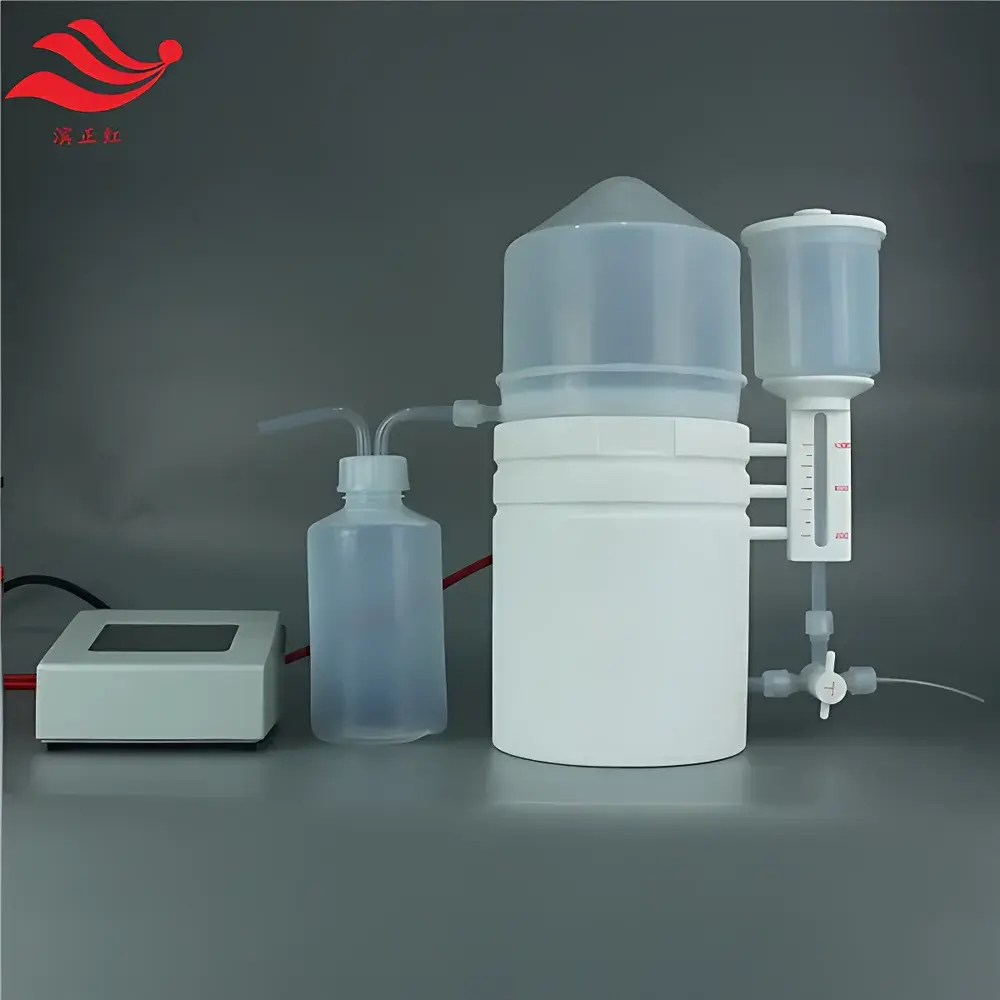
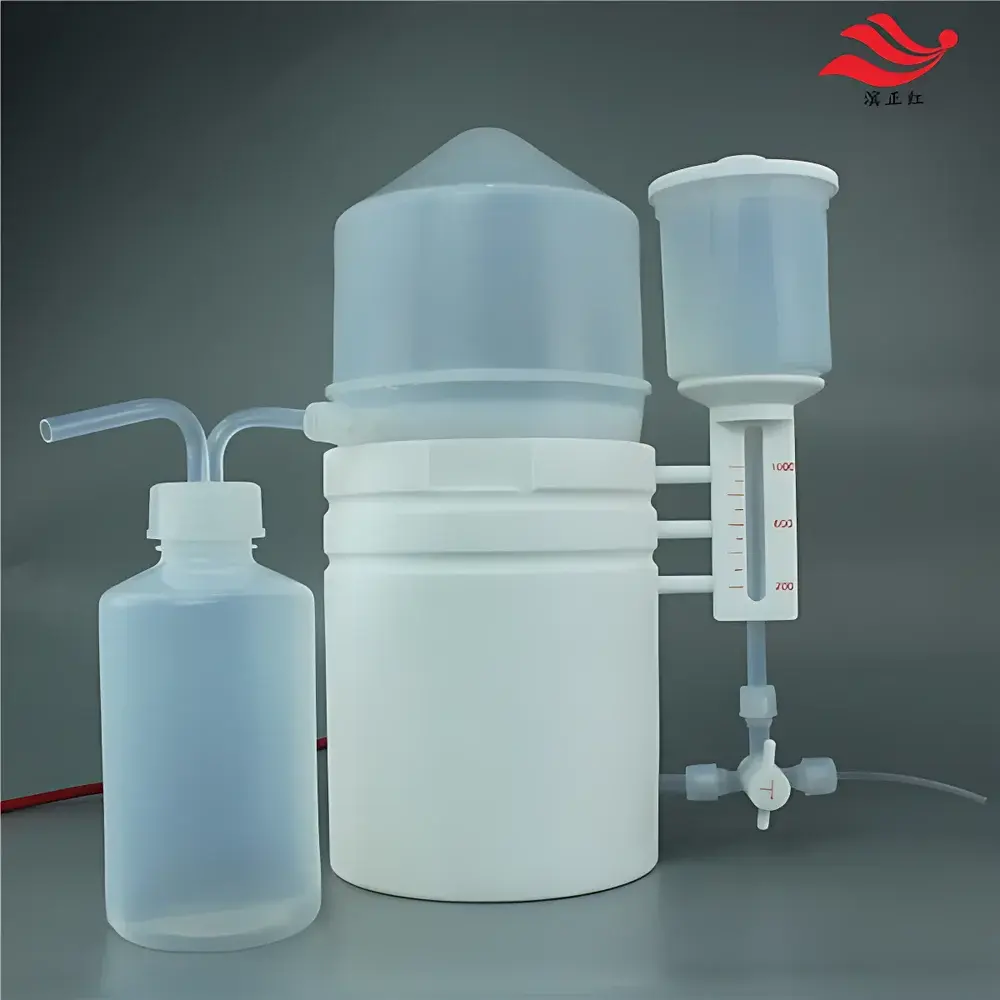
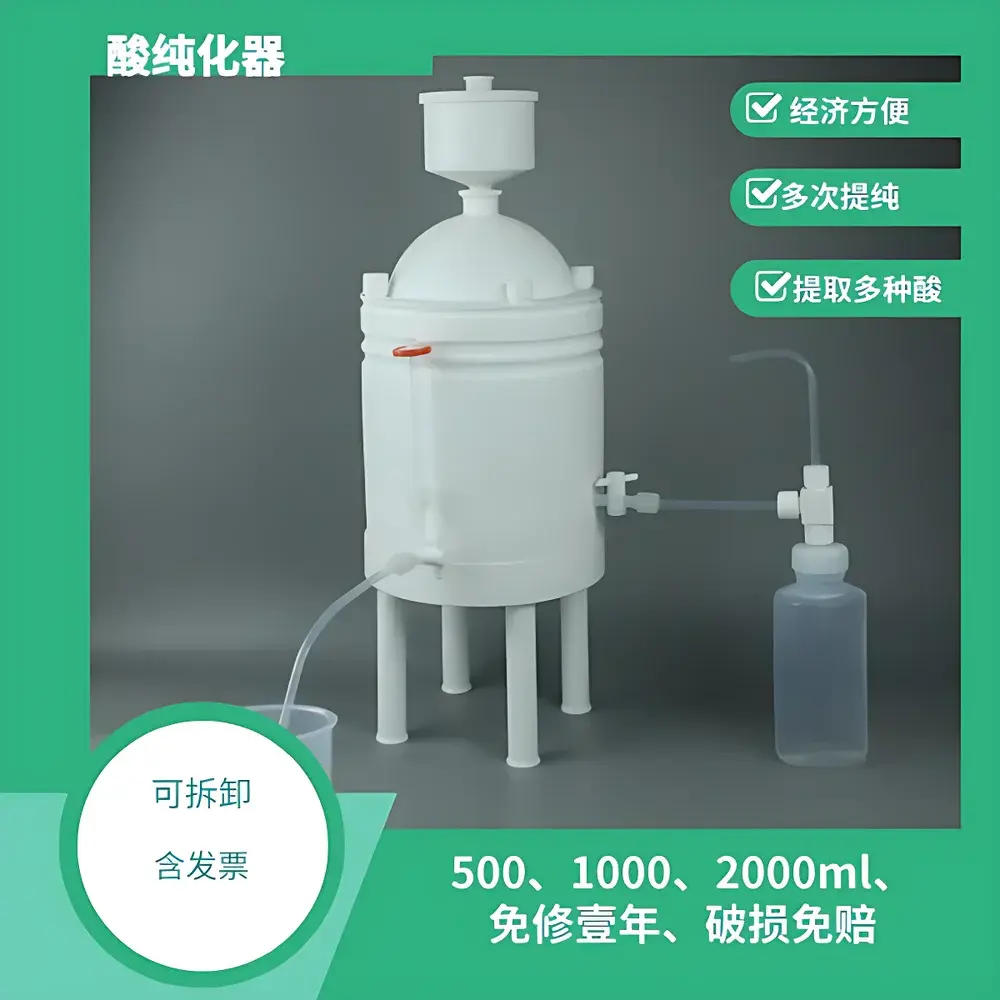
Binzhenghong NJ-PFA-SCH-1000ml Sub-Boiling Acid Distillation System
| Brand | Binzhenghong |
|---|---|
| Origin | Jiangsu, China |
| Manufacturer Type | Direct Manufacturer |
| Country of Origin | China |
| Model | NJ-PFA-SCH-1000ml |
| Price | USD 7,350 (FOB) |
| Distillation Rate | 50 mL/h |
| Capacity | 1000 mL |
| Construction Material | High-Purity PFA (Perfluoroalkoxy) for Entire Fluid Path |
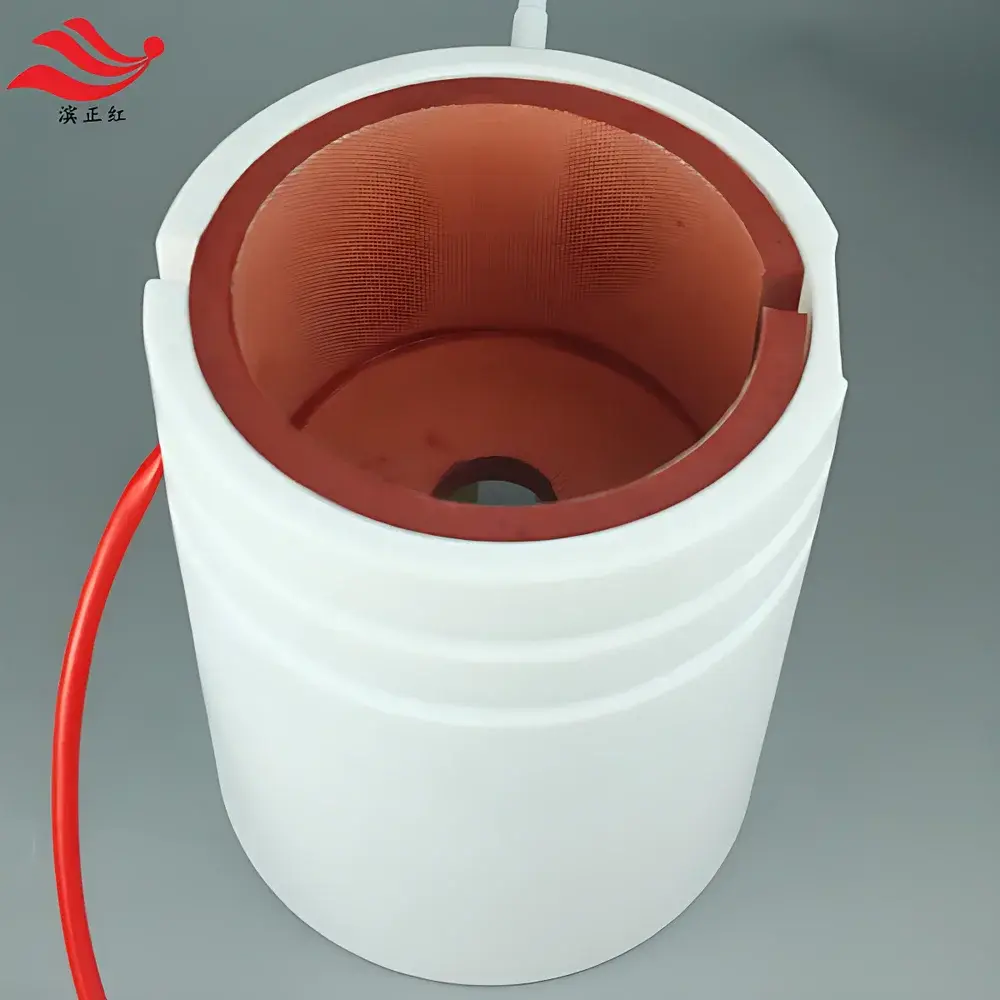
| Heating Method | Enclosed Silicone Rubber Heating Mantle with Overheat Protection |
| Temperature Control | PID Digital Controller, ±1 °C Accuracy |
| Power Supply | 220 V / 50 Hz, ≤400 W (Variable Frequency Adjustable) |
| Cooling | Ambient Air Cooling (No Water Required) |
| Safety Features | Dry-Out Protection, Ventilation Hood Compatible, Unattended Operation Certified |
| Collection Vessel | 1000 mL PFA Bottle (GL45 Thread, Blow-Molded, No Inner Cap Required) |
| Purification Performance | Reduces Metallic Impurities from ~10 ppb to ≤0.01 ppb in Single-Pass Distillation (e.g., HNO₃, HCl, HF, H₂O) |
Overview
The Binzhenghong NJ-PFA-SCH-1000ml Sub-Boiling Acid Distillation System is an ultra-trace metal purification instrument engineered for laboratories requiring ultrapure acids in trace elemental analysis workflows—particularly ICP-MS, ICP-OES, HR-ICP-MS, and semiconductor wafer cleaning applications. It operates on the principle of sub-boiling (or near-boiling) distillation, where the heating surface maintains liquid temperature just below its atmospheric boiling point, minimizing volatile impurity carryover and suppressing aerosol formation. This thermodynamically controlled phase transition ensures selective vaporization of the acid while retaining non-volatile metallic contaminants—including Fe, Al, Cr, Ni, Cu, Zn, Pb, and rare earth elements—in the residue. The system achieves single-pass purification efficiency validated against certified reference materials (CRMs), consistently reducing total metallic content from initial levels of approximately 10 parts per trillion (ppt) to ≤0.01 ppt (10 fg/g) in high-purity nitric acid (HNO₃), hydrochloric acid (HCl), hydrofluoric acid (HF), and deionized water.
Key Features
- Full PFA-wetted path construction: All fluid-contact components—including evaporation chamber, condenser, vapor pathway, and collection vessel—are fabricated from ASTM D4894-grade perfluoroalkoxy (PFA) resin, ensuring zero metal leaching and compatibility with aggressive media such as HF and hot concentrated HNO₃.
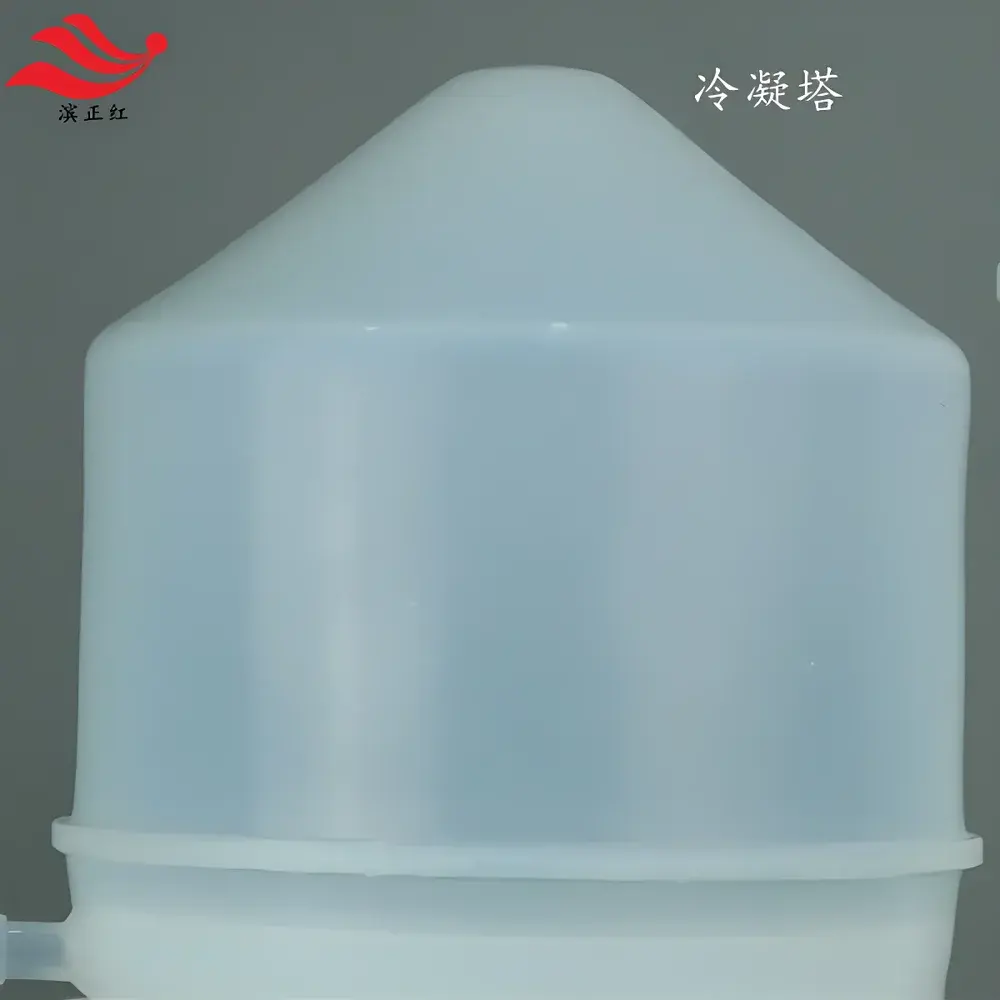
- Monolithic thermal design: Evaporator and condenser are integrated via heat-fusion welding into a single, non-disassemblable unit—eliminating gasket interfaces, crevices, or threaded joints that could harbor residues or compromise purity.
- PID-controlled silicone rubber heating mantle: Fully enclosed, variable-frequency power regulation enables precise thermal ramping and stable sub-boiling operation across diverse acid matrices; built-in overtemperature cutoff prevents dry-run damage.
- Ambient-air cooling architecture: No external chiller or tap-water connection required—reducing infrastructure dependency and operational complexity while maintaining condensation efficiency at room temperatures between 15–30 °C.
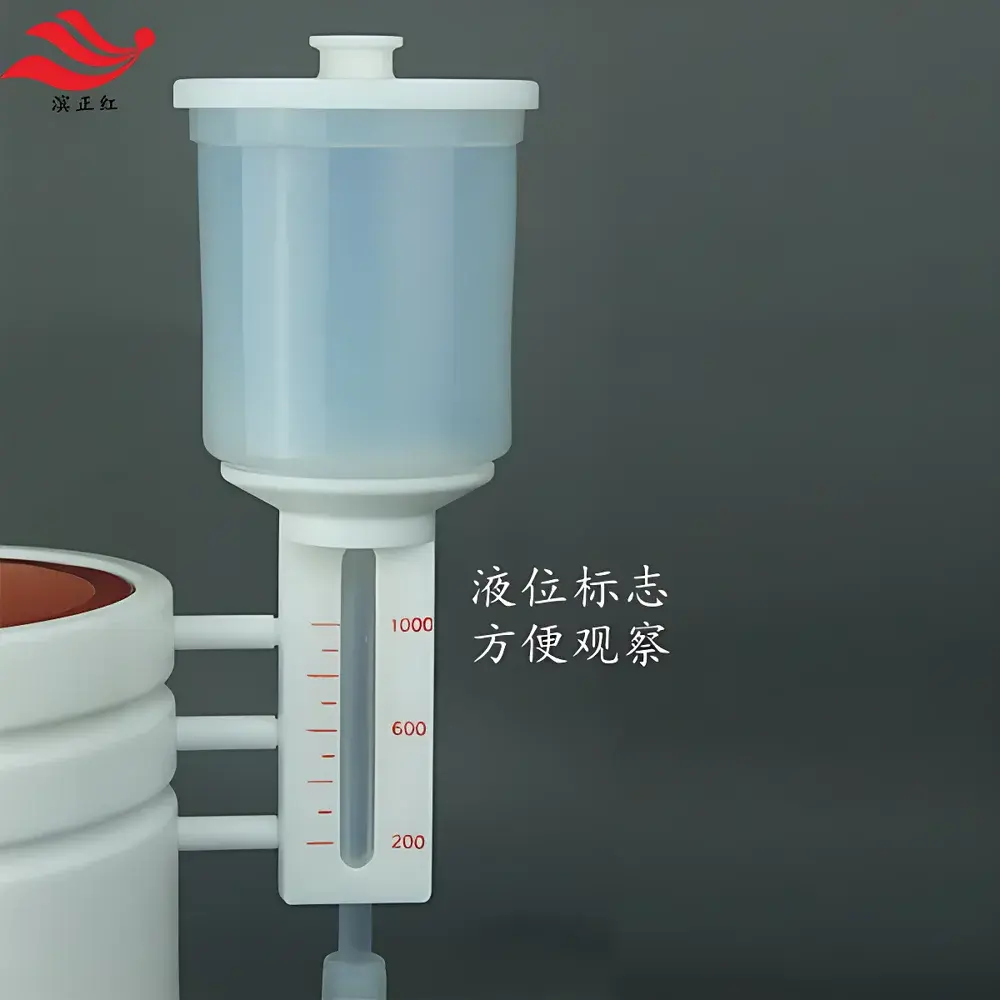
- Intelligent liquid-level management: Calibrated PFA funnel (200/600/1000 mL markings) enables accurate feed volume dosing; integrated dry-out sensor automatically deactivates heating if residual volume falls below safe threshold.
- GL45-standard PFA collection bottle: 1000 mL capacity, blow-molded for dimensional consistency and low extractables; dual-seal thread design ensures leak-tight containment without secondary inner caps or O-rings.
Sample Compatibility & Compliance
The NJ-PFA-SCH-1000ml is validated for continuous-duty purification of nitric acid (HNO₃), hydrochloric acid (HCl), hydrofluoric acid (HF), and ultrapure water (UPW). Each acid type requires dedicated unit assignment per ISO/IEC 17025:2017 Clause 7.2.2 (method validation for contamination control) and USP guidelines on conductive water purity. The system conforms to GLP-compliant laboratory practices through traceable temperature logging (via optional RS485 output), unattended operation certification, and physical segregation protocols preventing cross-contamination. Its all-PFA architecture meets ASTM D5127-22 requirements for semiconductor process chemicals and aligns with SEMI F57 specifications for HF purity classes.
Software & Data Management
While the base configuration features a standalone PID digital controller with LCD display and manual setpoint adjustment, optional firmware upgrades support data logging via Modbus RTU protocol (RS485 interface). Logged parameters include real-time heater temperature, elapsed distillation time, and thermal stability deviation (±0.5 °C window). Exported CSV files comply with FDA 21 CFR Part 11 Annex 11 audit trail requirements when paired with validated LIMS integration. No proprietary software installation is required—data acquisition is compatible with industry-standard SCADA platforms including Ignition, Siemens Desigo, and LabVIEW.
Applications
- Preparation of calibration standards and blanks for ultra-trace elemental analysis (ICP-MS detection limits <0.1 fg/mL).
- Purification of acids used in cleanroom environments for silicon wafer etching and photomask cleaning (SEMI C1/C2 grade compliance).
- Generation of matrix-matched standards for environmental testing labs accredited to ISO/IEC 17025.
- Recovery and re-use of spent analytical-grade acids in regulated pharmaceutical QC laboratories (per ICH Q5C stability protocols).
- Support of EPA Method 200.8 and ISO 17294-2 compliant water analysis programs requiring sub-ppt metal background.
FAQ
Can this system be used for mixed-acid purification (e.g., HNO₃/HF blends)?
No. Cross-contamination risk and inconsistent vapor pressure profiles prohibit multi-acid operation. One unit per acid type is required per ISO/IEC 17025 traceability requirements.
Is the PFA collection bottle autoclavable?
Yes—rated for repeated sterilization at 121 °C, 15 psi for 20 minutes without deformation or extractable release (validated per USP ).
What maintenance is required beyond routine visual inspection?
None. The welded PFA architecture eliminates gaskets, seals, or moving parts; only periodic verification of heater mantle integrity and PID calibration every 12 months is recommended.
Does the system meet CE or UL safety certification?
It complies with IEC 61010-1:2010 for laboratory electrical equipment; CE marking is available upon request with EU Representative documentation.
How is traceability ensured during unattended operation?
Dry-out protection, thermal stability monitoring, and optional timestamped temperature logs provide full operational auditability under GLP/GMP frameworks.



