
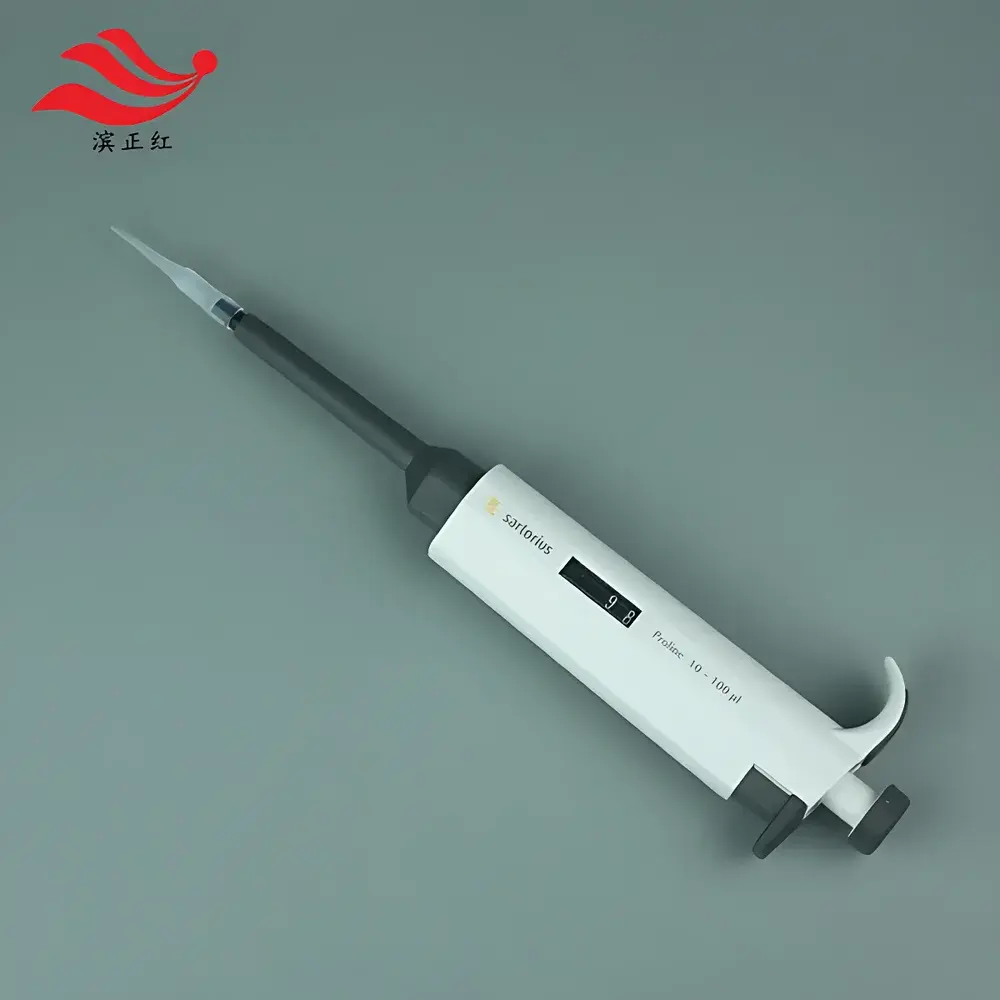
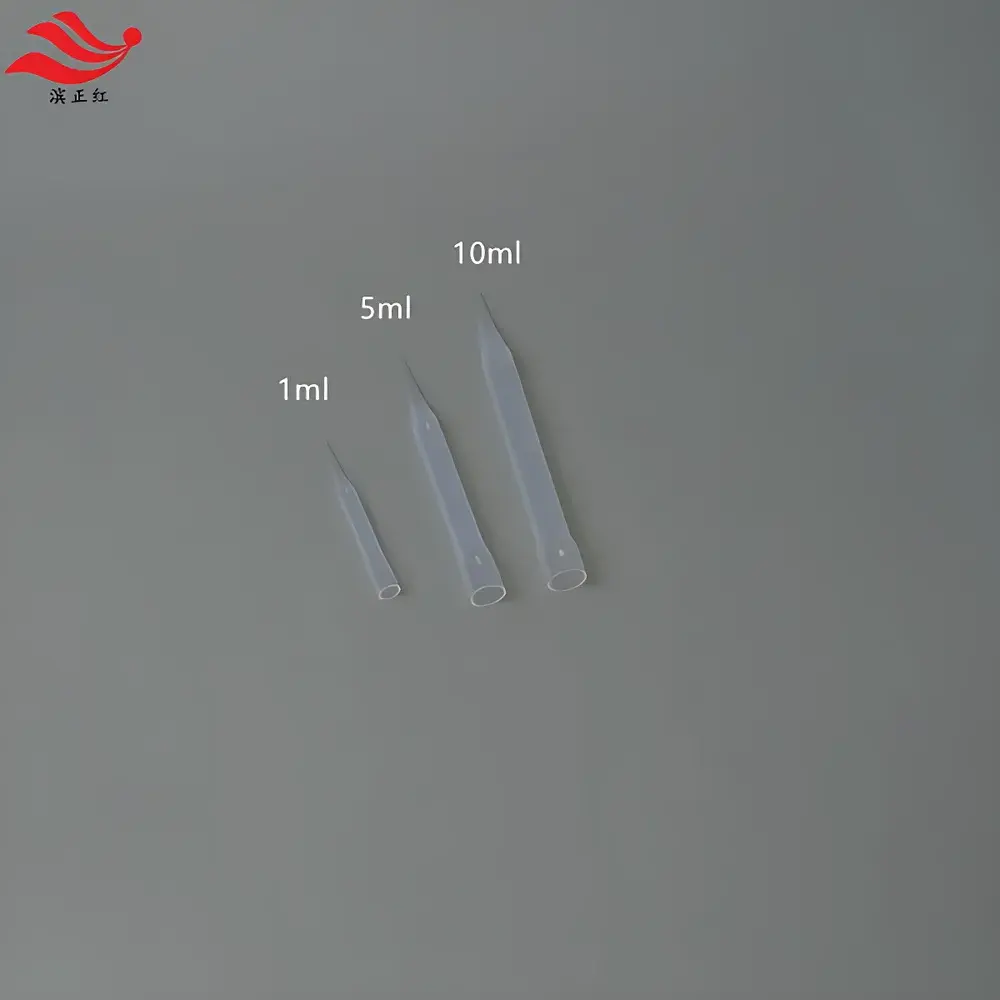
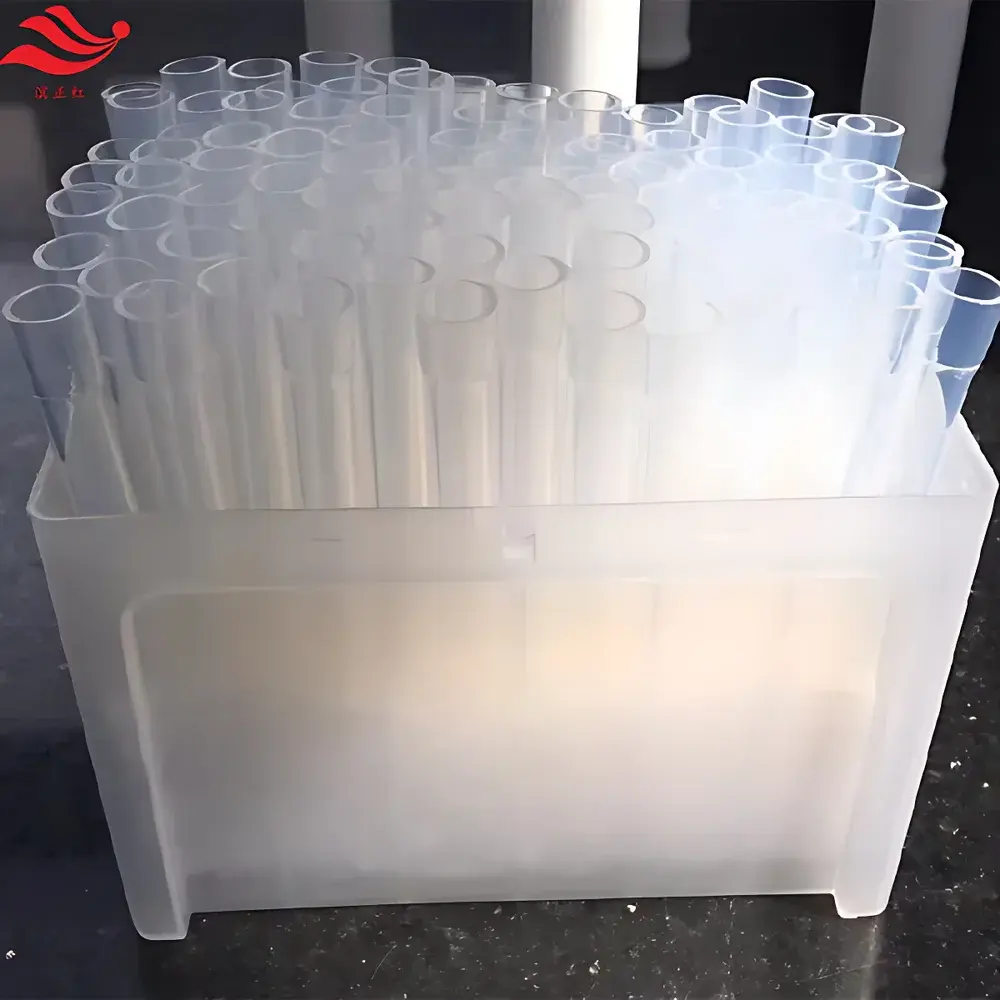
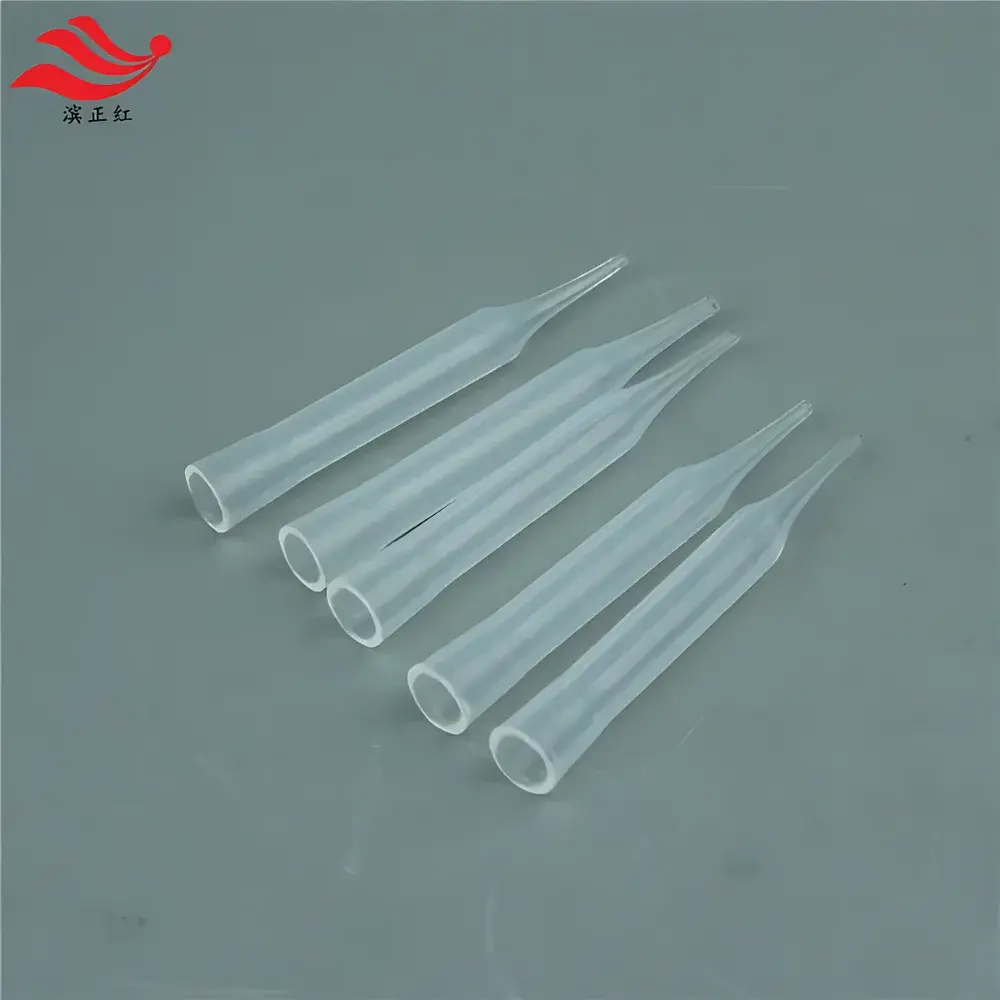
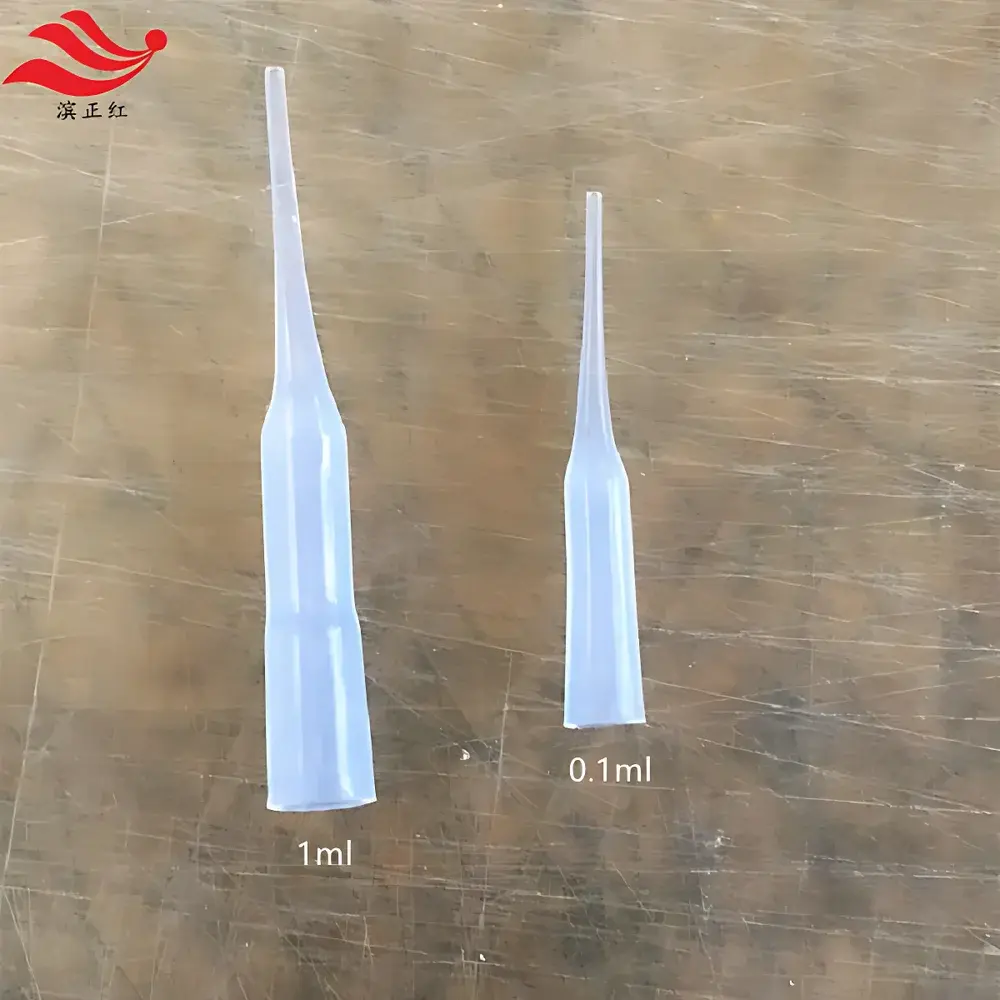
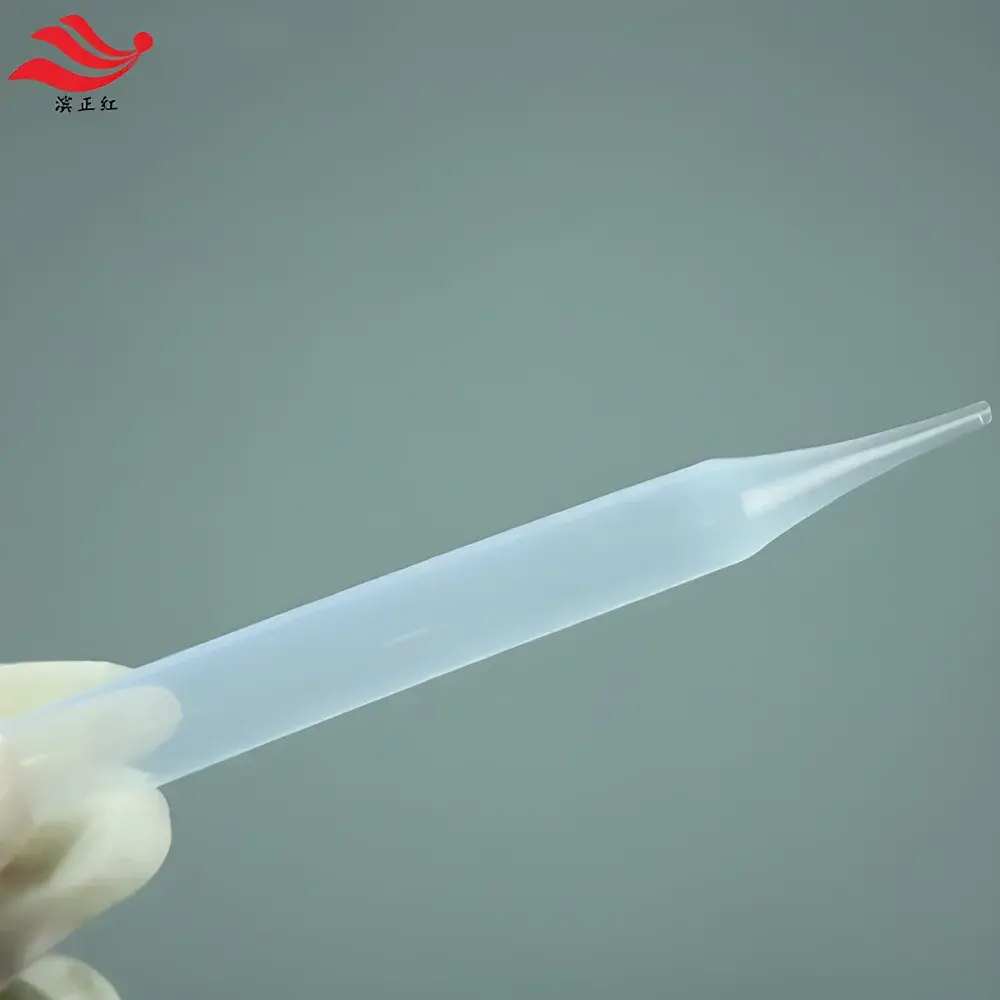
PFA Tips for Eppendorf, Thermo Fisher, and Dragon Pipettes
| Brand | Binzhenghong |
|---|---|
| Origin | Jiangsu, China |
| Manufacturer Type | OEM/ODM Producer |
| Compatibility | Eppendorf, Thermo Fisher (Finnpipette, AccuJet), Dragon (DL-1000 series) |
| Volume Range | 0.1–1000 µL |
| Max Capacity per Tip | 1000 µL (1 mL) |
| Material | Perfluoroalkoxy (PFA), USP Class VI Certified |
| Sterility | Optional Gamma Irradiation (SAL 10⁻⁶) |
| Packaging | Non-pyrogenic, DNA/RNase-Free, Filtered or Non-filtered Options |
| Quantity per Rack | 96-well format (standard) |
| Compliance | ISO 8573-1 Class 4 (compressed air purity), ISO 13485:2016 (medical device QMS), ASTM D638 (tensile properties of plastics) |
Overview
PFA (Perfluoroalkoxy) pipette tips are precision-engineered consumables designed for ultra-high chemical resistance, thermal stability, and minimal extractables—critical for trace-level analysis, aggressive solvent handling, and high-purity applications in pharmaceutical QC, semiconductor wet processing, and isotopic geochemistry laboratories. Unlike standard polypropylene (PP) or polyethylene (PE) tips, PFA offers exceptional inertness across pH 0–14, continuous service temperatures up to 260 °C, and negligible leachables even under prolonged exposure to hydrofluoric acid, concentrated nitric acid, or hot organic solvents such as DMF and NMP. These tips are manufactured under cleanroom-controlled conditions (ISO Class 7) and undergo rigorous lot-level certification for endotoxin (<0.03 EU/mL), DNase/RNase absence, and particulate contamination (per USP ). They are fully compatible with manual and electronic single-channel pipettes from Eppendorf (e.g., Research Plus, Xplorer), Thermo Fisher Scientific (e.g., Finnpipette Novus, AccuJet Pro), and Dragon (e.g., DL-1000, D1000X), ensuring accurate tip ejection force, consistent sealing torque, and reliable volume delivery across the full 0.1–1000 µL range.
Key Features
- Material integrity: USP Class VI-certified PFA resin with melt flow index (MFI) tightly controlled at 8–12 g/10 min (265 °C/5 kg) to ensure uniform wall thickness and dimensional repeatability (±0.02 mm tolerance on tip outer diameter).
- Chemical resilience: Resistant to halogenated solvents (chloroform, DCM), strong oxidizers (H₂O₂ >30%, peracetic acid), and molten alkali metals—validated per ASTM D543 and ISO 175.
- Thermal performance: Stable during autoclaving (121 °C, 20 min), dry-heat sterilization (180 °C, 2 h), and cryogenic storage (−196 °C in liquid nitrogen).
- Low-binding surface: Hydrophobic PFA inner lumen minimizes protein adsorption and sample carryover—confirmed via BSA recovery assays (>98.7% mean recovery at 1 µg/mL).
- OEM-grade mechanical fit: Taper angle (6.0° ± 0.2°) and conical geometry match ISO 8655-3 specifications for pipette tip engagement; validated with force-displacement testing per EN ISO 8655-6.
Sample Compatibility & Compliance
These PFA tips support direct handling of corrosive, volatile, or high-value samples including HF-based etchants, lithium battery electrolytes (LiPF₆ in EC/DMC), radiolabeled tracers (³H, ¹⁴C), and ultratrace metal standards (sub-ppt ICP-MS calibration). Each production lot is accompanied by a Certificate of Analysis (CoA) documenting residual fluorine content (<5 ppm), heavy metal impurities (Pb, Cd, As <0.1 ppm), and bioburden levels (<1 CFU/tip). Manufacturing adheres to ISO 13485:2016 for medical device-associated consumables and supports GLP/GMP audit readiness. Filtered variants integrate 0.22 µm PTFE membranes (hydrophobic, non-shedding) compliant with ISO 8573-1 Class 4 for compressed air purity in automated liquid handlers.
Software & Data Management
While PFA tips are passive consumables, their integration into regulated workflows is supported through traceability features: each rack bears a 2D Data Matrix code linked to batch-specific CoA data in the manufacturer’s LIMS (accessible via QR scan). For labs operating under FDA 21 CFR Part 11, electronic records of tip lot numbers, sterilization validation reports, and raw material certificates are retained for ≥10 years. Compatibility documentation includes cross-referenced compatibility matrices (PDF/Excel) covering >42 pipette models—including Eppendorf Reference 2, Thermo Fisher E1-ClipTip, and Dragon D10X—verified via gravimetric accuracy testing per ISO 8655-2 (n = 10 replicates, CV ≤0.6% at 100 µL).
Applications
- High-purity semiconductor process chemistry: Dispensing BOE (buffered oxide etch), SC-1/SC-2 cleaning solutions, and photoresist developers without metallic contamination.
- Radiochemistry labs: Handling ⁹⁹mTc-eluate, ¹⁸F-FDG synthesis intermediates, and alpha-emitting isotopes (²²⁵Ac, ²¹³Bi) where polymer degradation must be excluded.
- Geochemical isotope ratio mass spectrometry (IRMS): Transfer of ultra-dilute HNO₃ digests for Sr/Nd/Pb isotopic analysis—eliminating memory effects from PP residue.
- Electrolyte formulation for solid-state batteries: Metering LiTFSI in sulfide-based matrices without catalytic decomposition or F⁻ leaching.
- Pharmaceutical stability studies: Long-term storage of acidic/alkaline formulations in tip racks at 40 °C/75% RH per ICH Q1A(R3).
FAQ
Are these PFA tips certified for use in ISO Class 5 laminar flow hoods?
Yes—each lot undergoes particle counting per ISO 14644-1 (Class 5 equivalent: ≤3,520 particles/m³ ≥0.5 µm) and is packaged in double-bagged, peel-open sterile wraps.
Can they be reused after autoclaving?
No. Although PFA withstands autoclaving, reuse introduces risk of microcracking, tip deformation, and compromised seal integrity—contraindicated under ISO 8655-3 Annex C.
Do you provide custom rack labeling or barcoding?
Yes—custom 2D Data Matrix or GS1-128 labels with client-defined fields (e.g., internal SKU, expiry date, project ID) are available under NDA.
What is the shelf life under recommended storage conditions?
36 months when stored sealed at 15–25 °C, 30–60% RH, away from UV exposure and ozone-generating equipment.
Is cytotoxicity testing performed per ISO 10993-5?
Yes—extracts are evaluated using L929 mouse fibroblasts; all lots demonstrate >95% cell viability at 100% extract concentration.



