
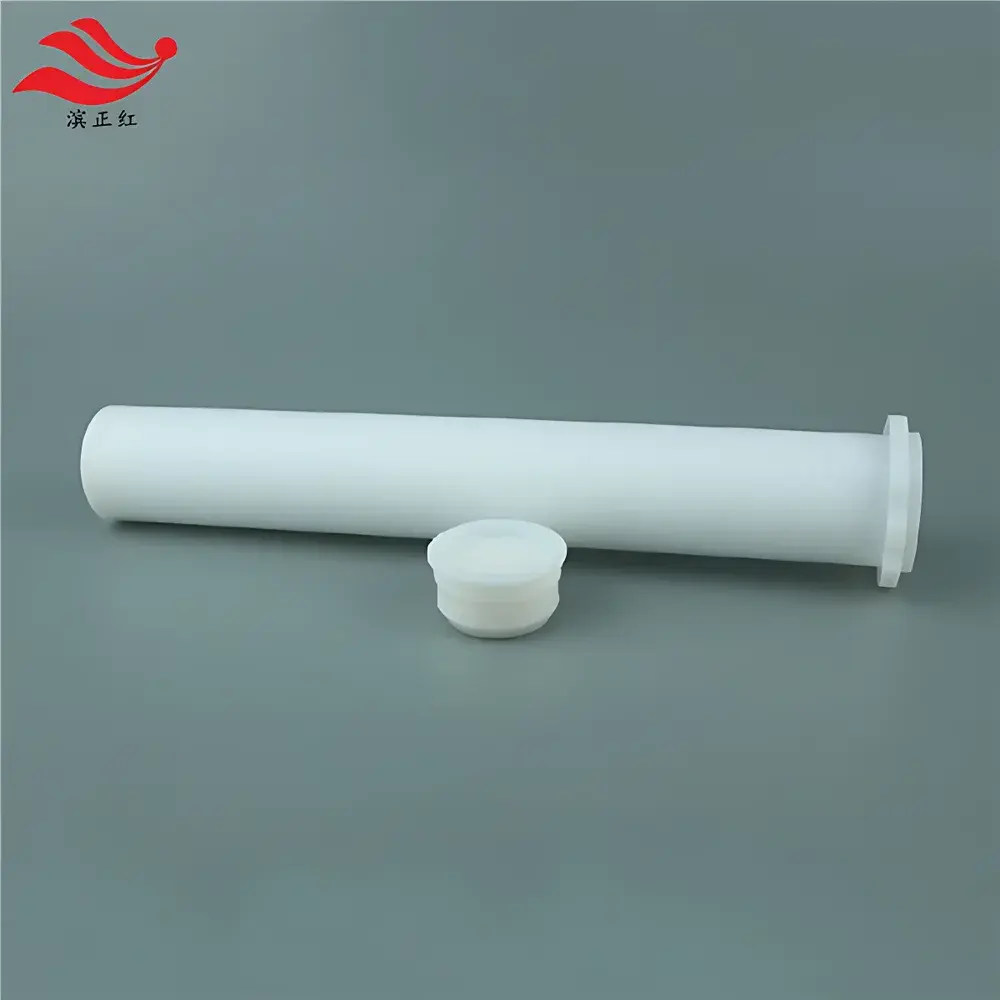
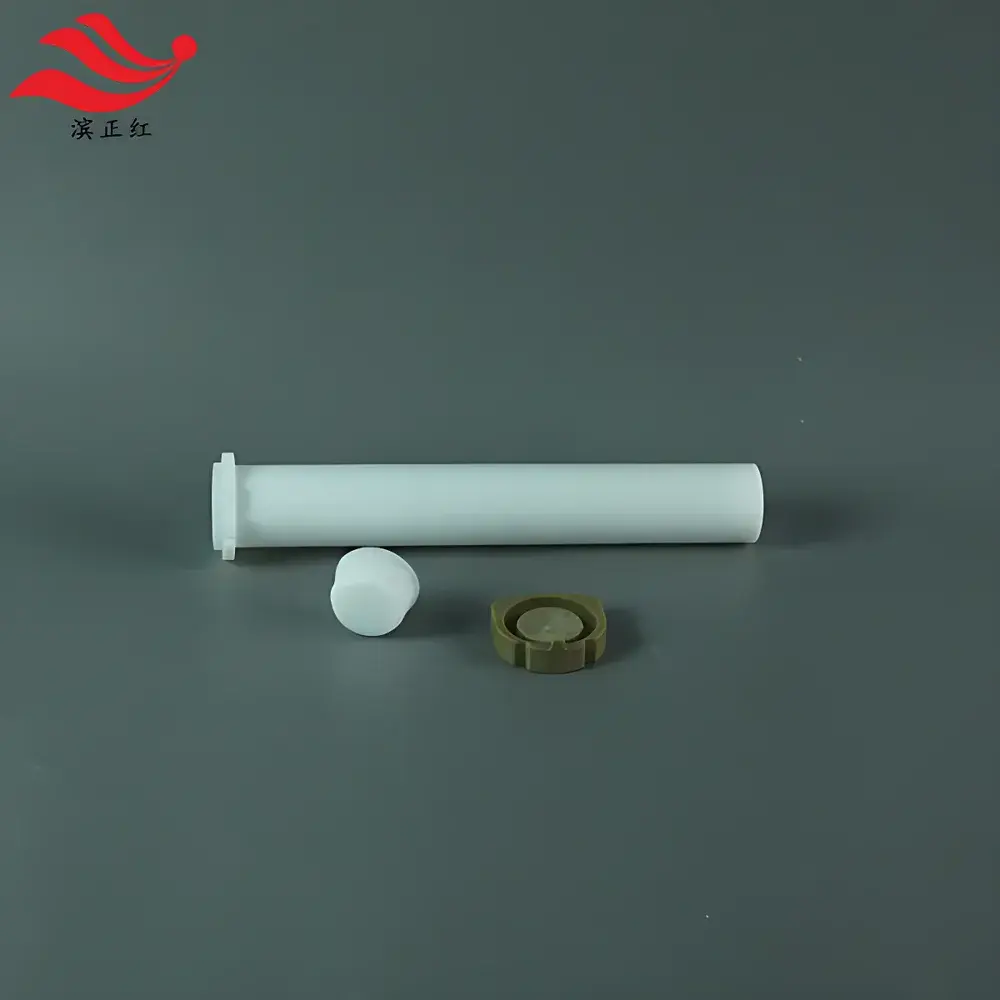
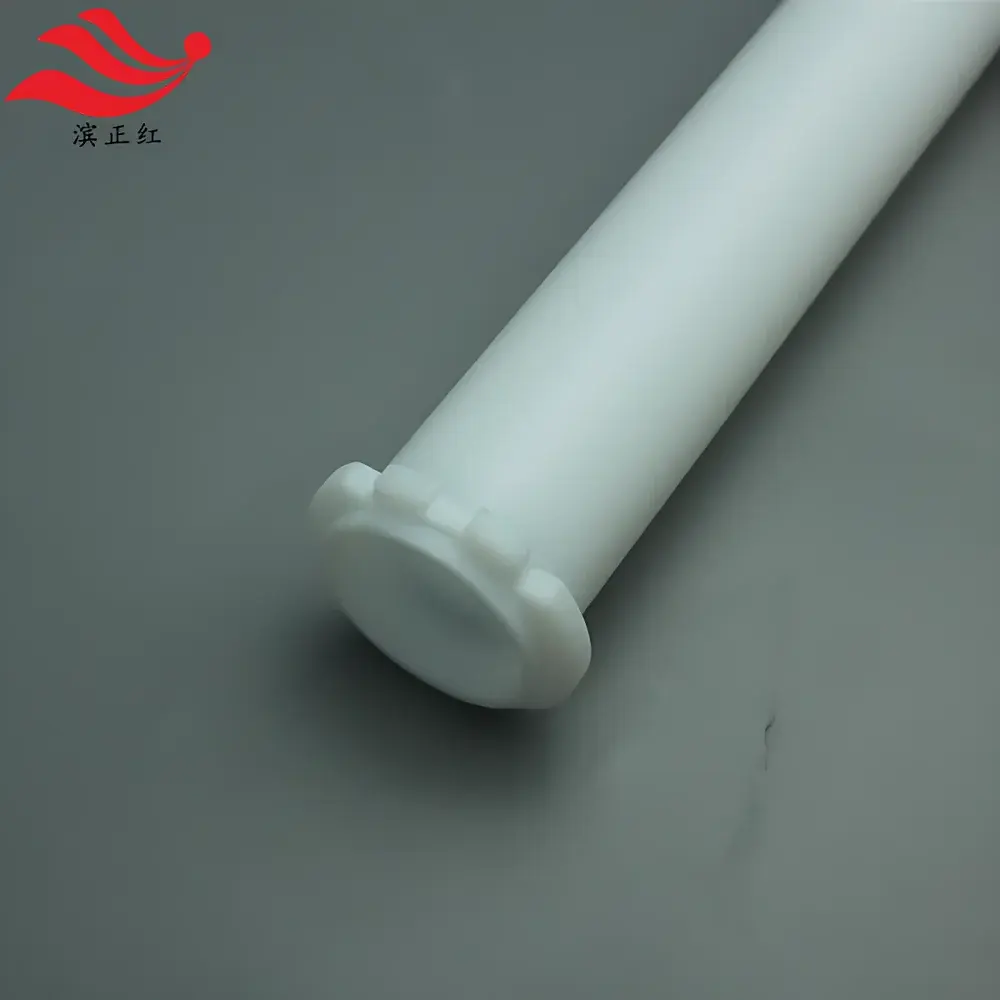
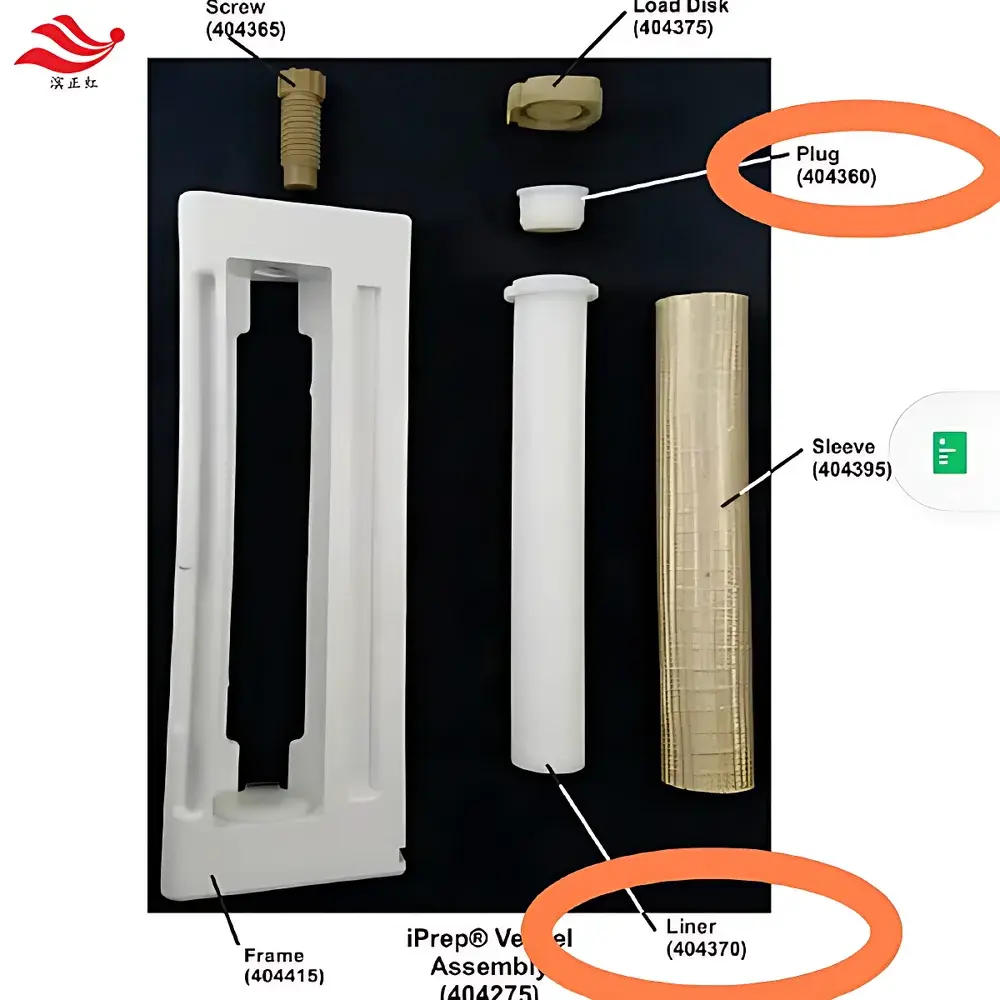
Binhenghong iPrep® 24-Position High-Pressure Microwave Digestion Vessel System (100 mL Capacity)
| Brand | Binhenghong |
|---|---|
| Origin | Jiangsu, China |
| Manufacturer Type | OEM Manufacturer |
| Country of Origin | China |
| Configuration | 24-Position Rack System |
| Vessel Capacity | 100 mL |
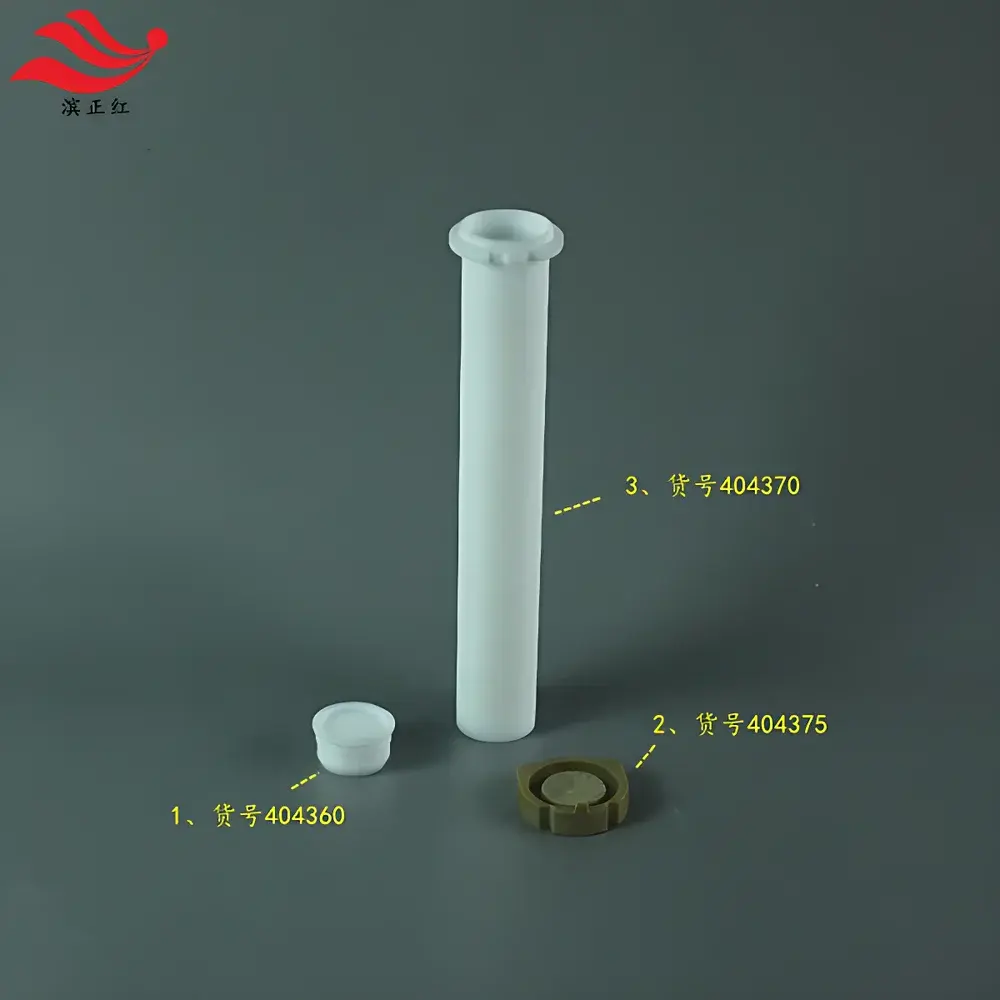
| Core Components | iPrep® Vessel Assembly (P/N 404275), PTFE-Lined Digestion Tube (P/N 404370), Sealing Plug (P/N 404360), Load Disk (P/N 404375), Screw Cap (P/N 404365), Sleeve (P/N 404395), Frame (P/N 404415) |
Overview
The Binhenghong iPrep® 24-Position High-Pressure Microwave Digestion Vessel System is an engineered solution for trace-level elemental analysis in environmental, geological, food safety, and clinical laboratories. Designed for compatibility with mainstream microwave digestion platforms—including CEM MARS 6, Anton Paar Multiwave PRO, and Milestone ETHOS UP—the system operates under controlled high-pressure and high-temperature conditions (up to 300 °C and 120 bar, depending on instrument configuration and method parameters). Each vessel integrates a chemically inert, low-extraction PTFE liner (P/N 404370) housed within a reinforced fiberglass-reinforced polyetherimide (PEI) outer sleeve (P/N 404395), ensuring mechanical stability during rapid pressurization cycles. The sealed architecture conforms to ASTM D5511 and ISO 11885 requirements for heavy metal extraction from solid matrices, supporting quantitative recovery of analytes such as As, Cd, Cr, Cu, Pb, and Hg without volatilization loss.
Key Features
- 24-position rack-based configuration (P/N 404415 frame) enables parallel processing of up to 24 samples per run, improving throughput while maintaining inter-vessel pressure uniformity.
- iPrep® Vessel Assembly (P/N 404275) incorporates a dual-seal design: primary static sealing via precision-machined PTFE plug (P/N 404360) and secondary dynamic sealing through compression-fit screw cap (P/N 404365), minimizing leakage risk during ramped heating protocols.
- PTFE liners (P/N 404370) are manufactured to ≤1 ppb background levels for Al, Fe, Ni, and Zn, verified per USP elemental impurities testing guidelines.
- Load disk (P/N 404375) ensures consistent vertical alignment and thermal coupling across all vessels, reducing radial temperature gradients within the cavity.
- All polymer components comply with FDA 21 CFR §177.1550 (PTFE) and §177.1500 (PEI), supporting GLP-compliant sample preparation workflows.
Sample Compatibility & Compliance
The system accommodates solid, semi-solid, and liquid samples—including soils, sediments, biological tissues, plant materials, and polymer composites—within the 100 mL vessel volume. Digestion protocols follow EPA Method 3052, EN 13656, and GB/T 17141–1997 for acid leaching using HNO₃/HF/H₂O₂ mixtures. Vessels demonstrate full resistance to concentrated hydrofluoric acid (up to 48% w/w) at 220 °C for 30 min, validated via post-digestion ICP-MS trace metal screening. Batch certification includes pressure cycle validation (100 consecutive cycles at 100 bar), dimensional inspection per ISO 2768-mK, and certificate of conformance with ISO 9001:2015 manufacturing controls.
Software & Data Management
While the iPrep® vessel system itself is hardware-only, it interfaces seamlessly with instrument-specific software suites that support audit-trail-enabled method storage, electronic signature capture (per FDA 21 CFR Part 11), and automated pressure/temperature logging. Vessel identification codes (e.g., 404370, 404360) are programmable into method templates to ensure component traceability across digestion runs. All replacement parts ship with serialized lot documentation, enabling full chain-of-custody tracking from manufacturing to end-user deployment.
Applications
- Multi-element quantification in certified reference materials (CRMs) such as NIST SRM 2710a, GBW07405, and ERM-CC141.
- Regulatory compliance testing for RoHS, WEEE, and REACH restricted substances in electronics and plastics.
- Speciation-independent total metal determination prior to HPLC-ICP-MS or LC-ICP-MS analysis.
- Method development for high-silica matrices requiring HF-assisted dissolution, including ceramics, fly ash, and geological silicates.
- Quality control of digestion efficiency via spike recovery studies (≥95% recovery for Cr(VI)-to-Cr(III) conversion validation).
FAQ
Are these vessels compatible with CEM MARS 6 systems?
Yes—the 24-position frame (P/N 404415) and load disk (P/N 404375) are dimensionally matched to CEM’s standard rotor geometry and torque specifications.
What is the maximum recommended operating pressure?
Rated for continuous operation up to 120 bar; however, method-specific limits must align with the host microwave system’s safety firmware settings.
Can the PTFE liners be reused?
Single-use only per ISO/IEC 17025:2017 clause 7.2.2.1; reuse introduces contamination risk and compromises pressure integrity verification.
Do you provide certificates of analysis for blank levels?
Yes—each batch of liners (P/N 404370) includes a CoA reporting ICP-MS-measured blanks for 22 elements, traceable to NIST SRM 3100 series standards.
Is technical support available for method optimization?
Application engineers provide protocol guidance—including acid selection, ramp profiles, and hold-time calibration—for matrices covered under EPA, ISO, and Chinese GB standards.



