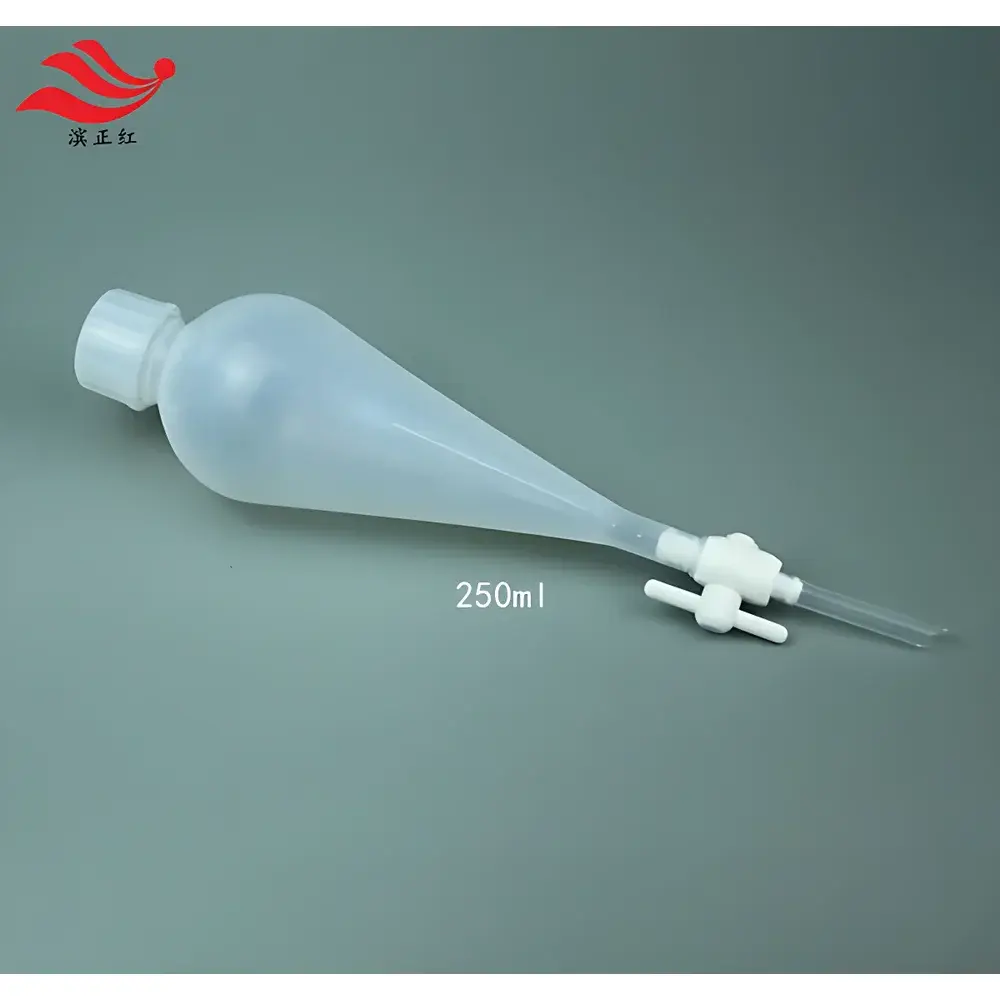
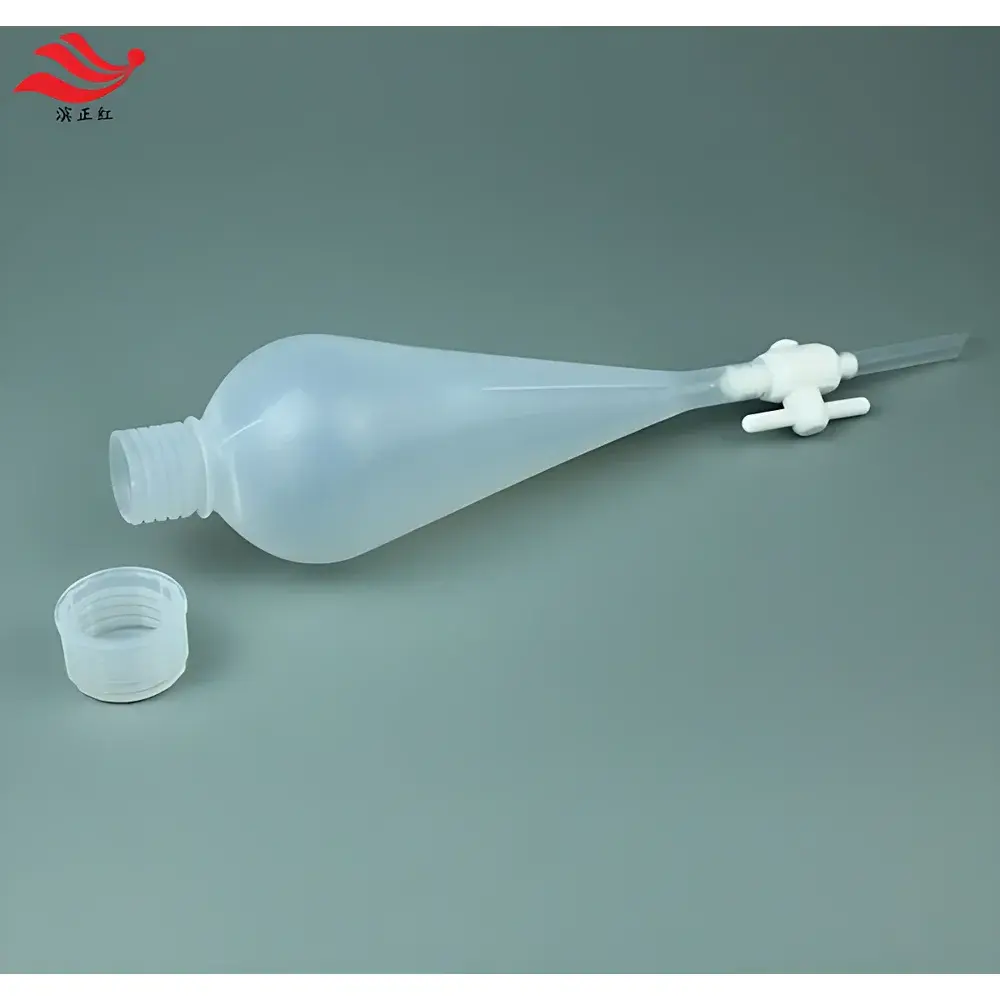
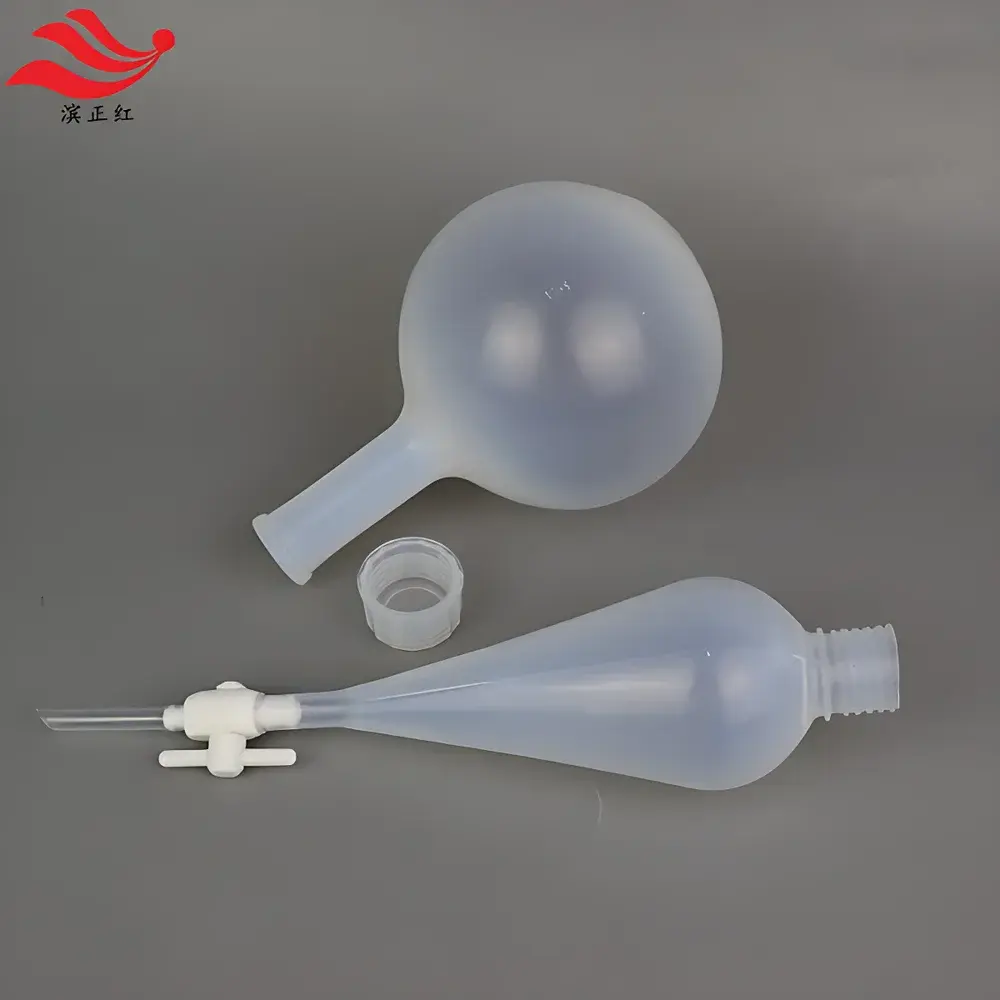
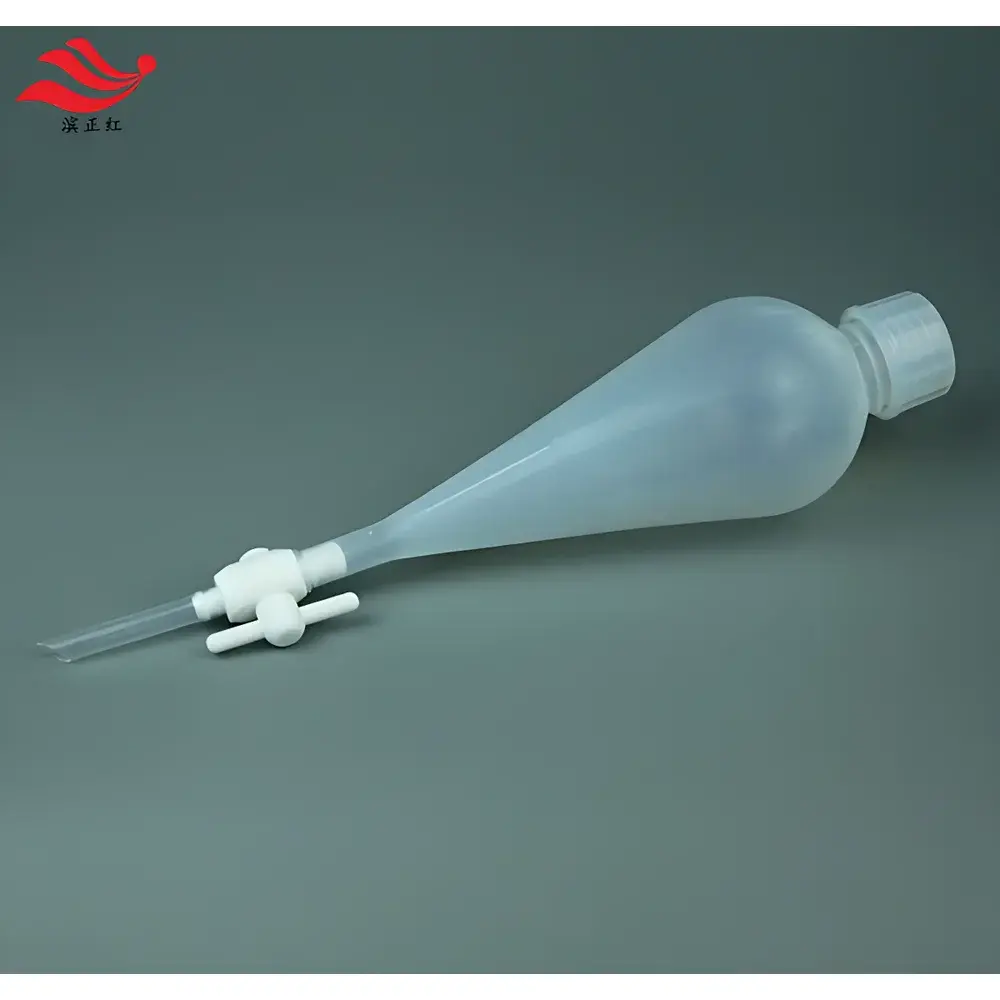
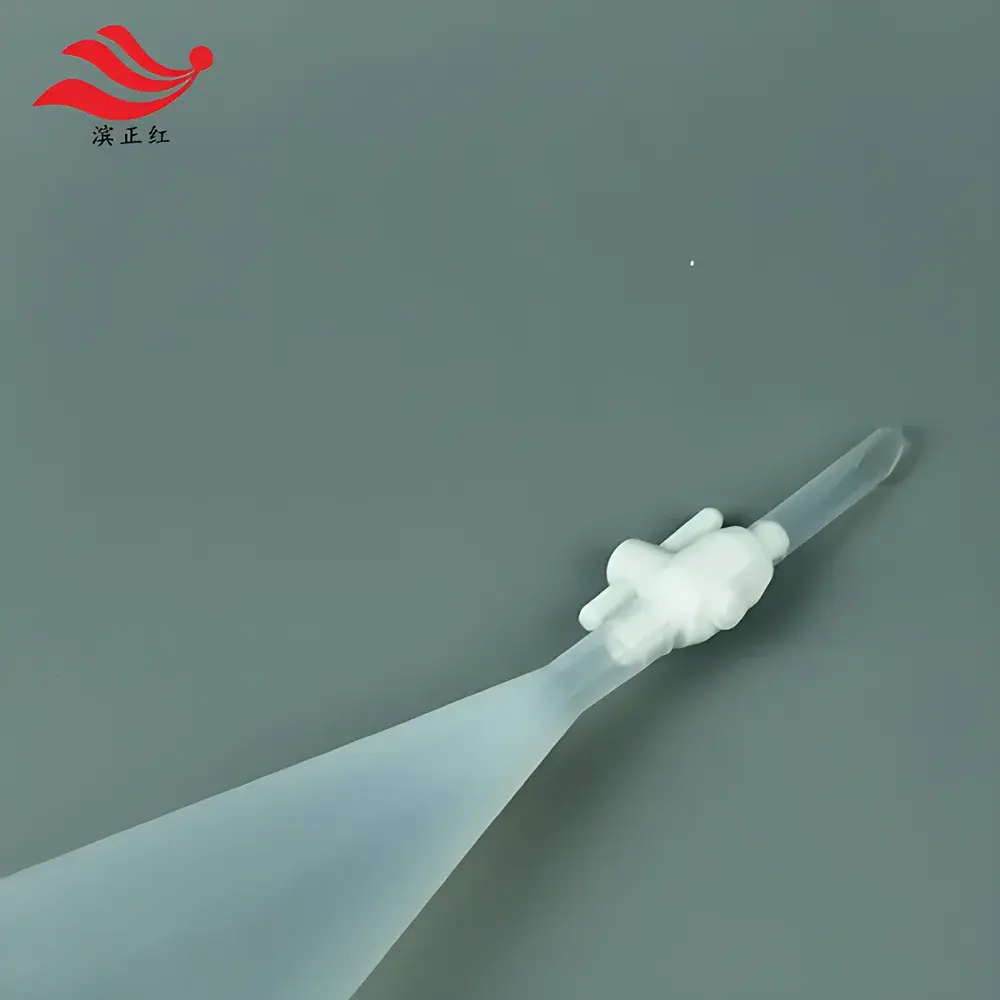
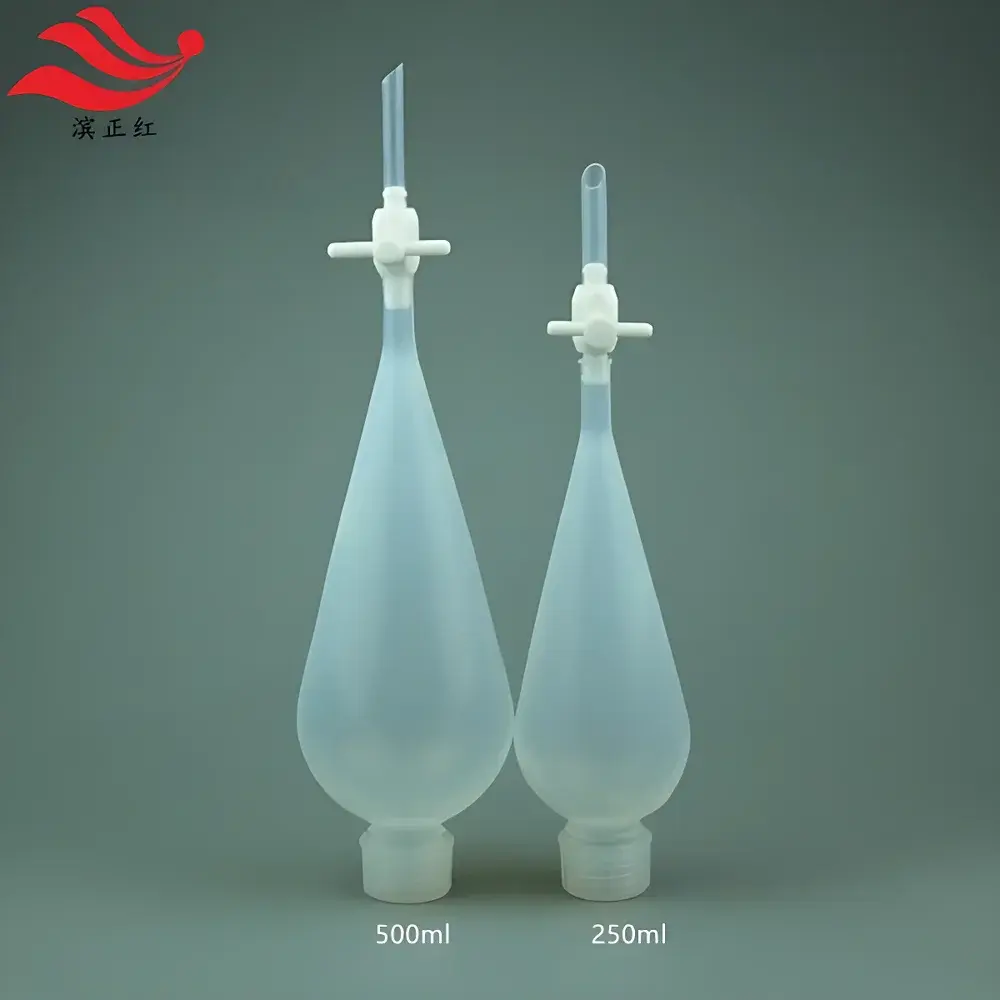
Binzhenghong FEP/PFA Transparent Separatory Funnel for HF-Resistant Liquid-Liquid Extraction
| Brand | Binzhenghong |
|---|---|
| Origin | Jiangsu, China |
| Manufacturer Type | Direct Producer |
| Model Range | 125–1000 mL |
| Material | Fluorinated Ethylene Propylene (FEP) or Perfluoroalkoxy (PFA) |
| Max Operating Temperature | 205°C |
| Chemical Resistance | Hydrofluoric Acid (HF), Strong Acids/Bases, Oxidizers, Organic Solvents |
| Transparency | Optical Clarity for Phase Interface Observation |
| Sealing Integrity | Dual-Seal Cap + PTFE-Encapsulated Three-Way Stopcock |
| Compliance | ASTM D4796 (for fluoropolymer labware), ISO 8573-1 (cleanliness class applicable to inert surfaces) |
Overview
The Binzhenghong FEP/PFA Transparent Separatory Funnel is an engineered alternative to traditional glass separatory funnels, specifically designed for applications requiring extreme chemical inertness, mechanical resilience, and visual process monitoring. Constructed entirely from high-purity fluoropolymers—either FEP (fluorinated ethylene propylene) or PFA (perfluoroalkoxy)—this funnel operates on the fundamental principle of liquid–liquid extraction: density-driven phase separation under static conditions, followed by controlled gravity-fed discharge through a precision three-way stopcock. Unlike borosilicate glass, which is vulnerable to etching by hydrofluoric acid (HF) and thermal shock, FEP and PFA exhibit near-universal resistance across aggressive reagent classes—including concentrated HF, fuming nitric acid, molten alkalis, and halogenated solvents—while maintaining structural integrity at temperatures up to 205°C. Its optical clarity enables real-time observation of immiscible phase boundaries during extraction, emulsion formation, or washing steps—critical for method development in analytical chemistry, nuclear fuel processing, semiconductor wet etching, and high-purity synthesis.
Key Features
- Full-body fluoropolymer construction (FEP or PFA) ensures non-reactivity with HF, aqua regia, chlorine dioxide, and peroxide-based oxidizers—eliminating leaching, surface degradation, or catastrophic failure common with glass or standard plastics.
- Optically transparent walls provide unobstructed visualization of phase separation kinetics, interfacial tension behavior, and emulsion stability—supporting qualitative assessment and endpoint determination without sampling.
- Integrated three-way PTFE-encapsulated stopcock allows simultaneous or selective drainage of upper and lower phases into separate receiving vessels—reducing cross-contamination risk and operator handling time during multi-step extractions.
- Double-sealed screw cap with integrated O-ring and tapered stopcock stem ensures leak-tight containment under vacuum or mild positive pressure (up to 0.2 bar), compatible with inert atmosphere work (e.g., glovebox-integrated workflows).
- Chemical and thermal stability validated per ASTM D4796 for fluoropolymer laboratory equipment; no measurable weight loss or haze development after 72 h immersion in 48% HF at 25°C.
- Drop-resistant design eliminates breakage hazards associated with glassware—reducing lab safety incidents, replacement costs, and downtime in high-throughput QC/QA environments.
Sample Compatibility & Compliance
This separatory funnel accommodates aqueous–organic, aqueous–ionic liquid, and immiscible solvent systems across volumes from 125 mL to 1000 mL. It is routinely deployed in EPA Method 3510C (liquid–liquid extraction for organics), ASTM D7087 (HF-based cleaning validation), and ICH Q5C stability protocols where extractables/leachables profiling mandates fluoropolymer contact surfaces. The material complies with USP Class VI biocompatibility requirements and meets ISO 10993-5 cytotoxicity thresholds. For regulated pharmaceutical or environmental testing labs, the funnel supports GLP-compliant documentation when used with traceable calibration records and lot-specific material certifications (available upon request).
Software & Data Management
While inherently manual in operation, the funnel integrates seamlessly into digital lab workflows. Its standardized neck thread (standard taper 24/40 or 29/32 depending on model) permits direct coupling with automated liquid handlers (e.g., Hamilton STAR, Tecan Fluent) via custom adapters. Digital logbooks (e.g., LabArchives, Benchling) can record batch-specific usage history—including solvent exposure logs, cleaning cycles, and visual inspection reports—to satisfy FDA 21 CFR Part 11 audit trails when paired with electronic signatures. Material certificates of conformance (CoC) include elemental analysis (ICP-MS) confirming <10 ppb metal impurities—critical for trace-metal-sensitive applications such as ICP-MS sample prep.
Applications
- Purification of HF-sensitive compounds in fluorochemical synthesis (e.g., fluorinated pharmaceuticals, OLED precursors)
- Radiochemical separations involving uranium/plutonium dissolution in HF–HNO₃ mixtures (ANSI/ANS-16.1 compliant)
- Trace-metal analysis sample preparation (e.g., seawater, biological fluids) where glass-derived silicate contamination must be excluded
- Stability-indicating assays under accelerated stress conditions (ICH Q1A)
- Teaching laboratories requiring durable, safe alternatives to glass for undergraduate organic chemistry curricula
FAQ
Can this funnel be sterilized using autoclaving?
Yes—FEP models withstand repeated autoclaving at 121°C, 15 psi for 20 min; PFA models support full-cycle autoclaving up to 150°C. Verify cycle compatibility with your sterilizer’s temperature profile.
Is the stopcock interchangeable between FEP and PFA funnels?
No—stopcocks are calibrated per polymer batch and thermal expansion coefficient. Use only original equipment manufacturer (OEM) replacement parts to maintain sealing integrity.
Does the funnel comply with FDA regulations for food contact?
FEP and PFA materials are FDA 21 CFR 177.1550 compliant for repeated-use food-contact applications; however, this funnel is intended for laboratory use only and not certified for commercial food processing.
How often should the stopcock be lubricated?
No lubrication required—the PTFE-encapsulated stem provides dry-running, low-torque operation. Avoid silicone or hydrocarbon greases, which may swell fluoropolymer seals.
Can it be used under vacuum for solvent removal?
Yes—rated for continuous vacuum service up to 10 mbar absolute pressure. Ensure cap and stopcock are fully seated before initiating vacuum to prevent implosion or leakage.