
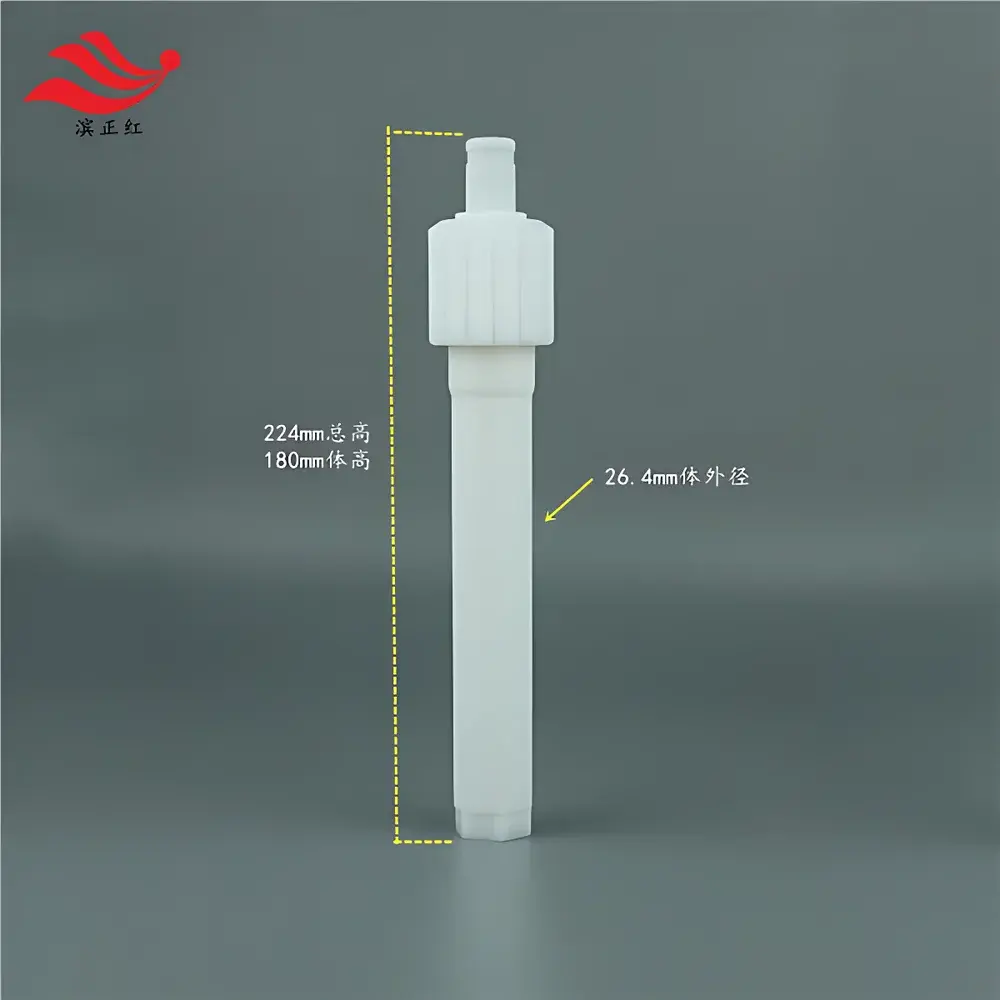
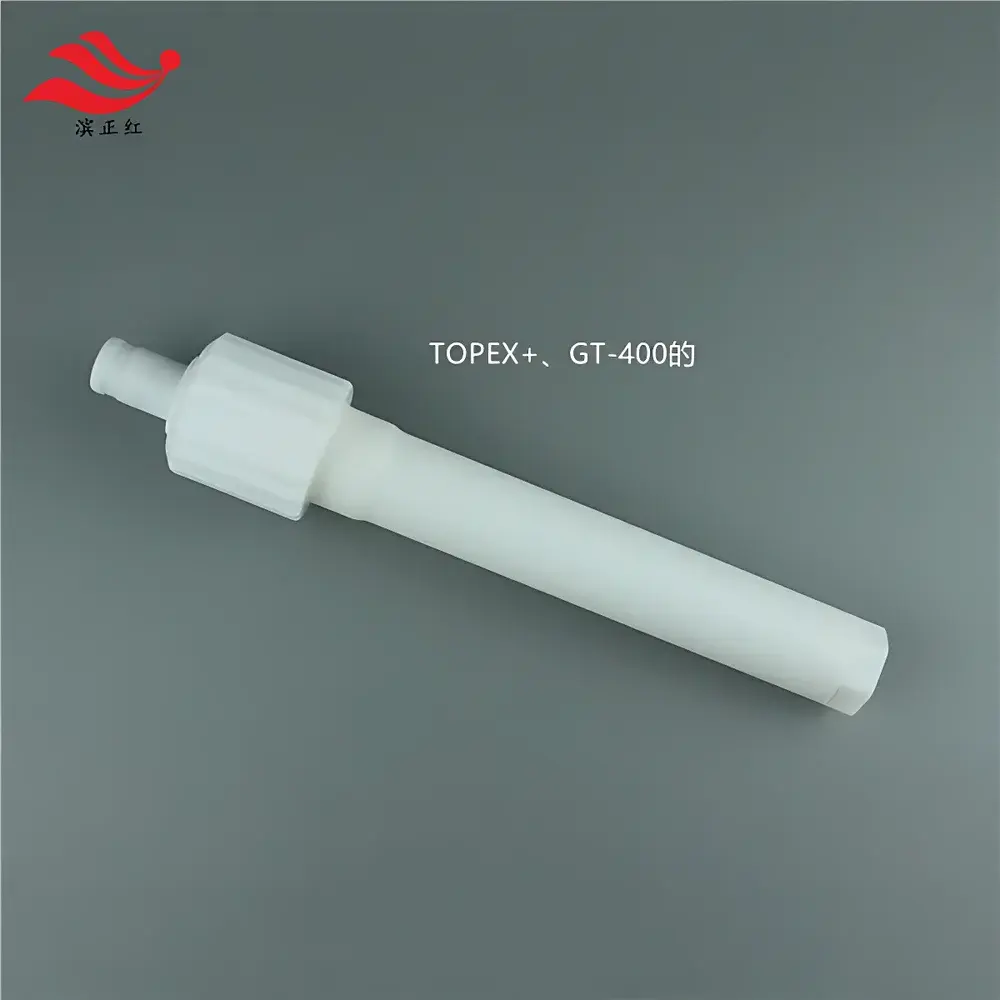
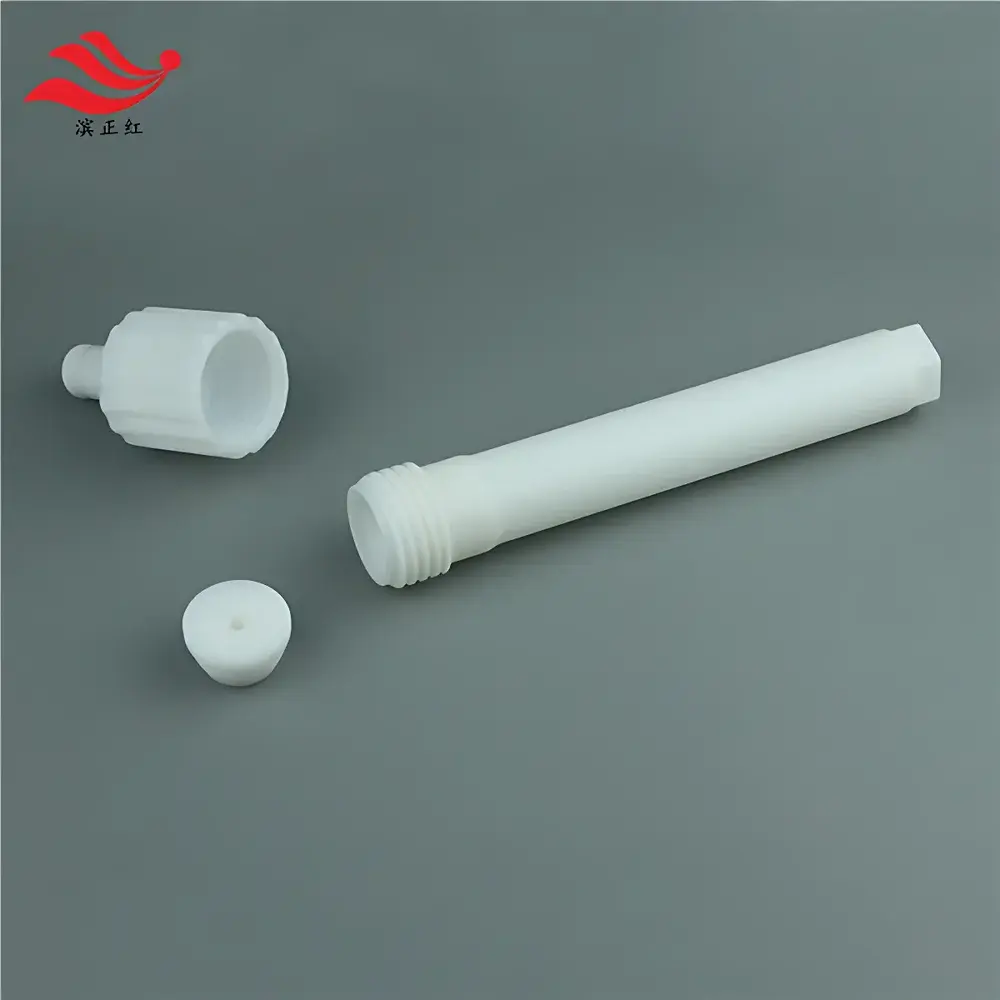
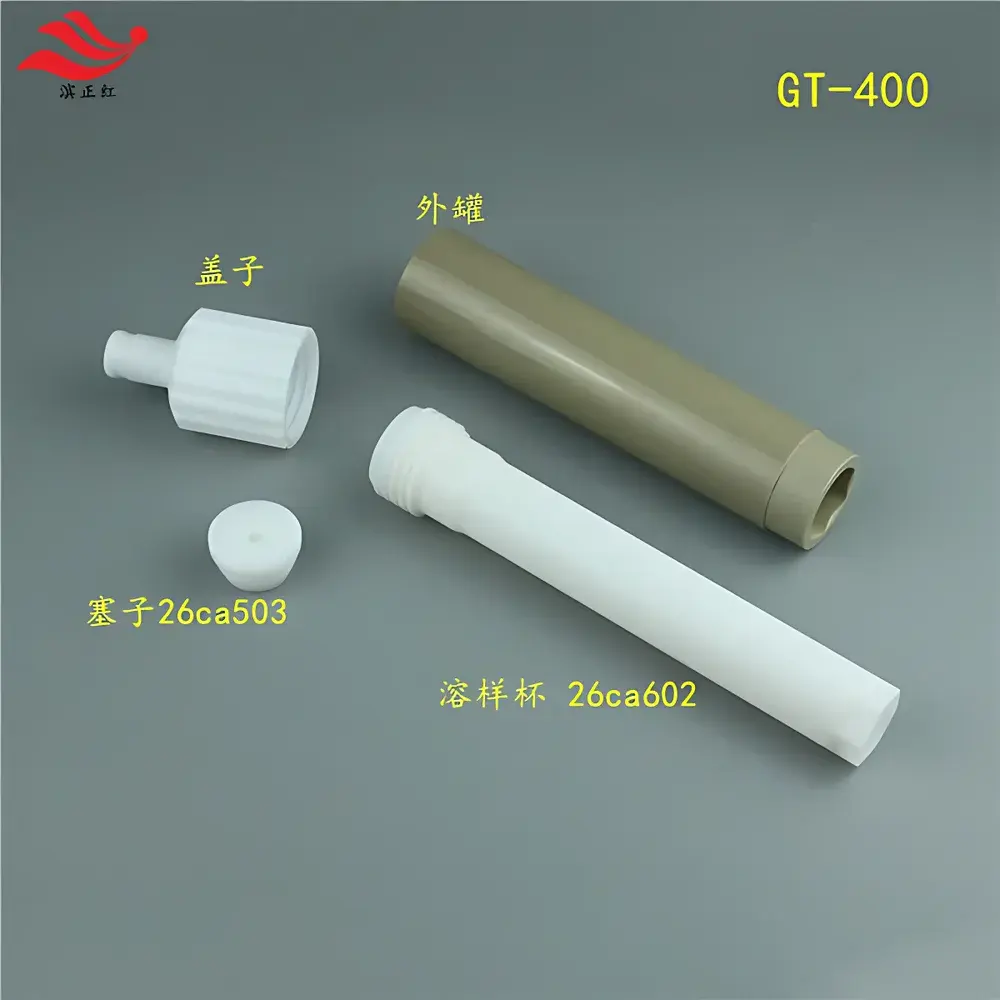
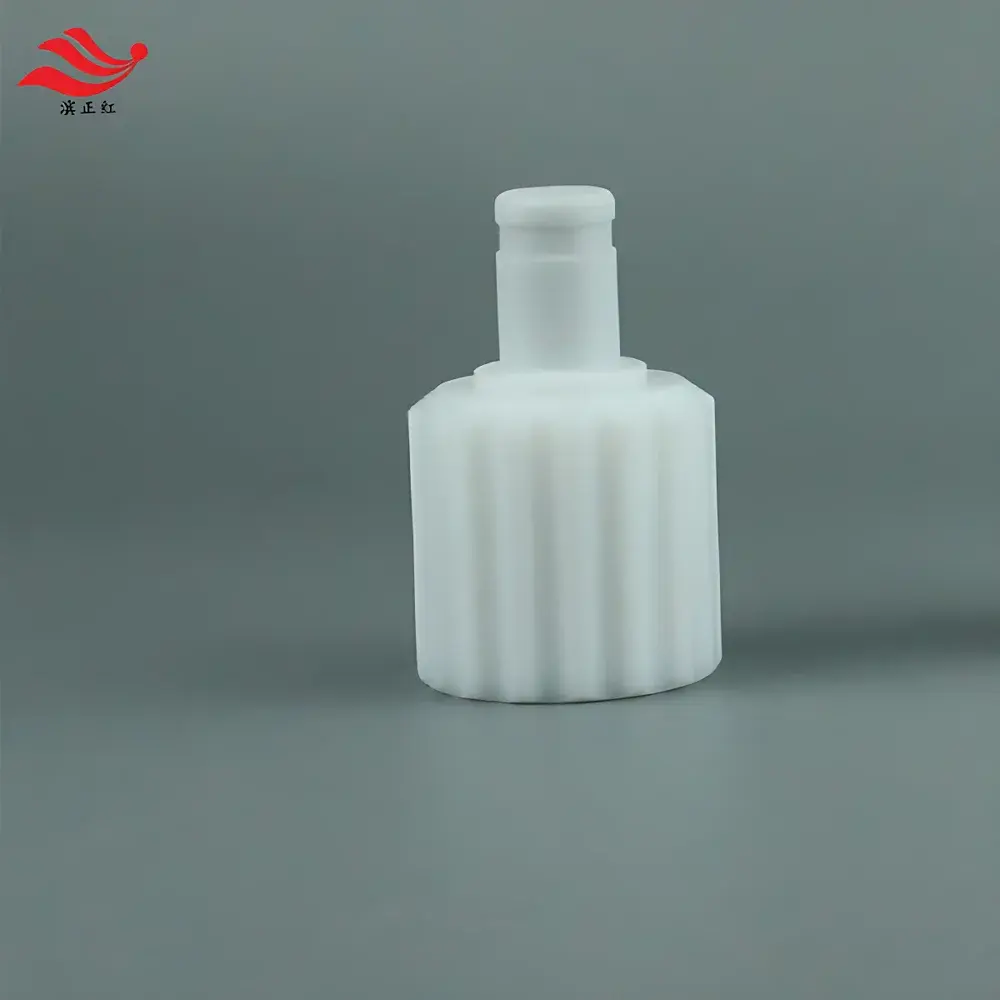
Binzhenghong GT-400 TFM Microwave Digestion Vessels (Compatible with Topex Platform)
| Brand | Binzhenghong |
|---|---|
| Origin | Jiangsu, China |
| Manufacturer Type | OEM/ODM Producer |
| Product Category | Domestic |
| Model Series | GT-400 |
| Temperature Resistance | −200 °C to +260 °C (short-term up to 300 °C) |
| Material | TFM™ Fluoropolymer |
| Compatibility | Topex-40, Cash Cow, WX-8000, WX-6000, WX-4000, Med-C, GT-400 platforms |
Overview
The Binzhenghong GT-400 TFM Microwave Digestion Vessels are precision-engineered consumables designed for high-throughput, reproducible sample preparation in closed-vessel microwave-assisted acid digestion. Constructed from TFM™—a modified polytetrafluoroethylene (PTFE) with enhanced mechanical stability—the vessels deliver superior resistance to thermal deformation, chemical permeation, and pressure-induced creep under demanding digestion conditions (up to 300 °C short-term, 260 °C continuous). Unlike standard PTFE or PFA, TFM exhibits markedly improved recovery after compression at elevated temperatures, ensuring dimensional consistency across repeated heating–cooling cycles. These vessels are fully dimensionally and mechanically compatible with the Topex platform and other widely deployed microwave digestion systems—including Cash Cow, WX-series, and Med-C—enabling seamless integration into regulated laboratory workflows without modification.
Key Features
- TFM™ fluoropolymer construction ensures exceptional chemical inertness against concentrated HNO₃, HF, HCl, H₂O₂, and aqua regia—meeting ASTM D5175 and ISO 11885 requirements for trace metal analysis.
- Optimized wall thickness and tapered geometry support uniform microwave energy coupling and consistent thermal distribution, minimizing hot-spot formation and improving digestion completeness.
- Seamless, non-porous inner surface finish (Ra < 0.05 µm) reduces analyte adsorption and carryover—critical for sub-ppq detection limits in ICP-MS and ICP-OES applications.
- Interchangeable sealing system (Part No. 26CA503) and solvent-resistant cap assembly (Part No. 26CA602) ensure leak-tight operation at pressures up to 100 bar, validated per ISO/IEC 17025 internal pressure testing protocols.
- Calibrated volume tolerance ±1.5% (nominal 40 mL capacity), supporting precise reagent dosing and method transfer between laboratories.
Sample Compatibility & Compliance
The GT-400 vessels accommodate solid, semi-solid, and liquid matrices—including soils, sediments, biological tissues, polymers, and foodstuffs—without compromising integrity during rapid ramp-rate digestion programs. Their compatibility with USP , EPA Method 3052, and EN 13656 ensures adherence to regulatory frameworks governing environmental, clinical, and pharmaceutical testing. All components are manufactured in an ISO 9001-certified facility; lot-specific certificates of conformance include elemental impurity screening (ICP-MS, detection limit ≤0.1 ng/g for Al, Cr, Fe, Ni, Zn) and hydrophobicity verification (contact angle >110°). Each batch undergoes vacuum-leak testing and autoclave cycling (121 °C, 20 min × 5 cycles) to confirm structural reliability prior to release.
Software & Data Management
While GT-400 vessels are passive consumables, their dimensional fidelity and material traceability support full auditability within LIMS-integrated workflows. Batch numbers are laser-etched for permanent identification and linked to QC documentation accessible via Binzhenghong’s secure portal. When used with Topex or Cash Cow platforms, vessel-specific calibration offsets can be imported into instrument software (e.g., Topex Control Suite v4.2+) to auto-adjust power ramp profiles based on real-time temperature feedback from fiber-optic probes. Full compliance with FDA 21 CFR Part 11 is maintained through electronic signature-enabled batch release records and immutable audit trails for all manufacturing and inspection data.
Applications
- Multi-element quantification in environmental monitoring (soil heavy metals per EPA 6020B)
- Trace element profiling in clinical diagnostics (whole blood, serum, urine per CLIA guidelines)
- Contaminant screening in food safety testing (As, Cd, Pb, Hg per EU Commission Regulation (EC) No 1881/2006)
- Dissolution kinetics studies for pharmaceutical excipients under ICH Q5C stress conditions
- Geochemical reference material digestion (e.g., NIST SRM 2710a, GBW 07405) with <5% RSD across triplicate runs
FAQ
Are GT-400 vessels suitable for HF-containing digestion protocols?
Yes—TFM™ demonstrates negligible etching or swelling in 49% hydrofluoric acid at 220 °C for 30 min, as verified by gravimetric mass loss testing (<0.002 mg/cm²/h).
Can these vessels be reused, and what is the recommended cleaning protocol?
Reusability is permitted up to 20 cycles when following ASTM D5175 cleaning: rinse with deionized water (Type I, ≥18.2 MΩ·cm), followed by three rinses with ultrapure water, then air-dry in a Class 100 laminar flow hood. Mechanical scrubbing is strictly prohibited.
How does TFM compare to PFA in terms of long-term pressure fatigue resistance?
Independent cyclic pressure testing (0–80 bar, 500 cycles) shows TFM retains >98% of original tensile strength, whereas PFA exhibits ~12% irreversible elongation under identical conditions.
Is there documented compatibility with Topex-40 rotor geometry and torque specifications?
Yes—GT-400 vessels meet Topex-40 mechanical interface specifications (thread pitch: 1.5 mm, sealing shoulder diameter: 32.4 ±0.05 mm, maximum torque: 18 N·m), confirmed via third-party fit-check certification (Report No. BZH-GT400-TOP40-2024-089).



