
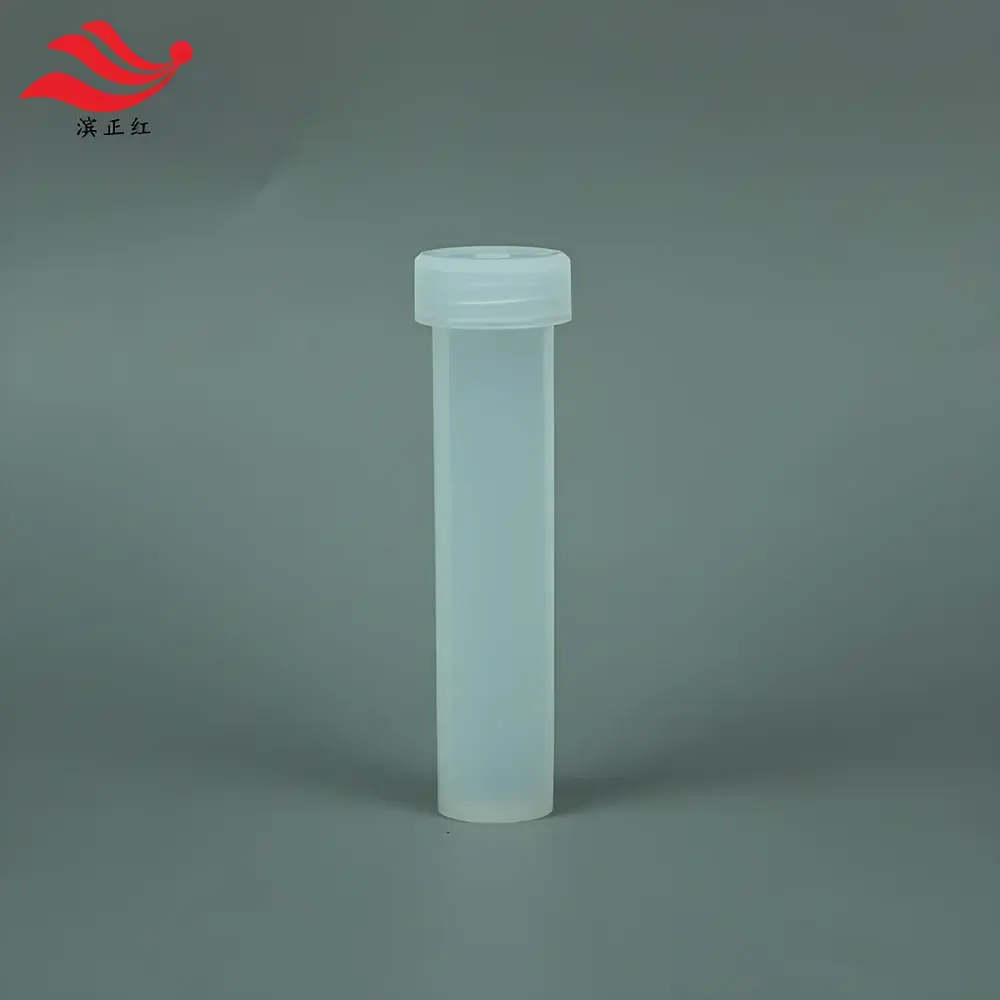
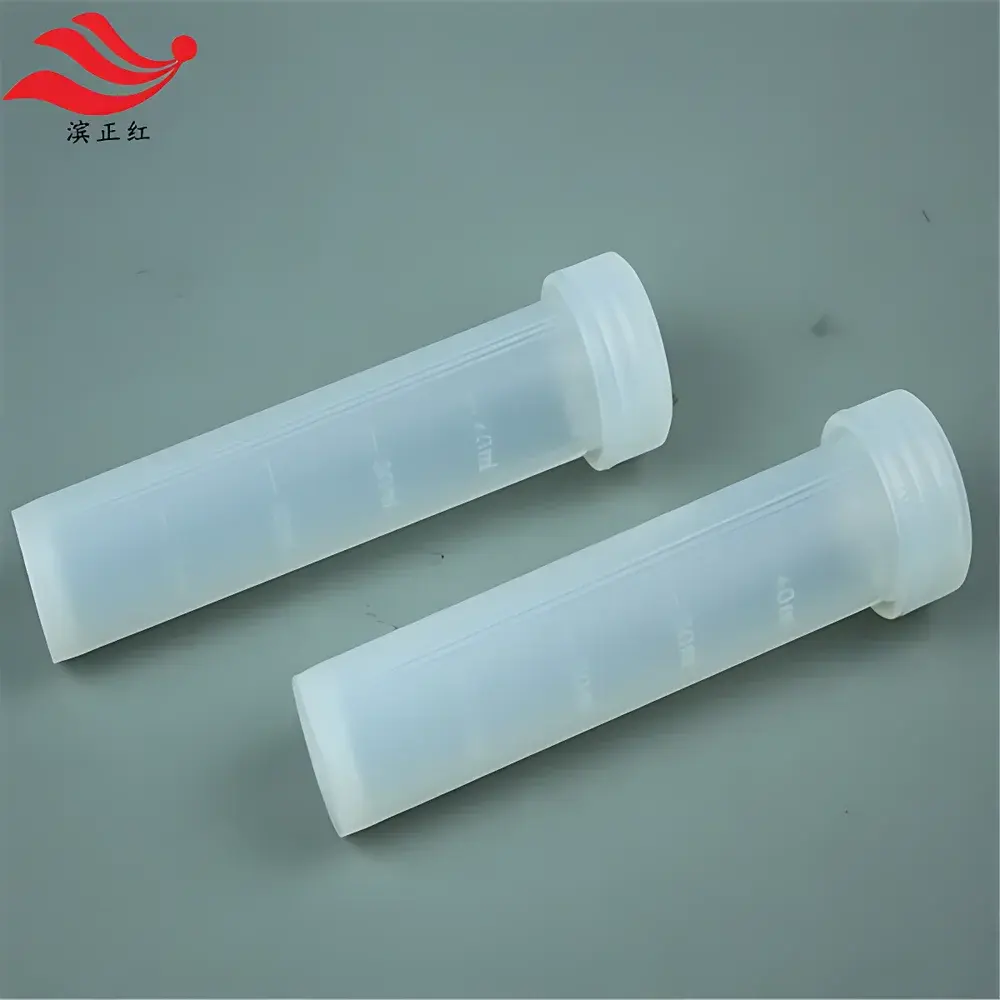
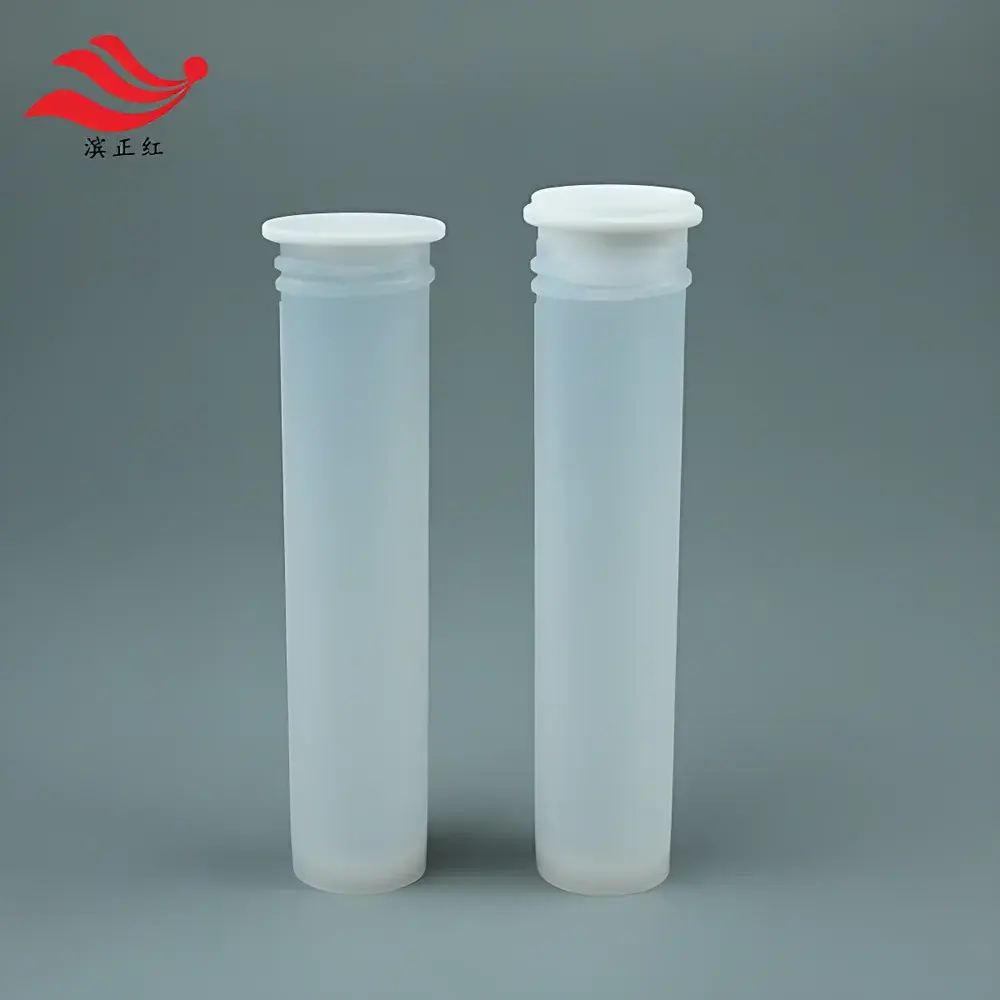
Binzhenghong NJ-ZH PFA Digestion Vessels (60 mL) for LabTech EHD Microwave Digestion Systems
| Brand | Binzhenghong |
|---|---|
| Origin | Jiangsu, China |
| Manufacturer Type | OEM/ODM Producer |
| Vessel Capacities | 15 mL, 30 mL, 60 mL |
| Material | Perfluoroalkoxy (PFA) |
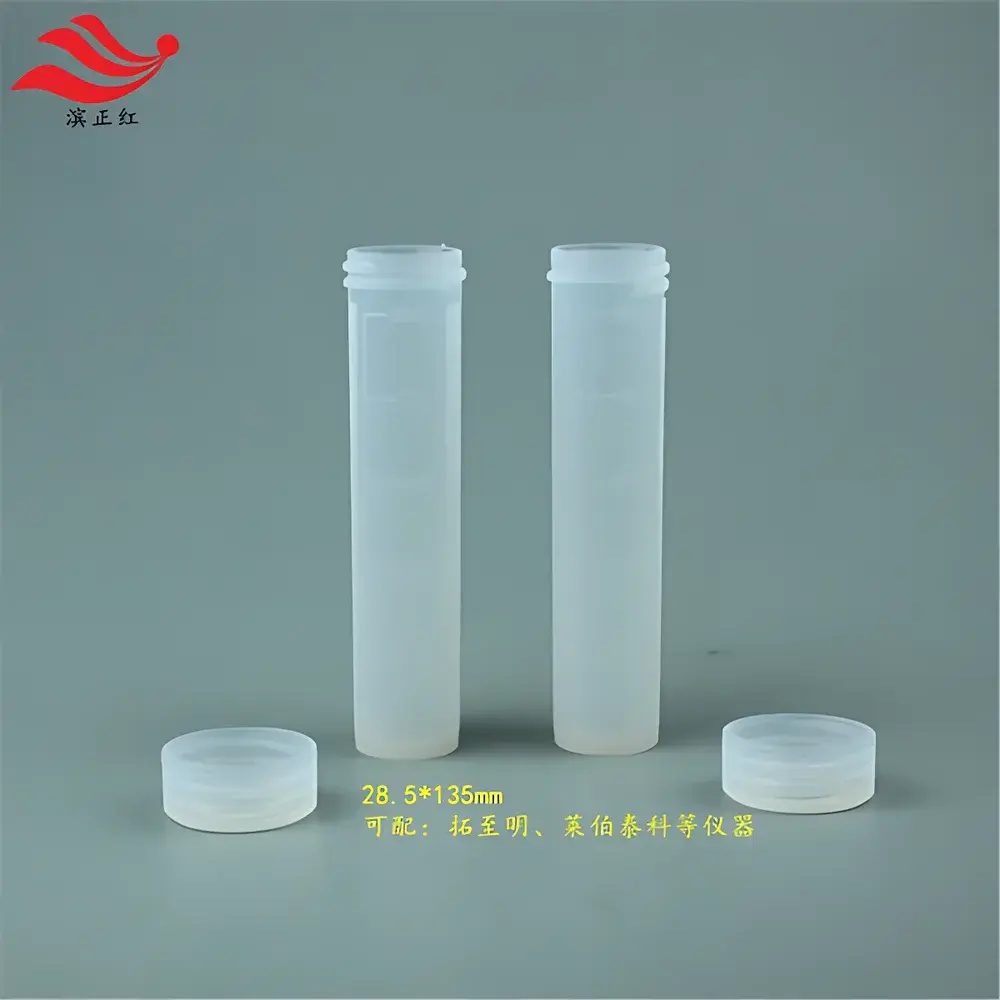
| Outer Diameter | 28–29 mm |
| Total Height | 135 mm |
| Volume Range | 50–60 mL (nominal) |
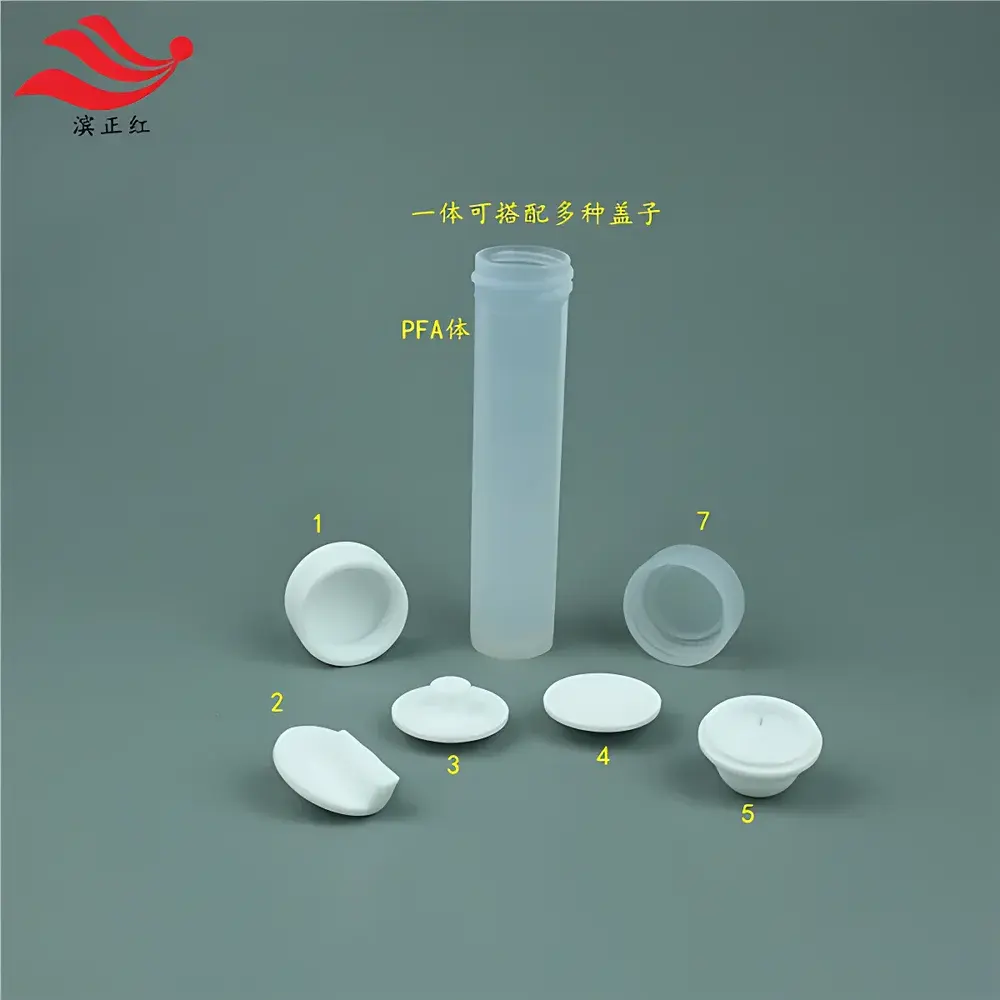
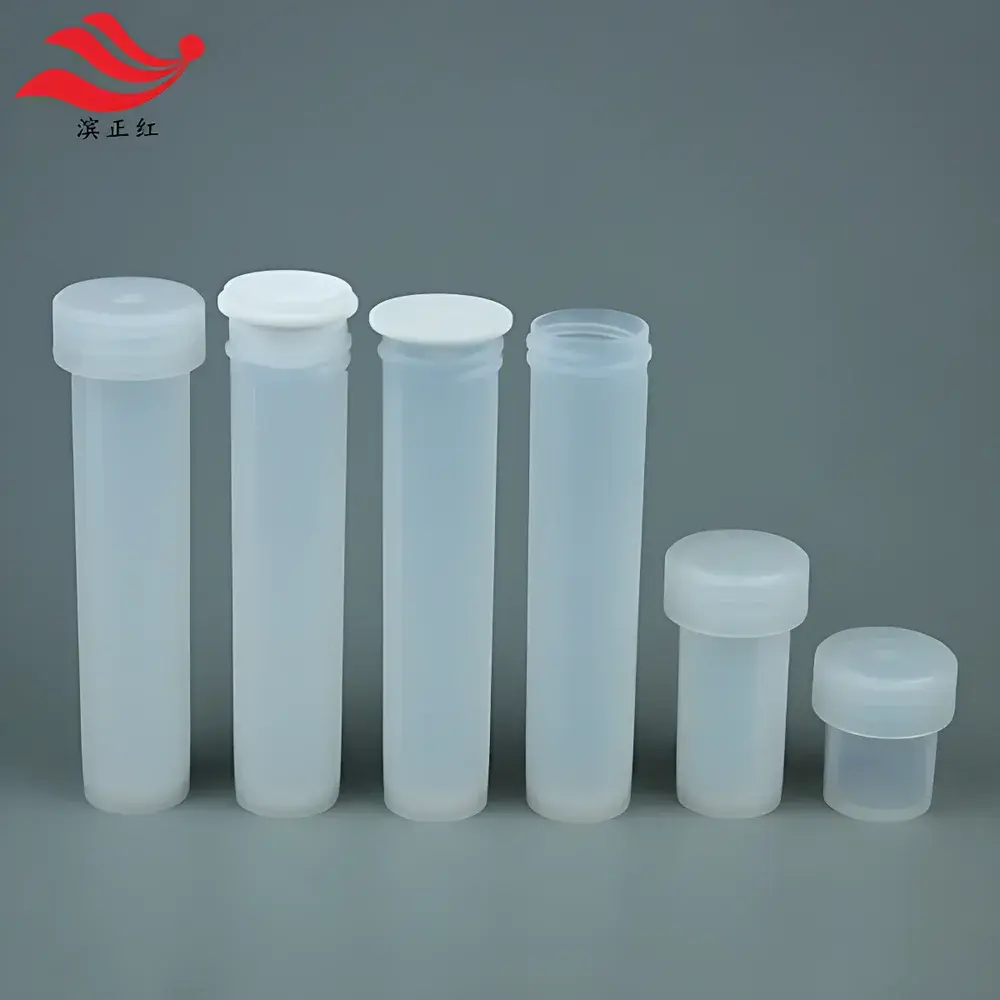
| Cap Options | Reflux cap, handle cap, dual-cap integrated design, flared mouth cap, threaded cap, flat-mouth cap |
| Compliance | ASTM D5683-22 (for fluoropolymer labware), ISO 17025:2017 (supporting trace metal analysis workflows), USP <661.2> Class VI biocompatibility (material-level) |
Overview
The Binzhenghong NJ-ZH series PFA digestion vessels are high-purity, chemically inert sample containment systems engineered for microwave-assisted acid digestion in trace elemental analysis laboratories. Constructed from perfluoroalkoxy alkane (PFA), a fully fluorinated thermoplastic polymer, these vessels provide superior resistance to aggressive reagents—including concentrated hydrofluoric acid (HF), aqua regia, and hot nitric/hydrochloric/perchloric acid mixtures—under elevated temperature and pressure conditions typical of modern microwave digestion platforms such as the LabTech EHD series. Unlike borosilicate glass or polypropylene alternatives, PFA exhibits negligible leaching of background metals (e.g., Al, Fe, Cr, Ni, Zn), ensuring low method blanks and high analytical fidelity in ICP-MS, ICP-OES, and AAS applications. The 60 mL nominal capacity variant is dimensionally optimized for compatibility with LabTech’s EHD digestion rotors (TF-36/TF-16 configurations), supporting full-volume digestion cycles without overflow risk while maintaining consistent thermal mass distribution across the rotor cavity.
Key Features
- Ultra-low extractables: PFA resin meets USP Class VI requirements; certified for ≤0.1 ng/g metal leachates under EPA Method 3052 simulated digestion conditions.
- Optical clarity with precision etched volume markings: Semi-transparent walls enable real-time visual monitoring of digestion progress; calibrated graduation lines (10–60 mL, ±0.5 mL tolerance) support direct post-digestion dilution and quantitation without transfer errors.
- Robust mechanical integrity: Withstands repeated thermal cycling from −200 °C to +260 °C and internal pressures up to 10 MPa—exceeding the operational envelope of LabTech EHD systems (max 6 MPa, 300 °C).
- Modular cap architecture: Six cap variants—including reflux, handle-integrated, dual-function (seal + vent), flared inlet, thread-sealed, and flat-mouth—are available to accommodate diverse digestion protocols (closed-vessel, open-vessel, reflux-controlled, or automated liquid handling integration).
- Dimensional consistency: Outer diameter (28.5 ± 0.2 mm) and height (135 ± 1 mm) comply with LabTech EHD rotor slot tolerances, ensuring uniform microwave coupling and rotational stability during high-speed digestion runs.
Sample Compatibility & Compliance
These PFA vessels are validated for use with solid, semi-solid, and liquid matrices including soils, sediments, biological tissues (plant/animal), foodstuffs, polymers, and geological samples. They meet the material performance criteria referenced in ASTM D5683-22 (Standard Specification for Fluoropolymer Laboratory Ware), supporting GLP-compliant digestion workflows. When used in conjunction with LabTech EHD instrumentation operating under validated SOPs, the system satisfies data integrity requirements outlined in FDA 21 CFR Part 11 (electronic records/signatures) and ISO/IEC 17025:2017 clause 7.2.2 (method validation for trace metal determination). Batch-certified CoA documentation includes ICP-MS blank testing results (Al, Cr, Fe, Ni, Zn, Cu, Pb, Cd, As, Hg at sub-ppt levels).
Software & Data Management
While the NJ-ZH vessels themselves are passive consumables, their dimensional and thermal stability directly supports reproducible method transfer between LabTech’s UltraWave™ and EHD Control Suite software environments. Consistent vessel geometry ensures repeatable microwave absorption profiles, minimizing inter-run variance in temperature ramping and hold times. For laboratories implementing electronic lab notebooks (ELN) or LIMS integration, vessel lot numbers are traceable to raw material certifications and batch-specific blank test reports—enabling full audit trail linkage from digestion step to final quantitative result.
Applications
- Environmental monitoring: EPA Methods 3051A, 3052, and 6010D for soil/sediment digestion prior to ICP-MS multi-element screening.
- Clinical and pharmaceutical QA/QC: USP / compliant heavy metal testing in APIs and excipients using closed-vessel HF-based digestion.
- Geochemical research: High-pressure digestion of silicate-rich rocks and minerals requiring HF-HNO₃-HClO₄ mixtures at >220 °C.
- Food safety compliance: EU Commission Regulation (EC) No 1881/2006 and FDA Elemental Analysis Manual (EAM) Chapter 5 digestions for Pb, Cd, As, and Hg in infant formula and seafood.
- Materials science: Digestion of carbon composites, battery cathode materials (NMC, LFP), and catalyst supports for elemental impurity profiling.
FAQ
Are these vessels compatible with LabTech EHD models other than TF-36/TF-16?
Yes—dimensional verification confirms fitment across all EHD generations (EHD-40, EHD-60, EHD-80) when used with standard rotor inserts. Custom rotor adapters are available upon request.
Can the etched volume markings withstand repeated HF exposure?
Yes—the graduations are laser-etched into the PFA matrix (not surface-printed) and remain legible after ≥50 digestion cycles using 49% HF at 200 °C.
Is lot-specific certification provided with each shipment?
Yes—each order includes a Certificate of Analysis listing ICP-MS blank values for 22 elements, residual moisture content (<0.01%), and conformance to ASTM D5683-22 physical property requirements.
What cap type is recommended for volatile element preservation (e.g., Hg, Se)?
The threaded cap with PFA O-ring seal (option #5) provides optimal vapor retention for cold-vapor AAS or hydride-generation ICP-MS workflows.
Do you offer custom volume calibration or non-standard dimensions?
Yes—OEM engineering support includes bespoke vessel design (e.g., tapered bases, integrated stir bars, RFID tagging) with lead times starting at 6 weeks from drawing approval.



