
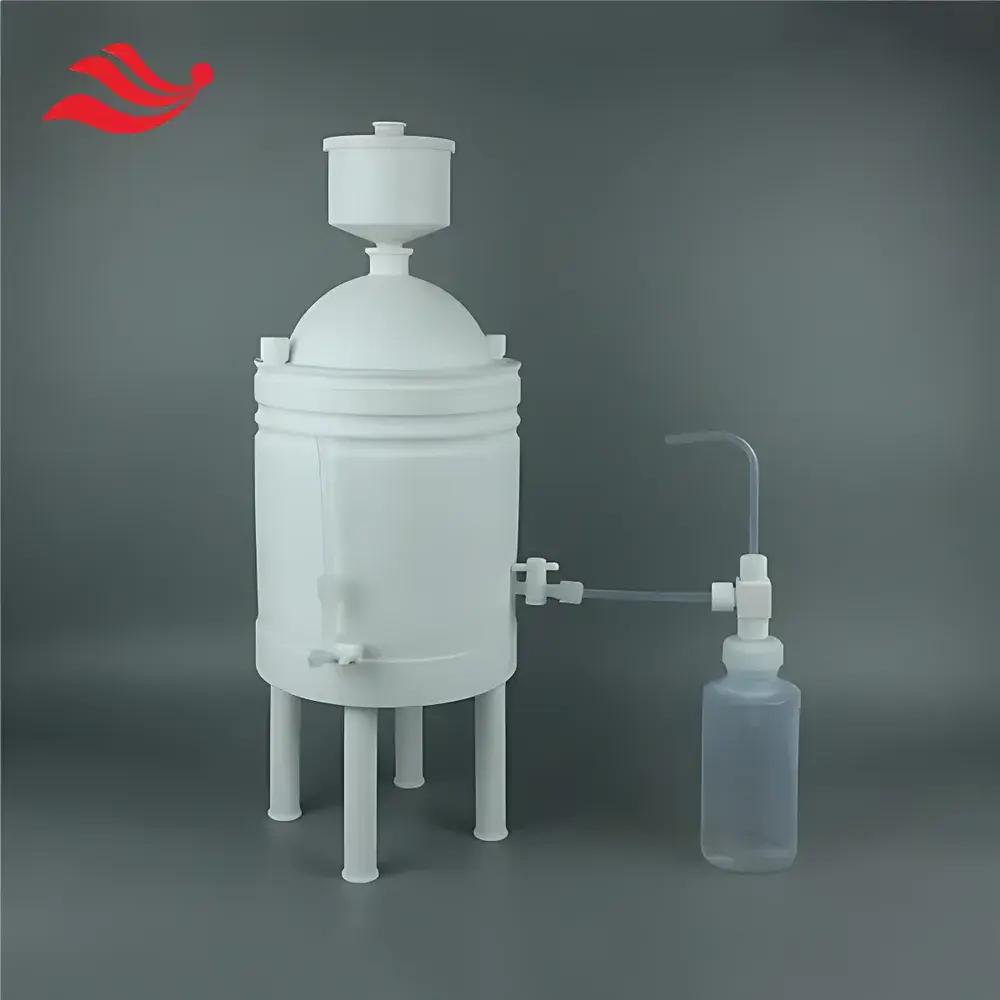
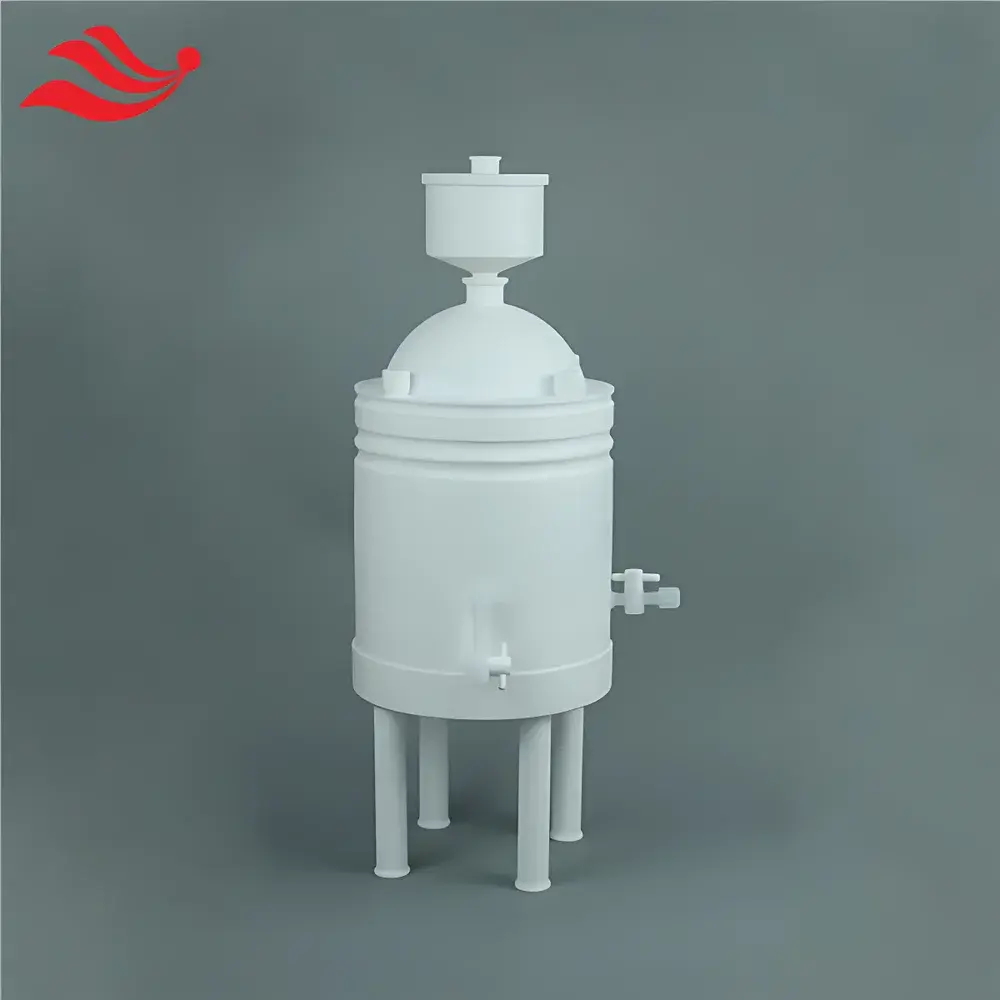
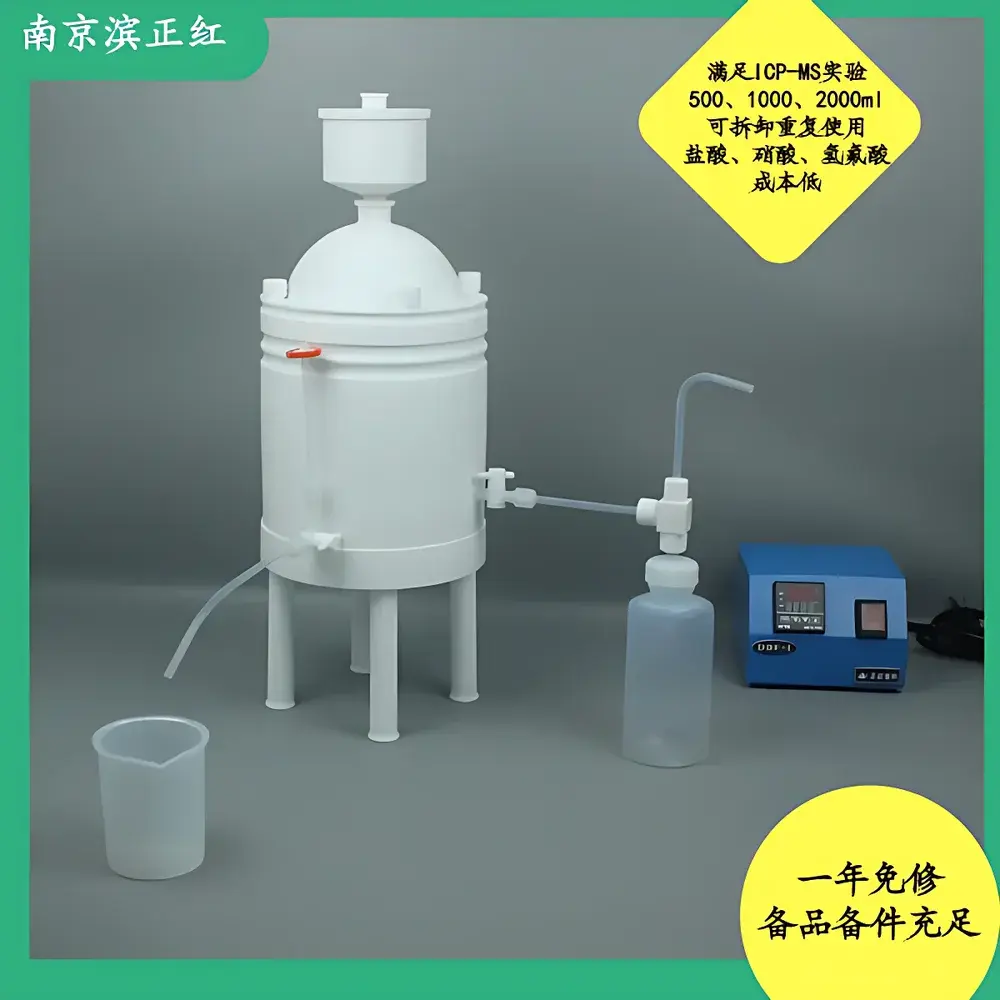
Binzhenghong NJ-CH-2 1000 mL Sub-Boiling Acid Purification System
| Brand | Binzhenghong |
|---|---|
| Origin | Jiangsu, China |
| Manufacturer Type | OEM Manufacturer |
| Instrument Type | Sub-boiling Distillation Apparatus |
| Model | NJ-CH-2 |
| Capacity | 1000 mL |
| Material of Construction | PTFE (Teflon®-lined or fully PTFE chamber) |
| Compliance | Designed for trace-metal-free acid purification per ASTM D511, ISO 17294-2, and USP <643> guidelines |
Overview
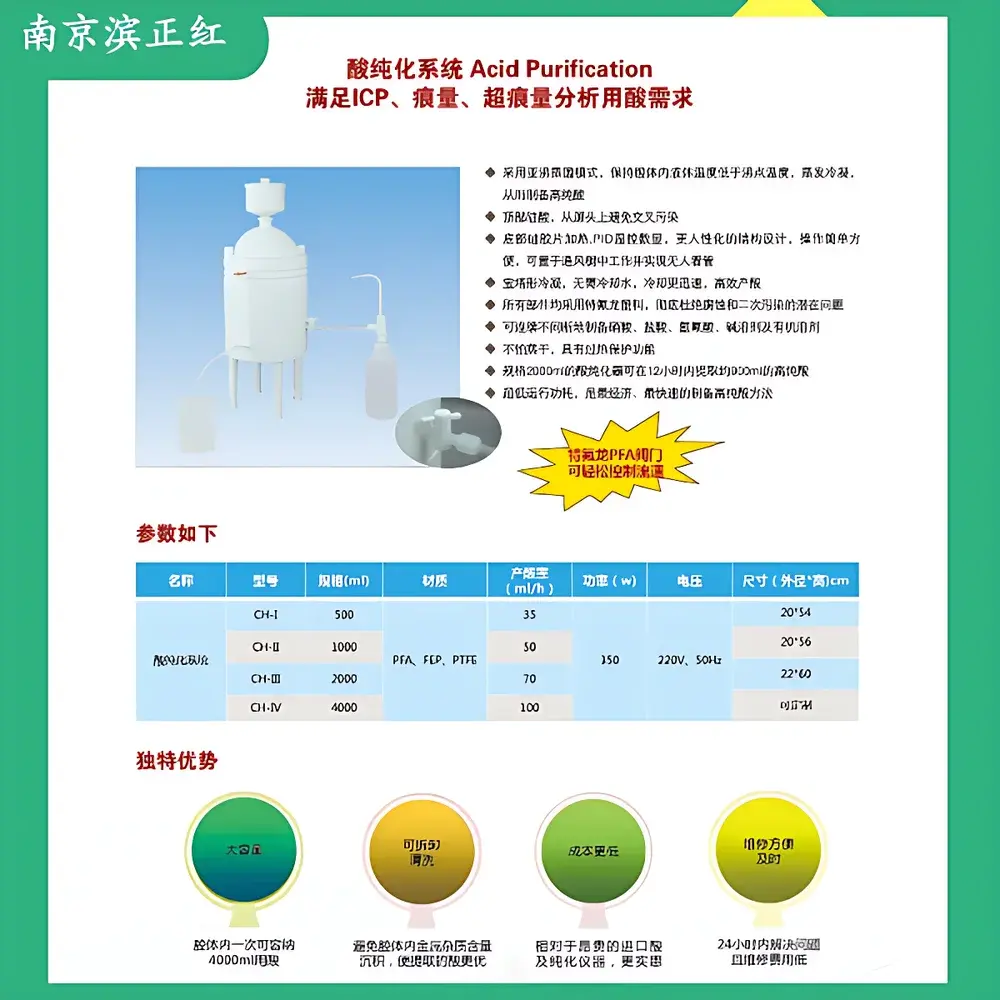
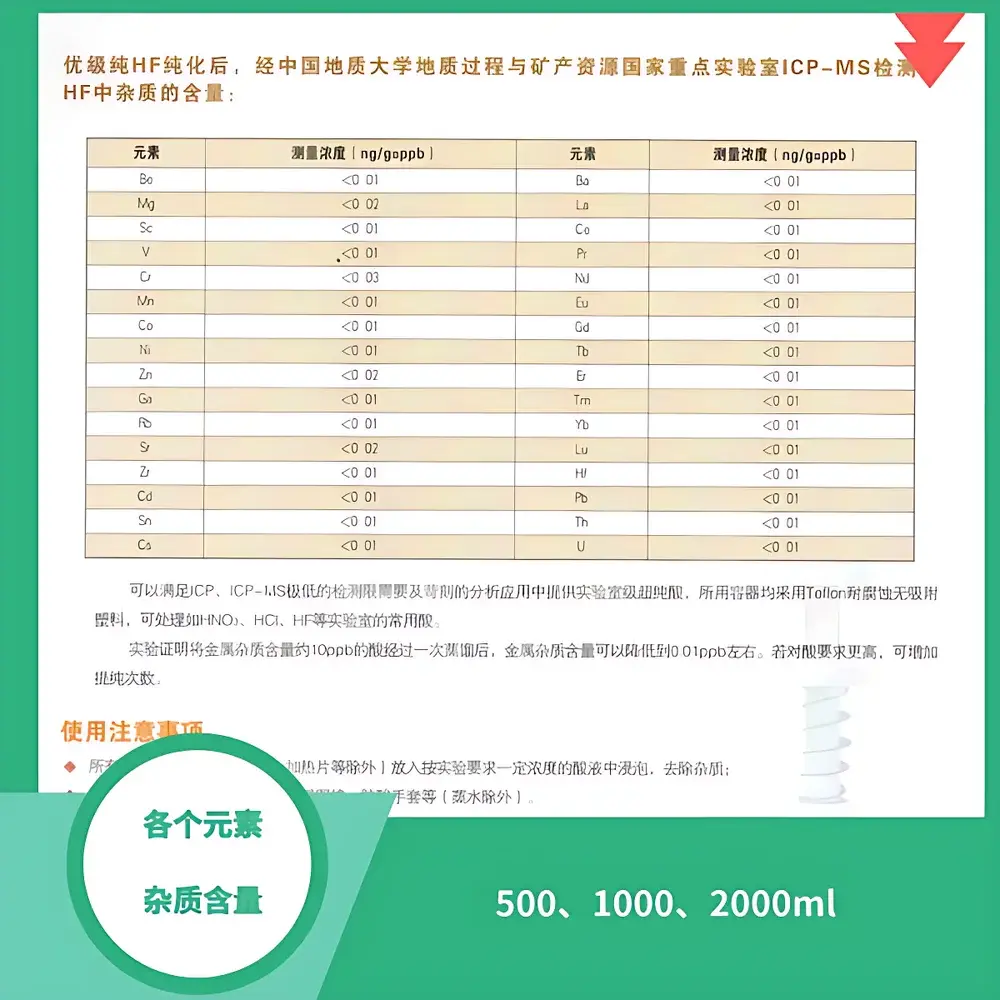
The Binzhenghong NJ-CH-2 is a laboratory-grade sub-boiling acid purification system engineered for the production of ultra-trace metal–free mineral acids—including nitric acid (HNO₃), hydrochloric acid (HCl), hydrofluoric acid (HF), and alkaline solutions—through controlled thermal distillation below the boiling point. Unlike conventional reflux or atmospheric distillation, this system operates on the principle of radiant heating to maintain liquid-phase temperatures just below the saturation point, enabling selective vaporization of the acid while retaining non-volatile metallic impurities (e.g., Fe, Al, Cr, Ni, Pb, Cu) in the residue. The resulting condensate is collected in inert PTFE (polytetrafluoroethylene) vessels, minimizing adsorption, leaching, and recontamination. This process delivers purified acids with total dissolved metal content typically reduced from ~10 ppb in commercial “ultrapure” grades to ≤0.01 ppb after a single pass—meeting stringent requirements for ICP-OES, ICP-MS, HR-ICP-MS, and EPA Method 200.8/6020B applications where blank interference must be minimized.
Key Features
- Sub-boiling distillation architecture with precise radiant heating control—no direct contact between heating element and acid reservoir, eliminating hot-spot formation and thermal degradation.
- Full PTFE wetted path: chamber, condenser, collection funnel, and drip tube constructed from high-purity, low-extractable fluoropolymer materials compliant with ASTM F2257 and ISO 10993-5 biocompatibility standards.
- Modular, tool-free disassembly design allows full access to internal surfaces for cleaning, verification, and routine maintenance—critical for long-term reproducibility and contamination control.
- Temperature optimization presets calibrated for common acid systems: HCl at 110 °C; HNO₃/HF mixtures at 175–180 °C—validated via thermocouple mapping across active zones per ISO/IEC 17025 calibration protocols.
- No external cooling water required: integrated air-cooled condenser ensures stable condensation efficiency without dependency on lab utility infrastructure.
Sample Compatibility & Compliance
The NJ-CH-2 supports purification of aqueous mineral acids (HNO₃, HCl, HF, H₂SO₄, H₃PO₄), ammonium hydroxide (NH₄OH), and select polar organic solvents (e.g., methanol, acetonitrile) compatible with PTFE. It is not suitable for non-polar solvents or highly oxidizing mixtures beyond manufacturer-specified limits. All components meet RoHS Directive 2011/65/EU and REACH Annex XIV restrictions. The system is routinely deployed in GLP- and GMP-regulated environments where documentation of acid purity history is required; it supports audit-ready operation when paired with laboratory information management systems (LIMS) logging batch numbers, distillation cycles, and operator IDs.
Software & Data Management
While the NJ-CH-2 operates as a standalone analog-controlled unit (no embedded microprocessor or touchscreen), its operational parameters are fully documentable within digital lab notebooks or LIMS platforms. Temperature setpoints, runtime duration, feed volume, and collection volume are manually recorded per SOP. For regulated laboratories, the system is compatible with 21 CFR Part 11–compliant electronic signatures when used with validated data capture workflows—including timestamped log entries, user authentication, and immutable audit trails generated through third-party ELN software (e.g., LabArchives, Benchling, or Veeva Vault RIM).
Applications
This purification system serves critical roles in environmental testing labs analyzing soil leachates (EPA 3050B/3051A), semiconductor wafer cleaning validation (SEMI F57), nuclear fuel cycle analysis (ASTM C1287), clinical trace-element diagnostics (CLIA-certified ICP-MS workflows), and geochemical standard preparation (NIST SRM traceability). It enables cost-effective generation of matrix-matched calibration standards, method blanks, and reagent blanks—directly contributing to improved detection limits, lower measurement uncertainty (k=2), and enhanced confidence in compliance reporting under ISO/IEC 17025 accreditation.
FAQ
What acids can be purified using the NJ-CH-2 system?
HNO₃, HCl, HF, H₂SO₄, H₃PO₄, NH₄OH, and selected polar organics such as methanol and acetonitrile—provided they exhibit sufficient volatility and chemical compatibility with PTFE.
Is the system suitable for HF handling?
Yes—when operated within specified temperature ranges (≤180 °C) and with strict adherence to PPE and fume hood protocols per OSHA 1910.1200 and ANSI Z9.5 standards.
How many distillation cycles are recommended for sub-part-per-quadrillion (ppq) metal analysis?
A single cycle achieves ≤0.01 ppb for most transition metals; two sequential passes may be employed for ultra-low-background applications such as isotopic ratio measurements in geochronology labs.
Does the NJ-CH-2 require annual recalibration?
No built-in sensors require calibration; however, users should verify heater output and condenser performance annually using NIST-traceable reference thermometers and certified acid standards per ISO/IEC 17025 clause 6.5.
Can the unit be integrated into automated sample preparation lines?
Not natively—but its output ports and modular design allow mechanical coupling to robotic liquid handlers or fraction collectors via custom PTFE tubing interfaces, subject to engineering validation.



