
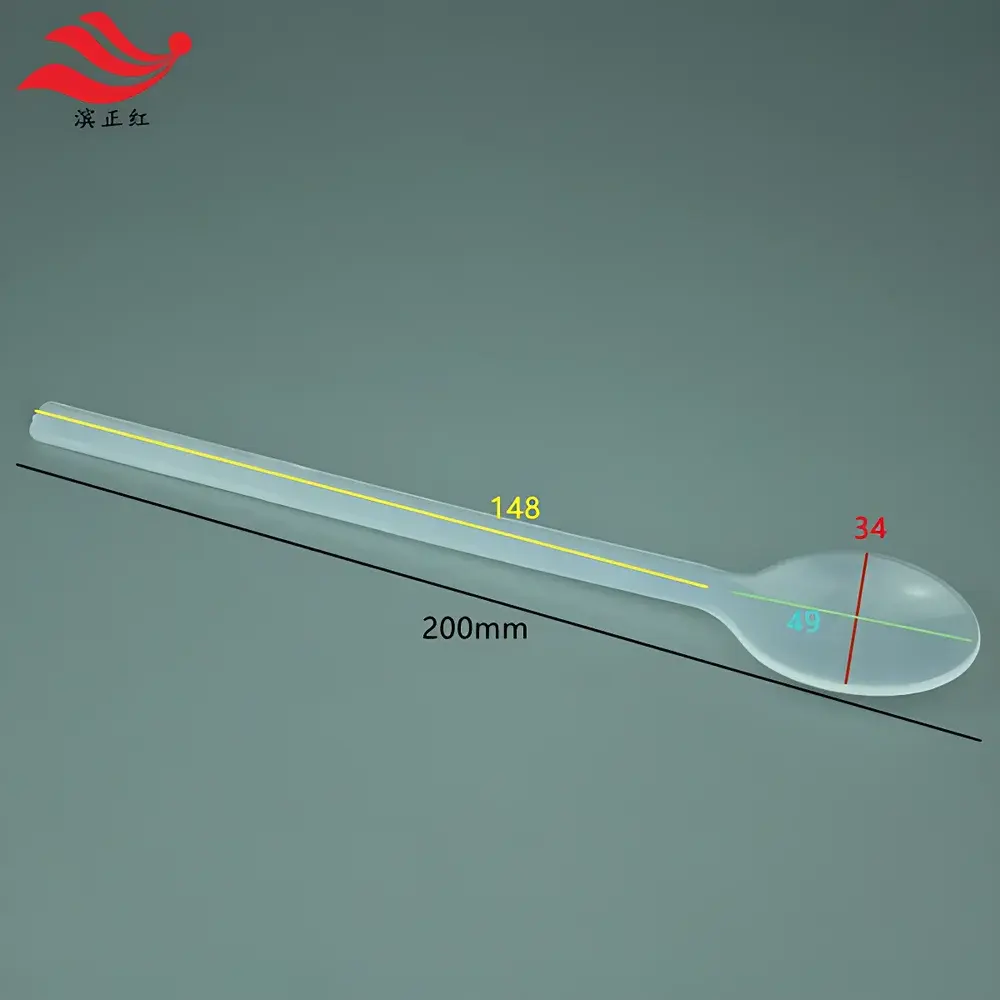
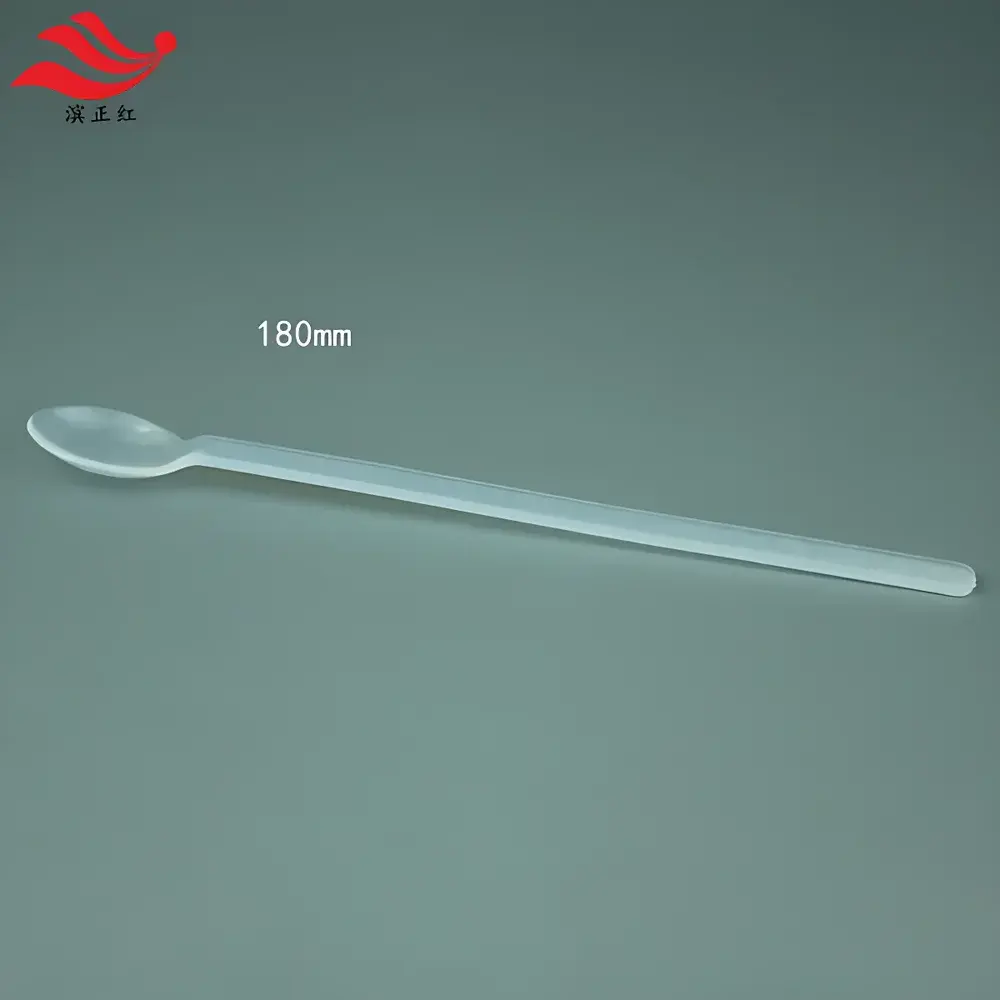
PFA Lab Spatula – Transparent Polytetrafluoroethylene (PTFE) Scoop
| Brand | Binzhenghong |
|---|---|
| Origin | Jiangsu, China |
| Manufacturer Type | Direct Producer |
| Origin Classification | Domestic |
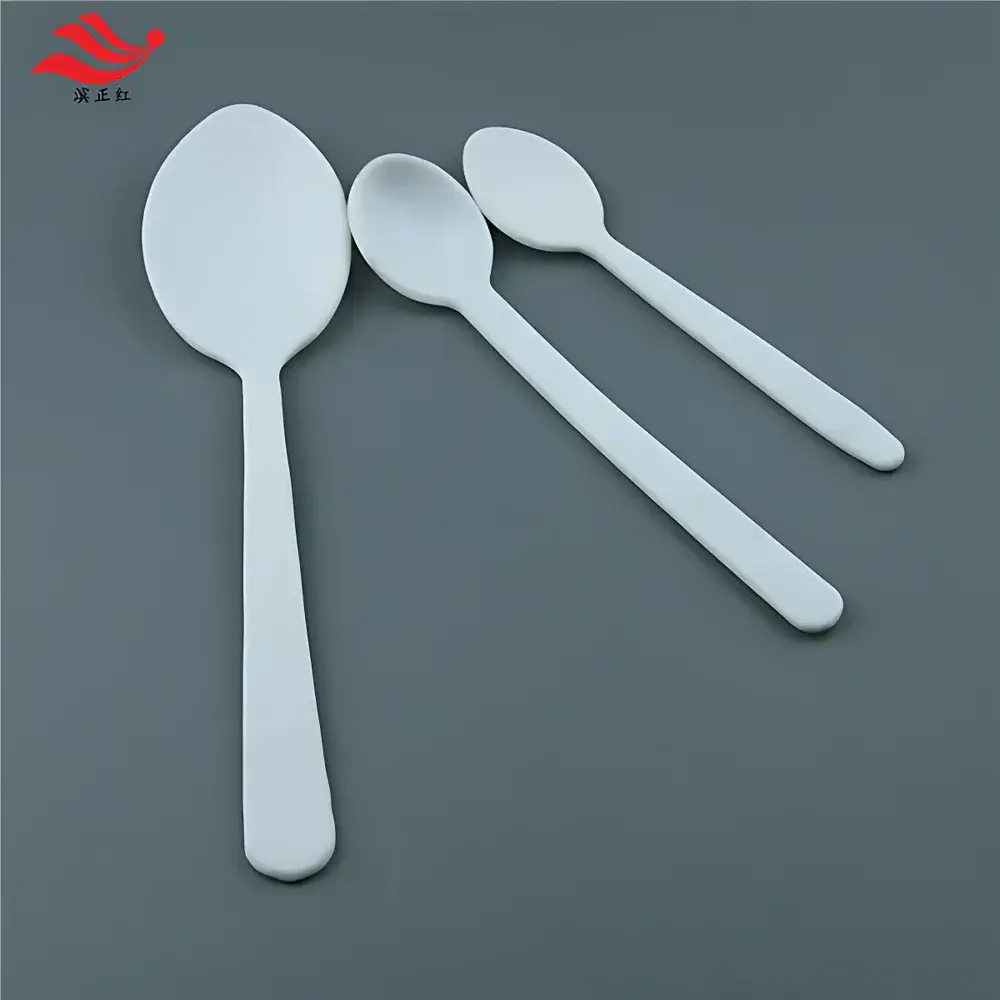
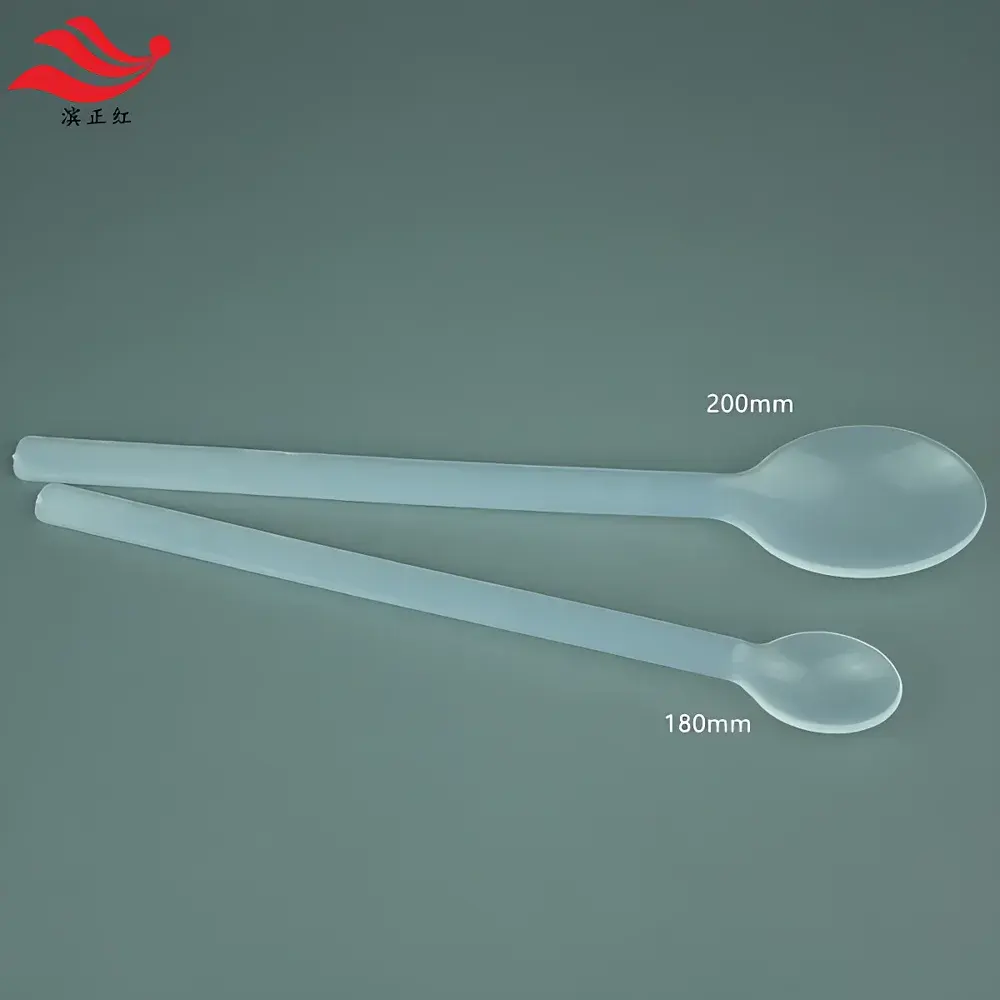
| Model | Multiple Standard Sizes (e.g., 21.6 mm, 27.8 mm, 147 mm, 180 mm) |
| Pricing | Upon Request |
Overview
The PFA Lab Spatula is a high-purity, chemically inert laboratory tool engineered for precise handling and transfer of sensitive solid reagents, standards, and reference materials in analytical, pharmaceutical, and semiconductor-grade cleanroom environments. Constructed entirely from perfluoroalkoxy alkane (PFA)—a fully fluorinated thermoplastic copolymer of tetrafluoroethylene (TFE) and perfluoropropyl vinyl ether (PPVE)—this transparent spatula delivers superior resistance to aggressive acids (including aqua regia and hydrofluoric acid), strong bases, oxidizers, and organic solvents across a wide temperature range (–200 °C to +260 °C). Unlike standard PTFE or polypropylene spatulas, PFA offers enhanced melt-processability while retaining near-identical chemical stability and ultra-low extractables—critical for trace-metal analysis (ICP-MS, ICP-OES), USP / elemental impurities testing, and high-purity solvent preparation.
Key Features
- Full-PFA Construction: Seamless, molded monolithic design with no adhesives, coatings, or metal reinforcements—eliminating risk of leaching or particulate shedding.
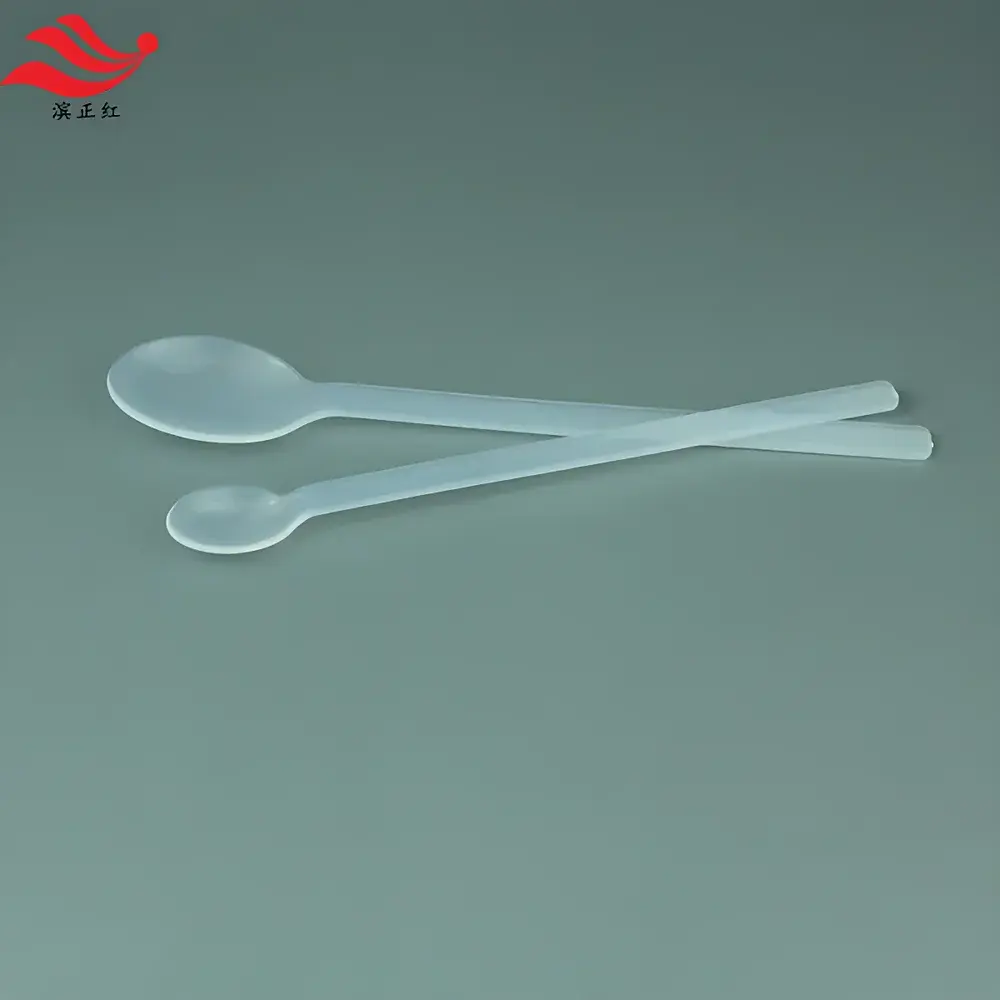
- Optical Transparency: High-clarity PFA enables visual confirmation of sample residue, cross-contamination, or incomplete cleaning during QC inspection.
- Thermal & Mechanical Stability: Maintains dimensional integrity under repeated autoclaving (121 °C, 20 min, 15 psi) and thermal cycling; exhibits low coefficient of thermal expansion (1.1 × 10⁻⁴ /°C) and high flexural modulus (~700 MPa).
- Electrostatic Dissipation: Surface resistivity of 10¹²–10¹³ Ω/sq supports safe handling of electrostatic-sensitive powders (e.g., APIs, catalysts) without grounding accessories.
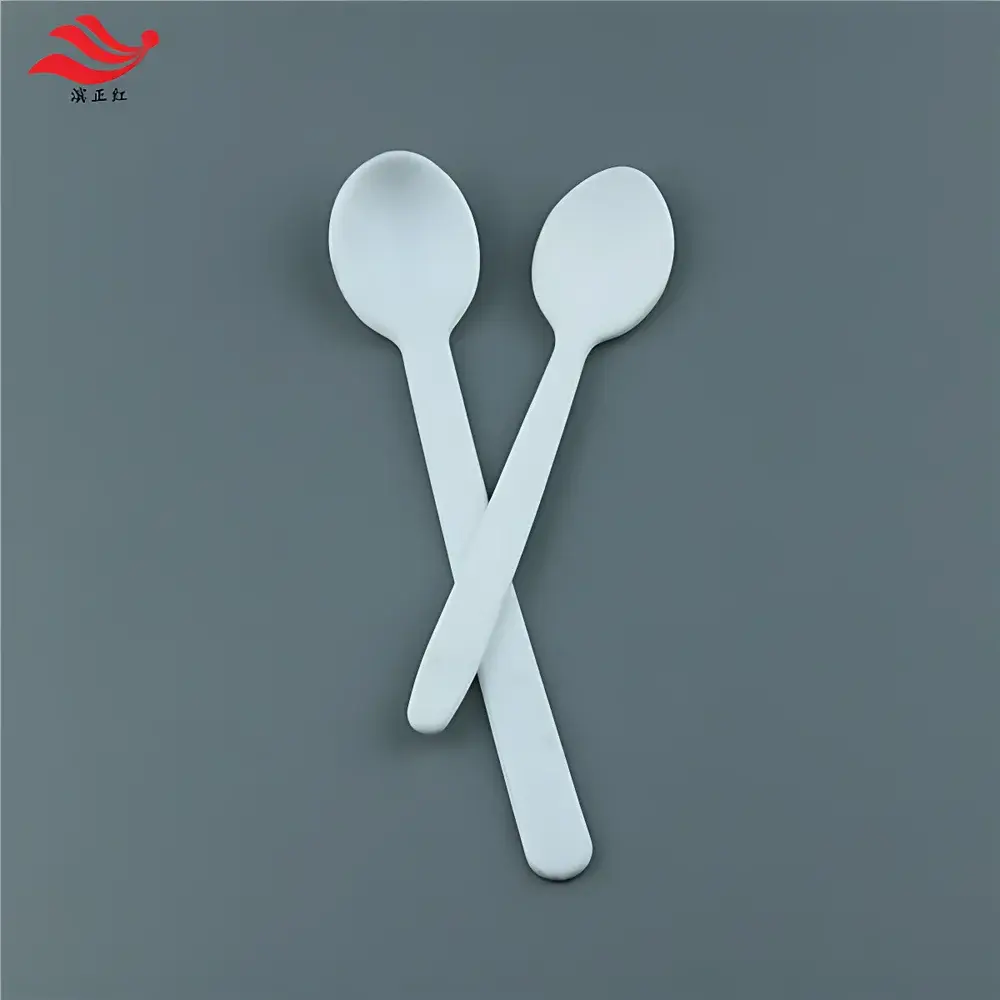
- Ergonomic Geometry: Precision-tapered blade profiles (21.6 mm and 27.8 mm widths) paired with extended handle lengths (147 mm and 180 mm) ensure controlled torque application and reduced hand fatigue during repetitive dosing.
Sample Compatibility & Compliance
This spatula is validated for use with Class 1–3 pharmaceutical actives, nanomaterials, hygroscopic salts (e.g., LiPF₆), and high-purity calibration standards (NIST-traceable). It complies with ISO 15223-1:2021 (labeling of medical devices), meets USP requirements for plastic components in drug contact applications, and conforms to ASTM D4894–22 (Standard Specification for PTFE Resins) for resin composition and purity. Batch-specific Certificate of Analysis (CoA) includes FTIR verification, heavy metal screening (<1 ppb Pb, As, Cd, Hg), and non-volatile residue (NVR) testing per USP . Suitable for GLP/GMP environments requiring documented traceability and audit-ready material declarations.
Software & Data Management
As a passive lab consumable, the PFA Lab Spatula does not incorporate embedded electronics or firmware. However, it integrates seamlessly into digital lab workflows via LIMS and ELN systems: each batch is assigned a unique QR-coded label enabling direct linkage to CoA metadata, sterilization logs, and usage history. Binzhenghong provides structured CSV/Excel export templates compatible with major platforms (e.g., LabWare LIMS, Benchling ELN) to support 21 CFR Part 11-compliant electronic records—including user authentication, audit trail generation, and version-controlled documentation of material disposition.
Applications
- Weighing and transferring high-value reference standards in metrology labs (e.g., NIST SRMs, ERM certified materials)
- Handling moisture- or oxygen-sensitive compounds under glovebox or Schlenk line conditions
- Preparing ultrapure electrolyte blends for battery R&D (Li-ion, solid-state)
- Dispensing catalyst precursors in homogeneous catalysis synthesis
- Sampling powdered excipients during pharmaceutical blend uniformity studies
- Transferring etchants and dopants in semiconductor front-end fabrication (FAB) cleanrooms
FAQ
Is this spatula suitable for use in Class 100 (ISO 5) cleanrooms?
Yes—manufactured in ISO 14644-1 Class 5 cleanroom facilities with particle shedding tested per ISO 14644-1 Annex B; certified ≤10 particles ≥0.5 µm per cubic foot during dynamic operation.
Can it withstand repeated exposure to 48% hydrofluoric acid at room temperature?
Yes—PFA exhibits no measurable weight loss or surface degradation after 72-hour immersion in 48% HF, per ASTM D543-20 test protocol.
Does Binzhenghong offer custom geometries or laser-etched identification?
Yes—custom blade angles, handle knurling, and permanent laser marking (with UID compliance per MIL-STD-130) are available under OEM agreements with minimum order quantities.
What is the maximum recommended autoclave cycle count before replacement?
Based on accelerated aging studies, performance remains within specification for ≥50 cycles of saturated steam sterilization (121 °C, 20 min); users are advised to inspect for microcracking or cloudiness prior to each use.



