
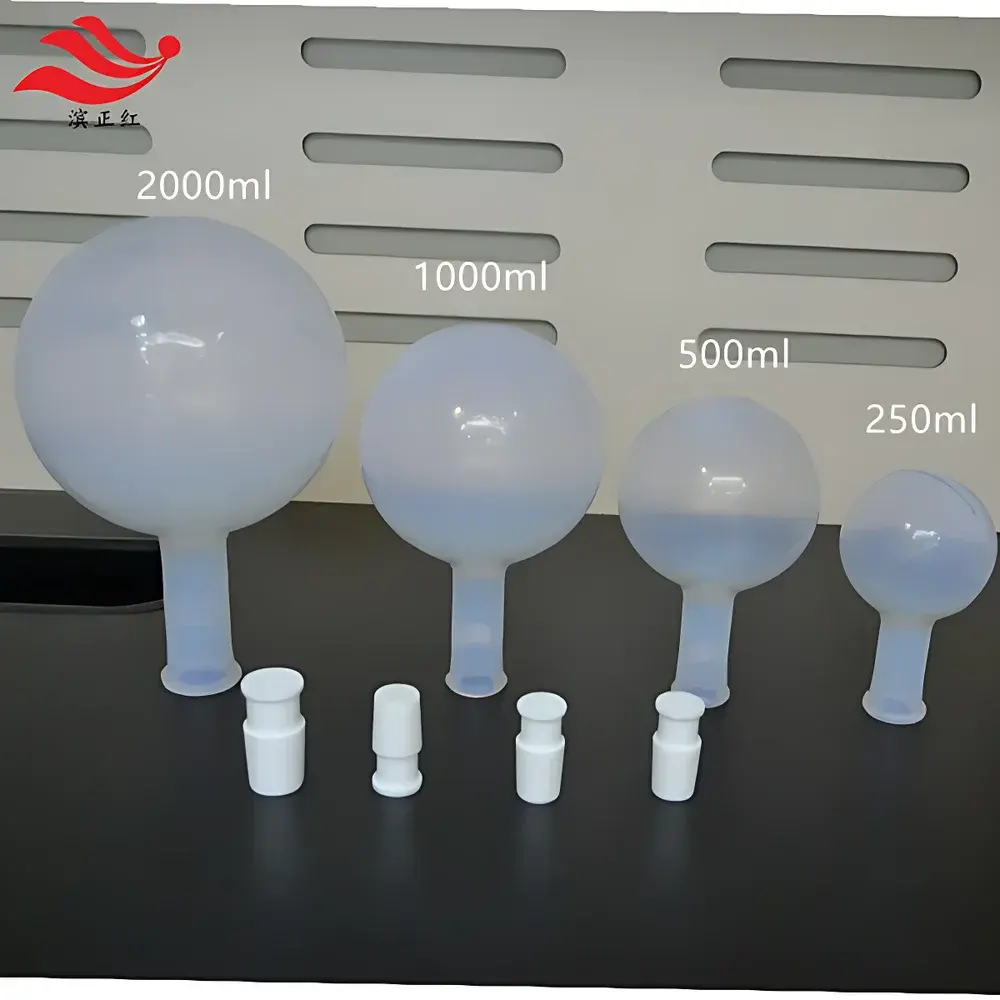
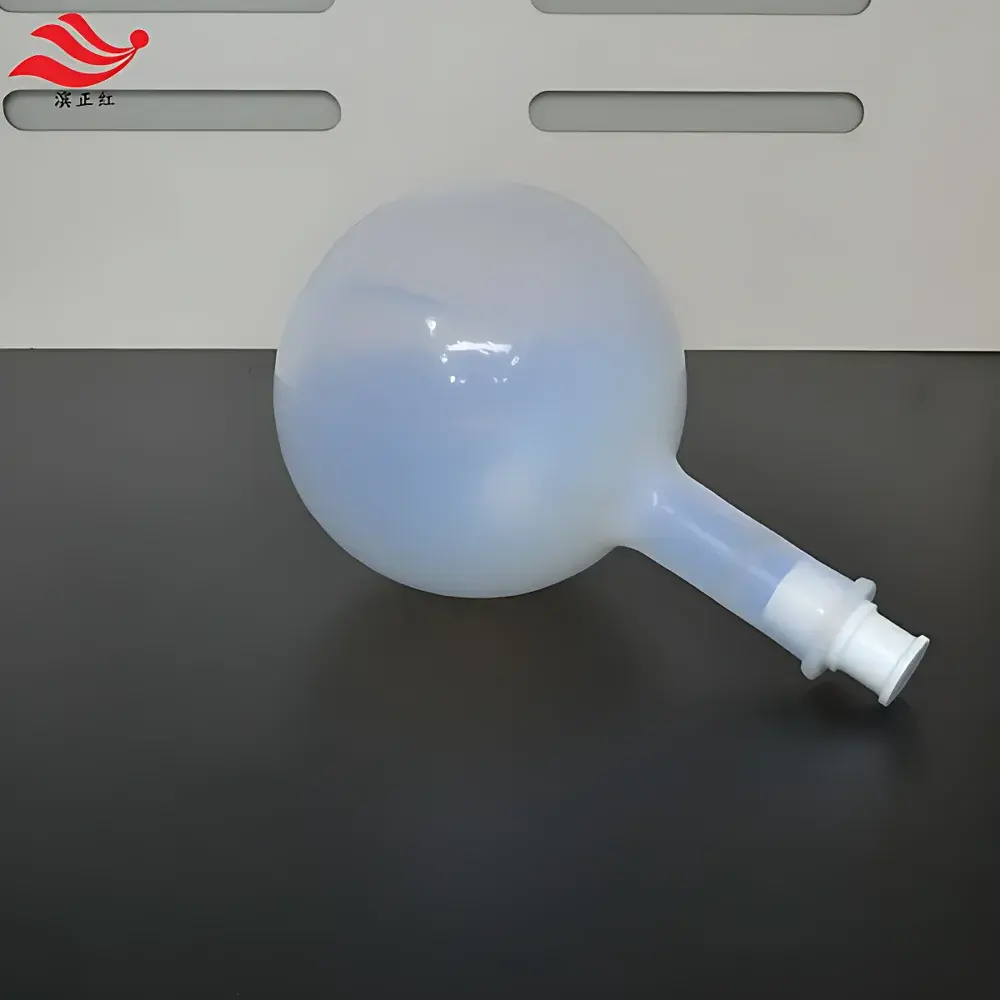
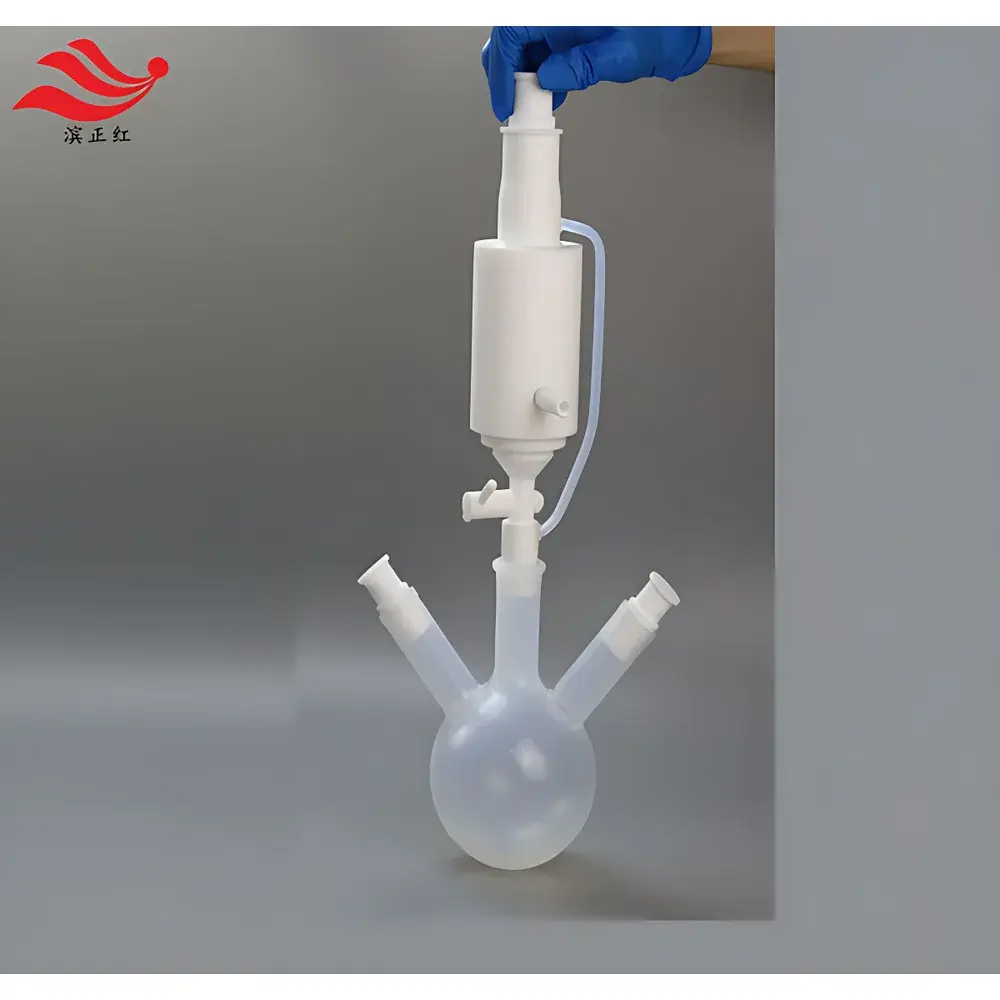
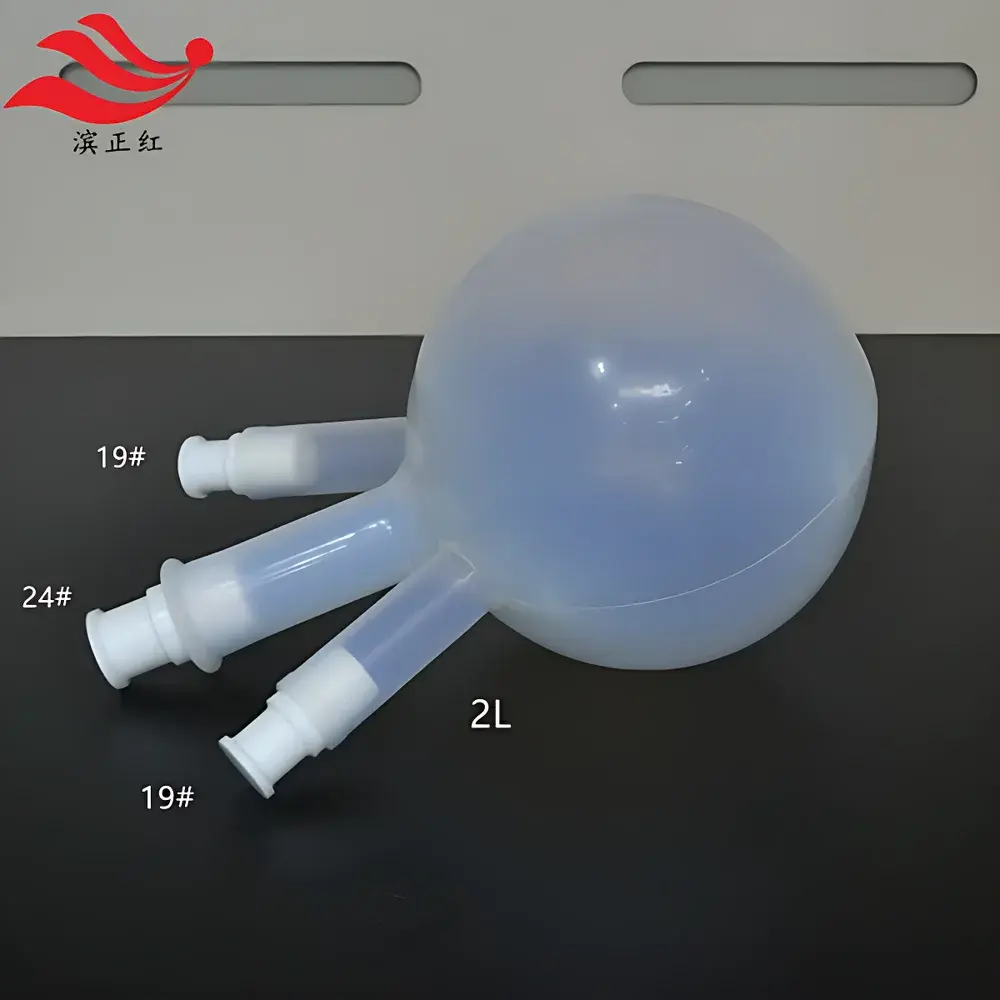
PFA Round-Bottom Flask – 1000 mL Single-Neck Distillation Flask (Binzhenghong Model Series, 250–2000 mL Capacity)
| Brand | Binzhenghong |
|---|---|
| Origin | Jiangsu, China |
| Manufacturer Type | Direct Producer |
| Product Origin | Domestic (China) |
| Available Volumes | 250 mL, 500 mL, 1000 mL, 2000 mL |
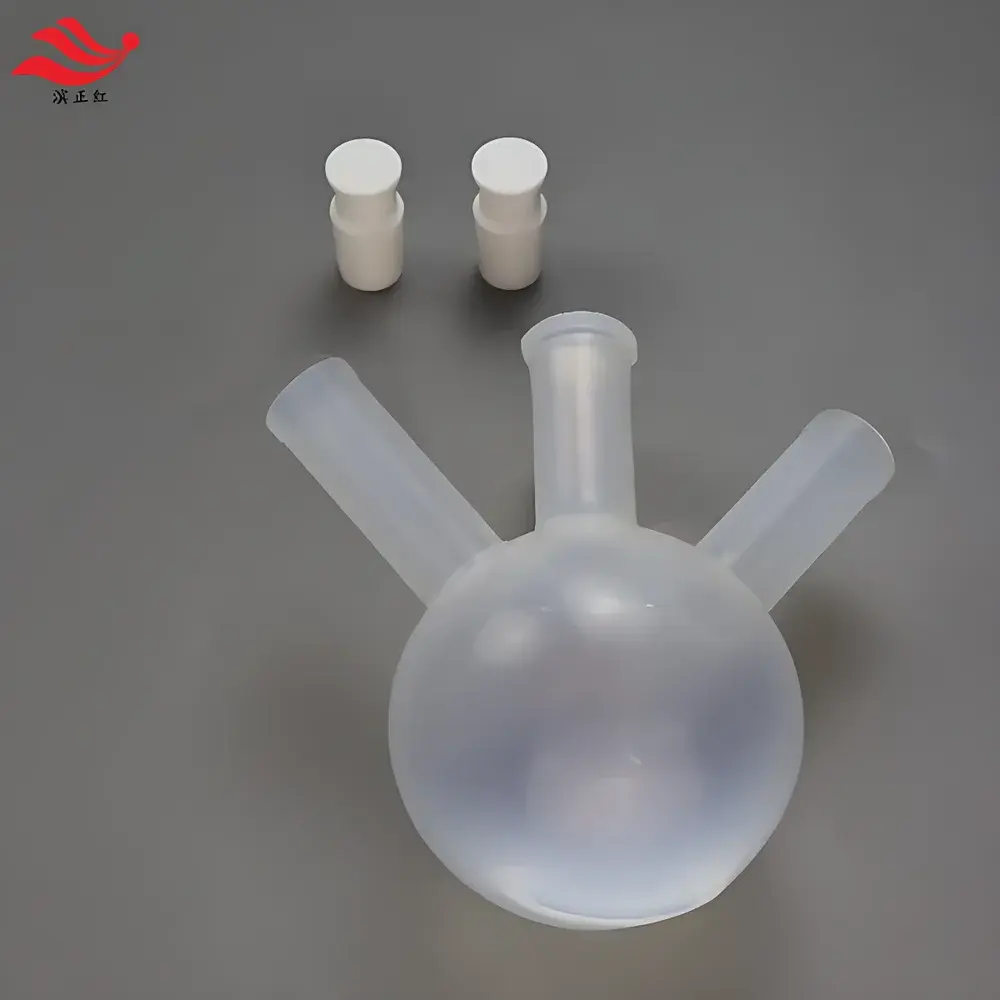
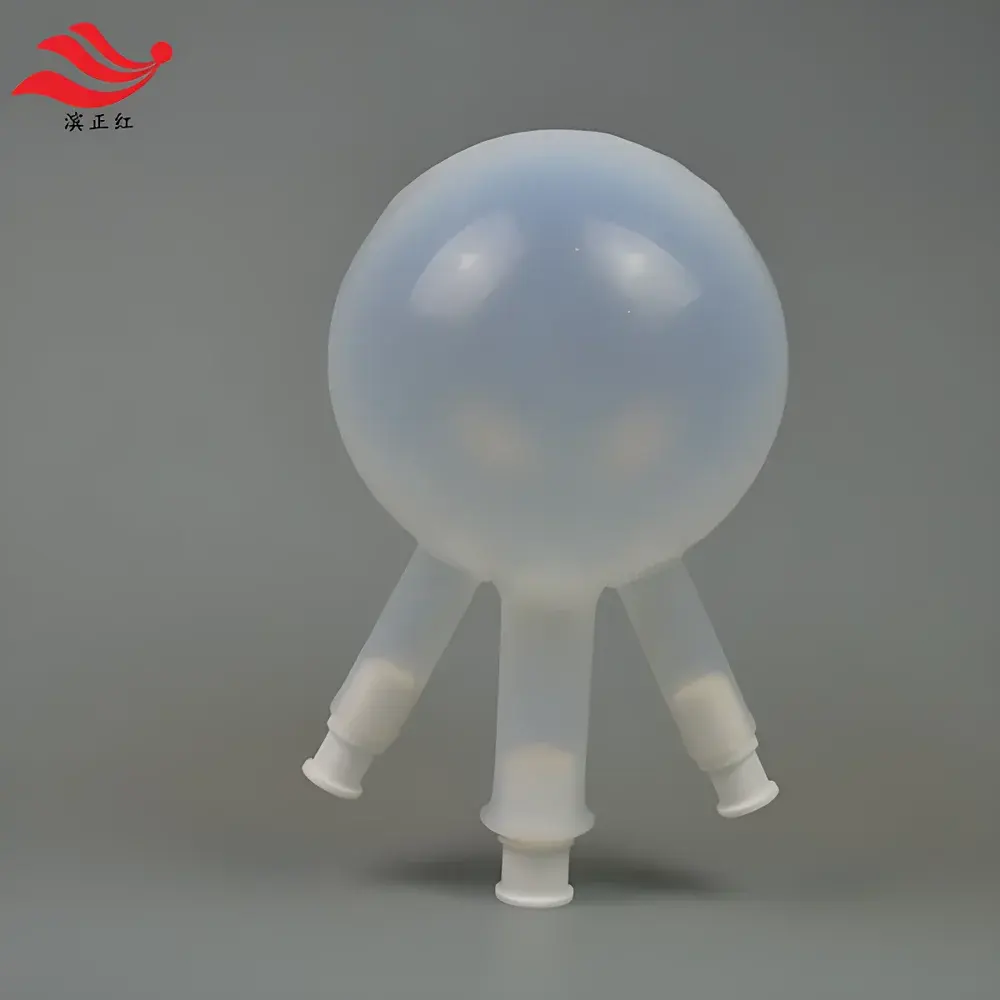
| Configuration Options | Single-neck, Two-neck, Three-neck, Standard-taper joints (24/29, 29/32, etc.) |
| Material | Perfluoroalkoxy alkane (PFA), ASTM D3307-compliant |
| Maximum Operating Temperature | ≤260 °C continuous, ≤300 °C short-term |
| Chemical Resistance | Fully resistant to HF, aqua regia, concentrated HNO₃/H₂SO₄, and aggressive solvents per ASTM D543 |
| Autoclavable | Yes (full-cycle steam sterilization at 121 °C, 15 psi, 20 min) |
Overview
The Binzhenghong PFA Round-Bottom Flask series is a high-purity, chemically inert laboratory vessel engineered for demanding reaction, distillation, reflux, and fractional distillation applications where glass compatibility is insufficient. Constructed from virgin perfluoroalkoxy alkane (PFA) resin—certified to ASTM D3307 specifications—the flask exhibits near-identical thermal and mechanical behavior to fused silica while offering superior resistance to hydrofluoric acid, molten alkali metals, and highly oxidizing media. Unlike borosilicate glass or even high-purity quartz, PFA maintains structural integrity under prolonged exposure to aggressive etchants and elevated temperatures up to 260 °C continuously. Its low extractables profile (<0.1 ppb metal leachates per USP testing) makes it suitable for trace-metal analysis workflows, semiconductor process chemistry, and pharmaceutical synthesis requiring Class 100 cleanroom-compatible hardware.
Key Features
- Ultra-high chemical inertness: Resists all common acids (including HF and aqua regia), strong bases, halogens, and organic solvents across full temperature range (–200 °C to +260 °C).
- Precision-molded geometry: Spherical bottom with concentric wall thickness distribution ensures uniform heat transfer and minimizes thermal stress during heating/cooling cycles.
- Standardized conical joints: Available with 24/29, 29/32, and 34/45 ground-glass compatible PFA taper joints; each joint features ±0.02 mm dimensional tolerance and vacuum-tight sealing performance verified per ISO 3585.
- Multi-neck configurability: Single-, two-, three-, and four-neck variants support simultaneous addition, condensation, temperature monitoring, and inert gas purging without adapter compromises.
- Autoclave- and oven-safe: Withstands repeated cycles of steam sterilization (121 °C, 15 psi, 20 min) and dry-heat baking (250 °C, 2 h) without deformation or fluoropolymer degradation.
- Optical clarity & UV transparency: Transmits >90% of incident light from 200 nm to 2500 nm—enabling in-situ UV-Vis reaction monitoring through the vessel wall.
Sample Compatibility & Compliance
These flasks are validated for use with corrosive reagents including but not limited to hydrofluoric acid (up to 49%), fuming nitric acid, bromine trifluoride, and anhydrous hydrogen fluoride. They comply with ASTM D543 for chemical resistance classification and meet USP requirements for extractables profiling in pharmaceutical manufacturing environments. The material passes ISO 10993-5 cytotoxicity testing and is acceptable for GMP-compliant API synthesis when used within defined process parameters. All units are manufactured in a controlled cleanroom environment (ISO Class 7), with lot-specific CoA documentation including FTIR verification, heavy metal screening (ICP-MS), and visual inspection against ASME BPE-2022 surface finish standards (Ra ≤ 0.4 µm).
Software & Data Management
While inherently passive hardware, the Binzhenghong PFA flask integrates seamlessly into digitally controlled reactor systems (e.g., ChemSpeed, Huber, or ThalesNano platforms) via standardized mounting interfaces and thermal coupling designs. When paired with third-party temperature controllers, pressure transducers, or inline IR spectrometers, data generated during PFA-contained reactions remains fully traceable under FDA 21 CFR Part 11-compliant electronic lab notebook (ELN) environments. Batch records—including vessel ID, lot number, sterilization log, and usage history—can be linked directly to LIMS databases using optional RFID-enabled base rings (sold separately).
Applications
- High-purity hydrometallurgical leaching (e.g., rare-earth element recovery using HF-based digestion)
- Preparation of calibration standards for ICP-MS and GDMS analysis
- Synthesis of air- and moisture-sensitive organometallic compounds under inert atmosphere
- Fractional distillation of thermally labile fluorinated intermediates
- Accelerated aging studies of battery electrolyte formulations under sealed, corrosion-resistant conditions
- Microfluidic reaction optimization where glass microreactors fail due to HF etching
FAQ
Can this PFA flask be used with magnetic stir bars?
Yes—PFA is non-magnetic and transparent to magnetic fields; however, ensure stir bar coating (e.g., PTFE or ETFE) is also HF-resistant for full system compatibility.
Is the 24/29 joint interchangeable with standard Pyrex 24/29 glass joints?
Mechanically compatible, but thermal expansion mismatch requires careful torque control (≤1.2 N·m) and avoidance of rapid thermal cycling to prevent joint seizure.
Does PFA exhibit creep under long-term vacuum?
No measurable creep observed below 200 °C at ≤10⁻³ mbar for durations exceeding 500 hours per ASTM D2990 tensile creep testing.
How should PFA flasks be cleaned between uses?
Rinse with high-purity water followed by IPA; for HF residues, soak in 5% NaOH solution (25 °C, 15 min), then triple-rinse with 18.2 MΩ·cm water and dry under nitrogen purge.
Are custom neck configurations available?
Yes—Binzhenghong offers OEM design services for non-standard joint geometries, integrated ports, or embedded Pt100 sensor sleeves upon request with minimum order quantity of 20 units.



