
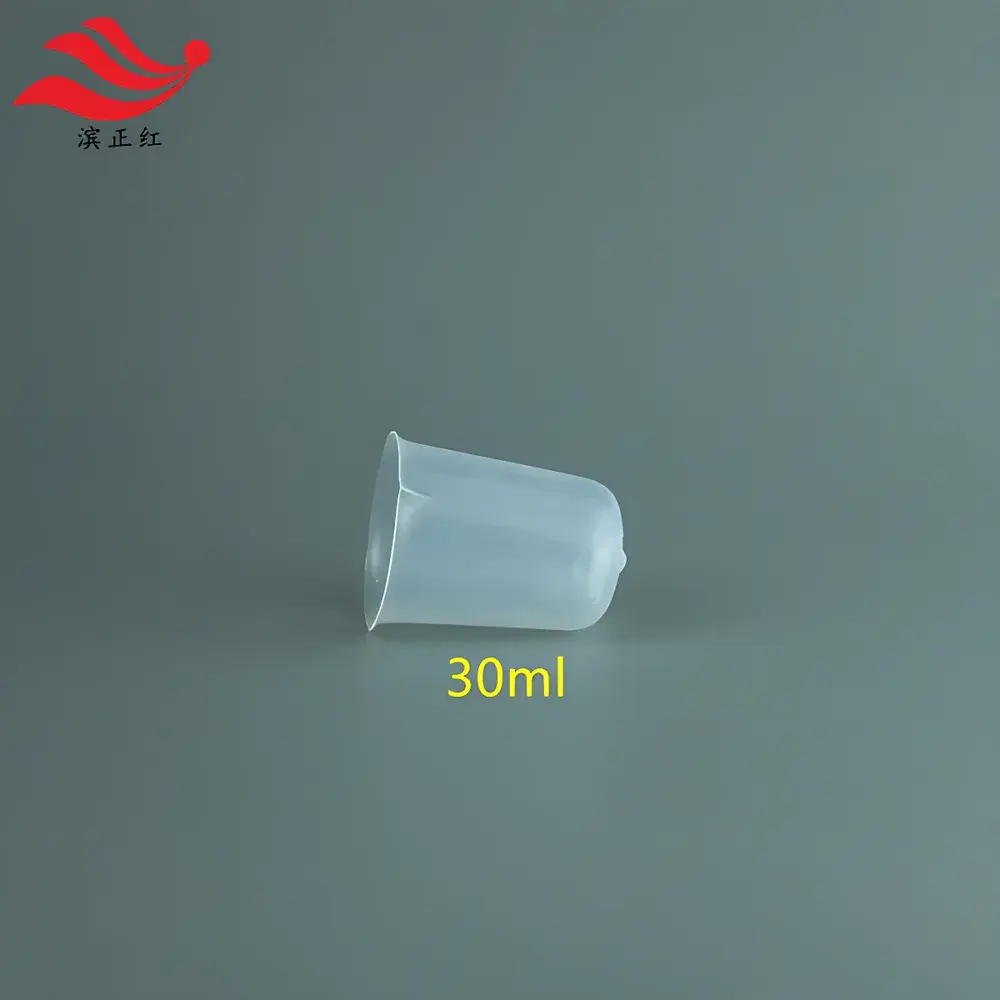
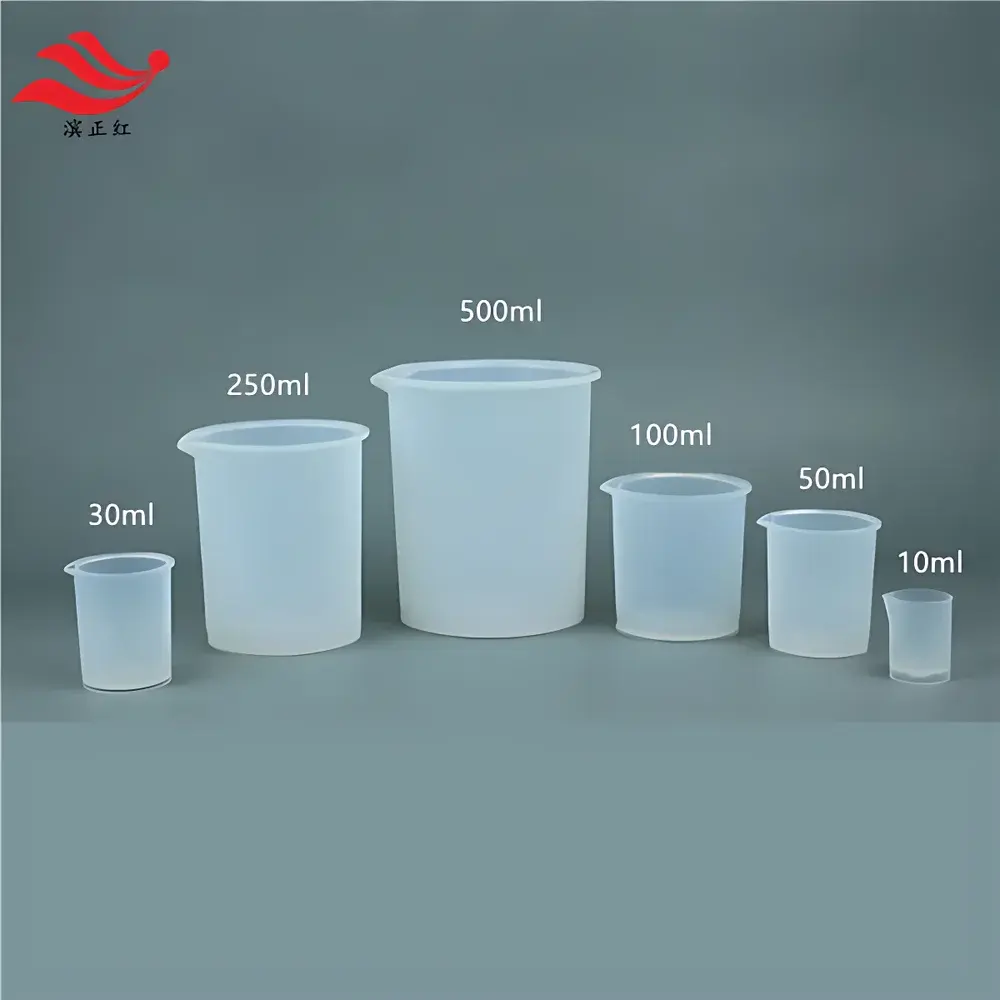
FEP Fluorinated Ethylene Propylene Beaker (Binzhenghong DV-Series)
| Brand | Binzhenghong |
|---|---|
| Material | FEP (Fluorinated Ethylene Propylene) |
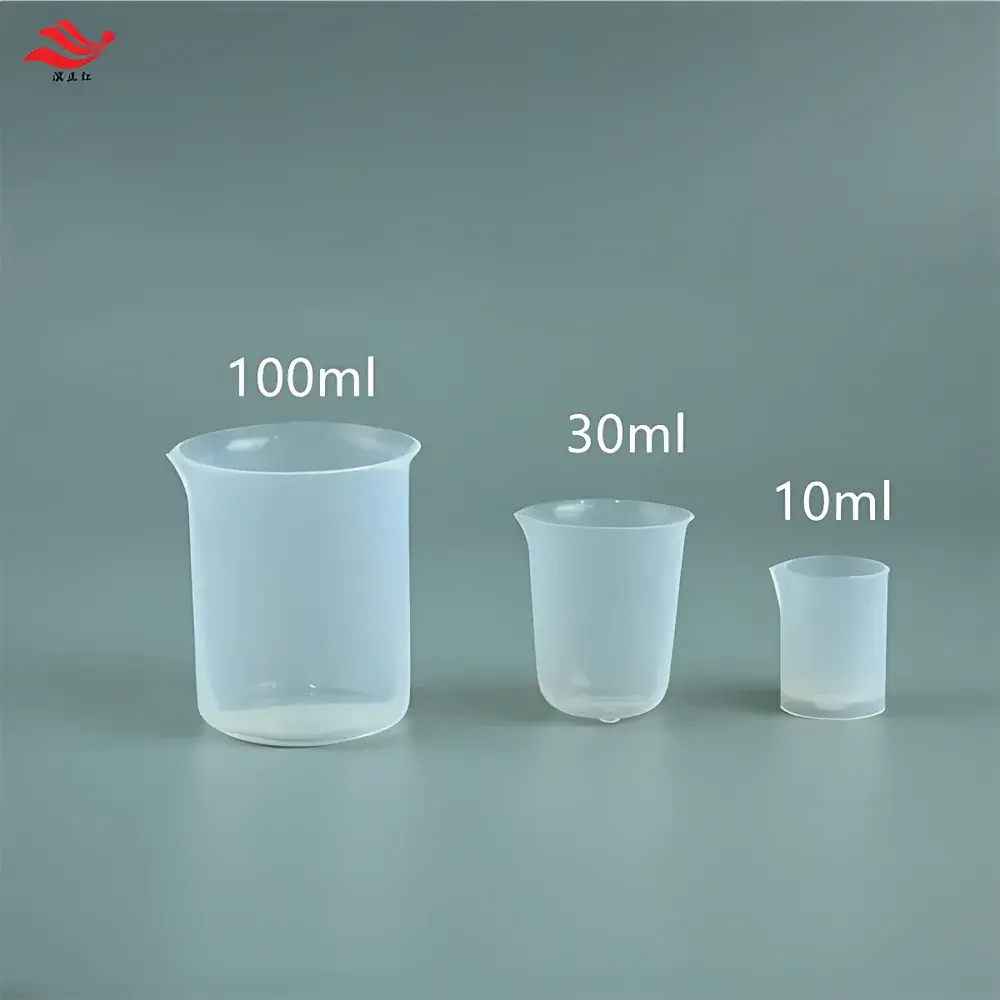
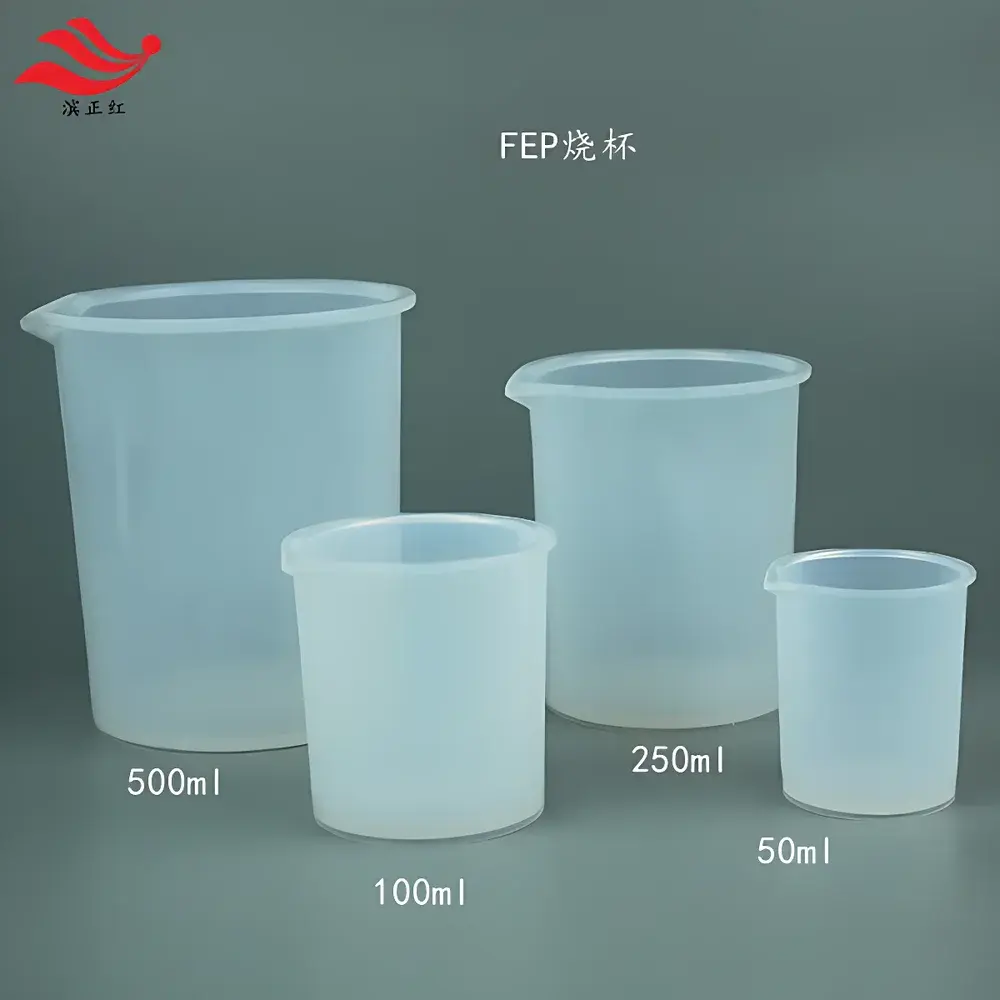
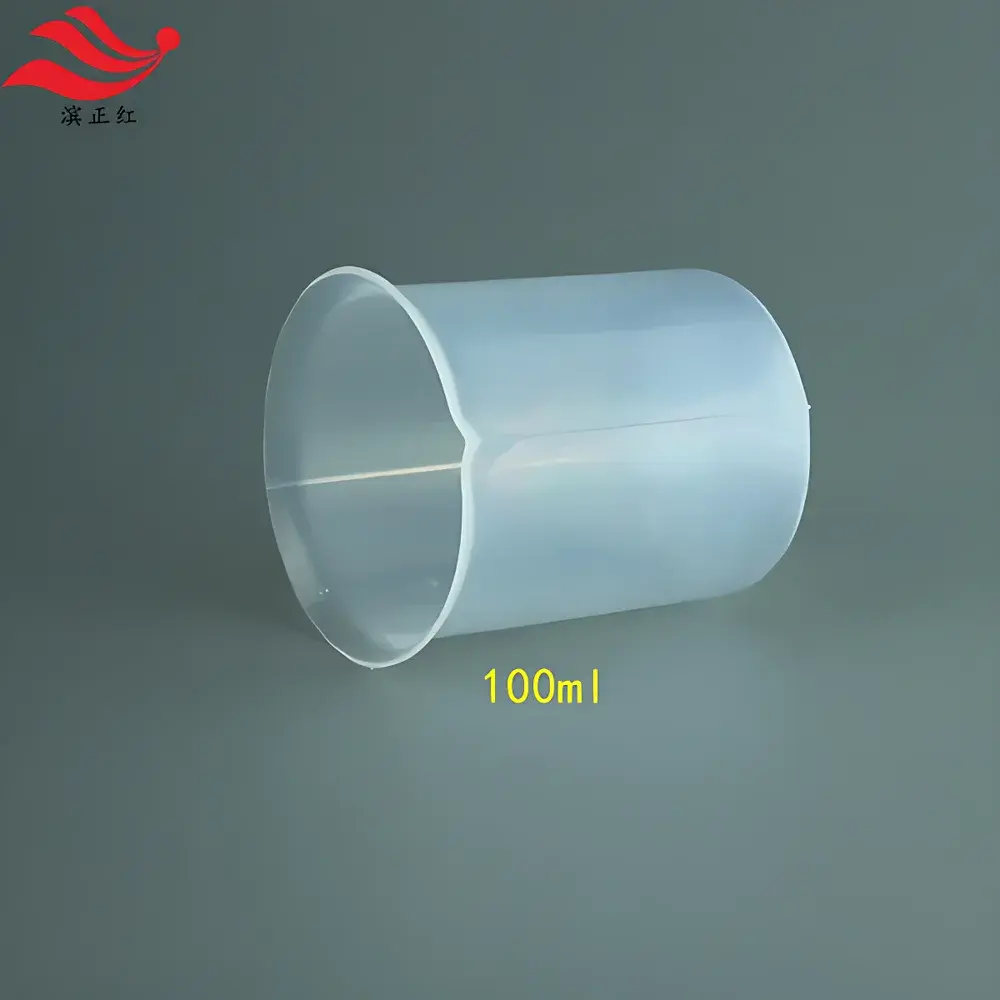
| Volume Options | 10 mL, 30 mL, 100 mL (custom sizes available) |
| Max. Continuous Use Temperature | +205 °C |
| Min. Cryogenic Temperature | −200 °C |
| Chemical Resistance | Resistant to aqua regia, hydrofluoric acid, concentrated acids/bases, and organic solvents |
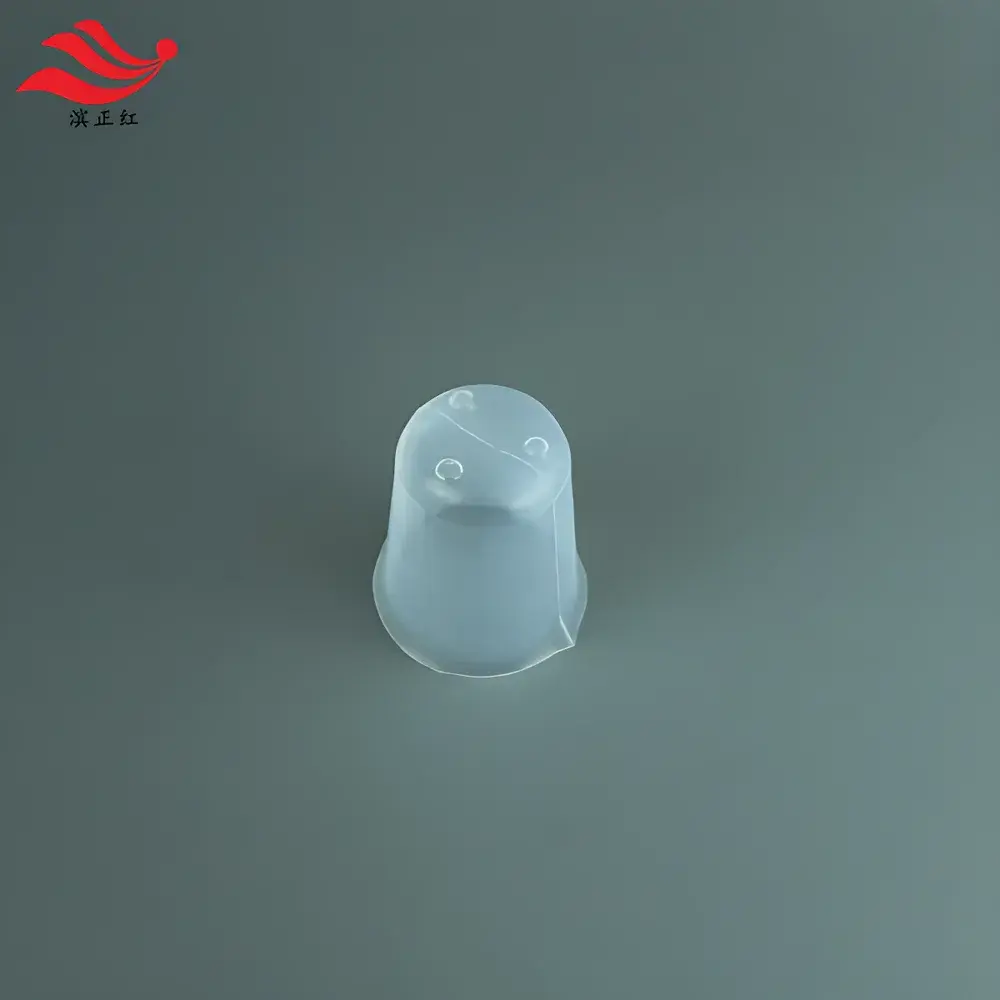
| Bottom Design | 30 mL variant features triple-conical bottom for efficient micro-sample collection |
| Thermal Warning | For hotplate use, maintain ≤200 °C |
| Compliance | Suitable for ISO/IEC 17025-accredited labs, compatible with USP <661.2> Class VI polymer requirements |
Overview
The Binzhenghong DV-Series FEP Beakers are precision-engineered laboratory vessels fabricated from high-purity fluorinated ethylene propylene (FEP), a fully fluorinated thermoplastic polymer distinguished by its exceptional chemical inertness, optical clarity, and thermal stability. Unlike glass or PTFE-coated alternatives, FEP offers true bulk-phase resistance—meaning degradation is not limited to surface layers but is intrinsically absent across the entire material matrix. These beakers operate on the principle of passive containment: their molecular structure (–[CF2–CF(CF3)–]n) provides an unbroken barrier against ion leaching, metal contamination, and solvent-induced swelling—critical for trace-metal analysis workflows where sub-ppt (parts-per-trillion) integrity must be preserved. Designed explicitly for integration into ultra-clean analytical platforms—including inductively coupled plasma mass spectrometry (ICP-MS), optical emission spectroscopy (ICP-OES), and atomic absorption spectroscopy (AAS)—each beaker undergoes rigorous pre-conditioning per ASTM D5947-19 (Standard Test Methods for Physical Dimensions of Solid Plastics Specimens) and batch-certified extractables testing in accordance with USP . Their transparency enables real-time visual monitoring of sample homogeneity, dissolution kinetics, or precipitate formation without compromising containment integrity.
Key Features
- Ultra-low elemental background: Certified for ≤0.1 ng/g Ni, Cr, Fe, Al, and Zn via ICP-MS screening; compliant with EPA Method 200.8 and ISO 17294-2 trace metal validation protocols
- Triple-conical bottom geometry (30 mL model only): Engineered to minimize residual volume (<5 µL) during aspiration or transfer—reducing sample loss and cross-contamination in sequential dilution schemes
- Thermal resilience: Stable under cryogenic conditions (−200 °C) and continuous service up to +205 °C; short-term exposure tolerance extends to +230 °C (per ASTM D1505 density gradient column verification)
- Non-stick surface energy: Dynamic contact angle >110° against aqueous HNO3 (2 mol/L), ensuring complete drainage and eliminating carryover during rinse cycles
- Optical clarity: Transmittance ≥90% at 350–2500 nm (per ASTM D1003), supporting UV-Vis quantification and colorimetric endpoint detection
Sample Compatibility & Compliance
These FEP beakers are validated for direct contact with high-purity standards (e.g., NIST SRM 3100 series), HF-based etchants, boiling aqua regia, and aggressive organometallic reagents (e.g., trimethylaluminum). They meet the dimensional tolerances specified in ISO 1042 (Class A volumetric glassware equivalency for non-glassware) and conform to the biocompatibility and extractables criteria outlined in ISO 10993-12 for non-implantable devices. All units are manufactured in an ISO 9001:2015-certified cleanroom (Class 10,000) with nitrogen-purged packaging to prevent airborne particulate adsorption. Batch-specific CoA (Certificate of Analysis) includes ICP-MS trace metal profiles, FTIR spectral verification of FEP identity (peaks at 1240 cm−1, 1150 cm−1), and thermal gravimetric analysis (TGA) residue data (<0.01% mass loss at 200 °C/2 h).
Software & Data Management
While inherently hardware-only, the DV-Series beakers integrate seamlessly into digital lab ecosystems via standardized labware identifiers (e.g., ANSI SLAS-10-2019 barcoding support). When used within GLP/GMP environments, they support full audit trail linkage through LIMS platforms (e.g., Thermo Fisher SampleManager, LabVantage) when paired with serialized lot tracking. Each shipment includes QR-coded labels enabling rapid access to electronic CoAs, TGA reports, and USP compliance documentation—all hosted on secure, 21 CFR Part 11-compliant document repositories.
Applications
- Pre-concentration and digestion of environmental water samples prior to ICP-MS analysis (EPA 6020B)
- Storage and dilution of certified reference materials (CRMs) for metrological traceability in calibration hierarchies
- Inert reaction vessels for hydride generation-AAS (HG-AAS) of As, Se, Sb, and Bi
- Cryogenic sample handling in low-temperature NMR sample preparation
- Reagent reservoirs in automated liquid handlers where PTFE tubing compatibility is required
FAQ
Can these beakers be autoclaved?
Yes—FEP withstands saturated steam sterilization (121 °C, 15 psi, 20 min) per ISO 17665-1, though repeated cycles may accelerate surface oxidation; recommended maximum 10 cycles.
Is the triple-conical bottom design compatible with vortex mixers?
Yes—the geometry maintains stable center-of-mass alignment at speeds up to 3000 rpm; however, use only with silicone-rubber cup adapters to prevent micro-fracture initiation.
Do you provide lot-specific trace metal certificates?
Yes—every production lot undergoes ICP-MS analysis for 32 elements (including Li, Be, Na, Mg, Al, K, Ca, Sc, Ti, V, Cr, Mn, Fe, Co, Ni, Cu, Zn, Ga, Ge, As, Se, Rb, Sr, Y, Zr, Nb, Mo, Ag, Cd, Sn, Sb, Te) with reporting limits at 0.05 ng/g.
What cleaning protocol do you recommend before first use?
Rinse thrice with 18.2 MΩ·cm deionized water, followed by immersion in 5% v/v sub-boiling HNO3 for 2 h, then final rinse with ultrapure water and nitrogen drying in a Class 100 laminar flow hood.
Are custom volumes or graduated markings available?
Yes—custom volumes (5–500 mL) and laser-etched volume graduations (±0.5% accuracy per ISO 1042) are available upon request with minimum order quantity of 50 units per configuration.



