
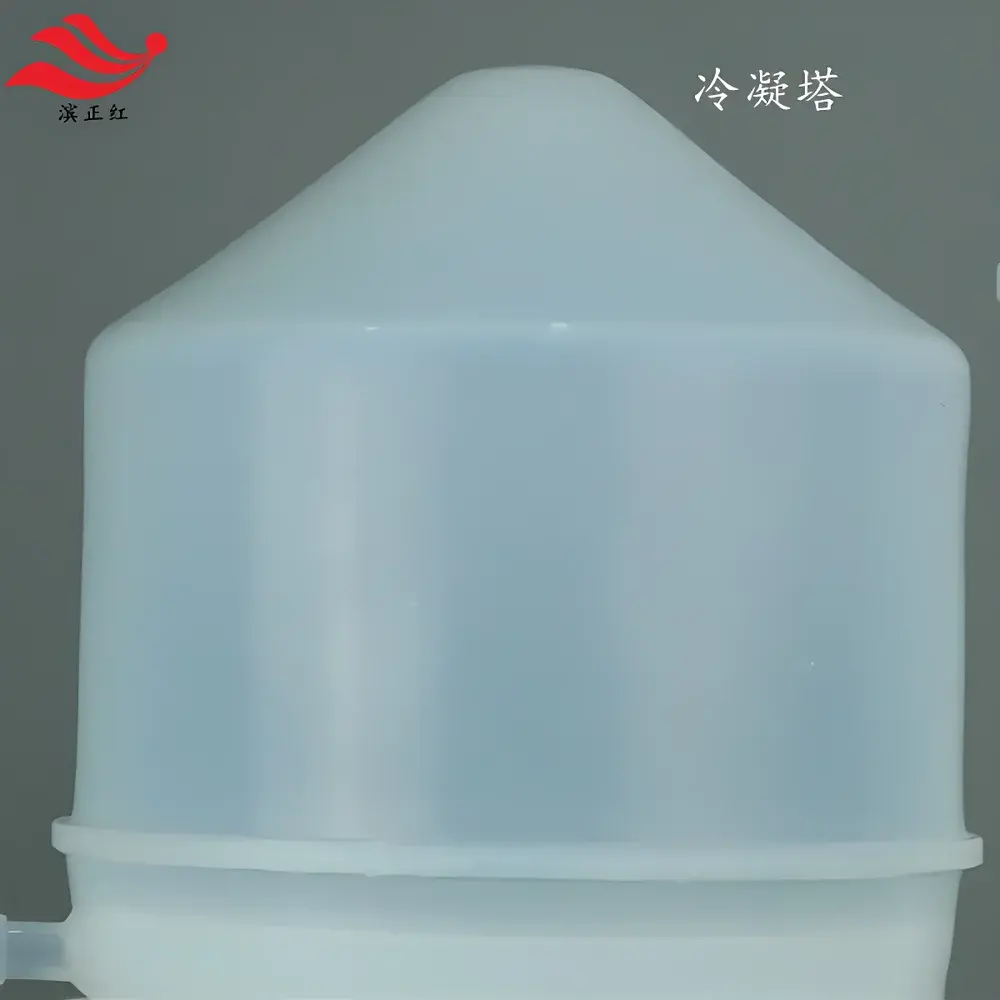
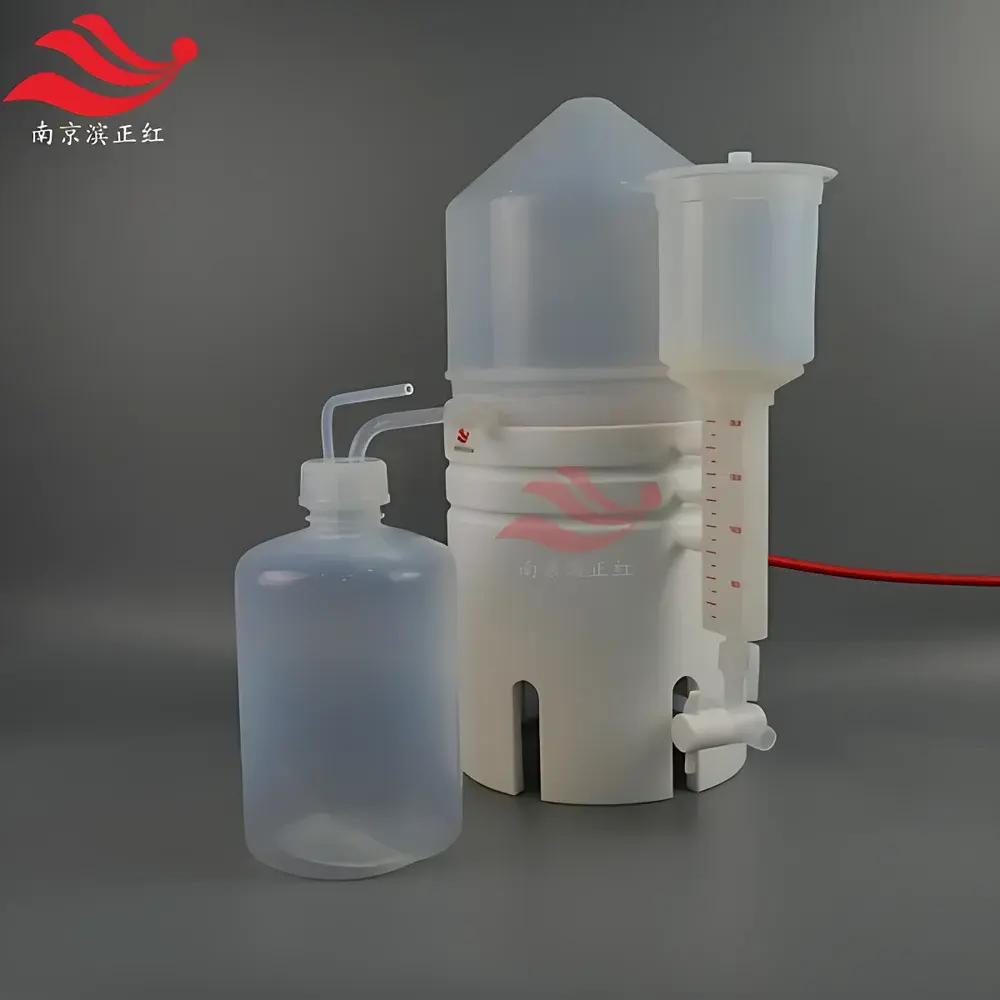
Binzhenghong NJ-SCH Series PFA Sub-Boiling Acid Purifier (1000 mL Capacity)
| Brand | Binzhenghong |
|---|---|
| Origin | Jiangsu, China |
| Manufacturer Type | Direct Manufacturer |
| Instrument Type | Sub-boiling Distillation Purifier |
| Model Variants | NJ-SCH-1 (1 L), NJ-SCH-2 (2 L), NJ-SCH-4 (4 L), NJ-SCH-6 (6 L) |
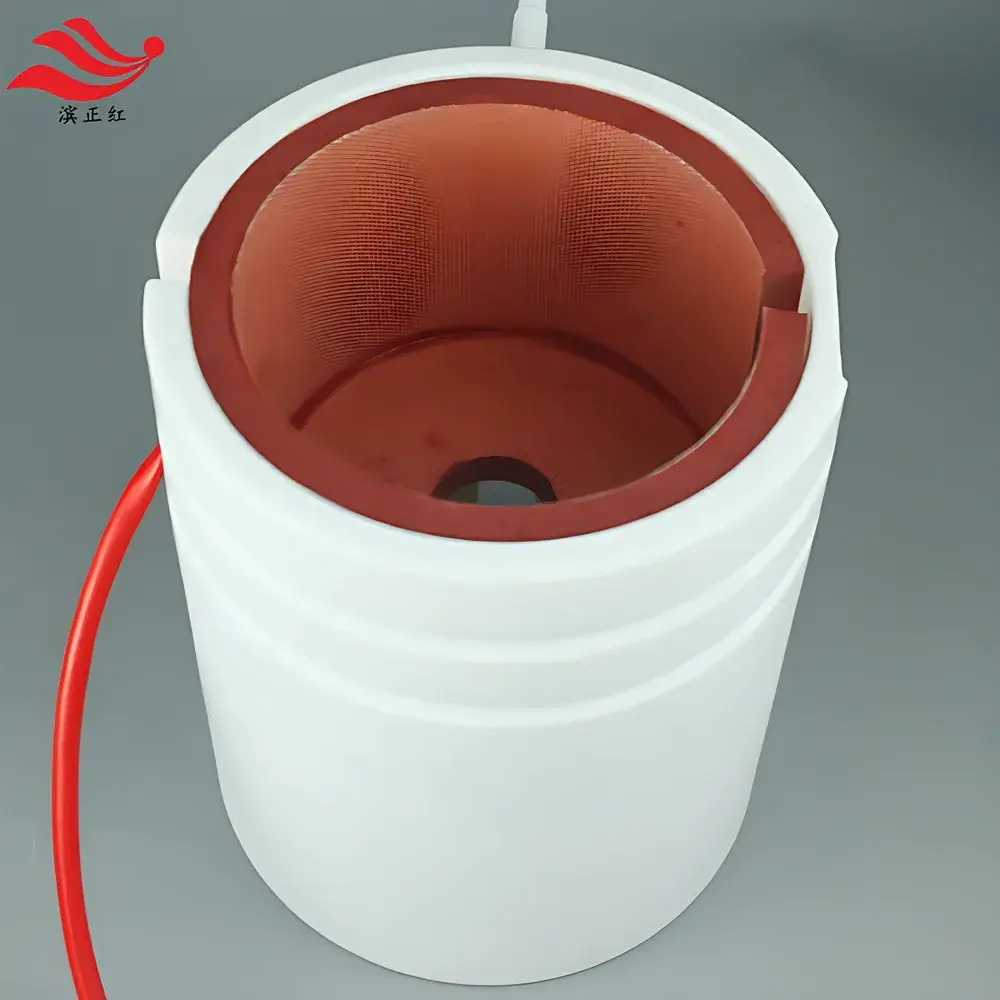
| Heating Method | Silicone Rubber Heater Sleeve with Overheat Protection |
| Cooling Method | Passive Ambient Air Cooling |
| Distillation Rate | 50 mL/h (for 1000 mL unit) |
| Temperature Control | PID Digital Controller with ±1 °C Accuracy |
| Operating Voltage | 220 V / 50 Hz |
| Material of Wetted Parts | High-Purity PFA (Perfluoroalkoxy Alkane) |
| Max. Working Temperature | 180 °C |
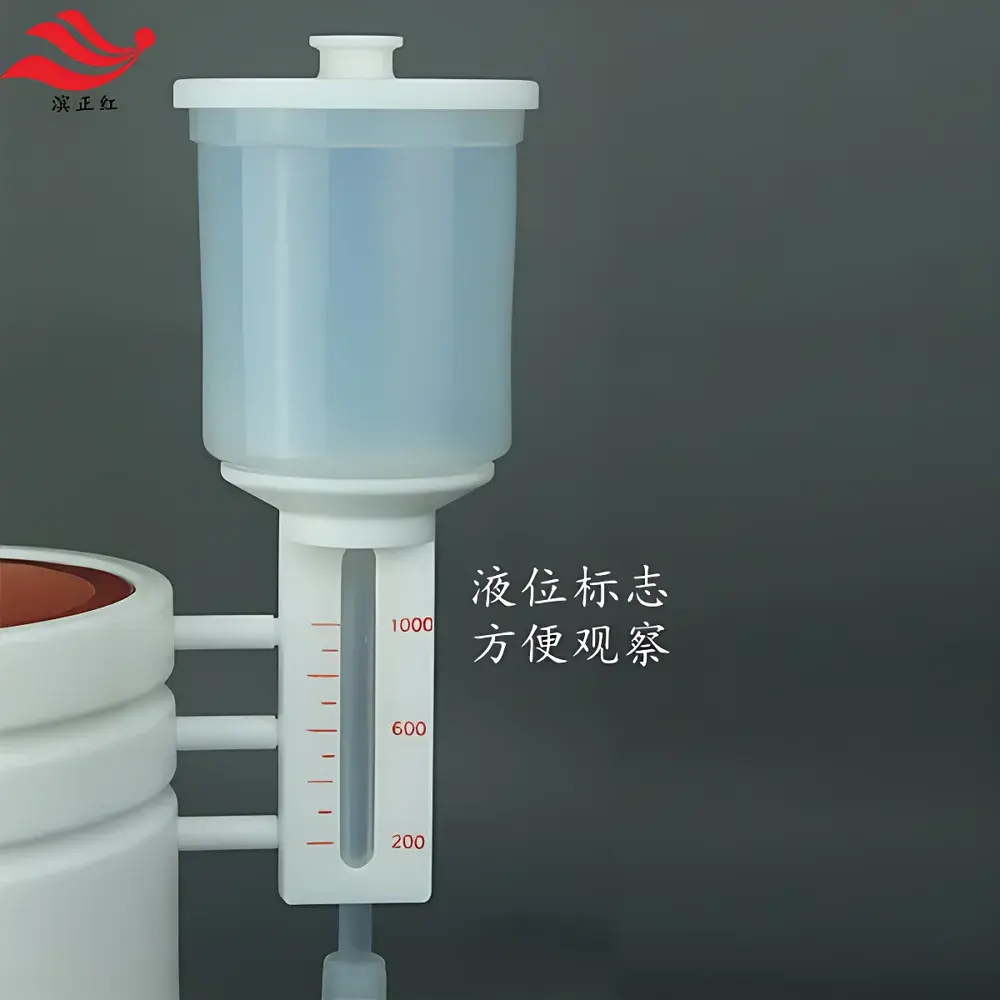
| Liquid Level Options | 200 / 600 / 1000 mL |
| Power Consumption | ≤400 W (Variable-Frequency Adjustable) |
Overview
The Binzhenghong NJ-SCH Series PFA Sub-Boiling Acid Purifier is an ultra-trace metal analysis-grade purification system engineered for the preparation of high-purity acids and solvents used in ICP-MS, ICP-OES, trace elemental analysis, and semiconductor wafer cleaning applications. It operates on the principle of sub-boiling distillation — a low-energy, controlled thermal process where the heating surface maintains the liquid phase just below its boiling point, minimizing aerosol entrainment, volatile impurity carryover, and decomposition of thermally sensitive species. Unlike conventional reflux or boiling distillation, sub-boiling ensures minimal vapor turbulence and negligible splashing, resulting in exceptionally low blank levels and reproducible recovery of ultra-pure fractions. The unit is designed for continuous, unattended operation inside fume hoods and complies with laboratory safety protocols for handling aggressive reagents including hydrochloric acid (HCl), nitric acid (HNO₃), hydrofluoric acid (HF), and deionized water.
Key Features
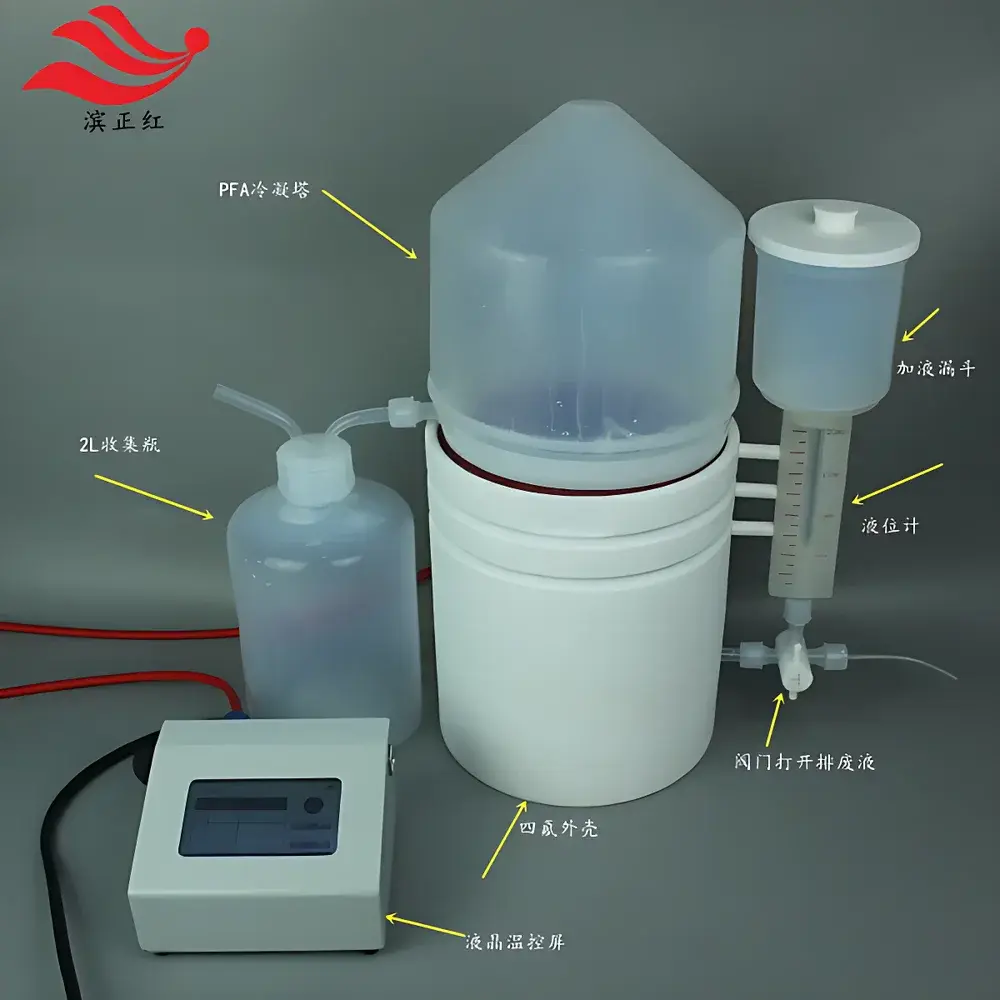
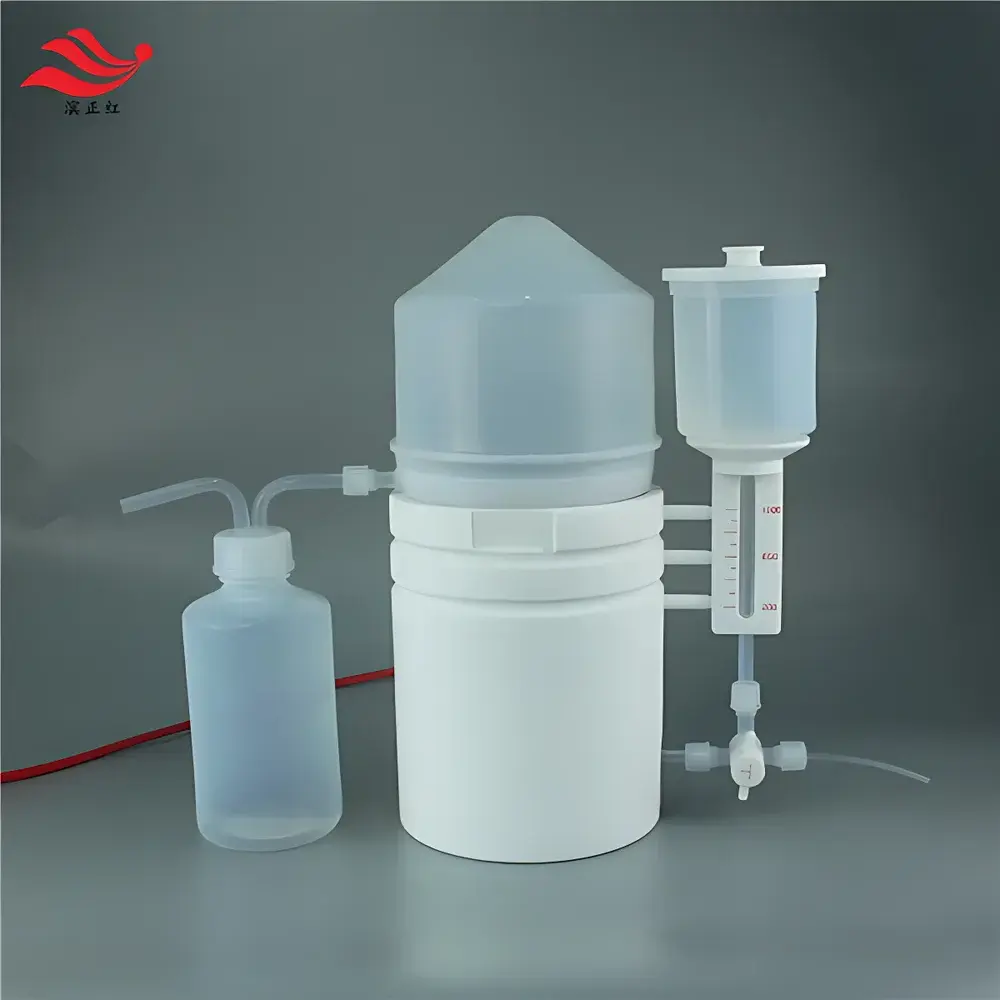
- Full PFA-wetted construction: All fluid-contact components — including evaporator chamber, condenser, collection funnel, and GL45-threaded collection bottle — are fabricated from ASTM D4894-compliant high-purity PFA, eliminating metallic leaching and ensuring compatibility with HF and other corrosive media.
- Integrated monolithic design: Evaporator and condenser are thermally fused via hot-gas welding to form a single, non-disassemblable unit — eliminating gasket interfaces, crevices, and potential contamination pathways.
- PID digital temperature controller with LCD display: Enables precise setpoint adjustment (range: ambient to 180 °C) and real-time monitoring; temperature stability maintained within ±1 °C for consistent distillation kinetics across batch runs.
- Passive ambient cooling architecture: No external chiller or tap-water connection required; heat dissipation occurs through natural convection and optimized finned condenser geometry — reducing infrastructure dependency and operational complexity.
- Automated dry-run protection: Integrated thermal cutoff sensor halts heating when residual volume falls below preset threshold, enabling safe overnight or unattended operation per GLP-compliant workflows.
- Modular liquid-level calibration: Precision刻度 (graduated) addition funnel supports accurate volumetric charging at 200 mL, 600 mL, and 1000 mL fill points; eliminates manual estimation errors and improves inter-batch repeatability.
- GL45-standard PFA collection bottles: Blow-molded using ISO 8536-4 compliant processes; each bottle features leak-tight sealing without secondary liners, validated for ≤0.01 ppb residual metal content post-distillation (tested per ASTM D512, D1129).
Sample Compatibility & Compliance
The NJ-SCH-1 purifier is validated for use with HCl (target temp: 110 °C), HNO₃/HF mixtures (175–180 °C), and ultrapure water. Its inert PFA architecture meets stringent requirements for Class 1 cleanroom environments and conforms to material compatibility standards referenced in SEMI F57 (for HF handling), USP (plastic packaging systems), and ISO/IEC 17025 clause 5.5.2 (equipment suitability verification). When operated per manufacturer-specified protocols, the system reduces baseline metal contaminants (e.g., Fe, Al, Cr, Ni, Cu, Zn) from ~10 ppb in commercial-grade acids to ≤0.01 ppb in distillate — meeting detection limit requirements for EPA Method 200.8, ISO 17294-2, and ASTM D512 trace metal determinations.
Software & Data Management
This is a stand-alone benchtop instrument with no embedded firmware or network connectivity. Temperature setpoints, runtime status, and thermal fault logs are displayed locally via the integrated PID controller interface. For auditability in regulated environments (e.g., pharmaceutical QC labs under FDA 21 CFR Part 11), users may document operational parameters manually or integrate external data loggers compliant with IEC 61508 SIL2. Calibration records, maintenance logs, and distillation run sheets should be retained per institutional GLP/GMP documentation policies.
Applications
- Preparation of matrix-matched calibration standards for ICP-MS multi-element analysis
- Generation of low-blank rinse solutions for semiconductor wet benches (SEMI F57)
- Purification of HCl for aqua regia digestion prior to noble metal quantification
- Production of HF-free nitric acid for silicon wafer etch residue analysis
- Reagent conditioning in environmental testing labs accredited to ISO/IEC 17025
- Trace sulfur and halogen analysis by combustion ion chromatography (ASTM D7359)
FAQ
Can this unit purify hydrofluoric acid (HF) safely?
Yes — all wetted surfaces are constructed from PFA, which exhibits full chemical resistance to concentrated HF up to 200 °C per ASTM D1499. The sealed monolithic design prevents vapor leakage during HF distillation.
Is water cooling required?
No — the system relies exclusively on passive air cooling. No plumbing, chillers, or flow meters are needed.
What is the typical metal impurity reduction factor?
When processing commercial-grade HNO₃ containing ~10 ppb total metals, single-pass distillation yields distillate with ≤0.01 ppb residual metals (measured by sector-field ICP-MS), representing a >1000× purification factor.
Can multiple acid types be processed sequentially in one unit?
We recommend dedicated units per acid type to prevent cross-contamination. Residue adherence in PFA is minimal but not zero; method validation is required if switching between HCl and HF.
Does the system support regulatory compliance for pharmaceutical QC?
While the hardware itself is not 21 CFR Part 11-certified, its design enables full traceability when paired with validated SOPs, manual logbooks, and third-party calibration certificates — satisfying core GMP/GLP documentation requirements for reagent purity control.
Related Products



