
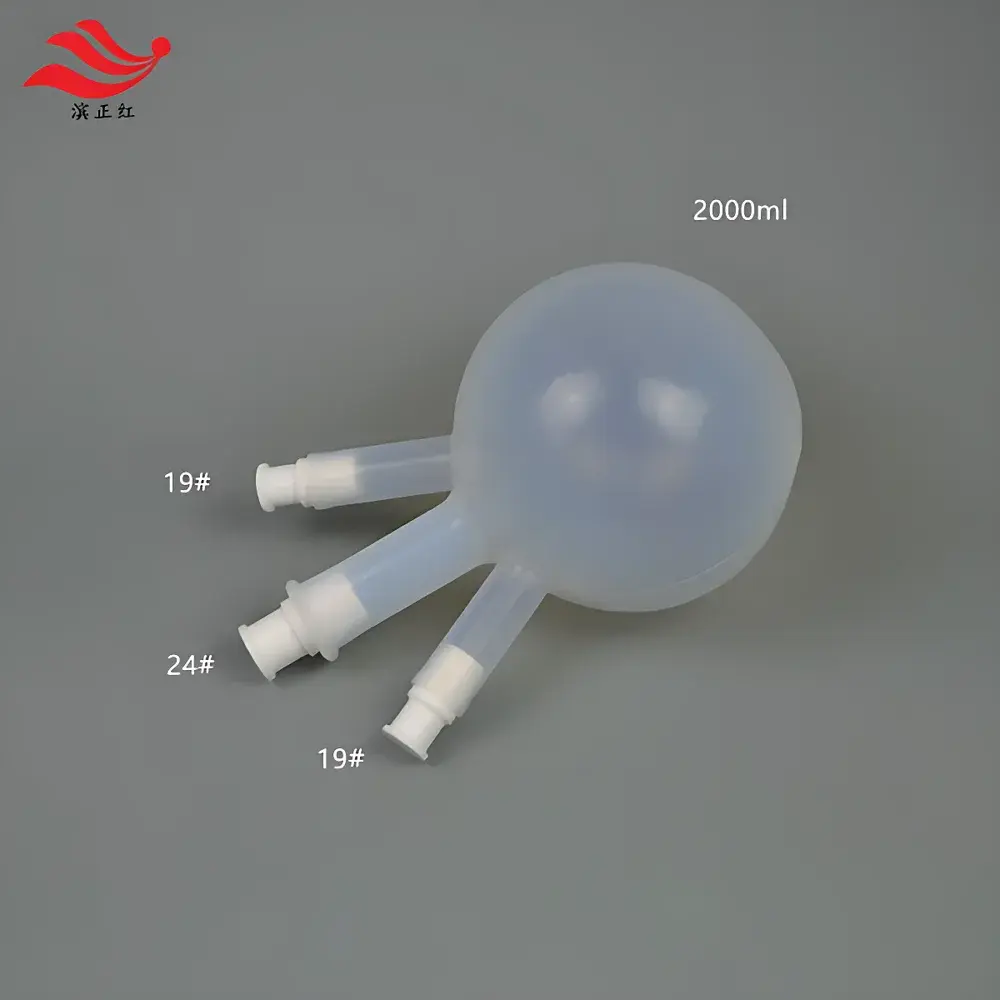
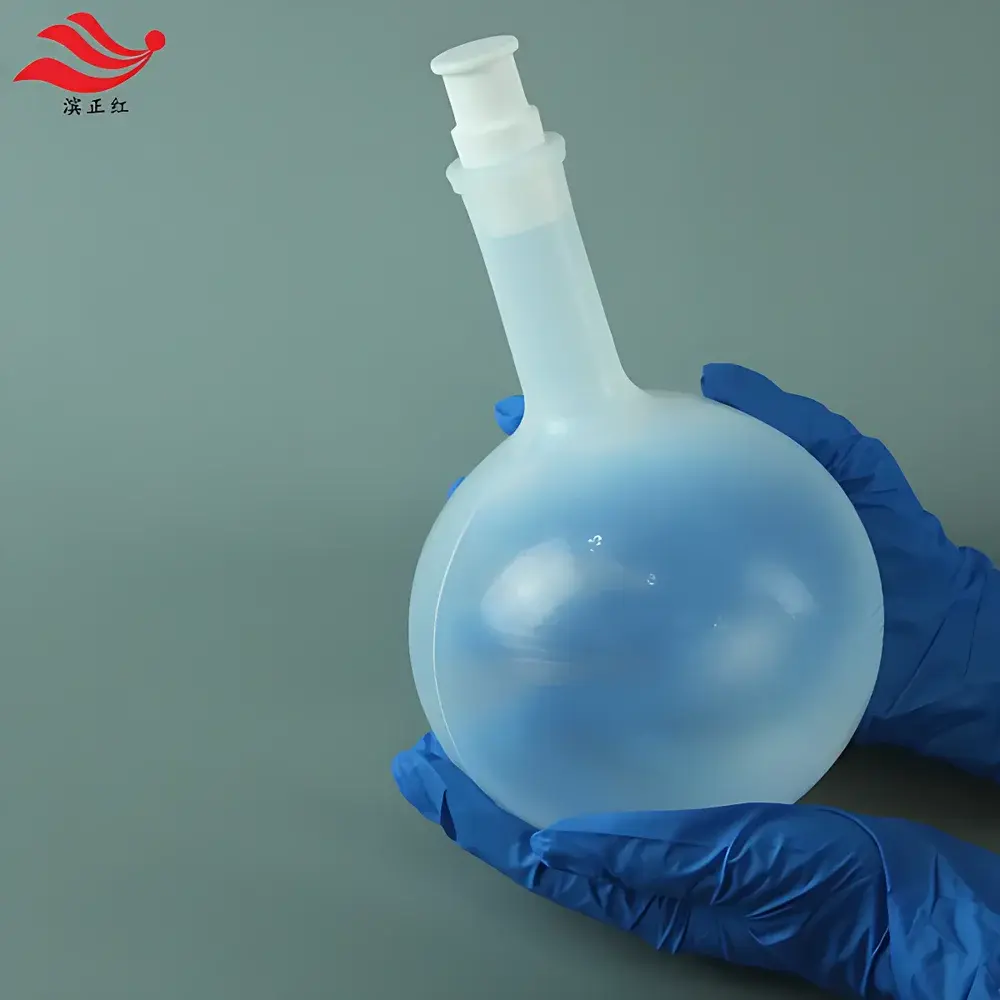
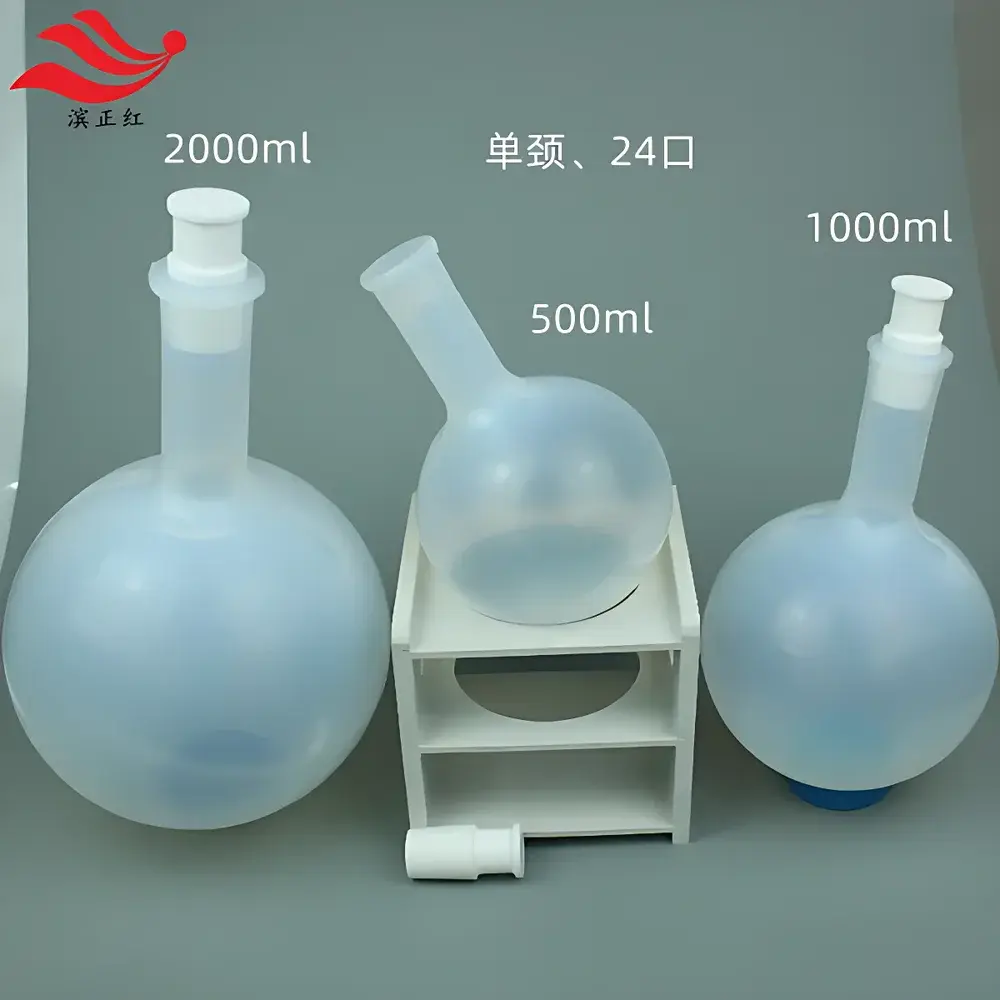
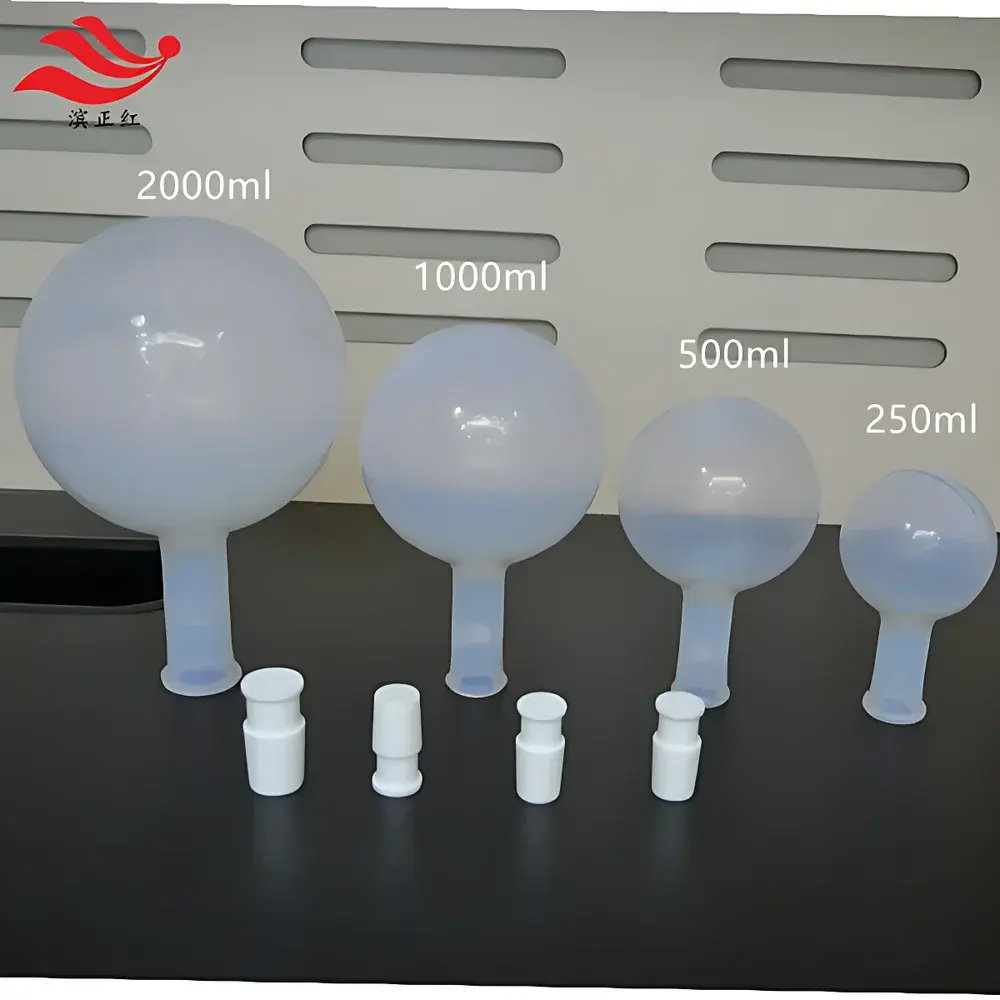
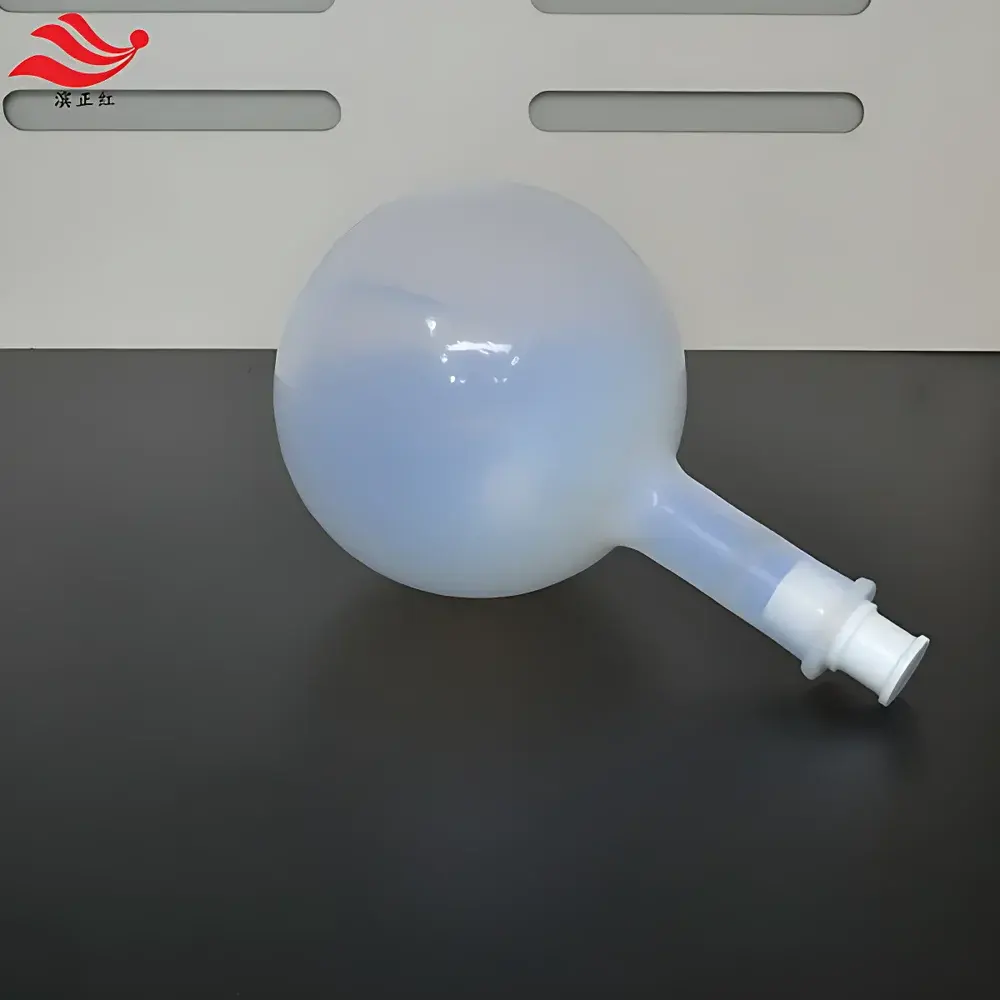
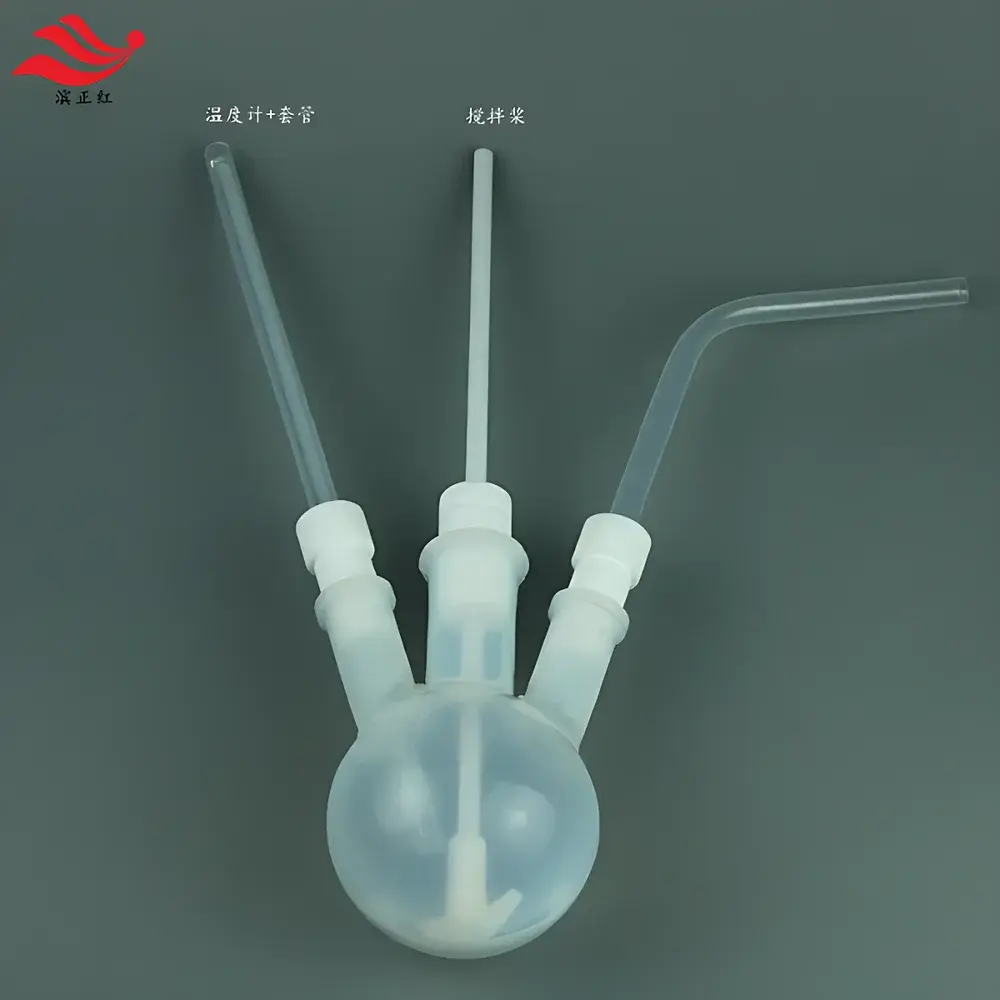
PFA Single-Neck & Multi-Neck Reaction Flask (2000 mL) for Pharmaceutical and HF-Resistant Chemical Processing
| Brand | Binzhenghong |
|---|---|
| Origin | Jiangsu, China |
| Manufacturer Type | Direct Producer |
| Product Category | Domestic |
| Model | PFA Reaction Flask (Single/Three-Neck Options) |
| Pricing | Upon Request |
Overview
The Binzhenghong PFA Reaction Flask Series (2000 mL capacity) is a high-purity, chemically inert laboratory vessel engineered for demanding pharmaceutical synthesis, trace-metal-free analytical sample preparation, and aggressive chemical processing—including direct handling of hydrofluoric acid (HF), fluorinated solvents, and hot concentrated mineral acids. Constructed entirely from perfluoroalkoxy alkane (PFA)—a melt-processable fluoropolymer with thermal stability up to 260 °C and exceptional resistance to corrosion—the flask provides an ultra-low leaching alternative to glass, quartz, or PTFE-coated equipment. Unlike borosilicate glass, which etches rapidly in HF, and standard PTFE, which lacks structural rigidity at elevated temperatures, PFA combines the optical clarity and dimensional stability of glass with the chemical resilience of fluoropolymers. Its seamless, molded construction eliminates joints, weld lines, or adhesive interfaces that could harbor contaminants or initiate failure under thermal cycling or vacuum conditions—critical for GMP-compliant API manufacturing and ICH Q5A-compliant cell culture media preparation.
Key Features
- Full-body PFA construction (ASTM D4894-compliant material grade) ensures zero metal ion leaching, validated per USP and cytotoxicity and extractables testing protocols.
- Available in single-neck, three-neck, and custom multi-port configurations—each neck features standardized ISO-KF (QF) or NS (Normschraube) metric threading for secure, vacuum-tight coupling with PFA or Kalrez-sealed stopcocks, condensers, and inlet/outlet adapters.
- Maximum operating temperature: 260 °C continuous; short-term peak: 280 °C. Withstands full vacuum (≤10⁻³ mbar) and positive pressure up to 0.3 MPa at 200 °C.
- Optical clarity enables real-time visual monitoring of reaction progress, precipitation, or phase separation without compromising containment integrity.
- Non-stick surface minimizes residue retention—facilitating quantitative recovery of high-value APIs and reducing cleaning validation burden in multiproduct facilities.
Sample Compatibility & Compliance
This flask is validated for use with hydrofluoric acid (HF) concentrations up to 49% w/w at ambient to reflux temperatures, as well as anhydrous HF, HF/pyridine complexes, and fluorinating agents such as Selectfluor® and DAST. It is also compatible with strong oxidizers (e.g., fuming nitric acid, piranha solution), molten alkali hydroxides, and high-purity solvents used in semiconductor-grade reagent synthesis (e.g., ultrapure IPA, acetone, THF). The PFA resin meets ASTM F2217 for fluoropolymer purity and complies with EU Regulation (EC) No. 1935/2004 for materials intended to contact medicinal products. Batch-specific CoA includes FTIR identity verification, heavy metal screening (<1 ppb Cr/Ni/Fe/Pb by ICP-MS), and non-volatile residue (NVR) testing per USP .
Software & Data Management
As a passive containment vessel, the PFA reaction flask does not incorporate embedded electronics or firmware. However, it is fully interoperable with industry-standard process monitoring systems—including digital thermocouple arrays (Type K, Class 1 tolerance), pressure transducers with 4–20 mA output, and automated stirrer controllers compliant with FDA 21 CFR Part 11 when integrated into larger reactor platforms. Documentation packages include IQ/OQ templates aligned with Annex 15 and ISPE GAMP 5, supporting qualification in regulated environments where traceability of vessel material certification, lot traceability, and cleaning validation records are required.
Applications
- Synthesis and purification of fluorinated pharmaceutical intermediates (e.g., ¹⁸F-radiotracers, fluoroquinolones) under anhydrous, metal-free conditions.
- High-temperature digestion of biological matrices for elemental analysis (ICP-MS, ICP-OES) where borosilicate contamination would skew results.
- Preparation of calibration standards for environmental PFAS testing—eliminating background interference from glassware-derived fluorotelomer alcohols.
- Long-duration stability studies of biologics in acidic formulations (pH ≤2.0) where glass delamination poses particulate risk.
- Small-scale batch processing in cGMP pilot plants requiring Class 100 cleanroom-compatible, autoclavable (121 °C, 20 min) vessels with documented extractables profiles.
FAQ
Can this flask be sterilized using steam autoclaving?
Yes—fully compatible with standard autoclave cycles (121 °C, 15–20 min, saturated steam). PFA retains mechanical integrity and dimensional stability after ≥50 autoclave cycles.
Is the PFA material compliant with USP Class VI requirements?
Yes—material lot certifications include USP (in vitro cytotoxicity) and (implantation testing) per Class VI criteria.
What is the maximum recommended stirring speed when used with overhead stirrers?
For 2000 mL volume, mechanical agitation should not exceed 300 rpm with PTFE-coated or PFA-sheathed impellers to prevent vortex-induced stress concentration at the neck base.
Do you provide custom port configurations or laser-etched lot identification?
Yes—custom neck count, orientation angles, and permanent laser marking (ISO/IEC 15415-compliant 2D data matrix codes) are available upon request with full traceability documentation.



