
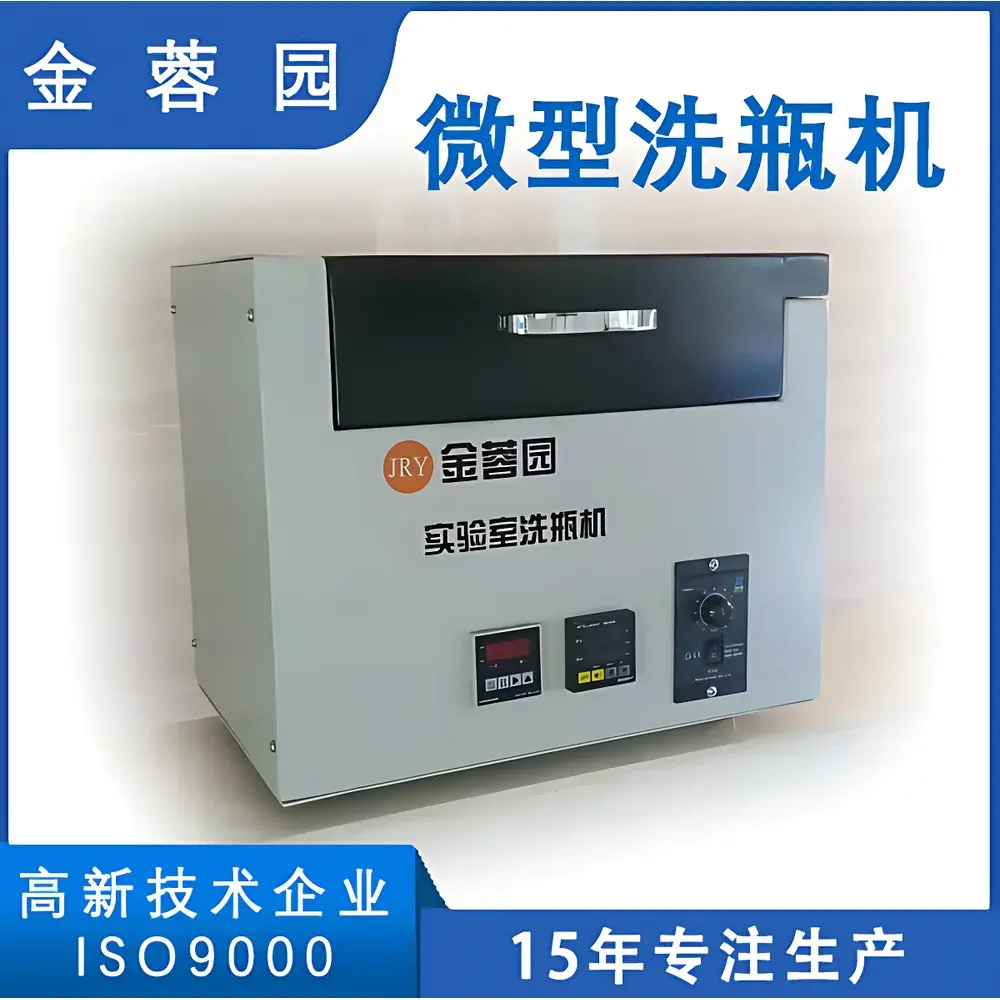
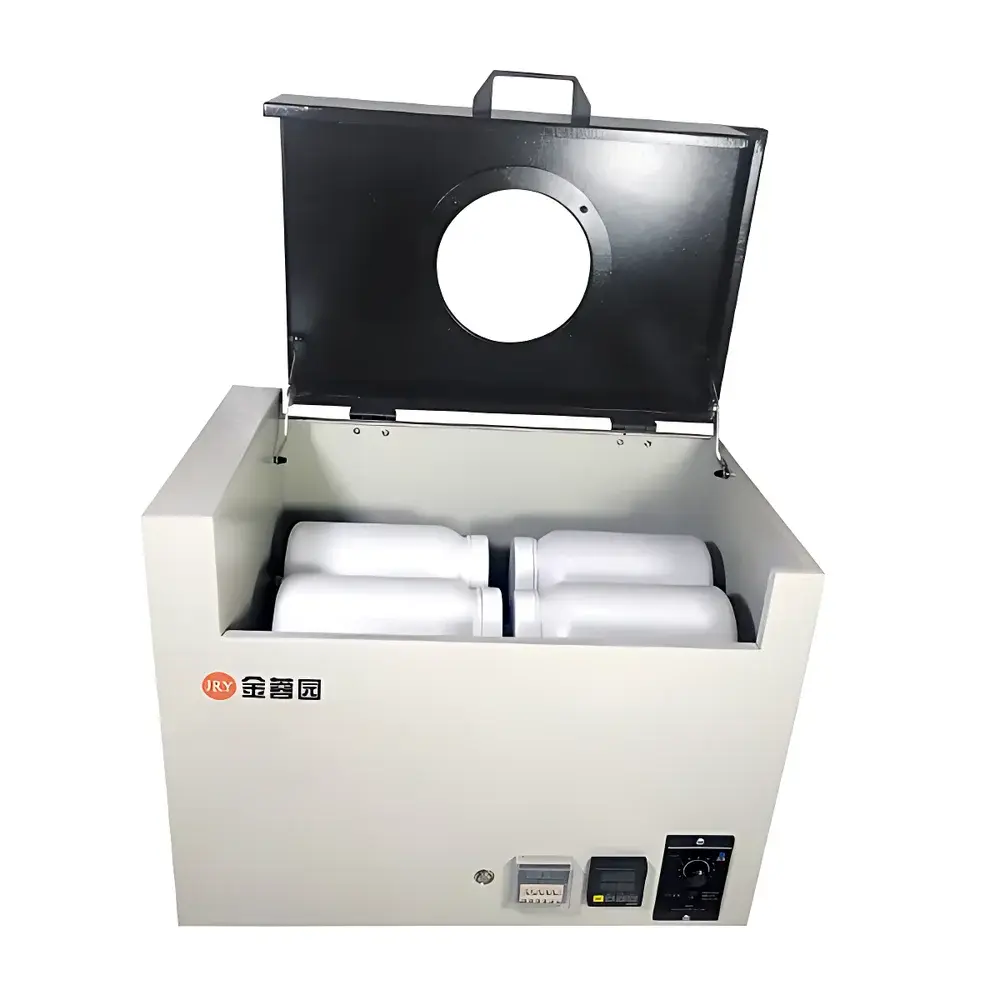
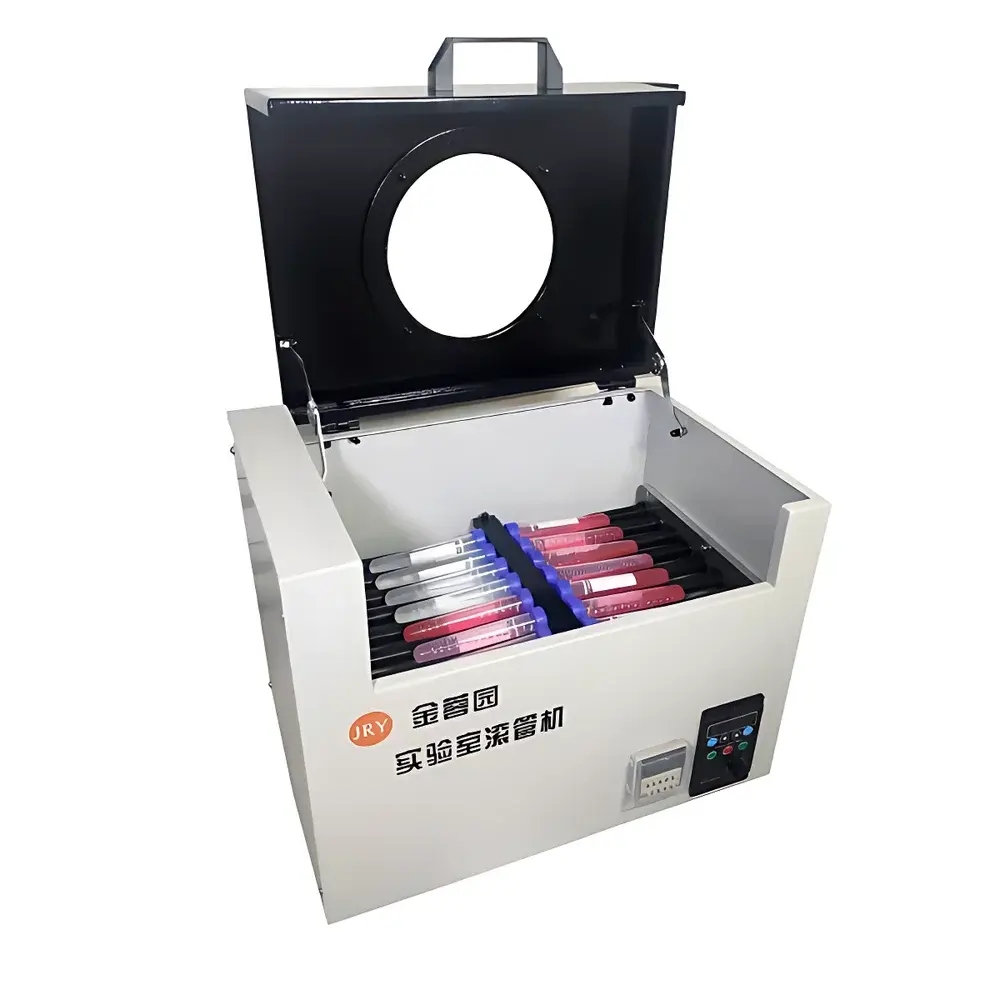
JRY JRY-CC Multi-Function Laboratory Roller Mill
| Brand | JRY |
|---|---|
| Origin | Hunan, China |
| Manufacturer Type | Direct Manufacturer |
| Product Category | Domestic |
| Model | JRY-CC |
| Instrument Type | Roller Mill |
| Sample Compatibility | Soft Materials |
| Output Particle Size | 0.01–0.5 mm |
| Batch Processing Volume | 2 L |
Overview
The JRY JRY-CC Multi-Function Laboratory Roller Mill is an engineered platform designed for controlled mechanical processing of soft and semi-solid samples in research, quality control, and analytical laboratories. Unlike conventional magnetic stirrers or overhead agitators, this device operates on the principle of orbital rolling motion—rotating sealed cylindrical vessels (rollers) around a horizontal axis at precisely regulated speeds. This motion induces gentle yet effective tumbling, shearing, and impact forces within the vessel, enabling simultaneous mixing, homogenization, wet/dry grinding, surface polishing, solvent washing, and low-temperature drying—all within a single instrument architecture. Its design prioritizes containment integrity, operator safety, and reproducible process conditions—making it especially suitable for applications where cross-contamination, volatile emissions, or metal ion leaching must be minimized (e.g., graphene dispersion, battery slurry formulation, environmental soil extraction, and pharmaceutical excipient blending).
Key Features
- Modular roller configuration supporting up to six 2 L capacity vessels per unit, with interchangeable roller materials including polypropylene (PP), polytetrafluoroethylene (PTFE)-lined stainless steel, and ultra-low-metal-background polyethylene
- Programmable digital controller with independent speed regulation (10–120 rpm) and temperature setpoint range (ambient to 60 °C) for integrated drying cycles
- Sealed vessel operation eliminates aerosol generation and ensures compliance with occupational health standards for dust and vapor exposure (OSHA 29 CFR 1910.1200)
- Optional grinding media compatibility—including stainless steel, zirconia, and agate beads—for scalable energy input during size reduction
- Low-noise, brushless DC motor drive with torque monitoring and automatic shutdown upon imbalance detection
- CE-compliant electrical architecture with IP54-rated enclosure for use in standard laboratory environments
Sample Compatibility & Compliance
The JRY-CC is validated for processing soft, non-abrasive, and moderately cohesive materials—including polymer gels, hydrated clays, biological tissue homogenates, carbon nanomaterial dispersions, and pharmaceutical suspensions. It is not intended for hard, brittle, or fibrous samples requiring high-impact comminution. Vessel sealing integrity meets ASTM D4296-18 requirements for closed-system agitation of hazardous substances. All plastic rollers comply with USP Class VI biocompatibility testing; PTFE-lined metal rollers conform to ISO 10993-5 cytotoxicity standards. The system supports GLP-aligned workflow documentation when paired with external data loggers.
Software & Data Management
While the base JRY-CC operates via standalone front-panel controls, optional RS-485/Modbus RTU interface enables integration into centralized laboratory information management systems (LIMS). Process parameters—including rotation duration, speed profile, temperature ramping, and cycle count—are logged locally with timestamping. Audit trail functionality satisfies FDA 21 CFR Part 11 requirements when deployed with compliant third-party software platforms. Exportable CSV logs support traceability for method validation reports and ISO/IEC 17025 accreditation submissions.
Applications
- Preparation of uniform electrode slurries for lithium-ion battery R&D (Ni-rich NMC, silicon anodes)
- Dispersion stabilization of 2D nanomaterials (graphene oxide, MXenes) in aqueous and organic media
- Soil and sediment extraction protocols per EPA Method 3050B and ISO 11466
- Cell culture flask coating uniformity enhancement prior to seeding
- Surface passivation and oxide layer removal from metallic nanoparticles via controlled polishing cycles
- Residual solvent removal from lyophilized formulations without thermal degradation
FAQ
Can the JRY-CC handle abrasive or high-hardness samples such as ceramics or quartz?
No. The JRY-CC is optimized for soft-to-medium consistency materials. Hard or crystalline samples may cause premature wear of rollers and bearings, and are outside its validated operating envelope.
Is the 2 L batch volume per roller or total system capacity?
Each roller vessel has a maximum fill volume of 2 L. Standard configurations accommodate four or six rollers; total throughput depends on selected vessel count and loading ratio (recommended ≤70% fill level for optimal tumbling dynamics).
Does the system support inert atmosphere processing (e.g., argon or nitrogen purging)?
Yes—custom rollers with dual-port septum caps and gas inlet/outlet fittings are available upon request for oxygen-sensitive applications.
What maintenance intervals are recommended for long-term reliability?
Lubrication of roller shaft bearings every 1,000 operational hours; visual inspection of belt tension and vessel O-rings every 200 hours; calibration verification of speed and temperature sensors annually or per ISO/IEC 17025 internal audit schedule.



