
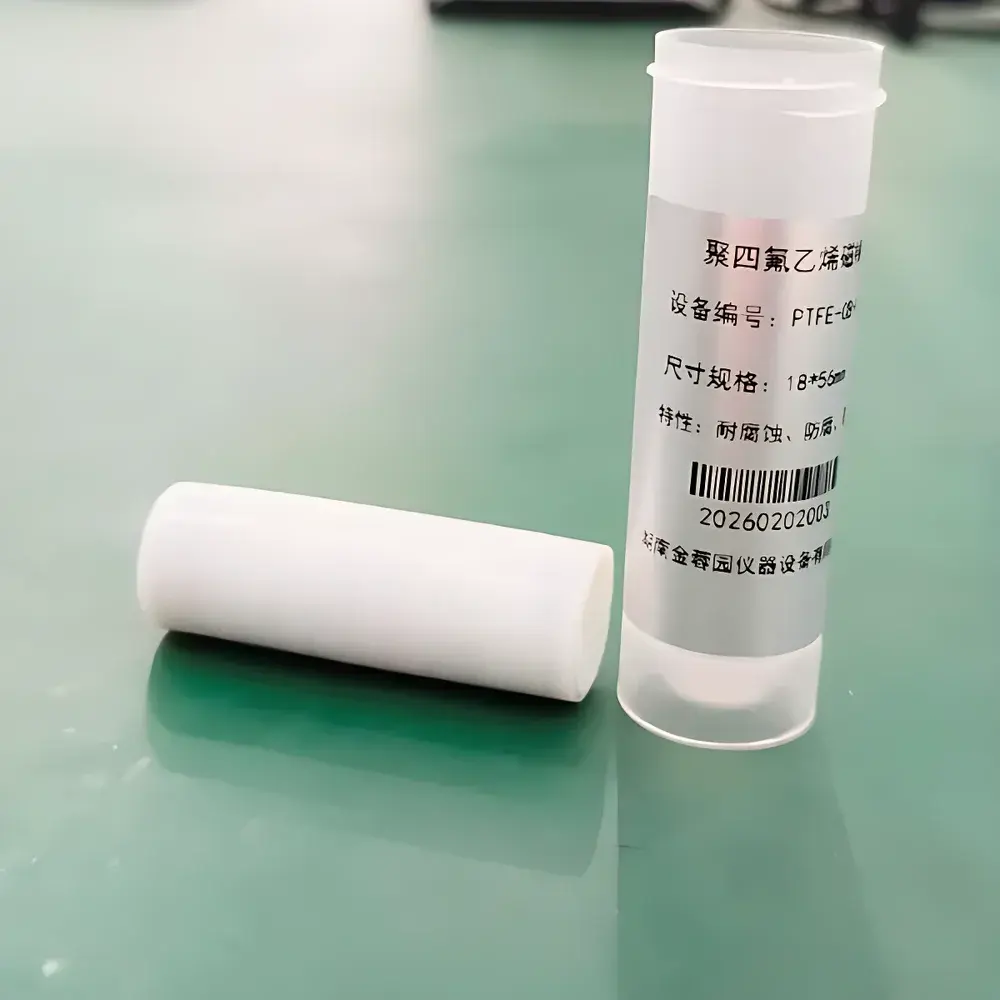
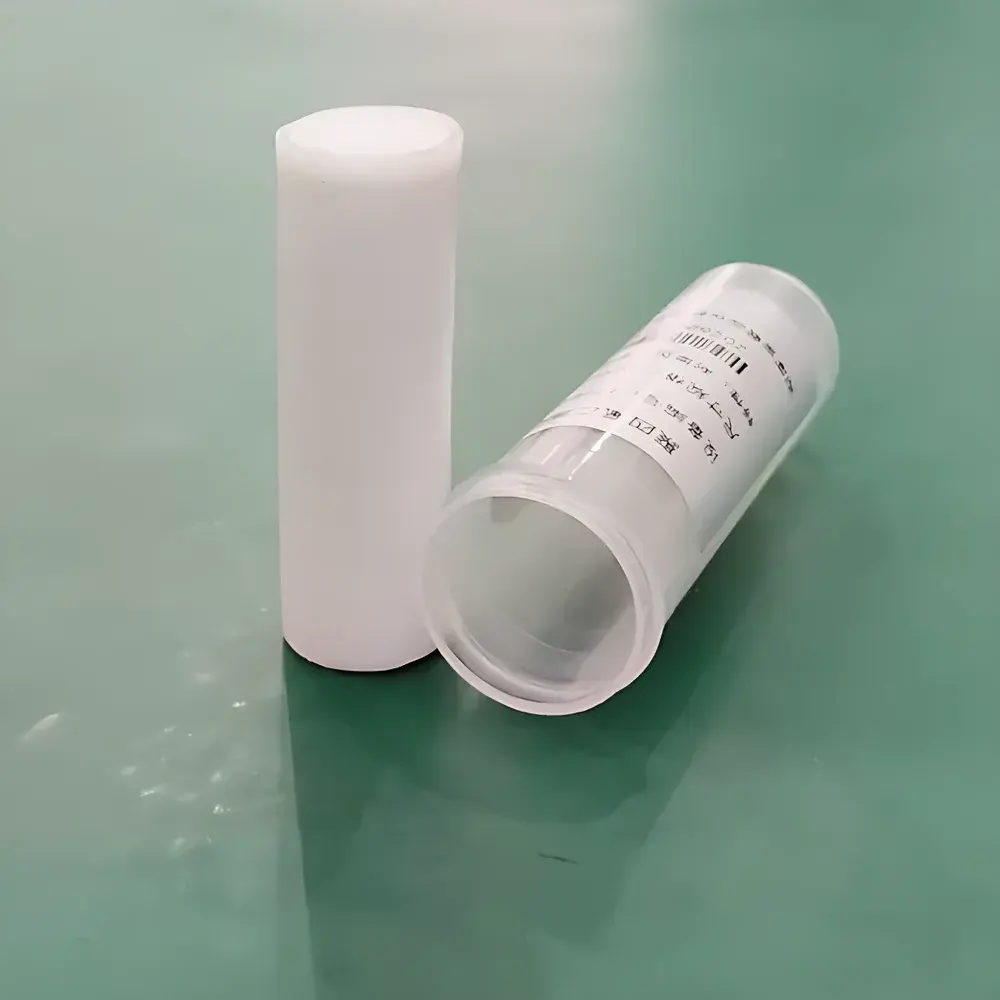
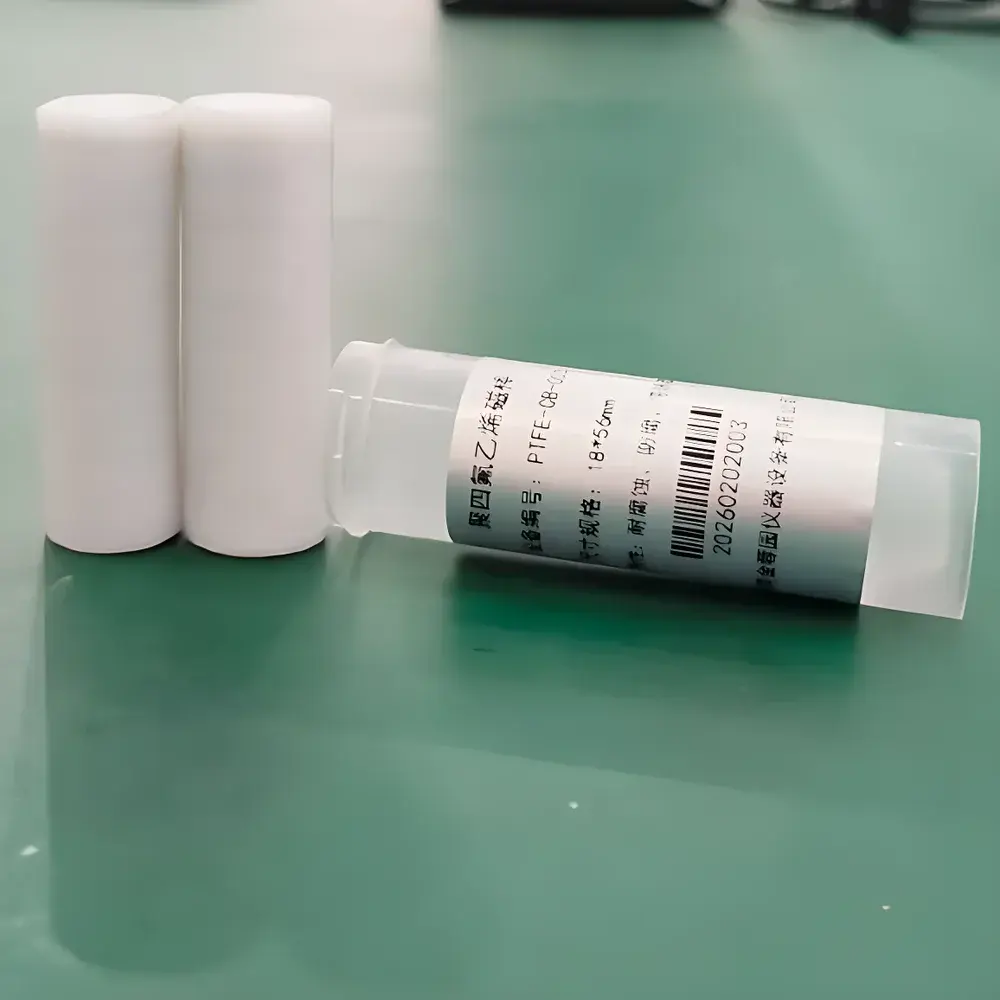
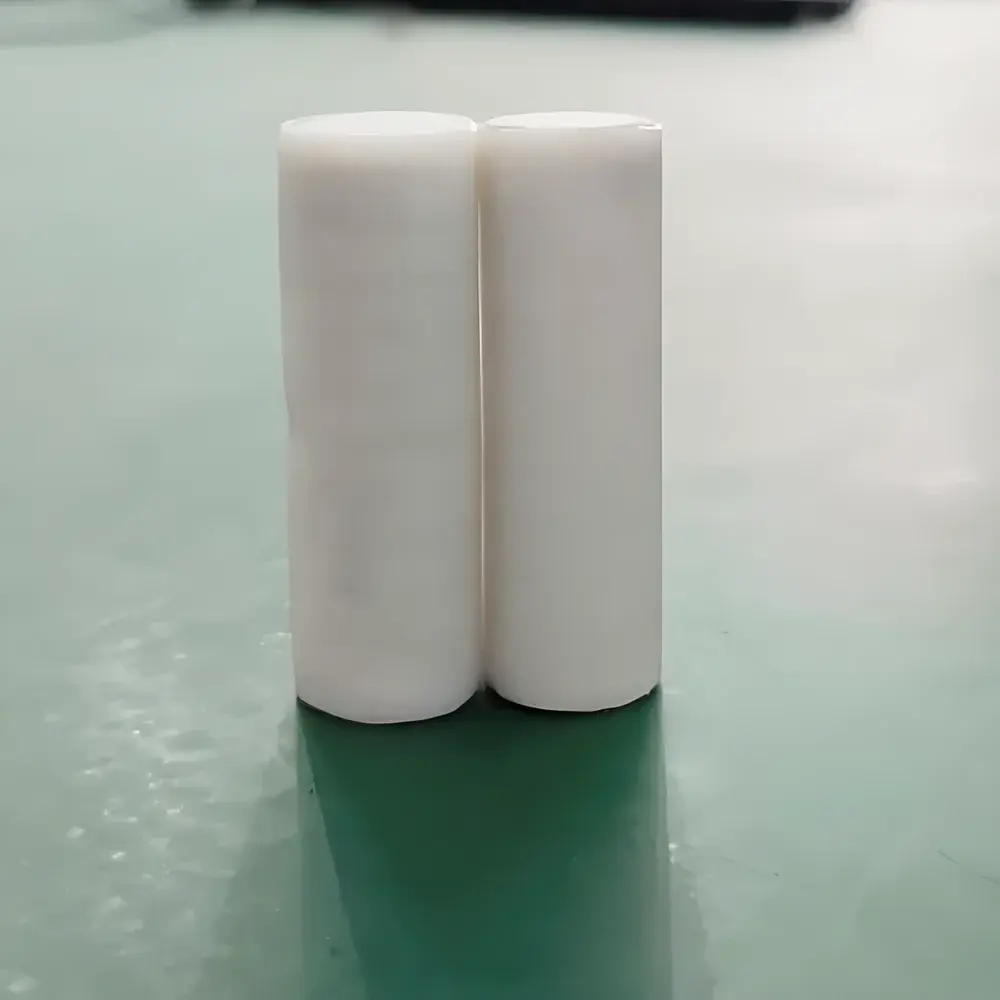
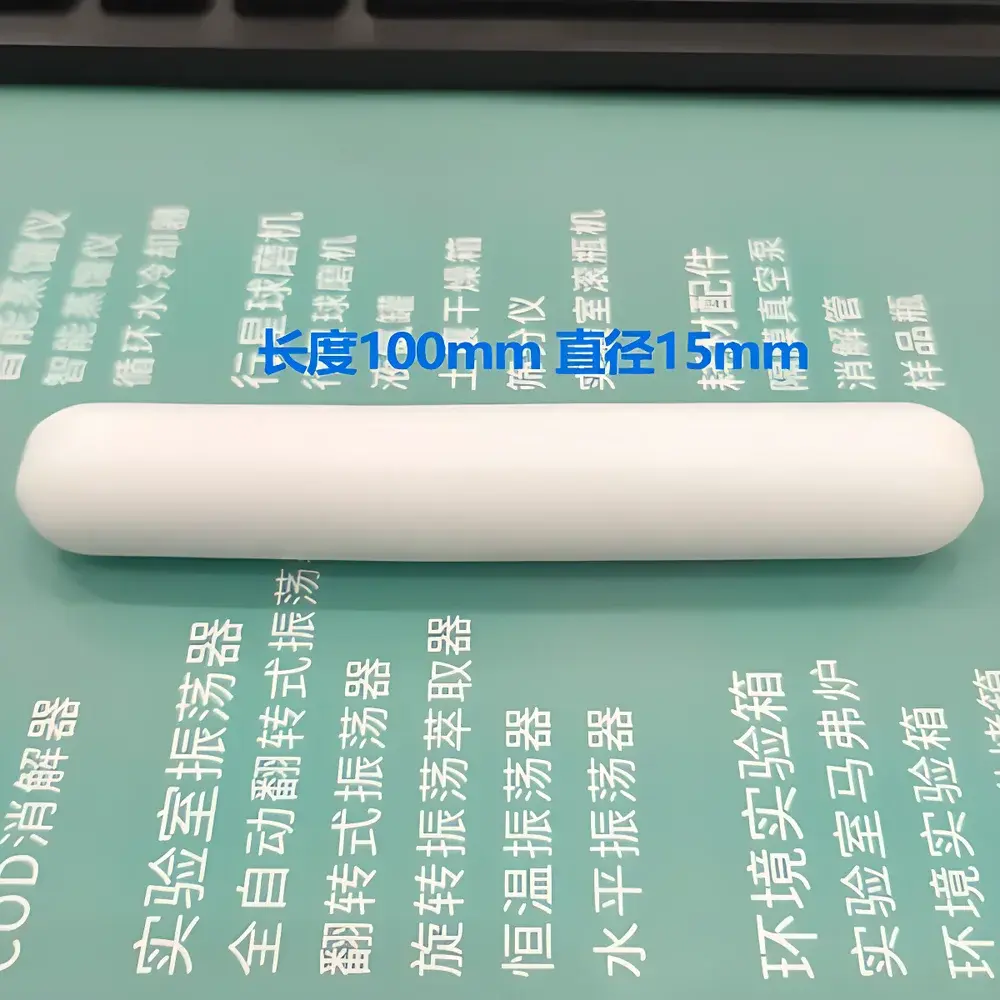
PTFE-CB-003 Magnetic Rod Stirrer for Magnetic Impurity Detection in Lithium Battery Graphite Anode Materials (Jing Rong Yuan)
| Brand | Jing Rong Yuan |
|---|---|
| Origin | Hunan, China |
| Manufacturer Type | Authorized Distributor |
| Origin Category | Domestic (China) |
| Model | PTFE-CB-003 |
| Magnetic Field Strength | 6000 G ±5% (5700–6300 G at center surface) |
| Rod Diameter | ~18 mm |
| Rod Length | ~50 mm |
| Surface Material | Polytetrafluoroethylene (PTFE) |
| Chemical Resistance | Resistant to concentrated HNO₃, HCl, and other strong acids/bases under heating conditions |
| Compliance | Designed per GB/T 24533–2019 Annex K.4.5 |
Overview
The PTFE-CB-003 Magnetic Rod Stirrer is a precision-engineered tool specifically designed for magnetic impurity detection in graphite anode materials used in lithium-ion battery manufacturing. It operates in accordance with the standardized test methodology outlined in GB/T 24533–2019, *Lithium Ion Battery Graphite Anode Materials*, particularly Annex K—“Determination of Magnetic Foreign Matter”. This procedure relies on controlled magnetic separation: a high-strength permanent magnet rod is immersed into a heated acidic slurry of graphite powder, attracting ferromagnetic contaminants (e.g., Fe, Ni, Co particles) which adhere to its surface. The rod is then removed, rinsed, and inspected—either visually or via quantitative analysis—to assess contamination levels. The PTFE-CB-003 implements this principle through a rigorously specified magnetic core and chemically inert housing, ensuring both metrological traceability and process robustness across QC laboratories.
Key Features
- Calibrated magnetic field strength of 6000 Gauss (0.6 T) at the rod’s central surface, with tolerance strictly maintained within ±5% (5700–6300 G), as required by GB/T 24533–2019 Annex K.4.5.
- Optimized geometry: nominal diameter of 18 mm and length of 50 mm—engineered to ensure full submersion and effective agitation within standard 500 mL sample vessels (per GB/T 24533–2019 K.4.3).
- Full-surface encapsulation in virgin polytetrafluoroethylene (PTFE), providing exceptional resistance to thermal and chemical degradation during hot acid digestion (e.g., boiling HNO₃/HCl mixtures).
- No metallic exposure: the PTFE sheath fully isolates the internal magnet from the sample matrix, eliminating risk of leaching, corrosion, or secondary contamination.
- Traceable performance: supplied with a third-party verified magnetic flux density report (Gauss meter calibration certificate), supporting GLP-compliant documentation and audit readiness.
Sample Compatibility & Compliance
The PTFE-CB-003 is validated for use with dry and slurry-form graphite anode powders, including synthetic and natural spherical graphites, silicon-graphite composites, and carbon-coated variants. Its design directly satisfies the physical and functional requirements of GB/T 24533–2019 Annex K, making it suitable for routine quality control in battery material production, supplier qualification, and incoming inspection labs. While GB/T 24533 is a national Chinese standard, its methodology aligns with broader international practices for metallic contaminant screening in electrochemical materials (e.g., analogous to ASTM F2656 for magnetic particle testing in pharmaceutical excipients). The device supports ISO/IEC 17025-compliant test procedures when integrated into documented SOPs—including defined cleaning protocols, field verification intervals, and environmental controls (e.g., temperature-stable digestion baths).
Software & Data Management
As a passive hardware component, the PTFE-CB-003 does not incorporate embedded electronics, firmware, or connectivity. Its operation is fully manual and protocol-driven, consistent with gravimetric and visual assessment workflows defined in GB/T 24533–2019. However, it integrates seamlessly into digital lab ecosystems: magnetic verification data (e.g., Gauss meter readings) can be logged into LIMS or ELN platforms using standardized templates; image-based residue documentation (post-rinse inspection) may be captured via calibrated microscopes and archived with metadata (batch ID, operator, date, vessel number). For regulated environments, usage logs—including rod serial number, last calibration date, and cumulative exposure cycles—can be maintained to support FDA 21 CFR Part 11 compliance where electronic records are employed.
Applications
- Quantitative magnetic foreign matter screening in graphite anode raw materials prior to electrode slurry formulation.
- Verification of furnace or milling equipment cleanliness following maintenance (e.g., detecting wear debris from stainless-steel components).
- Root-cause analysis of cell-level failures linked to micro-short circuits induced by ferromagnetic particulates.
- Supplier qualification testing under contractual technical specifications referencing GB/T 24533–2019 or equivalent internal standards.
- Method transfer and inter-laboratory comparison studies requiring identical magnetic probe geometry and field intensity.
FAQ
Is the PTFE-CB-003 compliant with international standards beyond GB/T 24533–2019?
Yes—its dimensional and magnetic specifications are functionally compatible with ASTM D7219 (for carbon black impurity testing) and IEC 62660-1 (for lithium battery material purity assessments), though formal certification under those standards requires lab-specific validation.
How often should magnetic field strength be re-verified?
Annual verification is recommended; more frequent checks (e.g., quarterly) are advised if rods undergo repeated thermal cycling above 80 °C or mechanical impact.
Can the PTFE sheath be sterilized using autoclaving?
No—PTFE softens above 260 °C; standard autoclave cycles (121 °C, 15 psi) are acceptable, but prolonged exposure or steam-jacketed heating exceeding 150 °C may cause deformation.
What cleaning agents are approved for residue removal after testing?
Dilute nitric acid (2 vol%), followed by deionized water rinse and nitrogen drying; avoid abrasive pads or ultrasonic cleaning with alkaline solutions, which may degrade PTFE surface integrity.
Does the rod require demagnetization between tests?
No—residual magnetism is essential for particle capture; however, a post-test rinse and visual inspection for retained debris are mandatory before reuse.
Related Products



