BTX Gemini SC2 Dual-Wave Electroporator
| Brand | Harvard Apparatus |
|---|---|
| Origin | USA |
| Model | Gemini SC2 |
| Waveforms | Square Wave & Exponential Decay Wave |
| Voltage Range (LV) | 5–500 V (1 V step), 505–3000 V (5 V step) |
| Voltage Range (HV) | 10–500 V (5 V step), 510–3000 V (10 V step) |
| Pulse Duration (Square, LV) | 10 µs–999 µs (1 µs), 1 ms–999 ms (1 ms) |
| Pulse Duration (Square, HV) | 10 µs–600 µs (1 µs) |
| Pulse Duration (Exponential, LV) | 1.25 ms–3.275 s (1.25 ms) |
| Pulse Duration (Exponential, HV) | 0.5 ms–50 ms (0.5 ms) |
| Pulse Number (Square) | 1–10 (LV), 1–3 (HV) |
| Pulse Number (Exponential) | 1–12 (R < 100 Ω), 1–24 (R > 100 Ω) |
| Pulse Interval | 0.1–10 s (Square), 5–30 s (Exponential) |
| Capacitance (LV) | 3775 µF (fixed) |
| Capacitance (HV) | 85 µF (fixed) |
| Capacitance (Exponential, LV) | 25–3275 µF (25 µF step) |
| Capacitance (Exponential, HV) | 10, 25, 50 µF (selectable) |
| Resistance Measurement Range | 25–1575 Ω (25 Ω step, LV) |
| Display | Touchscreen Interface |
| Preloaded Protocols | Yes |
| Arc Suppression | Active |
| Short-Circuit Protection | Integrated |
| Compliance | CE, RoHS, FDA-listed device (Class II) |
Overview
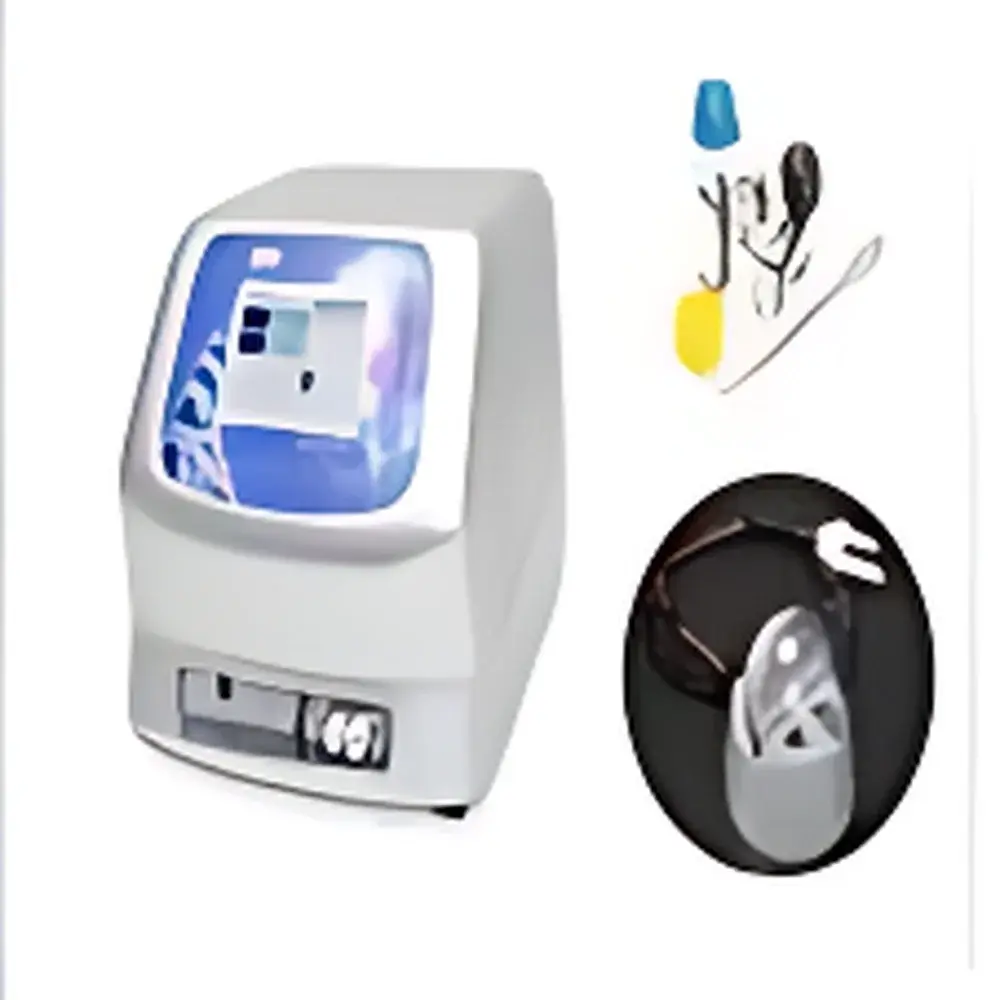
The BTX Gemini SC2 Dual-Wave Electroporator is a precision-engineered, benchtop electroporation system developed by Harvard Apparatus for advanced in vitro transfection, transformation, and macromolecule delivery. Designed around dual independent waveform architectures—square wave and exponential decay wave—the Gemini SC2 eliminates cross-waveform interference through hardware-isolated pulse generation circuits. This architectural separation ensures waveform fidelity, enabling reproducible delivery of nucleic acids, proteins, and small-molecule therapeutics into diverse cell types without compromise. Unlike legacy single-wave systems, the Gemini SC2 supports simultaneous parameter optimization for each waveform domain, allowing users to independently configure voltage, pulse duration, number of pulses, and inter-pulse intervals. Its integrated real-time resistance monitoring provides continuous feedback on sample conductance—critical for detecting buffer conductivity deviations, electrode contact issues, or impending arcing—thereby enhancing experimental repeatability and protecting both samples and instrumentation.
Key Features
- Dual independent waveform engines: Fully decoupled square wave and exponential decay wave generators with dedicated high-voltage switching topologies.
- Real-time resistance measurement (25–1575 Ω range, 25 Ω resolution): Monitors electrochemical load during pulse delivery to prevent arcing and optimize energy transfer.
- Active arc suppression circuitry: Detects and quenches transient arcs within microseconds, minimizing thermal damage to electrodes and biological samples.
- Comprehensive short-circuit protection: Hardware-level current limiting prevents damage to pulse capacitors and IGBT drivers under fault conditions.
- Touchscreen user interface with intuitive workflow navigation: Supports protocol creation, editing, recall, and export via USB.
- Preloaded library of validated protocols: Includes optimized settings for common mammalian cell lines (e.g., HEK293, CHO, Jurkat), primary neurons, bacteria (E. coli, Bacillus), yeast (S. cerevisiae), and plant protoplasts.
- Flexible pulse parameter resolution: Sub-millisecond timing control (1 µs steps for square wave microsecond pulses; 0.5 ms steps for exponential millisecond pulses) enables fine-tuned electroporation kinetics.
Sample Compatibility & Compliance
The Gemini SC2 accommodates standard BTX electroporation cuvettes (0.1–4 mm gap), custom electrodes, and optional in vivo applicators for localized tissue electroporation. It supports suspension cells, adherent monolayers (via lift-and-electroporate workflows), and high-throughput 96-well plate formats using compatible electrode arrays. All electrical safety and electromagnetic compatibility design conforms to IEC 61010-1 (Laboratory Equipment Safety) and IEC 61326-1 (EMC for Measurement/Control Equipment). The system carries CE marking and is registered with the U.S. FDA as a Class II medical device (510(k)-cleared for research use only). It meets GLP-relevant requirements for audit trail integrity when used with optional PC-based software logging (see Software & Data Management).
Software & Data Management
The Gemini SC2 operates autonomously via its embedded touchscreen OS but also integrates seamlessly with BTX Control Suite (Windows-based application) for remote operation, protocol synchronization, and electronic lab notebook (ELN) integration. The software logs timestamped pulse parameters, measured resistance values, and operator ID per run—supporting 21 CFR Part 11-compliant audit trails when deployed in regulated environments. Export options include CSV and XML formats compatible with LIMS and statistical analysis platforms (e.g., GraphPad Prism, Python pandas). Firmware updates are delivered via encrypted USB drive with version-controlled checksum verification.
Applications
- High-efficiency plasmid DNA and siRNA transfection in hard-to-transfect mammalian cells (e.g., primary T cells, dendritic cells, stem cells).
- Bacterial and yeast transformation with tunable field strength and time constants to preserve viability while maximizing uptake.
- Protein and CRISPR RNP delivery for genome editing without viral vectors.
- Electrochemotherapy preclinical studies using bleomycin or cisplatin in ex vivo tumor explants.
- Development of mRNA vaccine delivery protocols requiring precise membrane destabilization kinetics.
- Functional genomics screening in 96-well format using automated electroporation workstations.
FAQ
What distinguishes the Gemini SC2 from single-wave electroporators?
The Gemini SC2 employs physically isolated high-voltage circuits for square and exponential waveforms—eliminating signal crosstalk and enabling true independent optimization of each waveform’s electrical profile.
Can the Gemini SC2 be used for in vivo electroporation?
Yes—when paired with BTX’s sterile needle or paddle-type in vivo electrodes, the system delivers controlled pulses to superficial tissues (e.g., muscle, skin, tumors) under anesthesia, supporting preclinical gene therapy and immunotherapy studies.
How does resistance monitoring improve experimental outcomes?
Real-time resistance tracking identifies suboptimal buffer conductivity, electrode misalignment, or cell lysis prior to pulsing—reducing failed runs and improving inter-laboratory reproducibility.
Is the system compliant with FDA 21 CFR Part 11 requirements?
When operated with BTX Control Suite configured for audit-trail logging and user authentication, the system supports Part 11 compliance for electronic records and signatures in GxP environments.
What maintenance is required for long-term reliability?
No routine calibration is needed. Users should inspect cuvette contacts quarterly, clean the touchscreen with isopropyl alcohol, and verify firmware version annually against Harvard Apparatus’ security bulletin releases.