
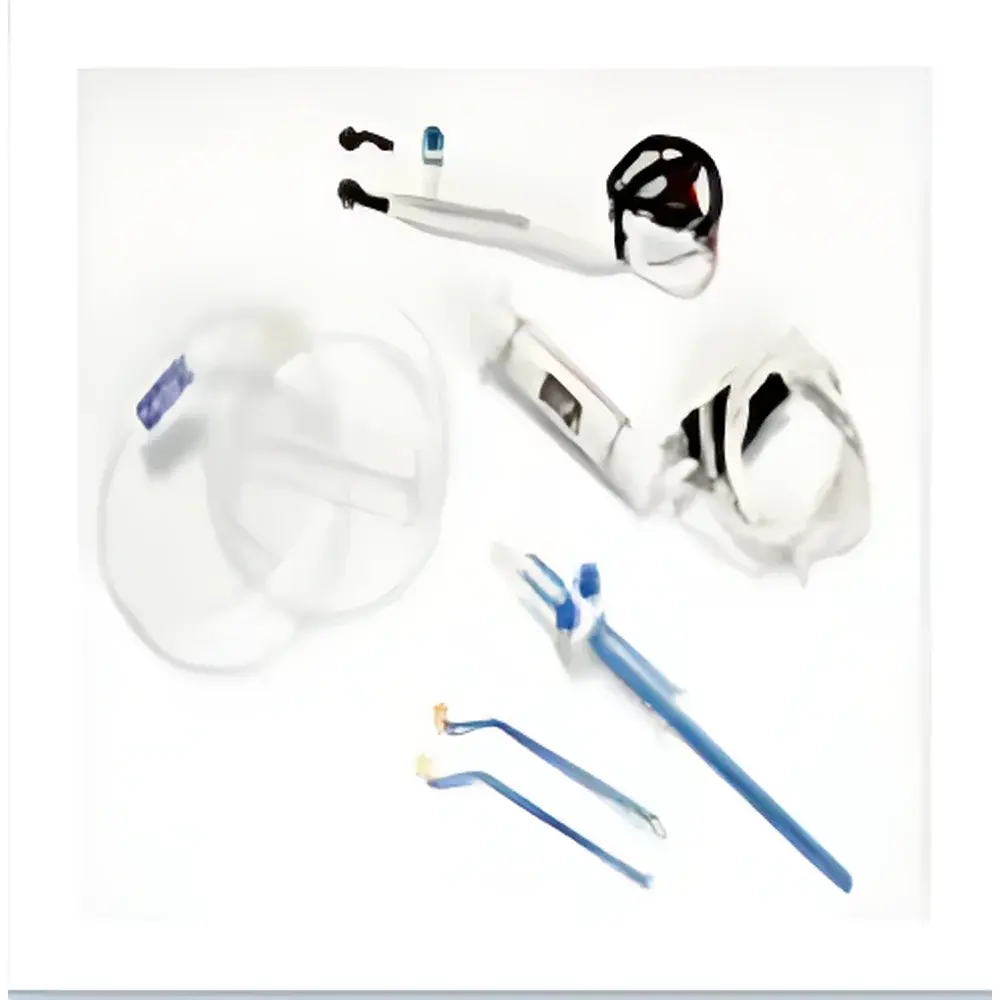
Harvard Apparatus BTX Live-Animal Electroporation Electrodes
Overview
The Harvard Apparatus BTX Live-Animal Electroporation Electrodes are a modular, application-optimized suite of reusable electrodes engineered for precise, low-damage delivery of nucleic acids, proteins, small molecules, and therapeutic agents into living tissues—both in vivo and ex vivo. These electrodes operate within the fundamental framework of electroporation: transient, reversible permeabilization of cell membranes via controlled high-voltage DC pulses (10 µs–99 ms duration), enabling molecular uptake without permanent structural compromise. Designed for integration with the Harvard Apparatus ECM 830 and ECM 2001 electroporators, each electrode type addresses distinct biological constraints—including tissue fragility, anatomical accessibility, sample geometry, and cellular density—while maintaining strict compliance with reproducible pulse parameter delivery. The system supports a broad voltage range (0–500 V DC), ensuring adaptability across diverse electrophysiological and transfection protocols in neuroscience, developmental biology, ophthalmology, oncology, and plant biotechnology.
Key Features
- Material-selective construction: Platinum (for high corrosion resistance and biocompatibility in neural, embryonic, and ocular applications), gold-plated stainless steel (for enhanced conductivity and durability in repeated embryo/ovary use), medical-grade stainless steel (for muscle and tumor targeting), and copper (for cost-effective, non-invasive caliper-based delivery in intact plant or large-muscle models).
- Geometric optimization per application: L-shaped platinum needles (3 mm tip) enable stereotactic intracranial delivery with minimal parenchymal disruption; tweezer-style electrodes provide adjustable inter-tip spacing (0.1–12 cm) for uterine or organ-specific targeting; caliper electrodes feature motorized spacing adjustment (0.1–13 cm) and interchangeable 1-, 1.5-, and 2-inch electrode plates for scalable field homogeneity.
- Reusability and sterilization compatibility: All electrodes withstand repeated cleaning with mild detergent, ethanol immersion (70–100%), and ethylene oxide (EtO) gas sterilization—validated for ≥1,500 cycles in Genetrodes and ≥500 cycles in platinum configurations under GLP-aligned laboratory practice.
- Pulse parameter fidelity: Each electrode maintains stable electrical impedance across its specified voltage range (0–100 V to 0–500 V DC) and pulse width window (10 µs–100 ms), minimizing arcing and thermal artifact during high-throughput or multi-pulse protocols.
- Modular mechanical design: Interchangeable electrode chambers (e.g., Petri dish formats with 8×5×3 mm and 10×15×5 mm cavities), detachable paddle arms, and standardized BNC or 524-series cable interfaces ensure seamless integration with existing ECM platforms and facilitate rapid experimental reconfiguration.
Sample Compatibility & Compliance
These electrodes support a wide spectrum of biological specimens: primary neuronal cultures, retinal explants, corneal epithelia, skeletal and cardiac muscle slices, embryonic zebrafish and mouse blastocysts, avian oocytes, murine uterine horns, and intact Arabidopsis seedlings. All designs conform to ISO 10993-5 (biological evaluation of medical devices – cytotoxicity) for material safety, and platinum/gold components meet ASTM F86 (standard practice for surface preparation and marking of metallic surgical implants). The ECM 830/2001 platform—when used with these electrodes—supports audit-ready operation under FDA 21 CFR Part 11-compliant software environments (via optional Harvard Apparatus DataTrak Suite), enabling electronic signatures, user access control, and immutable audit trails for GMP/GLP-regulated preclinical studies.
Software & Data Management
While the electrodes themselves are hardware components, their performance is fully leveraged through Harvard Apparatus’ proprietary electroporation control software. This software enables precise definition and storage of pulse parameters—including voltage amplitude, pulse width, number of pulses, and inter-pulse interval—for each electrode configuration. Protocols can be saved with metadata (user ID, date, sample ID, electrode lot number), exported in CSV or XML format for statistical analysis, and imported into LIMS systems. For laboratories operating under regulated quality frameworks, optional 21 CFR Part 11 modules provide role-based authentication, electronic signature capture, and time-stamped event logs—ensuring full traceability from pulse initiation to post-transfection viability assessment.
Applications
- Neuroscience: Stereotactic delivery of CRISPR-Cas9 ribonucleoproteins into murine hippocampal CA1 regions using L-shaped platinum needles.
- Developmental Biology: Electroporation of fluorescent reporters into chick neural tubes or Xenopus embryos via Genepaddles or Genetrodes.
- Ophthalmology: Transfection of AAV vectors into ex vivo porcine retina using Petri dish electrodes with 7×7 mm flat-end electrodes.
- Gene Therapy Research: Intramuscular delivery of plasmid-encoded monoclonal antibodies using 2-needle array electrodes (5 mm spacing) in C57BL/6 mice.
- Plant Biotechnology: Non-invasive delivery of siRNA into intact Arabidopsis thaliana leaves using caliper electrodes with 2-inch copper plates.
- Reproductive Biology: Nuclear transfer and cytoplasmic reprogramming in bovine oocytes using platinum Petri dish chambers with optimized 10×10×1 mm electrode geometry.
FAQ
Which electroporator models are compatible with BTX Live-Animal Electrodes?
All listed electrodes are validated for use with Harvard Apparatus ECM 830 and ECM 2001 electroporators, including full pulse parameter synchronization and impedance compensation.
Can platinum electrodes be autoclaved?
No—autoclaving causes irreversible embrittlement and surface oxidation of platinum. Ethylene oxide (EtO) gas sterilization or 70–100% ethanol immersion for ≥10 minutes is recommended.
What is the maximum recommended pulse count per electrode before recalibration or replacement?
Platinum and gold-plated electrodes maintain specification integrity for ≥1,500 pulses under standard operating conditions (≤200 V, ≤50 ms); stainless steel and copper variants are rated for ≥800 pulses with periodic visual inspection for pitting.
Are custom electrode geometries available for specialized tissue models?
Yes—Harvard Apparatus offers OEM engineering support for application-specific electrode design, including dimensional modification, material substitution, and interface adaptation for third-party pulse generators.
Do these electrodes meet regulatory requirements for IND-enabling toxicology studies?
Electrode materials comply with USP Class VI biocompatibility standards; when used with 21 CFR Part 11-enabled software and documented cleaning/sterilization SOPs, they support regulatory submission packages for early-phase gene therapy programs.




