
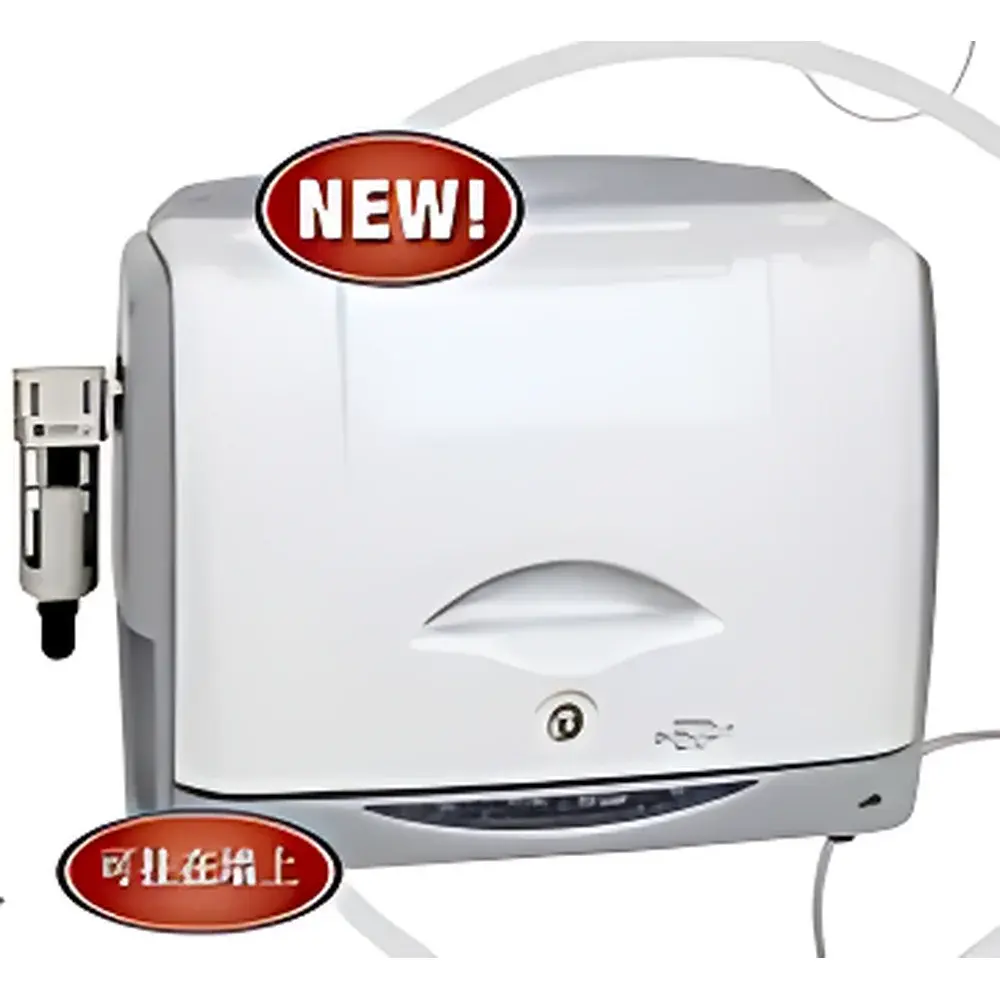
PerkinElmer Zero and Ultra Zero Air Generators
| Brand | PerkinElmer |
|---|---|
| Origin | USA |
| Model | Zero and Ultra Zero |
| Hydrocarbon Removal Principle | Catalytic Oxidation (FID-compatible) |
| Output Flow Rate | 1.5–30.0 L/min (model-dependent) |
| Maximum Continuous Flow | 1.5 L/min (Zero series), up to 30.0 L/min (Ultra Zero series) |
| Hydrocarbon Content | < 0.1 ppm (C1–C6, as methane equivalent) |
| Dew Point | ≤ –70 °C (Ultra Zero, 1.5 L/min model) |
| CO Concentration | < 5 ppm (Ultra Zero, 1.5 L/min) |
| NOₓ Concentration | < 0.1 ppm (Ultra Zero, 1.5 L/min) |
| Power Requirement | 115/230 VAC, 250–500 W (model-dependent) |
Overview
The PerkinElmer Zero and Ultra Zero Air Generators are engineered laboratory-grade gas purification systems designed to produce high-purity, instrument-quality zero air for analytical applications requiring ultra-low hydrocarbon, CO, and NOx background levels. Unlike compressed-air-based systems, these units generate clean air *de novo* via catalytic oxidation and multi-stage desiccant/dryer purification—eliminating dependency on external compressed air sources and associated contamination risks. The core process involves drawing ambient air through a particulate filter, followed by catalytic conversion of hydrocarbons to CO2 and H2O at elevated temperature, then deep removal of moisture via integrated desiccant beds and optional cryogenic or membrane-based drying stages. This architecture ensures consistent compliance with stringent analytical standards—including ASTM D6216 (for zero air in ambient air monitoring), EPA Method TO-14/TO-15 calibration gas preparation, and GC-FID/GC-MS carrier and detector gas requirements—where baseline stability and chromatographic peak integrity are non-negotiable.
Key Features
- True zero-air generation without external compressed air supply—reduces infrastructure dependency and eliminates oil vapor, particulate, and moisture ingress from compressors.
- Catalytic hydrocarbon oxidation system validated to deliver < 0.1 ppm total hydrocarbons (as methane), meeting or exceeding EPA and ISO 8573-1 Class 1 purity requirements for gaseous contaminants.
- Dual-stage desiccant and molecular sieve drying yielding dew points as low as –70 °C (Ultra Zero, N9307081 model), critical for trace-level VOC analysis and long-term GC column stability.
- Integrated thermal and pressure regulation across all models; Ultra Zero variants include real-time sensor feedback loops for flow, dew point, and contaminant breakthrough monitoring.
- Modular design with standardized electrical interface (115/230 VAC) and compact footprint—compatible with benchtop, cart-mounted, or rack-integrated lab configurations.
- CE-marked and RoHS-compliant construction; all electronics conform to IEC 61000-4 electromagnetic compatibility standards.
Sample Compatibility & Compliance
These generators support continuous operation with gas chromatographs (GC), gas chromatography–mass spectrometers (GC-MS), flame ionization detectors (FID), photoionization detectors (PID), and ambient air quality analyzers (e.g., ozone monitors, NOx chemiluminescence systems). Each model is factory-verified against traceable NIST-traceable calibration protocols. The Ultra Zero series meets the purity thresholds required for US EPA Method TO-15 validation studies and ASTM D5504 sulfur compound analysis. All units comply with ISO/IEC 17025 documentation requirements for certified reference gas generation when operated within specified environmental conditions (15–30 °C ambient, < 80% RH). No regulatory exemption applies—these are not medical devices nor intended for breathing air use.
Software & Data Management
While the Zero and Ultra Zero generators operate as standalone hardware units without embedded firmware or network connectivity, they are fully compatible with PerkinElmer’s suite of instrument control and data audit tools. When integrated into GC or GC-MS workflows using PerkinElmer TurboMass or Chromera CDS software, generator operational logs—including runtime hours, power cycling events, and service interval alerts—can be archived alongside analytical runs. For GLP/GMP environments, users may configure external PLC-based logging or integrate with LabVantage or Thermo Fisher SampleManager LIMS via Modbus RTU (optional RS-485 interface kit, part #N9307090). Full maintenance history tracking—including desiccant cartridge replacement dates and catalyst bed lifetime counters—is supported through PerkinElmer’s ServiceConnect portal (access requires valid service contract).
Applications
- Calibration gas standard preparation for EPA Method TO-14A, TO-15, and ASTM D5504 in environmental laboratories.
- Carrier and makeup gas for GC-FID analysis of volatile organic compounds (VOCs) in soil, water, and indoor air samples.
- Detector gas for GC-MS systems operating in selected ion monitoring (SIM) mode where hydrocarbon-induced chemical noise must be minimized.
- Baseline stabilization in continuous ambient air monitoring stations (e.g., Photochemical Assessment Monitoring Stations, PAMS).
- Reference gas supply for FTIR and cavity ring-down spectroscopy (CRDS) platforms requiring sub-ppb reactive gas interference limits.
- Lab-scale inert atmosphere purging during sample preparation for trace metal or speciation analysis (e.g., Hg0, methylmercury).
FAQ
What is the difference between the Zero and Ultra Zero series?
The Zero series delivers < 0.1 ppm hydrocarbons and ambient dew point (~0 °C); the Ultra Zero series adds deep desiccation (dew point ≤ –70 °C), lower CO/NOx residuals (< 5 ppm CO, < 0.1 ppm NOx), and enhanced flow stability for high-sensitivity detection.
Do these generators require an external air compressor?
No—they draw ambient air directly and condition it internally. No compressed air feed line, oil separator, or coalescing filter is needed.
How often must the desiccant cartridges be replaced?
Under typical lab conditions (23 °C, 50% RH), replacement is recommended every 6–12 months for Zero models and every 12–18 months for Ultra Zero models—monitoring dew point drift beyond specification triggers service.
Are consumables and service parts available globally?
Yes—PerkinElmer maintains regional distribution centers for desiccant kits (part #N9307070 series), catalyst modules (N9307060), and OEM filters (N9307050), with lead times under 5 business days in EMEA, APAC, and Americas regions.
Can the generator be validated per ISO/IEC 17025?
Yes—factory calibration certificates include uncertainty budgets traceable to NIST SRM 1860a; users may perform in-house verification using certified gas standards (e.g., Scott-Marrin 0.1 ppm methane in air, Lot #ZAI-XXXXX).



