
Henven HSC Series Thermal Analysis System – Heat-Flow Differential Scanning Calorimeter
| Brand | Henven |
|---|---|
| Origin | Beijing, China |
| Manufacturer Type | Direct Manufacturer |
| Origin Category | Domestic (China) |
| Model | HSC |
| Price Range | USD 12,000–25,500 (FOB) |
| Sample Capacity | Single-sample configuration |
| Instrument Type | Heat-Flow DSC |
| Temperature Range | Ambient to +680 °C |
| Programmable Temperature Control | Heating, Isothermal hold, Cooling |
| Temperature Accuracy | ±0.1 °C |
| Operating Mode | Fully automated |
| Heating/Cooling Rate | 0.1–100 K/min |
| Scan Modes | Dynamic heating, isothermal, dynamic cooling |
| Temperature Precision | ±0.1 °C |
| DSC Signal Range | ±500 mW |
| Temperature Stability (Drift) | ≤0.1 °C over 30 min |
| DSC Noise Level | ±0.1 μW |
| DSC Resolution | ±0.1 μW |
| Baseline Repeatability | <0.5 μW over 24 h |
| Atmosphere Control | Dual-channel mass flow controlled (MFC), 10–200 mL/min per channel, software-switchable gas routing |
| Standard Crucibles | Al₂O₃, high-purity Al (0.06 mL capacity) |
| Optional Crucibles | Sealed Al (solid/liquid), ZrO₂, quartz, graphite, Pt/Rh |
| Interface | RS-232 & USB 2.0 |
| Remote Diagnostics & Calibration Support | Yes (via secure TCP/IP connection) |
Overview
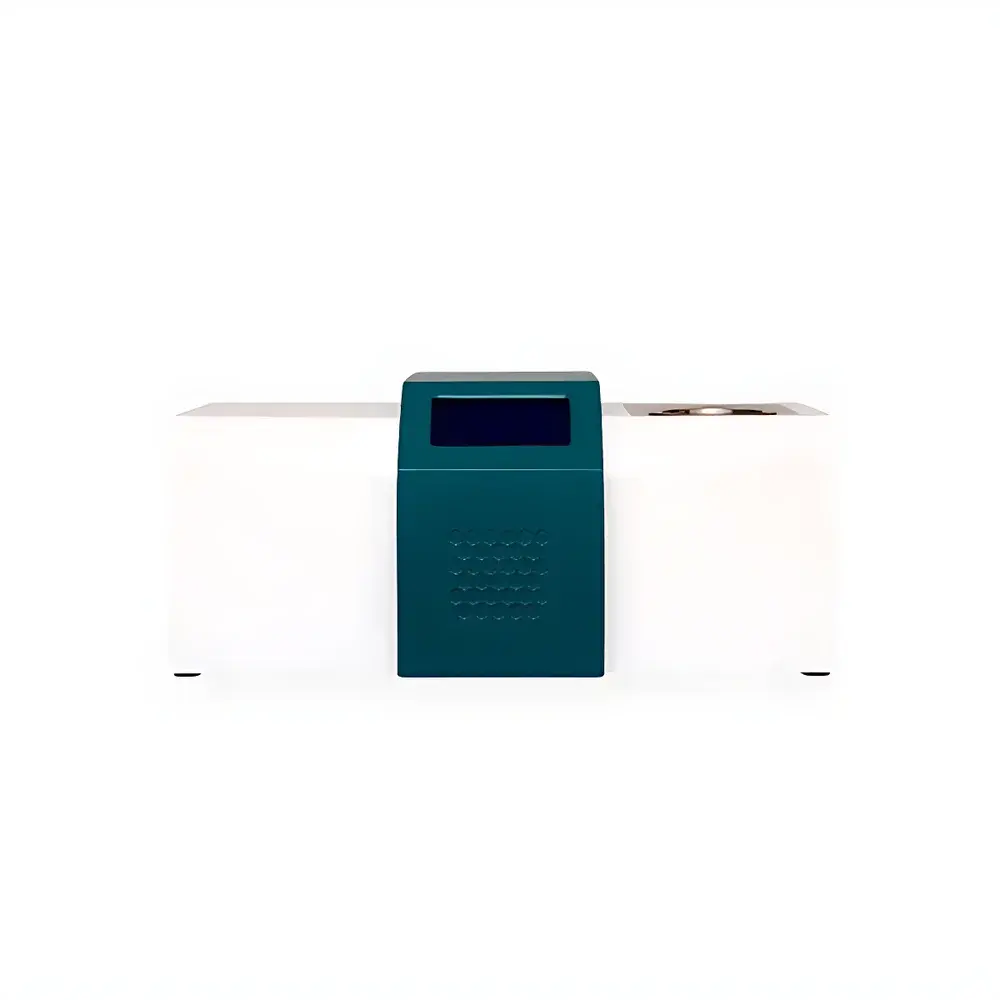
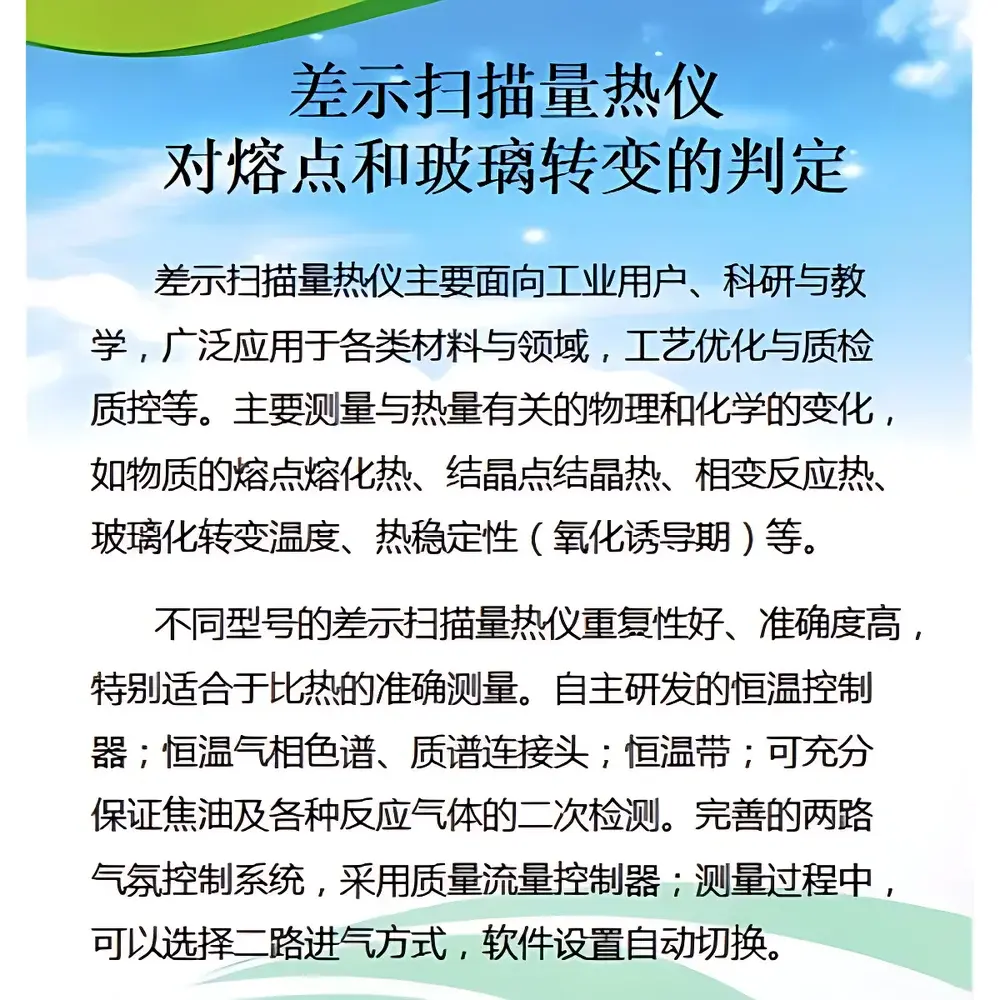
The Henven HSC Series is a precision-engineered heat-flow differential scanning calorimeter (DSC) designed for rigorous thermal characterization in academic research laboratories, industrial R&D centers, and quality control environments. Based on the fundamental principle of heat-flow DSC—where the differential heat flux between a sample and inert reference is measured under precisely controlled temperature programs—the HSC enables quantitative analysis of endothermic and exothermic transitions across a broad thermal window. Its modular thermal architecture supports four operational configurations (HSC-1 through HSC-4), accommodating applications ranging from polymer melt behavior at ambient conditions to low-temperature glass transitions in pharmaceuticals and cryogenic phase changes in advanced ceramics. The instrument complies with core thermal analysis standards including ASTM E794 (melting point), ASTM E1356 (glass transition), ISO 11357 (polymer DSC), and USP <1151> for pharmaceutical thermal profiling.
Key Features
- Integrated monolithic furnace-controller design minimizes thermal lag and signal attenuation, enhancing baseline stability and reproducibility.
- Dual thermocouple monitoring: independent real-time measurement of sample temperature (Type K) and furnace block temperature—enabling dynamic thermal gradient correction and accurate kinetic modeling.
- High-fidelity heat-flow detection with ±0.1 μW resolution and noise floor, optimized for low-enthalpy events such as subtle polymorphic transitions or early-stage oxidation induction.
- Programmable dual-gas atmosphere system with mass flow controllers (MFCs), supporting inert (N₂, Ar), oxidative (air, O₂), or reactive (CO, H₂) environments with automated switching during multi-step protocols.
- Modular cryogenic extension options—including mechanical refrigeration (-30 °C), cascade Peltier (-60 °C), and liquid nitrogen cooling (-150 °C)—ensure full compatibility with ISO 22764 (cryo-DSC) requirements.
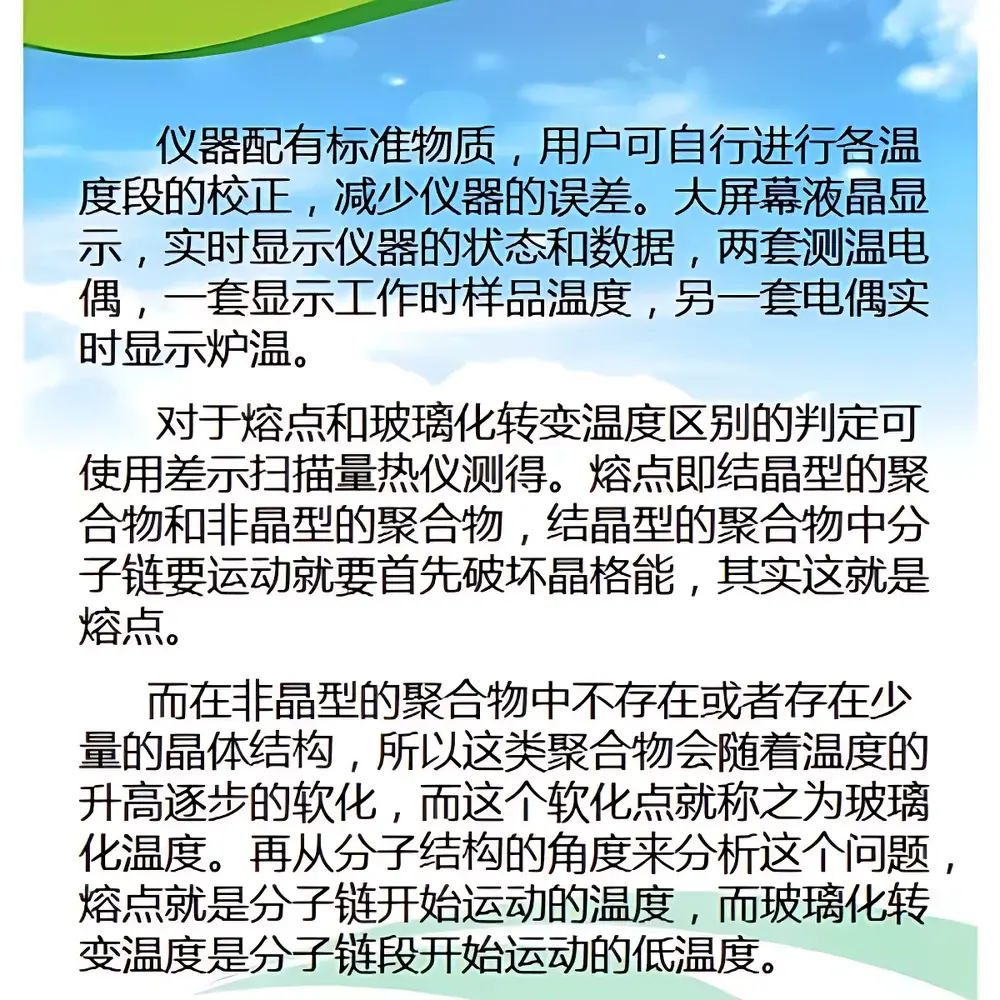
- Self-calibrating architecture: includes certified reference materials (In, Sn, Pb, Zn, Al) for traceable temperature and enthalpy calibration per ISO 17025 guidelines; user-executable calibration routines eliminate dependency on field service.
- Remote diagnostics and firmware update capability via encrypted internet connection—supports GLP-compliant audit trails and remote validation (21 CFR Part 11 compliant data handling optional).
Sample Compatibility & Compliance
The HSC accommodates standard and specialized crucibles—including Al₂O₃ (inert, high-temp), high-purity Al (for routine screening), sealed Al (for volatile or moisture-sensitive samples), ZrO₂ (for aggressive melts), quartz (UV-transparent), graphite (reducing atmospheres), and Pt/Rh (corrosive halide systems). All crucibles feature 0.06 mL nominal volume and are compatible with automated sample loading accessories (optional). The system meets IEC 61000-6-3 EMC standards and operates within Class II laboratory safety specifications. Data acquisition and reporting modules support GMP/GLP workflows, with configurable electronic signatures, version-controlled method storage, and immutable raw-data archiving. Optional integration with LIMS via ASTM E1482-compliant XML export ensures seamless alignment with enterprise QA infrastructure.
Software & Data Management
HenvenTherm v5.2 software provides ISO/IEC 17025-aligned data acquisition, processing, and reporting. Key capabilities include adaptive baseline subtraction (tangent, linear, polynomial, or user-defined spline), automatic peak identification with onset/peak/endset determination, kinetic analysis (Ozawa-Flynn-Wall, Kissinger), oxidation induction time (OIT) calculation per ASTM D3895, and specific heat capacity (Cp) determination using sapphire reference method. All reports are exportable in PDF, CSV, and proprietary .HTD formats—with embedded metadata (operator ID, instrument serial, calibration timestamp, environmental log). Audit trail functionality records every parameter change, file modification, and report generation event. Software validation packages (IQ/OQ/PQ documentation templates) are available upon request for regulated environments.
Applications
- Polymers: Crystallinity quantification, cold crystallization kinetics, melting enthalpy, degradation onset, crosslink density estimation.
- Pharmaceuticals: Polymorph screening, hydrate/anhydrate transitions, excipient compatibility, amorphous content assessment, stability-indicating assay development.
- Metals & Ceramics: Solidus/liquidus determination, eutectic reaction enthalpies, phase diagram validation, sintering behavior.
- Foods & Lipids: Solid fat content (SFC) profiling, polymorphic fat transformation (β’→β), gelatinization enthalpy, shelf-life prediction via OIT.
- Batteries & Electrolytes: SEI formation temperature, cathode thermal runaway thresholds, electrolyte decomposition onset.
- Composites & Adhesives: Cure kinetics, residual stress evolution, post-cure exotherms, filler-matrix interfacial reactions.
FAQ
What temperature calibration standards are included with the HSC?
Certified reference materials for indium, tin, lead, zinc, and aluminum are supplied with each system, enabling full temperature and enthalpy calibration across the operational range.
Can the HSC be integrated into an automated sample changer or robotic lab platform?
Yes—RS-232 and USB interfaces support third-party automation controllers; optional motorized auto-sampler (up to 24 positions) is available with synchronized gas purge and lid actuation.
Is the software compliant with 21 CFR Part 11 for regulated pharmaceutical testing?
The base software supports audit trail and electronic signature features; full 21 CFR Part 11 compliance requires installation of the validated GxP Edition package with role-based access control and digital certificate management.
What is the typical turnaround time for factory recalibration and certification?
Standard recalibration and ISO 17025-certified revalidation require 5 business days from receipt at Henven’s Beijing Calibration Center; expedited service (3-day) is available with prior scheduling.
Does the HSC support modulated DSC (MDSC®) or only conventional heat-flow DSC?
The HSC Series implements classical heat-flow DSC architecture; MDSC functionality is not supported. For advanced separation of reversing/non-reversing heat flow, users should consider Henven’s upcoming Q-series DSC platform (scheduled Q4 2025 release).



