
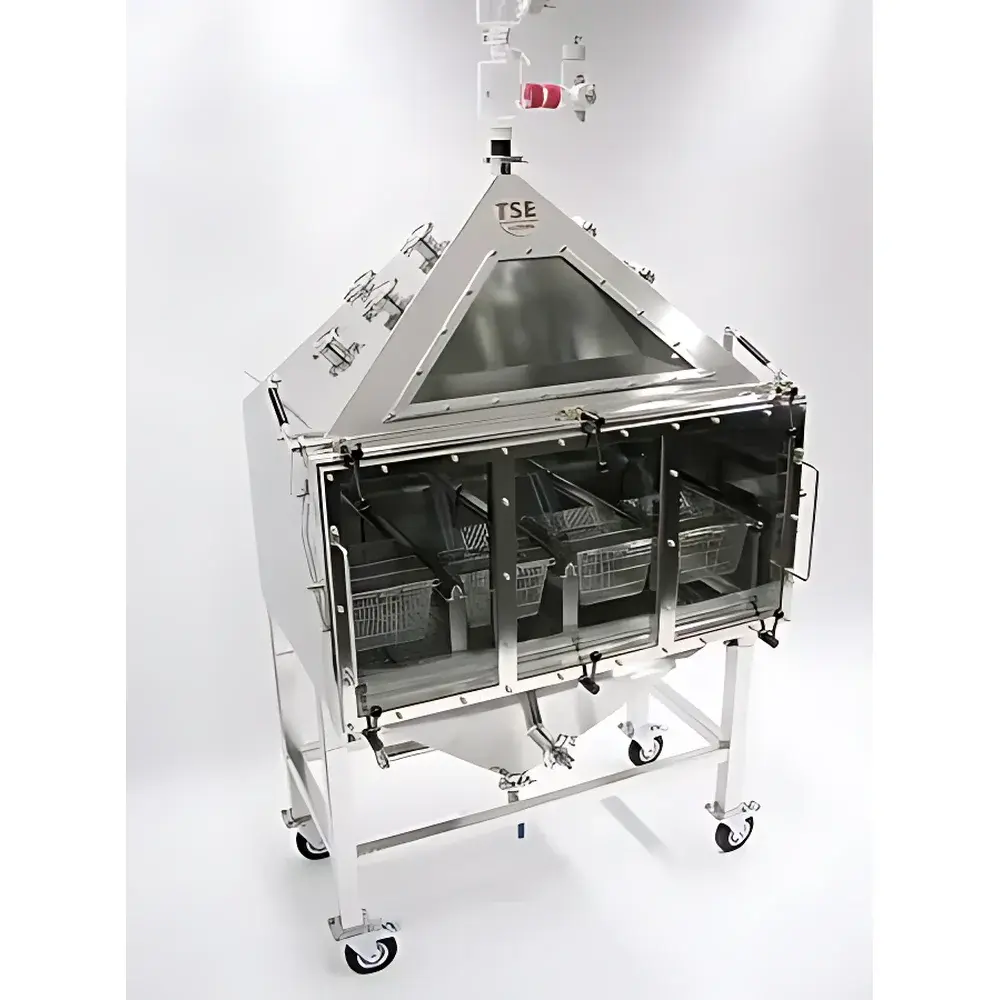
Whole Body Inhalation Exposure System by TSE Systems
| Brand | TSE Systems |
|---|---|
| Origin | Germany |
| Model | Whole Body Units |
| Construction | Stainless Steel |
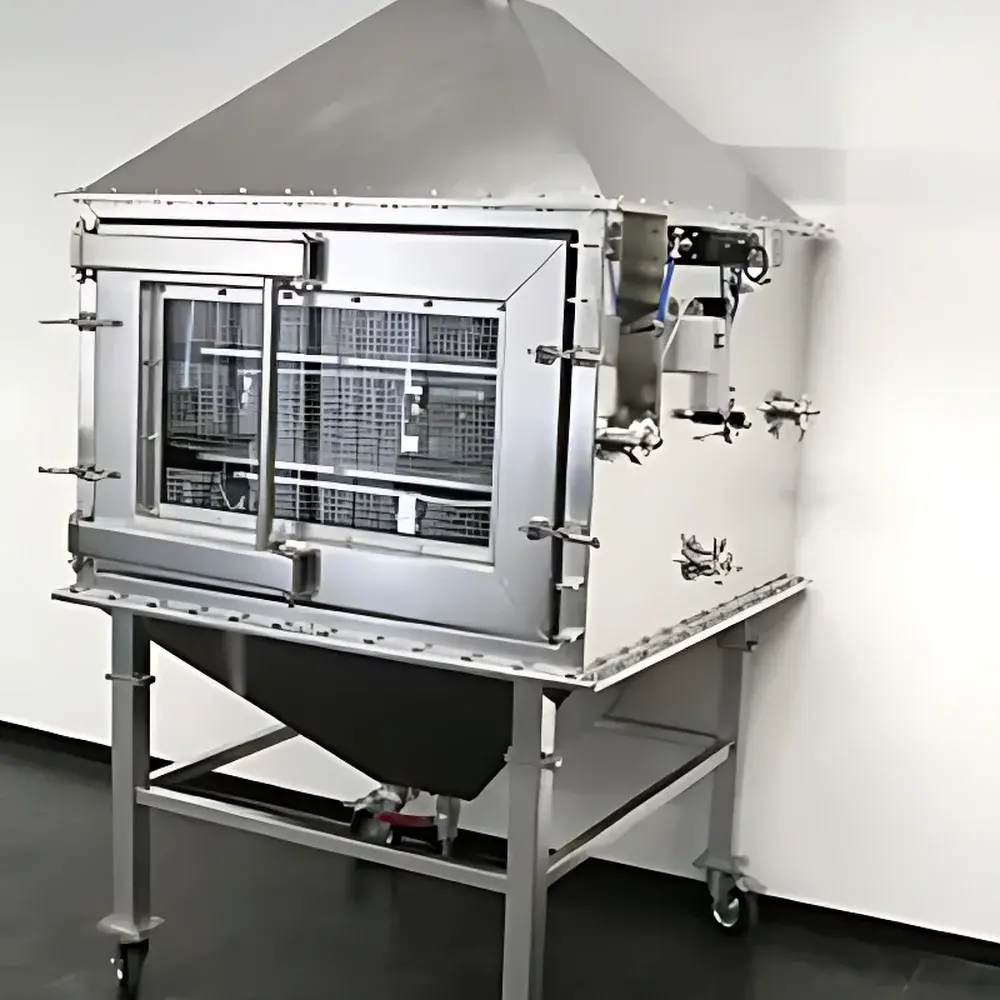
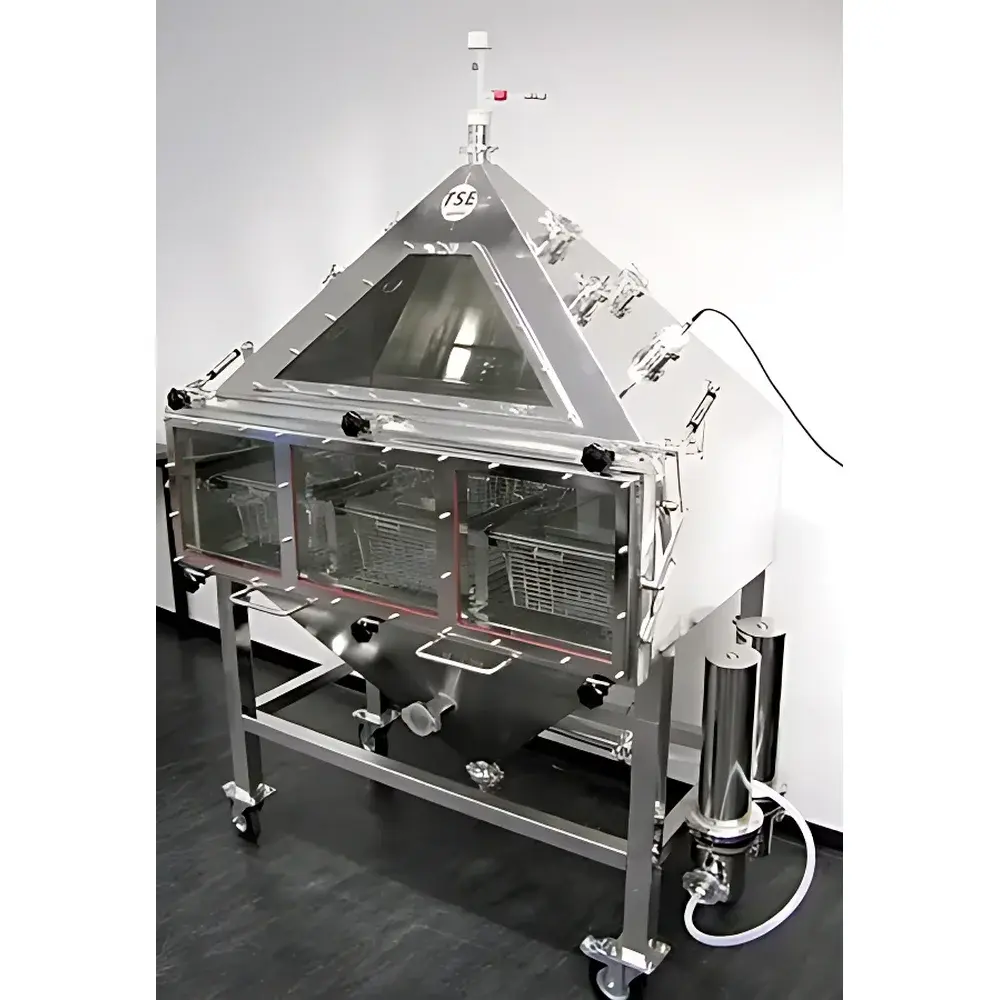
| Chamber Geometry | Oval-Rectangular with Pyramidal End Caps |
| Exposure Mode | Static and Dynamic (Flow-Through) |
| Animal Compatibility | Rodents (Mice, Rats, Hamsters, Guinea Pigs) |
| Configurable Port Count | Customizable Inlet/Outlet/Sampling Ports |
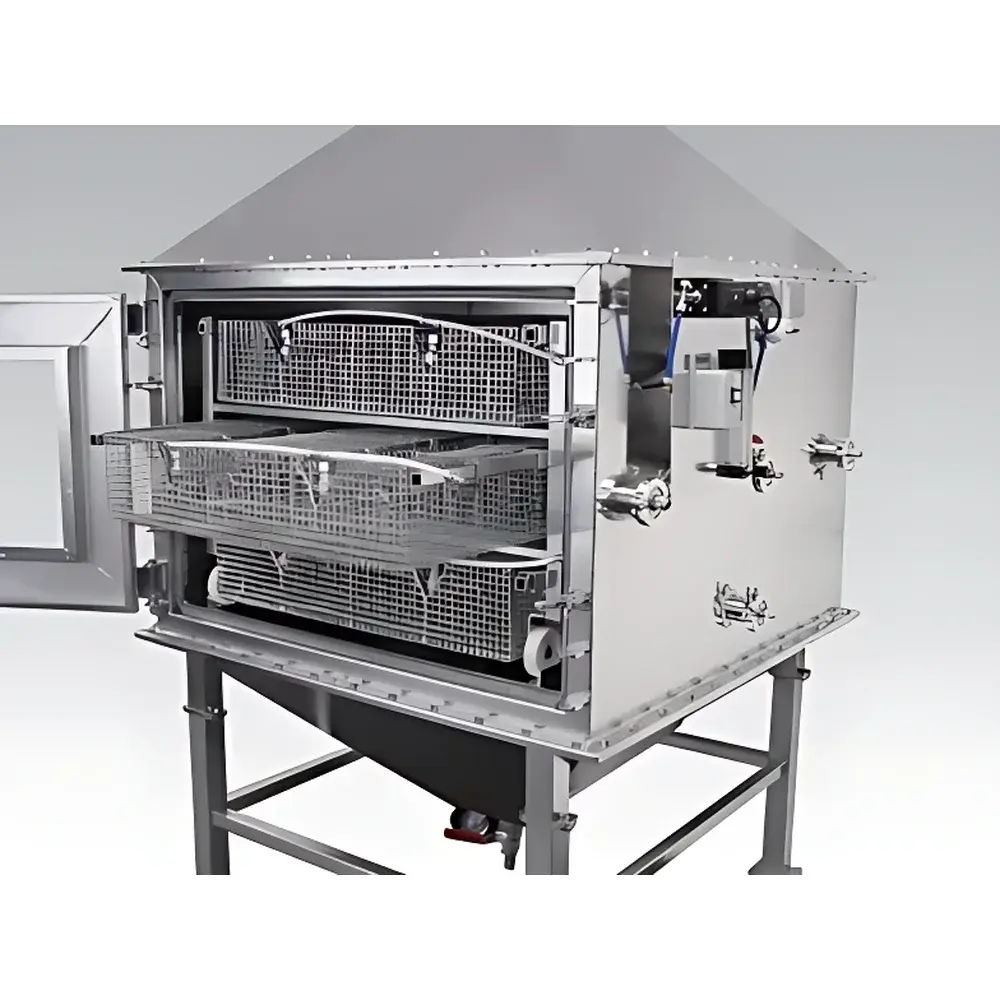
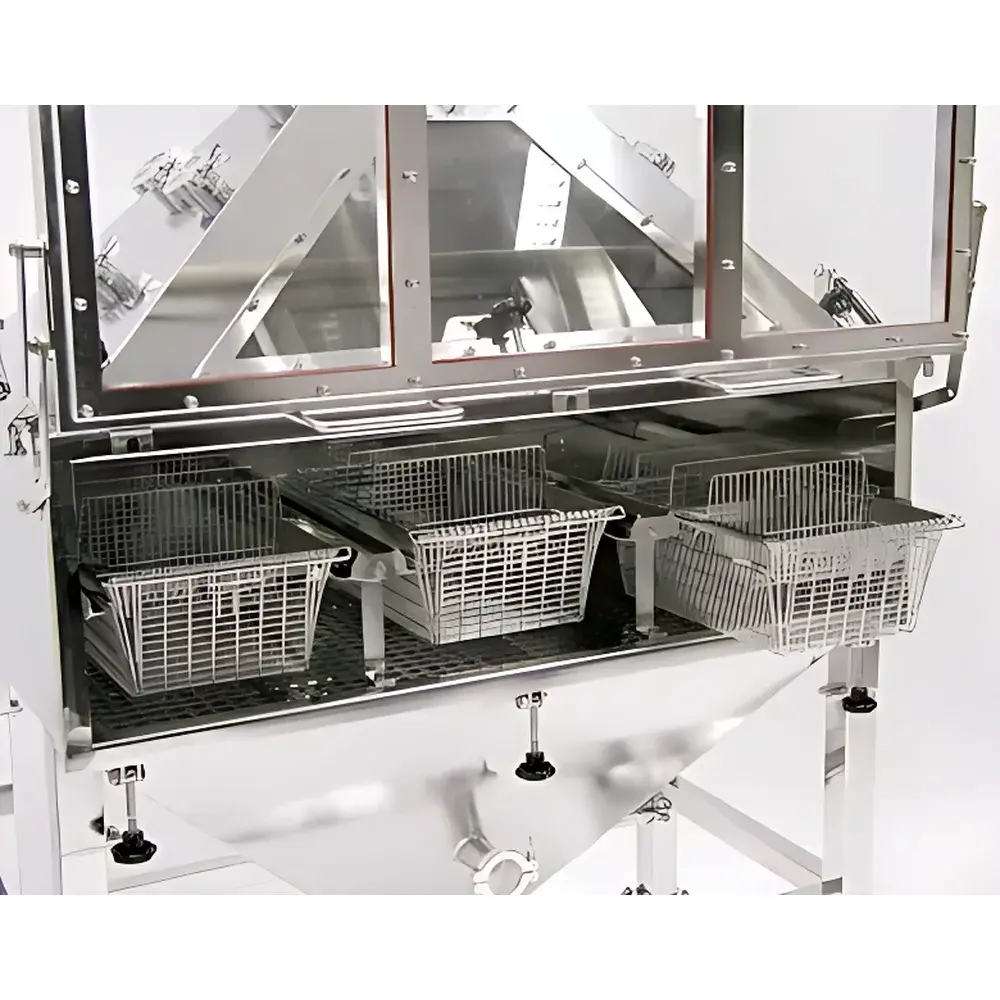
| Optional Features | Polycarbonate Observation Windows (Safety Glass), Integrated Cage Racks, Onboard Flow Monitoring Inlets, Modular Water Supply Integration |
| Compliance Framework | Designed to Support OECD 412, OECD 413, ASTM E1708, ISO 10993-12, and GLP-Conformant Study Execution |
Overview
The TSE Systems Whole Body Inhalation Exposure System is an engineered platform for controlled, reproducible, and physiologically relevant inhalation toxicology studies in rodents. Based on the principle of whole-body exposure—where animals breathe freely within a sealed chamber—the system enables homogeneous distribution of test atmospheres (gases, vapors, liquid aerosols, or dry powders) under either static (headspace) or dynamic (flow-through) conditions. Its signature chamber geometry—an oval-rectangular main body terminating in pyramidal end caps—minimizes dead-volume zones and promotes laminar, uniform airflow patterns across the entire animal housing zone. This design ensures consistent dose delivery per unit time and mass, critical for regulatory-grade repeat-dose and subchronic inhalation studies aligned with OECD Test Guidelines 412 (28-day) and 413 (90-day), as well as EPA OPPTS 870.3465 and ISO 10993-12 requirements for biocompatibility assessment of medical device leachables.
Key Features
- Modular stainless steel construction (AISI 316L grade) with electropolished interior surfaces, ensuring corrosion resistance, cleanability, and compatibility with aggressive test agents including chlorine, ozone, and organic solvents.
- Customizable chamber volume and footprint: Standard configurations range from 0.5 m³ to 3.0 m³; scalable designs accommodate single-species or multi-species cohorts (e.g., simultaneous rat/mouse exposures).
- Integrated flow monitoring: Precision-matched inlet manifolds with calibrated mass flow meters (±1% FS accuracy) and real-time pressure differential sensors enable continuous verification of chamber residence time and air exchange rate (ACH).
- Multi-port architecture: Up to 12 configurable ports per chamber—including aerosol/gas inlets, exhaust lines, isokinetic sampling taps, and optional humidity/temperature/CO₂ monitoring interfaces—pre-wired and labeled per ISO 8573-1 cleanliness class.
- Animal welfare–integrated infrastructure: Standard cage racks support TSE-certified stainless steel cages (ISO 11784/11785 RFID-compatible); optional automatic watering systems with non-drip valves and drip trays meet AAALAC International housing standards.
- Safety-rated observation: 15 mm-thick polycarbonate viewing windows (EN 12600 Class P2A impact resistance) permit uninterrupted behavioral monitoring without compromising atmospheric integrity or requiring chamber depressurization.
Sample Compatibility & Compliance
The system supports exposure to gaseous compounds (e.g., NO₂, SO₂, ozone), volatile organic compounds (VOCs), nebulized pharmaceuticals (e.g., monoclonal antibody formulations), and respirable dry powders (MMAD 1–5 µm, GSD < 2.0). All wetted components comply with USP Class VI and FDA 21 CFR Part 11 requirements for material certification. Chamber validation includes ISO 14644-1 Class 7 particulate testing, traceable thermohygrometric mapping (±0.3°C / ±2% RH), and aerosol uniformity assessment per ASTM E1708 Annex A2. Documentation packages include IQ/OQ protocols, calibration certificates for all integrated sensors, and full traceability to NIST standards—essential for GLP audits and regulatory submission dossiers (e.g., REACH, PMDA, Health Canada).
Software & Data Management
TSE’s ExposControl™ v4.2 software provides centralized control of exposure parameters (flow rate, temperature, relative humidity, O₂/CO₂ levels), automated logging at 1-second intervals, and export-ready CSV/Excel reports compliant with ALCOA+ principles. Audit trails record all user actions, parameter changes, and alarm events with electronic signatures. The system supports 21 CFR Part 11-compliant user role management (Admin, Operator, Reviewer), encrypted database storage, and seamless integration with LIMS platforms via HL7 or RESTful API. Raw data files are archived with SHA-256 checksums and time-stamped digital signatures to satisfy ICH M7 and ICH E6(R3) data integrity expectations.
Applications
- Regulatory inhalation toxicology: 28-day, 90-day, and chronic studies per OECD 412, 413, and 418 guidelines.
- Inhalable drug development: PK/PD evaluation of dry powder inhalers (DPIs), soft mist inhalers (SMIs), and nebulized biologics.
- Environmental health research: Nanomaterial respiratory deposition modeling, wildfire smoke component toxicity screening, and urban air pollutant mixture effects.
- Medical device safety: Leachable vapor testing of polymer-based implants, sterilant residuals (e.g., EtO, hydrogen peroxide), and packaging off-gassing assessments.
- Veterinary pharmacology: Species-specific dose-response characterization in guinea pigs and hamsters where head-only systems are impractical.
FAQ
What rodent species are validated for use with this system?
Mice (C57BL/6, BALB/c), rats (Sprague-Dawley, Wistar), Syrian hamsters, and Hartley guinea pigs have been experimentally validated across all standard chamber configurations.
Can the system be validated for Good Laboratory Practice (GLP) compliance?
Yes—TSE provides full IQ/OQ documentation kits, certified calibration records, and on-site qualification support traceable to ISO/IEC 17025-accredited laboratories.
Is remote monitoring supported during long-term exposures?
ExposControl™ enables secure web-based access to real-time chamber status, historical trends, and alarm notifications via TLS 1.2–encrypted connections.
How is aerosol uniformity verified across the chamber volume?
Uniformity is confirmed using cascade impactor sampling at ≥6 spatially distributed locations per ISO 10993-12 Annex C, with coefficient of variation (CV) maintained below 15% for MMAD and total mass concentration.
Are spare parts and service contracts available globally?
TSE maintains regional technical hubs in the EU, USA, and APAC; all critical wear components (seals, filters, flow sensors) are stocked with ≤5-business-day lead time under extended warranty agreements.



