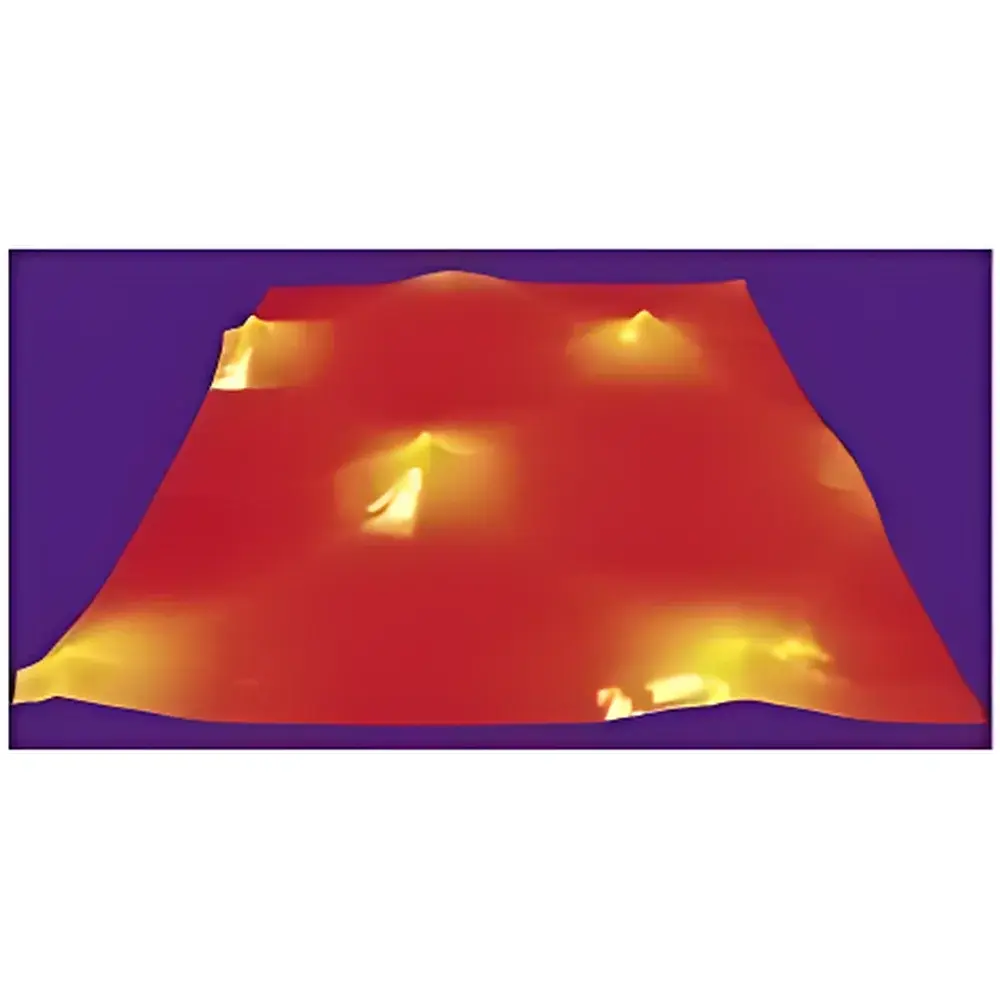
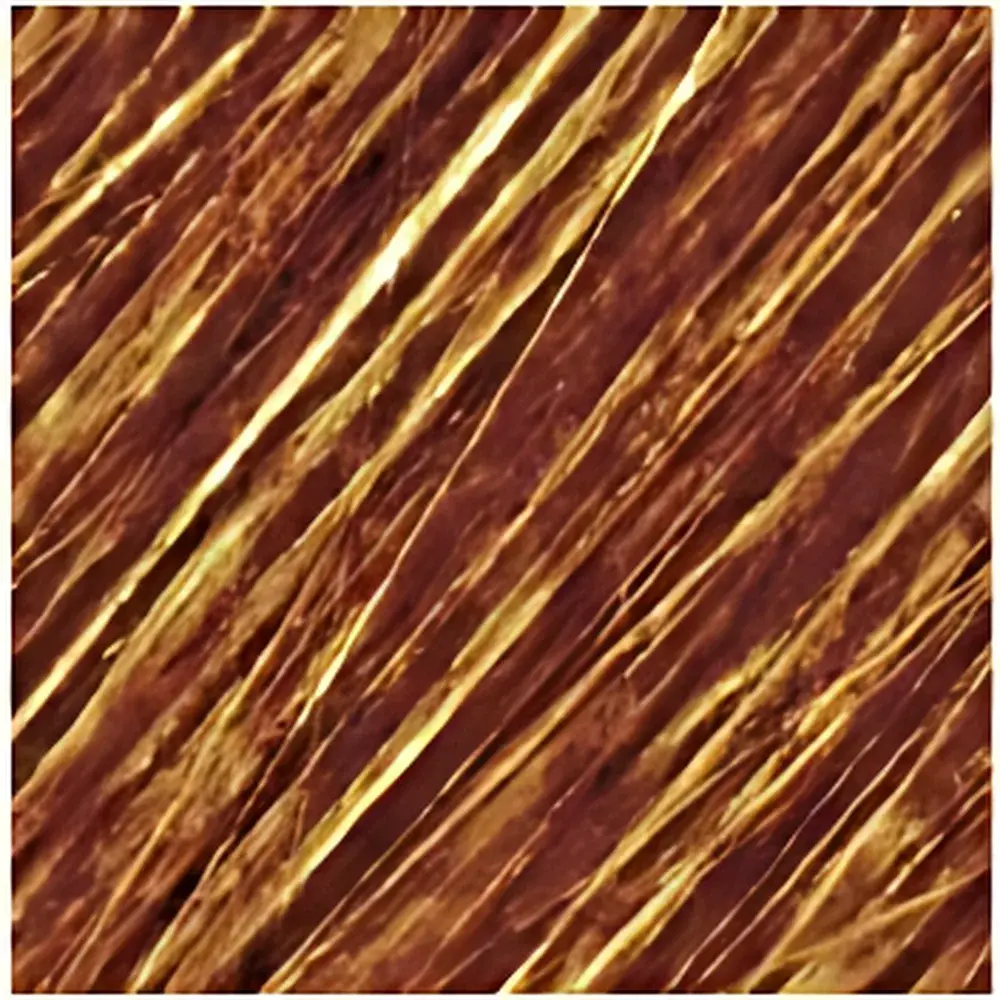
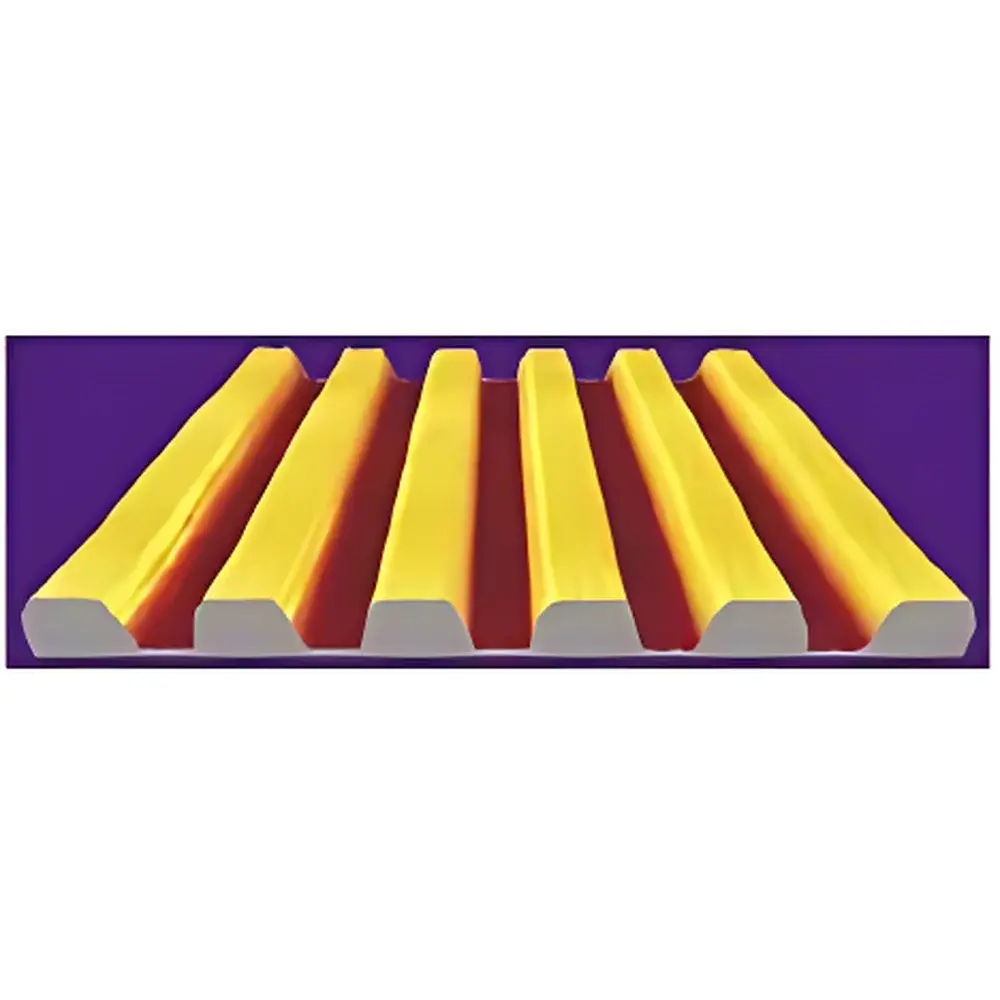
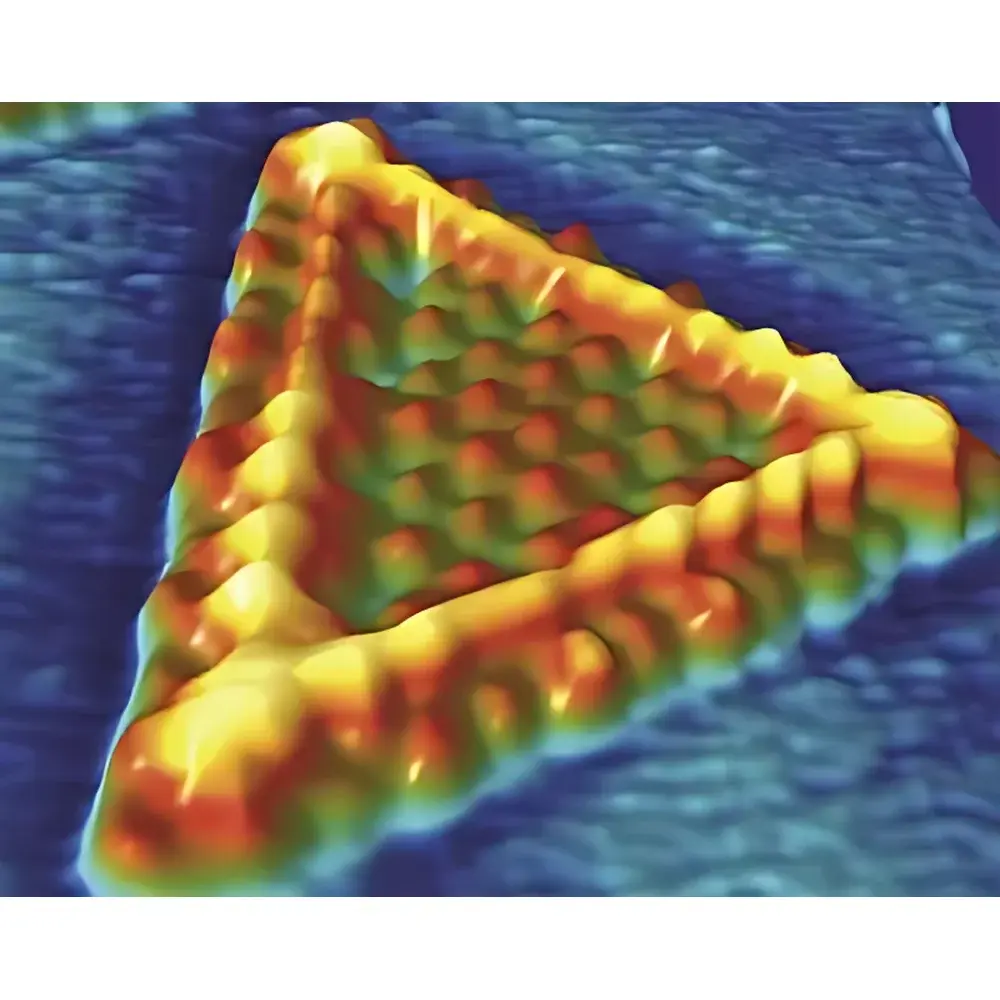
SPIP 3D Surface Analysis Software by Image Metrology
| Brand | Image Metrology |
|---|---|
| Origin | USA |
| Model | SPIP v6.0.14 |
| File Format Support | 92 native SPM/AFM/STM data formats |
| Compliance | ASTM E2528-22 (Standard Guide for SPM Data Analysis), ISO/IEC 17025-aligned workflows |
| Deployment | Windows 10/11 (64-bit), MATLAB R2018a+ integration supported |
| Licensing | Concurrent floating license or node-locked perpetual license |
Overview
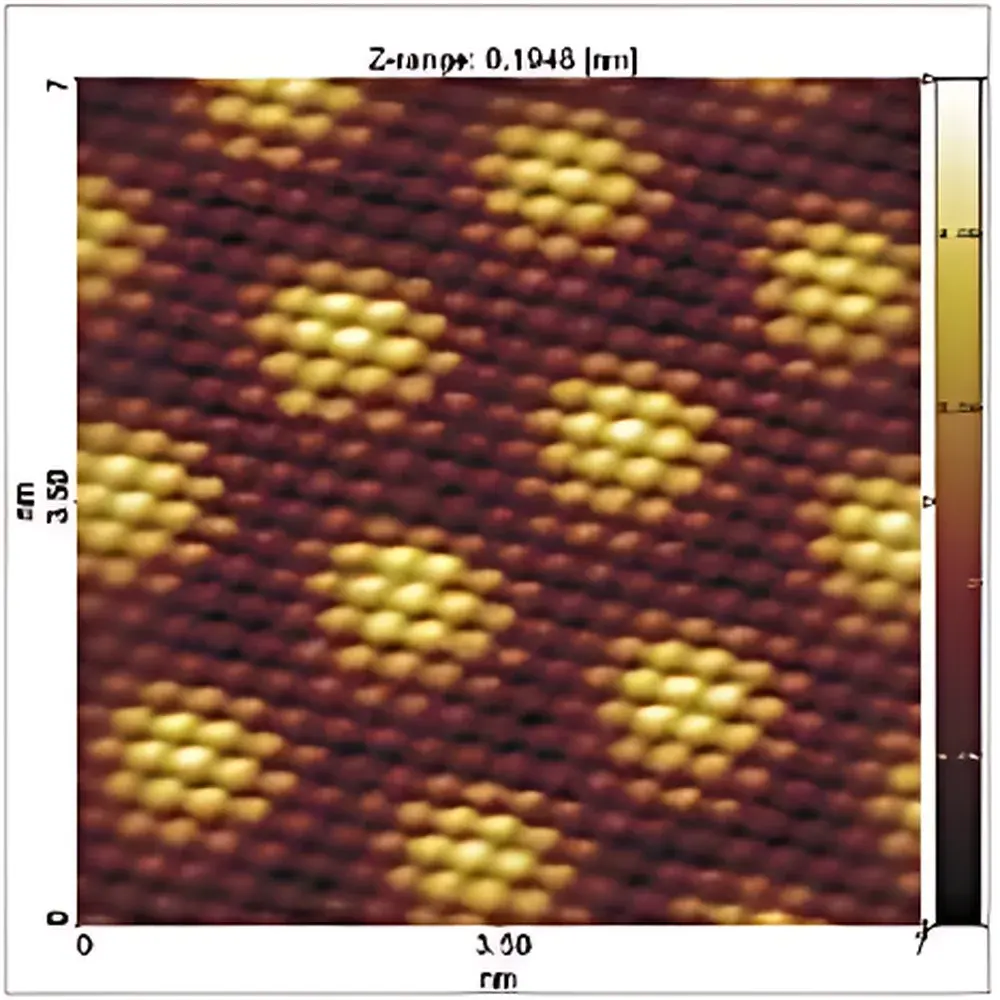
SPIP™ (Scanning Probe Image Processing) is a rigorously validated, research-grade 3D surface analysis platform engineered for quantitative metrology of atomic force microscopy (AFM), scanning tunneling microscopy (STM), and other scanning probe microscopy (SPM) datasets. Developed by Image Metrology—a U.S.-based software engineering firm specializing in nanoscale measurement informatics—SPIP implements traceable, standards-compliant algorithms for height map processing, roughness quantification, feature extraction, and topographic reconstruction. Its architecture adheres to the mathematical foundations of surface metrology defined in ISO 25178 (Geometrical product specifications – Surface texture) and supports uncertainty propagation frameworks required for GLP/GMP-regulated environments. Unlike generic image editors, SPIP processes raw SPM data—including phase, current, and deflection channels—with calibrated pixel-to-nanometer scaling, enabling SI-traceable dimensional reporting compliant with NIST SP 800-53 and ASTM E2528-22 guidelines.
Key Features
- Modular core architecture: Base package includes fundamental filtering, leveling, and roughness parameter computation (Sa, Sq, Sz, Sdr, etc.) per ISO 25178-2; optional modules extend functionality to grain analysis, particle statistics, step-height calibration, and thin-film thickness modeling.
- Native support for 92 proprietary and open SPM data formats—including Bruker NanoScope, Keysight (formerly Agilent) PicoView, Oxford Instruments Cypher, Nanosurf MobileScan, and JEOL JSPM—eliminating lossy format conversion and preserving original bit-depth fidelity.
- Batch processing engine with scriptable automation (Python 3.8+ API) for high-throughput analysis across multi-sample experiments, enabling reproducible workflows suitable for inter-laboratory comparison studies.
- Traceable calibration management: Integrated reference standard library (NIST SRM 1960, 2002, 2010) with documented uncertainty budgets; automatic correction for scanner nonlinearity, thermal drift, and piezo hysteresis using user-defined or instrument-specific compensation profiles.
- Publication-ready visualization: Vector-based rendering engine generating DPI-scalable figures (EPS, SVG, PDF) with customizable color maps, cross-section overlays, and ISO-standardized roughness symbol annotation for journal submission.
Sample Compatibility & Compliance
SPIP processes topographic, electrical, magnetic, and mechanical response maps acquired from contact, tapping, and non-contact AFM modes, as well as conductive-AFM (C-AFM), Kelvin probe force microscopy (KPFM), and magnetic force microscopy (MFM) datasets. It accommodates both single-scan and time-lapse series (4D data cubes), supporting dynamic surface evolution analysis under environmental control (e.g., humidity, temperature, bias). All quantitative outputs comply with ISO/IEC 17025 documentation requirements: full audit trail logging (user, timestamp, parameter set, version), electronic signature support, and exportable metadata conforming to the SPM Data Interchange Format (SDIF) specification. Validation reports are available upon request for FDA 21 CFR Part 11–governed QC laboratories.
Software & Data Management
SPIP operates as a standalone desktop application on Windows 10/11 (64-bit), with optional MATLAB R2018a+ integration via compiled MEX interfaces for custom algorithm deployment. Project files (.spip) embed raw data, processing history, and metadata in a self-contained, version-controlled archive. Data export options include CSV (with uncertainty columns), HDF5 (for FAIR data principles), and industry-standard formats such as Gwyddion (.gwy), MountainsMap (.sur), and ISO-standardized XML schemas. The software’s revision history is publicly archived (v6.0.14 released May 23, 2013), with backward compatibility maintained across major releases to ensure long-term data integrity.
Applications
SPIP serves as the analytical backbone in semiconductor process development (line-edge roughness analysis per SEMI D39), nanomaterial characterization (graphene flake thickness distribution, quantum dot height histograms), biomedical surface engineering (implant topography vs. osteoblast adhesion correlation), and advanced packaging metrology (copper pillar bump coplanarity assessment). Over 751 peer-reviewed publications indexed in Web of Science and Scopus cite SPIP-derived results—spanning journals including *ACS Nano*, *Advanced Materials*, *Ultramicroscopy*, and *Measurement Science and Technology*. Academic labs use it for teaching metrology fundamentals; industrial users deploy it for incoming inspection of MEMS wafers and qualification of EUV mask substrates.
FAQ
Does SPIP support real-time analysis during SPM acquisition?
No—SPIP is an offline post-processing platform. Real-time feedback requires vendor-specific acquisition software; however, SPIP imports fully calibrated .000/.spm/.jpk files immediately after scan completion.
Can SPIP be validated for regulated pharmaceutical manufacturing environments?
Yes—full IQ/OQ documentation packages, 21 CFR Part 11 configuration guides, and change control logs are provided under commercial support agreements.
Is there developer access to SPIP’s algorithm source code?
No—the core algorithms are proprietary. However, the Python API enables wrapper development, and Image Metrology offers co-engineering services for domain-specific module development.
How does SPIP handle stitching artifacts in large-area mosaic scans?
SPIP includes dedicated “Stitch Correction” module (optional add-on) implementing cross-correlation alignment, gradient-matching seam blending, and fiducial-based registration with sub-pixel accuracy.
What training resources are available for new users?
Image Metrology provides instructor-led virtual workshops, ISO 25178–focused certification tracks, and a public repository of annotated case studies covering >30 material systems and failure analysis scenarios.