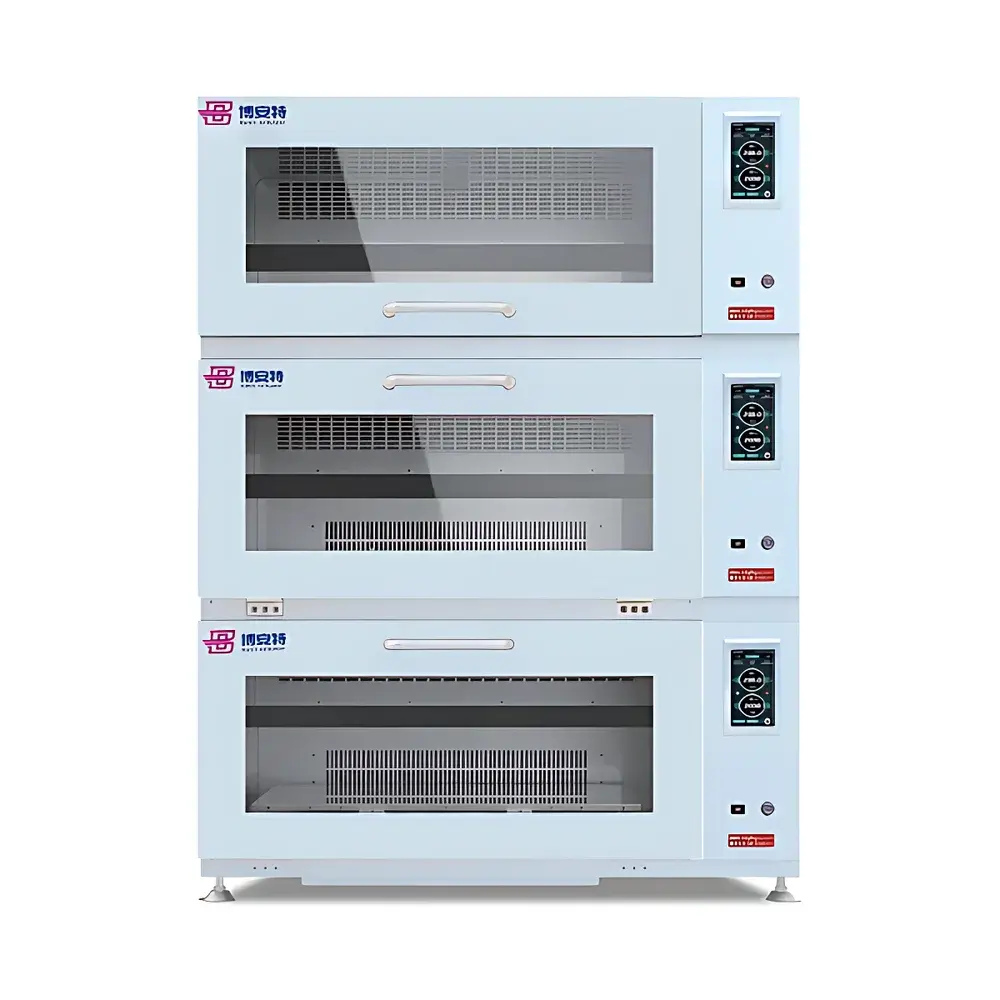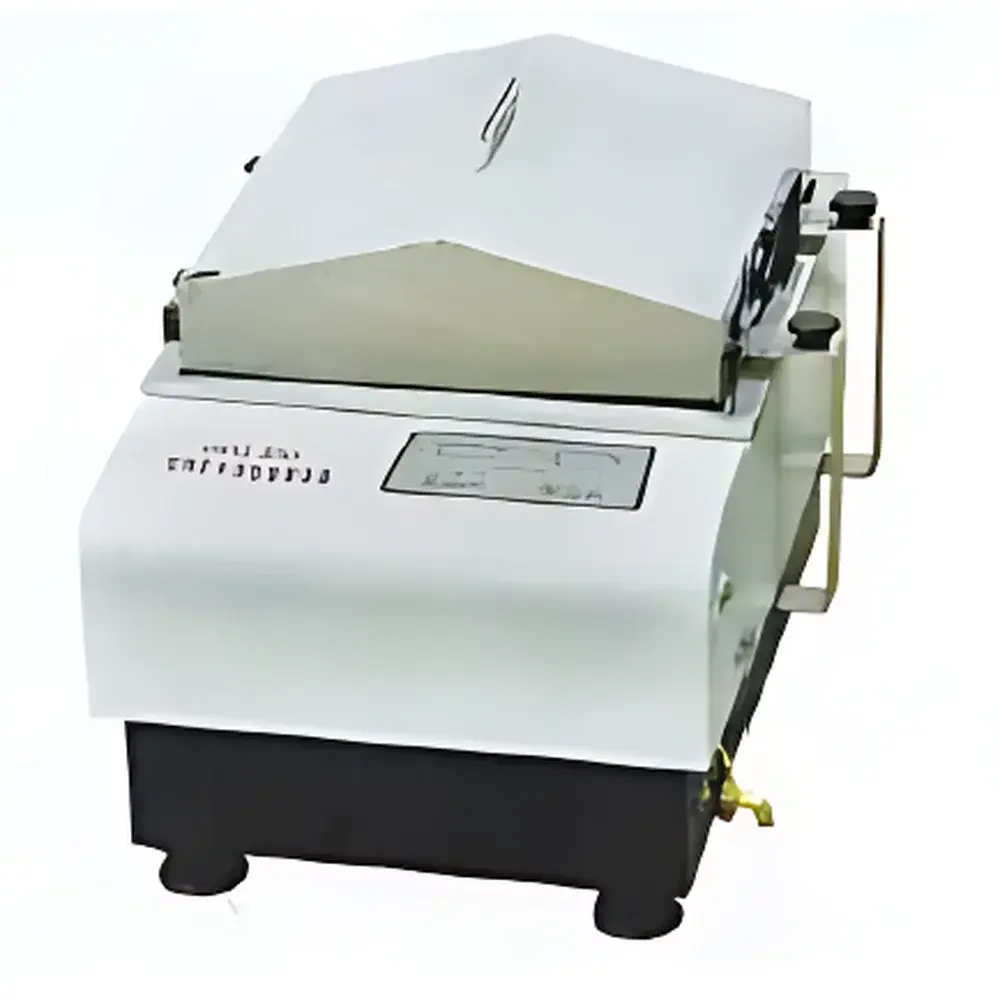
Qiangle DSHZ-300A Orbital Water Bath Incubator Shaker
| Origin | Jiangsu, China |
|---|---|
| Manufacturer Type | Authorized Distributor |
| Product Category | Domestic |
| Model | DSHZ-300A Orbital Water Bath Incubator Shaker |
| Pricing | USD 1,180 (FOB Jiangsu) |
| Instrument Type | Water Bath Incubator Shaker / Orbital Shaker |
| Timer Range | 0–999 min |
| Oscillation Speed | 40–300 rpm |
| Orbit Diameter | 26 mm |
| Temperature Range | Ambient Water Temp to 98 °C |
| Temperature Control Accuracy | ±0.1 °C |
| Temperature Uniformity | ±0.5 °C |
| Power Consumption | 1200 W |
| Platform Configuration | Single Deck |
| Max Capacity | 12 × 250 mL flasks |
| Dimensions (W×D×H) | 700 × 470 × 360 mm |
| Net Weight | 40 kg |
| Electrical Supply | 220 V, 50 Hz |
| Controller | Microprocessor-Based PID Temperature Controller with Adaptive Tuning |
Overview
The Qiangle DSHZ-300A Orbital Water Bath Incubator Shaker is an integrated laboratory instrument engineered for precise temperature-controlled orbital agitation of aqueous samples. It combines a thermostatically regulated water bath with a mechanically balanced orbital shaker platform, enabling simultaneous control of thermal environment and homogeneous mixing—critical for applications such as microbial culture expansion, enzyme kinetics assays, solubility studies, and cell suspension maintenance. The system operates on the principle of orbital motion (26 mm diameter orbit), generating gentle yet effective fluid circulation without vortex formation or excessive shear stress. Its water-jacketed chamber ensures superior thermal mass and stability compared to air-based incubators, while the microprocessor-driven PID controller continuously adjusts heating output to maintain setpoint accuracy within ±0.1 °C and spatial uniformity within ±0.5 °C across the bath volume.
Key Features
- Wide-speed orbital drive: Continuously adjustable from 40 to 300 rpm with digital speed feedback and real-time display.
- High-stability water bath: Stainless steel inner tank with anti-corrosion coating; optimized heater placement and water circulation design minimize thermal gradients.
- Intelligent adaptive temperature control: PID algorithm with auto-tuning capability compensates for ambient fluctuations—particularly effective in regions with seasonal humidity/temperature variance (e.g., high-humidity southern China or low-ambient northern winter conditions).
- Dual independent control interfaces: Dedicated knobs and LED displays for temperature and speed; timer function supports programmable run durations from 1 minute to 999 minutes (16 h 39 min) with auto-shutdown.
- Single-tier robust platform: Precision-machined aluminum deck with non-slip silicone mat; accommodates up to twelve 250 mL Erlenmeyer flasks or equivalent vessel configurations.
- Safety-engineered operation: Over-temperature cutoff, dry-run protection, and grounded chassis comply with IEC 61010-1 safety standards for laboratory equipment.
Sample Compatibility & Compliance
The DSHZ-300A supports standard microbiological and biochemical vessels including glass and polypropylene flasks (50–500 mL), test tubes, and multi-well plates when used with compatible adapters. Its water bath geometry permits immersion of vessel necks up to 150 mm in depth, ensuring consistent thermal transfer to liquid contents. The unit meets CE marking requirements for electromagnetic compatibility (EMC Directive 2014/30/EU) and low-voltage safety (LVD Directive 2014/35/EU). While not certified to ISO/IEC 17025 or GLP-specific validation protocols out-of-the-box, its stable thermal and mechanical performance enables user-defined qualification (IQ/OQ/PQ) under GxP-aligned laboratory quality systems. Documentation packages—including calibration certificates for temperature and speed sensors—can be supplied upon request for audit readiness.
Software & Data Management
The DSHZ-300A operates via embedded firmware without external PC dependency. All operational parameters (setpoints, actual values, elapsed time, error codes) are logged internally with timestamping and retained through power cycles. Optional RS-485 serial interface (available as add-on module) enables integration into centralized lab monitoring networks using Modbus RTU protocol. When connected to compatible SCADA or LIMS platforms, users may retrieve historical temperature/speed profiles, trigger alarms on deviation thresholds, and generate CSV-formatted logs compliant with FDA 21 CFR Part 11 requirements—provided appropriate electronic signature and audit trail configurations are implemented at the host system level.
Applications
- Microbial cultivation: Aerobic growth of Escherichia coli, Bacillus subtilis, and yeast strains under controlled O2 transfer conditions.
- Biochemical reaction optimization: Temperature-dependent enzyme assays (e.g., amylase, protease) requiring constant agitation and thermal stability.
- Solubility and dissolution testing: USP Apparatus I/II-equivalent evaluation of active pharmaceutical ingredient (API) release kinetics in aqueous media.
- Cell line maintenance: Suspension culture of hybridoma or CHO cells where shear-sensitive viability must be preserved.
- Environmental sample processing: Homogenization and extraction of soil/water matrices prior to downstream analysis (e.g., nutrient leaching, heavy metal speciation).
FAQ
Is the DSHZ-300A suitable for long-term unattended operation?
Yes—its timer function supports up to 999 minutes, and built-in thermal safeguards prevent overheating or dry-bath operation.
Can the unit maintain temperature stability during rapid ambient changes?
The adaptive PID controller dynamically adjusts heating duty cycle; empirical data shows recovery to ±0.3 °C of setpoint within 8 minutes after a 10 °C ambient shift.
What maintenance is required for sustained accuracy?
Biannual verification of temperature sensor calibration using NIST-traceable reference thermometers is recommended; water bath fluid should be replaced every 3 months to inhibit biofilm formation.
Does the shaker support external data logging?
With the optional RS-485 interface module, real-time parameter streaming and event-triggered logging are supported via industry-standard Modbus RTU.
Is the platform compatible with microplate carriers?
Standard configuration supports flask racks only; custom aluminum microplate holders (96-/384-well) can be fabricated upon request with dimensional specifications.