
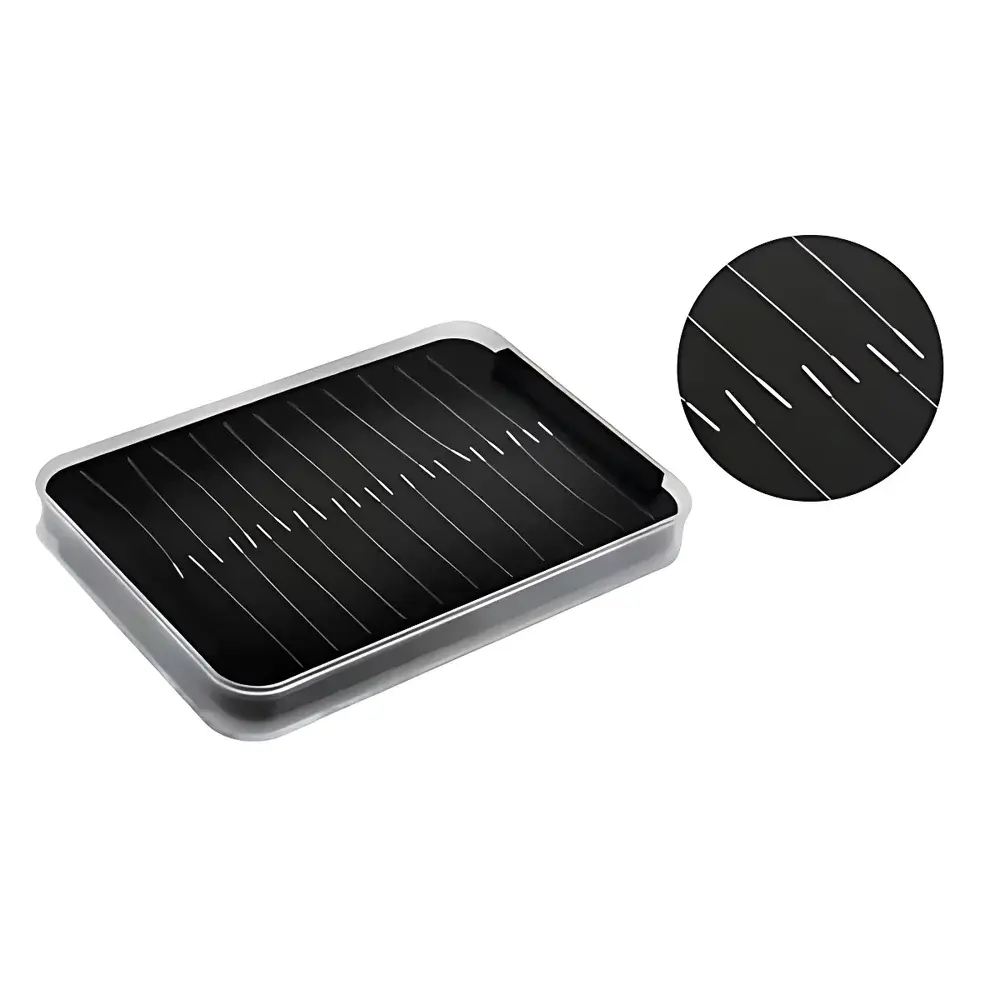
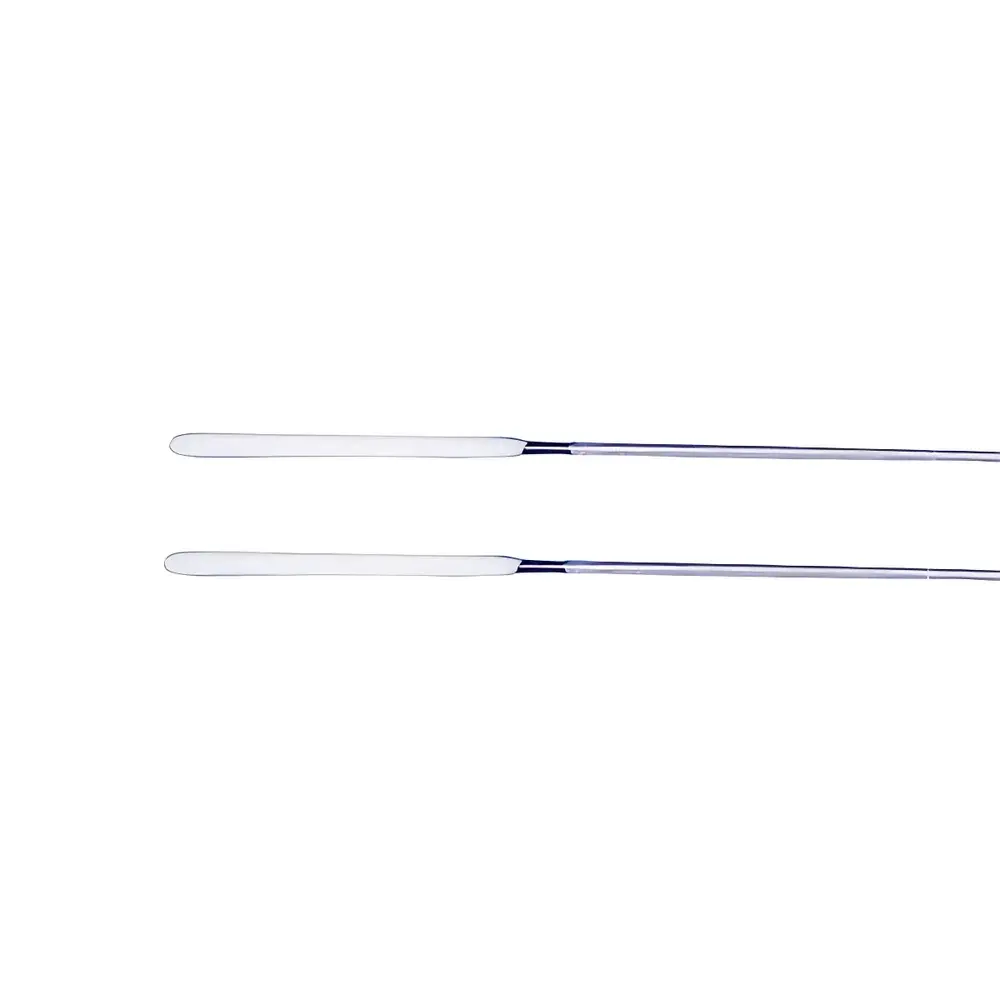
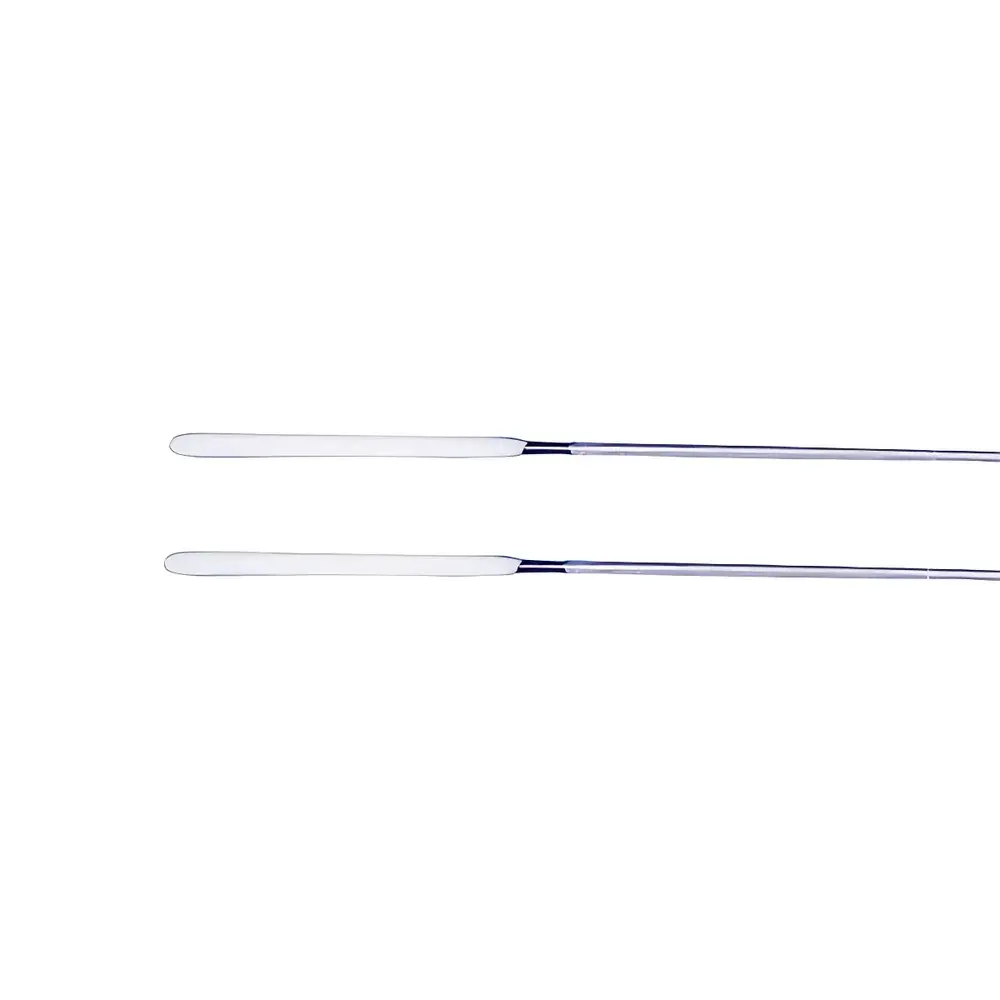
RWD MCAO Filament for Focal Cerebral Ischemia Modeling
| Brand | RWD |
|---|---|
| Origin | Shenzhen, China |
| Manufacturer Type | OEM/ODM Manufacturer |
| Product Origin | Domestic (China) |
| Model | MCAO Filament |
| Pricing | Available Upon Request |
Overview
The RWD MCAO Filament is a precision-engineered intraluminal suture device designed for reliable and reproducible induction of transient or permanent middle cerebral artery occlusion (tMCAO/pMCAO) in rodent models. Based on the classical Longa–Zea-Longa method, this filament utilizes a biocompatible silicone-coated nylon core to achieve controlled, minimally traumatic insertion into the internal carotid artery (ICA), advancing to the origin of the middle cerebral artery (MCA) without perforation of the vessel wall or deviation of native vasculature. Its mechanical properties—optimized stiffness, tapered blunt tip, and uniform coating adhesion—are validated through extensive in vivo validation (>10,000 procedural repetitions across academic and pharmaceutical preclinical labs). The device enables standardized focal cerebral ischemia modeling, supporting mechanistic studies of ischemic stroke pathophysiology, neuroprotection, thrombolysis, and reperfusion injury under GLP-aligned experimental conditions.
Key Features
- Medical-grade silicone coating bonded uniformly to high-tensile nylon monofilament—resists delamination during repeated insertion and withdrawal.
- Controlled flexural modulus ensures optimal balance between trackability and resistance to buckling; prevents ICA kinking or ECA retrograde migration.
- Blunt, rounded tip geometry eliminates endothelial puncture risk while maintaining navigability through the carotid bifurcation.
- Tight dimensional tolerances across batches: ±0.01 mm diameter control, ±0.5 mm length consistency—critical for inter-laboratory model reproducibility.
- Autoclavable and ethanol-compatible; supports reuse up to 3× per filament when handled under sterile surgical protocols.
Sample Compatibility & Compliance
RWD MCAO Filaments are calibrated for use in Sprague-Dawley, Wistar, and C57BL/6 rodents. Each variant corresponds to defined weight strata (e.g., MSMC25B150PK50 for 31–35 g mice; MSRC40B250PK50 for 281–330 g rats), ensuring accurate insertion depth (17–18 mm for adult rats; 9–11 mm for mice) and consistent MCA occlusion location. All filaments comply with ISO 10993-5 (cytotoxicity) and ISO 10993-10 (irritation/sensitization) biocompatibility standards. Packaging adheres to ASTM F1980 accelerated aging protocols for shelf-life validation (≥24 months at 25°C/60% RH). Device documentation includes lot-specific dimensional certificates traceable to NIST-calibrated micrometers, facilitating audit readiness for FDA-preclinical study submissions.
Software & Data Management
While the MCAO Filament itself is a passive surgical tool, its integration into rigorous preclinical workflows is supported by RWD’s companion digital resources: (1) A downloadable SOP library—including step-by-step video-guided surgical protocols aligned with STAIR and ARRIVE guidelines; (2) Laser speckle contrast imaging (LSCI) correlation templates for real-time cortical perfusion verification (target: ≥70% CBF reduction at MCA territory); (3) Electronic batch records with QR-coded traceability for GLP-compliant study documentation. All materials are structured to support 21 CFR Part 11–compliant electronic signatures and audit trails when deployed within validated LIMS or ELN environments.
Applications
- Transient and permanent focal cerebral ischemia modeling for drug efficacy screening (e.g., tPA analogs, neuroprotectants, anti-inflammatory agents).
- Validation of non-invasive imaging biomarkers (MRI-DWI, PET, LSCI) against histopathological infarct volume endpoints.
- Mechanistic investigation of blood–brain barrier disruption, microglial activation, and peri-infarct depolarization.
- Testing of endovascular intervention devices (e.g., microcatheters, retrievers) in simulated clot retrieval scenarios.
- Training platform for neurosurgical fellows in microvascular catheterization techniques under stereotactic guidance.
FAQ
How is insertion depth determined for different animal weights?
Insertion depth is empirically calibrated to craniocervical anatomy: for rats, 17 mm (260–280 g) to 18 mm (>280 g); for mice, 9–11 mm depending on strain and weight bracket. Depth correlates with distance from CCA bifurcation to MCA origin—not absolute body mass alone.
Can the filament be resterilized between uses?
Yes—autoclaving at 121°C for 15 min or immersion in 70% ethanol for 10 min is validated. Visual inspection for coating integrity and tip deformation is required before reuse.
What evidence supports reduced vascular perforation versus uncoated sutures?
Peer-reviewed comparative studies (e.g., J Cereb Blood Flow Metab. 2021;41:1123–1135) report <2.3% perforation rate with RWD filaments vs. 12.7% with standard nylon, attributed to optimized surface energy and elastic recovery post-bending.
Is batch-to-batch variability documented?
Yes—each PK50 pack includes a Certificate of Conformance listing measured diameter (±0.01 mm), tip radius (±0.02 mm), and coating thickness (±0.005 mm) per ISO/IEC 17025-accredited metrology.
Do filaments require pre-hydration before use?
No—hydrophobic silicone coating provides immediate lubricity; saline rinsing immediately prior to insertion is sufficient to remove residual packaging particulates.




