
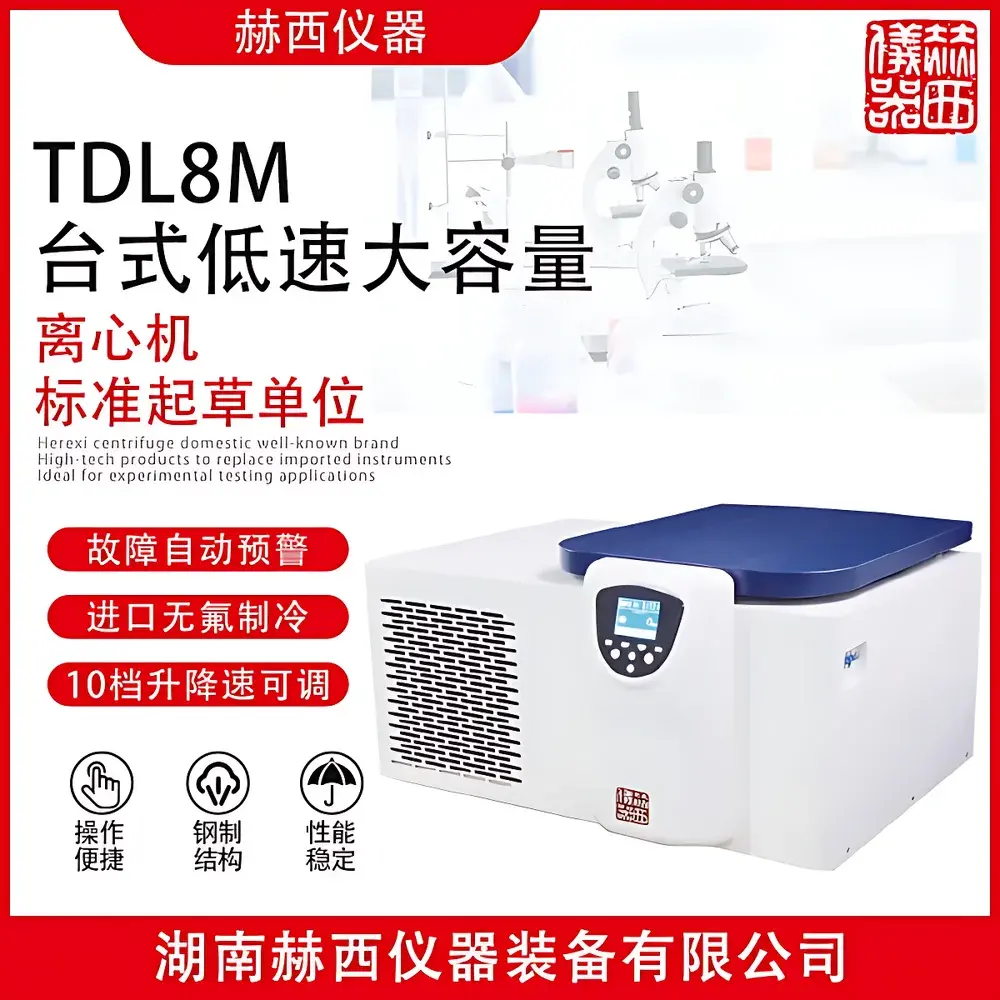
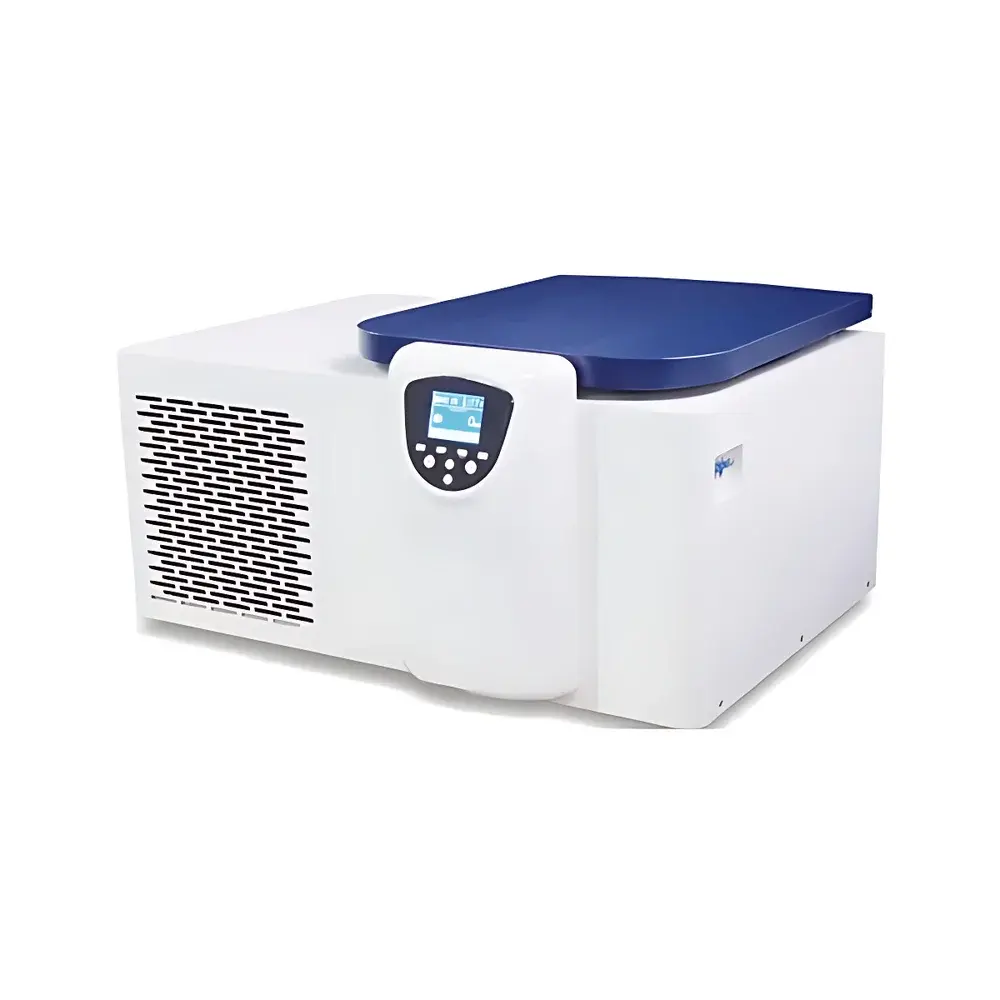
Hettich TDL8M Benchtop Low-Speed Refrigerated Centrifuge
| Brand | Hettich |
|---|---|
| Origin | Hunan, China |
| Manufacturer Type | Authorized Distributor |
| Product Category | Domestic |
| Model | Hettich TDL8M |
| Instrument Type | Benchtop Centrifuge |
| Speed Class | Low-Speed Centrifuge (up to 8,000 rpm) |
| Function | Refrigerated Centrifuge |
| Configuration | Horizontal Rotor Centrifuge |
| Max Capacity | 4 × 500 mL |
| Max Speed | 8,000 rpm |
| Max RCF | 6,460 × g |
| Dimensions (L×W×H) | 630 × 760 × 400 mm |
| Temperature Range | −20 °C to +40 °C |
| Temp. Control Accuracy | ±1 °C |
| Acceleration/Deceleration | 10-step programmable |
| Noise Level | ≤65 dB(A) |
| Power Consumption | 1.8 kW |
| Weight | 110 kg |
| Certifications | ISO 9001:2015, ISO 13485:2016, CFDA Registered & Manufactured |
Overview
The Hettich TDL8M is a benchtop low-speed refrigerated centrifuge engineered for high-throughput sample processing in regulated and research-intensive laboratory environments. It operates on the principle of sedimentation under controlled gravitational force (RCF), enabling efficient separation of biological suspensions, cell pellets, serum, plasma, whole blood, tissue homogenates, and particulate-laden solutions. With a maximum rotational speed of 8,000 rpm and a peak relative centrifugal force of 6,460 × g, the TDL8M delivers reproducible, scalable separations across volumes up to 4 × 500 mL—making it especially suitable for clinical diagnostics, biobanking, pharmaceutical QC, food safety testing, and agricultural research workflows where thermal stability and sample integrity are critical.
Key Features
- Refrigerated operation with precise temperature control from −20 °C to +40 °C, enabled by a high-efficiency imported non-CFC compressor system using R404a refrigerant; includes pre-cooling, standby cooling, and auto-defrost functions
- Brushless AC motor drive with microprocessor-based control system ensures stable rotation, low vibration, and acoustic performance ≤65 dB(A)
- TFT-LCD true-color touchscreen interface with dual input mode (touch + physical keys); supports real-time display of setpoints and actual parameters—including RCF, rpm, time, temperature, and acceleration/deceleration profiles
- 10-step programmable acceleration and deceleration ramps minimize shear stress on sensitive samples such as mammalian cells or exosomes
- 20 user-programmable protocols stored onboard; automatic recall of last-used method at power-on
- Three-stage damping system combined with reinforced steel housing, stainless-steel rotor chamber, and triple-layer protective front cover ensures mechanical robustness and operational safety
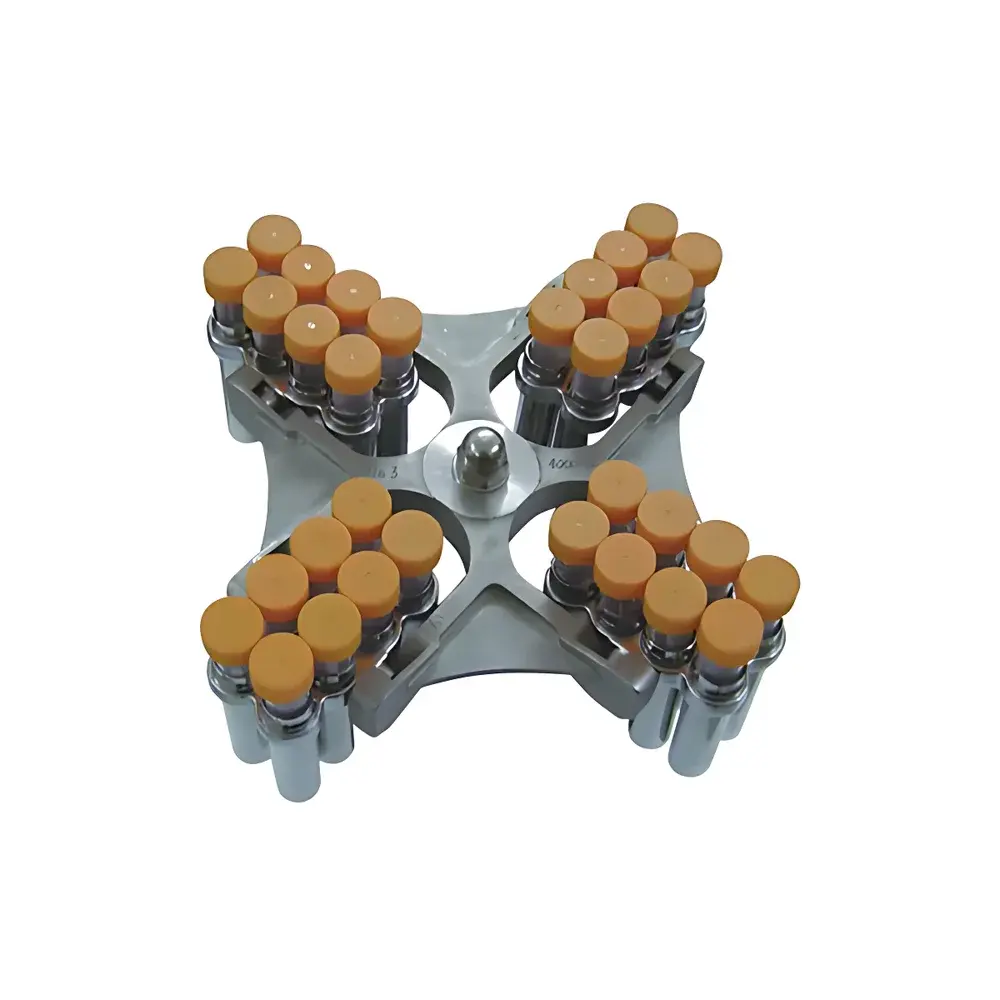
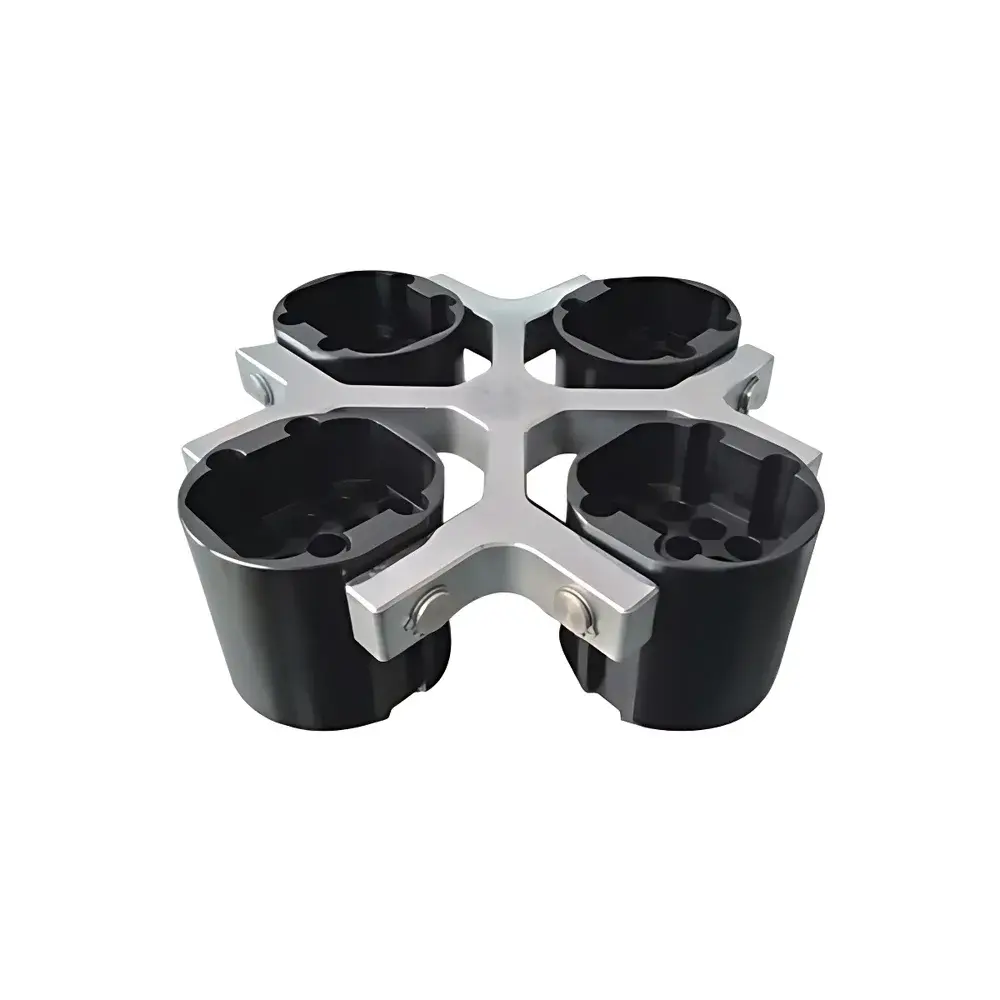
- Aerosol-tight horizontal rotors sealed with RoHS-compliant silicone rubber gaskets (EU Directive 2015/863) prevent biohazard leakage during high-speed runs
- Electromechanical door lock with soft-close mechanism provides secure lid engagement without manual latching
Sample Compatibility & Compliance
The TDL8M accommodates a broad range of primary and secondary containers—including conical tubes (0.2–500 mL), universal bottles, MTPs (96-well, 384-well), PCR plates, deep-well plates, and cell culture vessels—via interchangeable polyamide fiber adapters and aviation-grade forged aluminum angle rotors. Its design conforms to international biosafety standards for containment during centrifugation of infectious or hazardous materials. The instrument carries CFDA registration and manufacturing authorization, and has been independently verified against ISO 9001:2015 (quality management) and ISO 13485:2016 (medical device quality systems). While not FDA 510(k)-cleared, its documentation package supports GLP/GMP-aligned validation protocols, including IQ/OQ/PQ execution, audit trail generation, and electronic signature readiness per 21 CFR Part 11 requirements when integrated with compliant LIMS or ELN platforms.
Software & Data Management
The embedded firmware supports parameter logging with timestamped event records (start/stop, temperature deviation, rotor imbalance detection, emergency stop). All operational data—including run history, error codes, and calibration logs—are exportable via USB port in CSV format for traceability and regulatory reporting. Multi-language UI (English, Chinese, Russian, Portuguese) facilitates cross-border deployment and multilingual lab staff training. Optional PC-based software (sold separately) enables remote monitoring, batch protocol synchronization, and automated report generation aligned with ISO/IEC 17025 documentation frameworks.
Applications
- Clinical laboratories: Serum/plasma separation, blood component harvesting, urinalysis sediment preparation
- Pharmaceutical QA/QC: Clarification of fermentation broths, excipient suspension analysis, stability testing of emulsions
- Food & beverage testing: Microbial pellet recovery, fat separation in dairy matrices, pesticide residue extraction support
- Agricultural science: Soil extract clarification, plant protoplast isolation, seed oil purification
- Academic research: Cell culture harvest, subcellular fractionation (nuclei, mitochondria), virus concentration prior to ultracentrifugation
- Blood banking: Platelet-rich plasma (PRP) preparation, cryoprecipitate isolation
FAQ
What is the minimum temperature achievable during operation?
The unit maintains temperatures down to −20 °C under continuous centrifugation, with ±1 °C regulation accuracy.
Can the TDL8M accommodate microtiter plates directly?
Yes—horizontal swing-out rotors accept standard 96-well, 384-well, and deep-well plates with optional carriers.
Is rotor imbalance detection automated?
Yes—the system continuously monitors load distribution and halts operation if imbalance exceeds safe thresholds, triggering audible and visual alerts.
Does the centrifuge support continuous operation mode?
Yes, the timer allows settings from 1 minute to 99 hours 59 minutes, including “hold” and “continuous run” options.
Are rotor calibration certificates included with purchase?
Each rotor ships with individual serial-numbered calibration documentation compliant with ISO/IEC 17025 traceability requirements.
Related Products



