
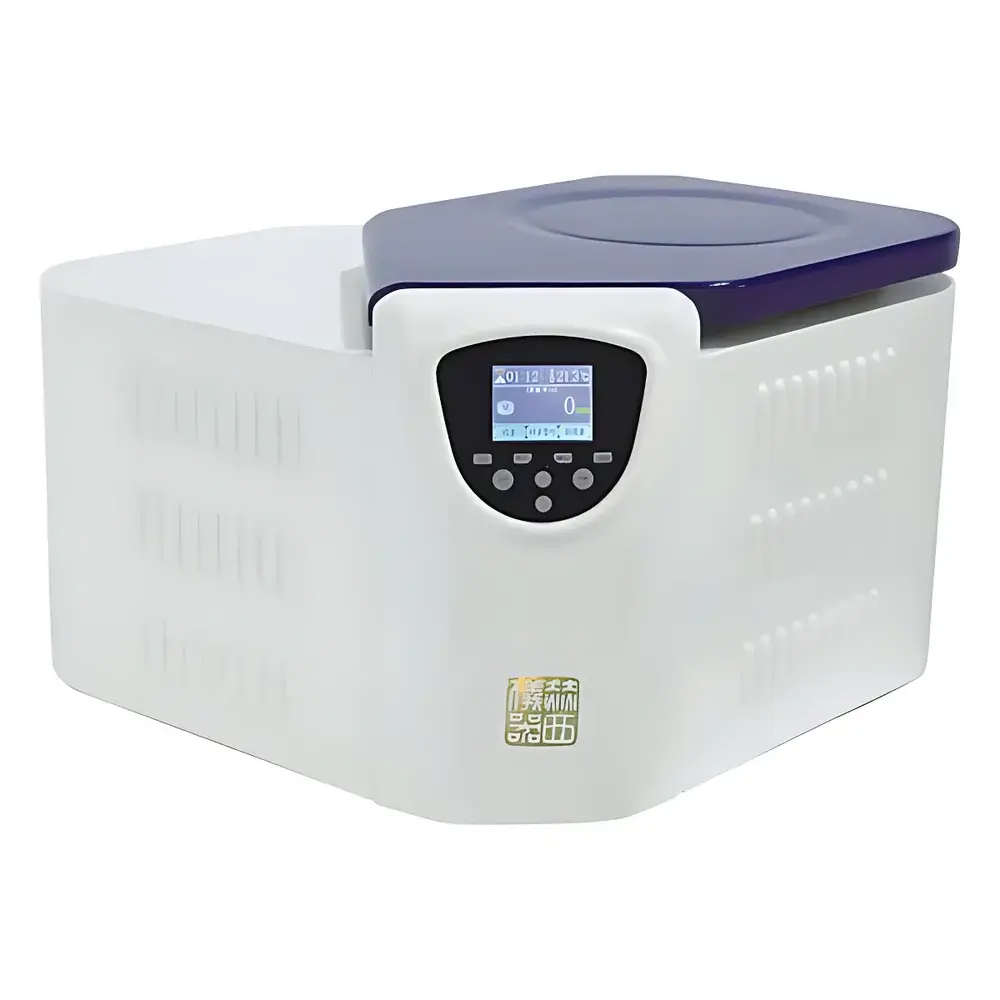
Herx 3H16RI Benchtop High-Speed Refrigerated Centrifuge for Classical Swine Fever (CSF) Diagnostics
| Brand | Herx |
|---|---|
| Origin | Hunan, China |
| Model | 3H16RI Benchtop High-Speed Refrigerated Centrifuge |
| Instrument Type | Benchtop Centrifuge |
| Speed Range | 10,000–30,000 rpm |
| Cooling Function | Yes |
| Rotor Type | Fixed-Angle |
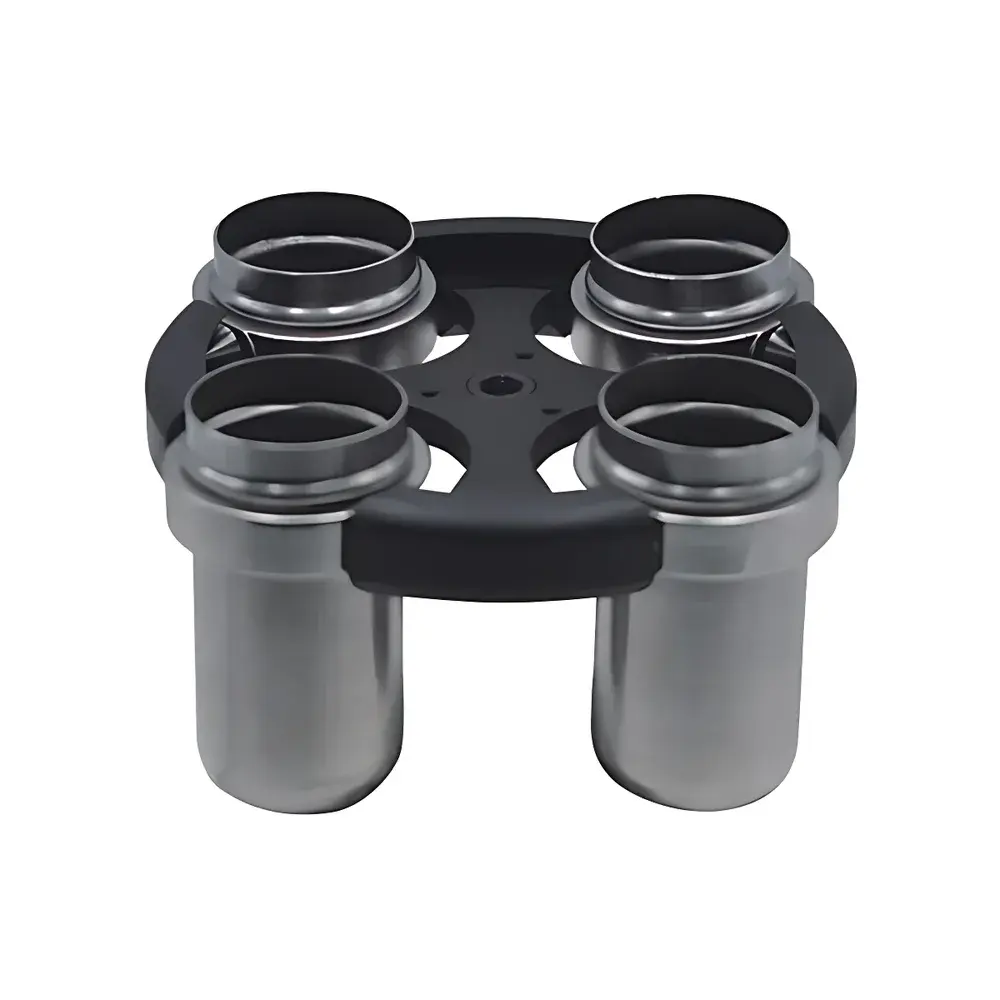
| Maximum Capacity | 4 × 100 mL |
| Max Speed | 16,800 rpm |
| Max RCF | 20,320 × g |
| Dimensions (L×W×H) | 710 × 630 × 350 mm |
| Temperature Range | −20 °C to +40 °C |
| Temp. Accuracy | ±1 °C |
| Acceleration/Deceleration | 10-step control |
| Noise Level | ≤60 dB(A) |
| Power Supply | 220 V, 50 Hz |
| Weight | 75 kg |
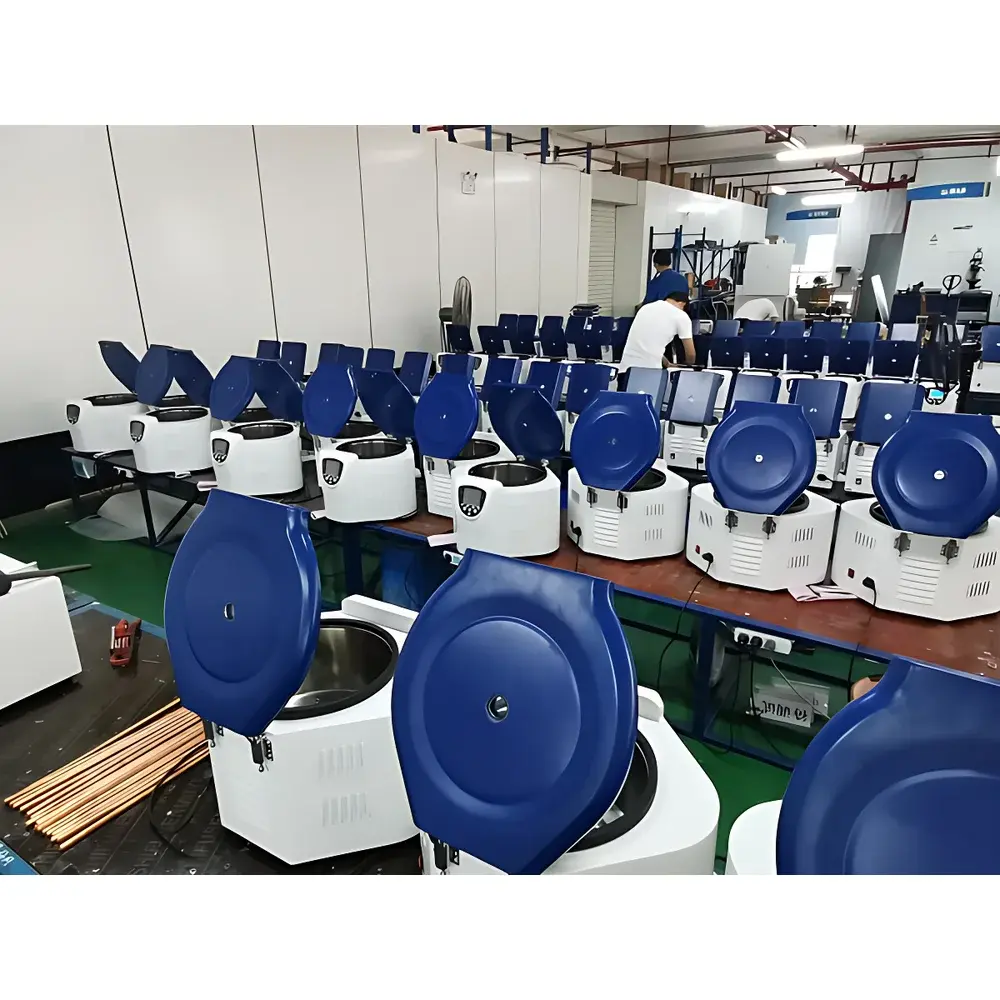
| Certifications | CFDA Registered & Licensed, ISO 9001:2015, ISO 13485:2016 |
| Compliance | RoHS 2015/863 (Seal Material) |
Overview
The Herx 3H16RI is a purpose-engineered benchtop high-speed refrigerated centrifuge designed specifically for biosafety-critical applications in veterinary virology laboratories—particularly for sample preparation in Classical Swine Fever (CSF) diagnostics. It operates on the principle of sedimentation-based separation under controlled low-temperature conditions, enabling rapid pelleting of viral particles, infected leukocytes, and serum-derived exosomes from whole blood, plasma, or tissue homogenates without thermal degradation. Its maximum relative centrifugal force (RCF) of 20,320 × g at 16,800 rpm ensures efficient isolation of subcellular components—including enveloped RNA viruses like CSFV—while maintaining structural integrity and downstream assay compatibility (e.g., RT-qPCR, antigen ELISA, and electron microscopy). The unit integrates a closed-loop refrigeration system with R404a refrigerant and complies with international environmental standards, supporting stable operation across ambient temperatures up to 32 °C.
Key Features
- Brushless DC motor with integrated Infineon drive modules and custom Herx control board—ensuring torque consistency, low acoustic emission (≤60 dB[A]), and extended service life under continuous high-load cycles.
- Refrigeration system featuring non-ozone-depleting R404a, programmable temperature setpoint (−20 °C to +40 °C), pre-cool function, standby cooling mode, and auto-defrost—critical for preserving thermolabile viral antigens during prolonged batch processing.
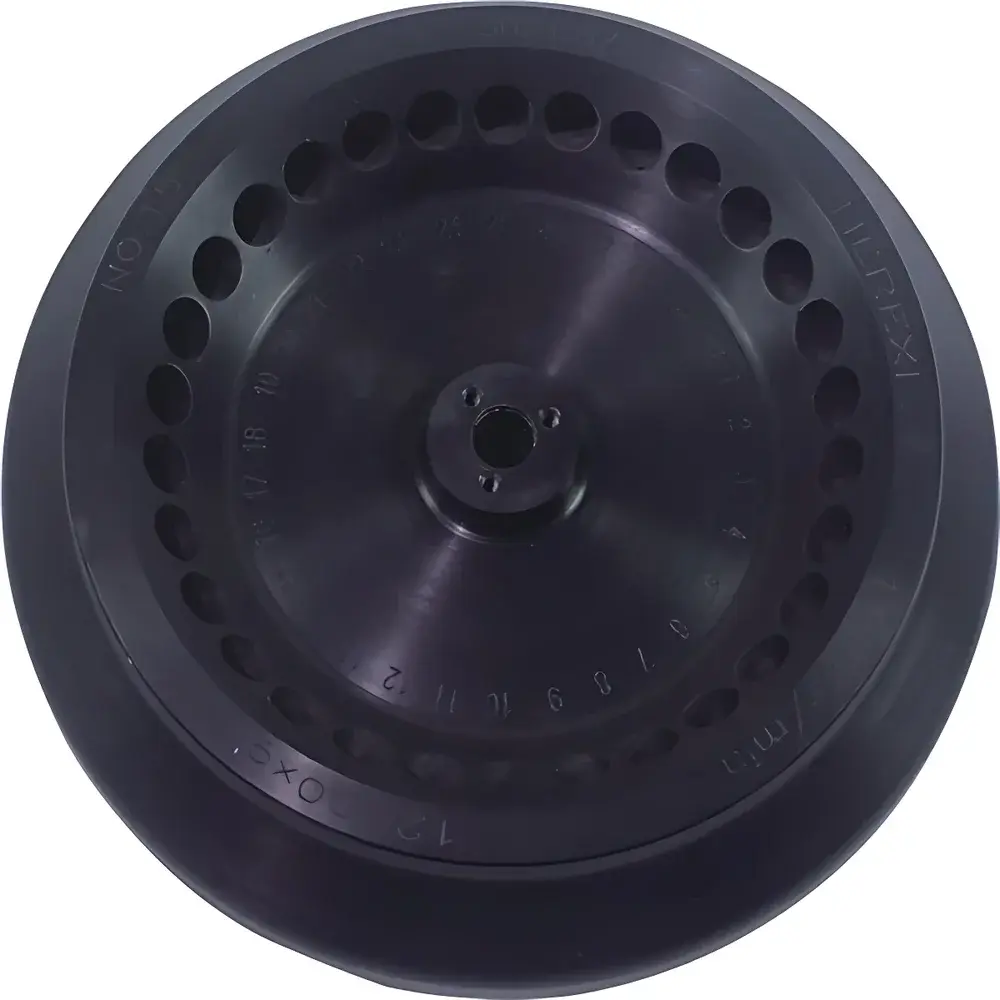
- Biocontainment-optimized fixed-angle rotor with seamless silicone rubber sealing ring (RoHS 2015/863 compliant), preventing aerosol leakage during high-speed runs with infectious porcine samples.
- TFT-LCD color touchscreen with dual-input interface (touch + physical keys), real-time display of both setpoints and actual parameters (speed, RCF, time, temperature), and on-the-fly parameter adjustment without rotor deceleration.
- Triple-stage damping architecture—including asymmetric counterweight design, elastomeric suspension mounts, and precision-balanced rotor shaft—to suppress vibration-induced resuspension and ensure reproducible pellet formation.
- Full stainless-steel 304 chamber, reinforced steel front panel, and triple-layer safety housing certified to IEC 61010-2-020 for Class II biological containment environments.
- Intelligent door-lock mechanism with silent electromechanical actuation: automatic engagement upon lid closure, eliminating manual latching errors and enhancing operator safety compliance.
Sample Compatibility & Compliance
The 3H16RI accommodates standard biospecimen formats used in swine disease surveillance, including 1.5–2.0 mL microtubes (standard configuration), 15–50 mL conical tubes, PCR plates, MTPs, and cell culture plates—enabling parallel processing of field-collected sera, EDTA-blood, spleen homogenates, and lymph node suspensions. All rotors are precision-forged from aerospace-grade aluminum alloy and certified for sterilization via autoclaving (121 °C, 20 min). The instrument holds CFDA registration and manufacturing license for Class II in vitro diagnostic (IVD) support equipment. Quality management systems conform to ISO 9001:2015 and ISO 13485:2016, ensuring traceability, calibration validity, and documentation readiness for GLP/GMP audits. Seal materials meet EU RoHS Directive 2015/863, and electrical safety complies with IEC 61010-1 and IEC 61010-2-020.
Software & Data Management
While the 3H16RI operates via embedded firmware without external PC dependency, its 100-program memory supports full audit trail functionality: each run logs timestamp, rotor ID, speed, RCF, temperature, duration, acceleration/deceleration profile, and user ID (via optional RFID badge integration). All data are stored internally with non-volatile memory retention (>10 years). Export is supported via USB 2.0 port for CSV-formatted reports compatible with LIMS platforms. Firmware updates follow secure signed-package protocols and maintain backward compatibility with existing rotor calibration profiles. The system supports multi-language UI (English, Chinese, Russian, Portuguese) to accommodate multinational veterinary reference labs operating under OIE (WOAH) guidelines.
Applications
- Primary isolation of CSF virus (CSFV) from acute-phase blood samples prior to RT-PCR amplification.
- Concentration of low-titer viral stocks from supernatants of PK-15 or SK-6 cell cultures.
- Pre-analytical fractionation of porcine serum into exosome-enriched pellets for biomarker discovery studies.
- Routine QC of vaccine production batches—removal of cellular debris and clarification of attenuated virus suspensions.
- High-throughput serology workflows requiring consistent hematocrit separation and platelet-poor plasma generation.
- Supporting OIE-recommended diagnostic algorithms per Manual of Diagnostic Tests and Vaccines for Terrestrial Animals (Chapter 2.8.7).
FAQ
Is the 3H16RI validated for use in OIE-accredited swine disease reference laboratories?
Yes—the instrument meets mechanical, thermal, and biosafety performance criteria outlined in OIE Terrestrial Manual Annex 3.1 for centrifugation steps in CSF diagnostic protocols.
Can this centrifuge be integrated into an automated laboratory workflow?
It supports semi-automated integration via dry-contact relay outputs (optional) for start/stop signaling and status feedback to LIS/LIMS systems.
What is the recommended maintenance interval for rotor calibration and refrigeration system servicing?
Rotor calibration is required annually or after 500 runs; refrigeration service—including refrigerant pressure verification and condenser cleaning—is advised every 18 months under continuous operation.
Does the unit comply with FDA 21 CFR Part 11 requirements for electronic records?
While not a standalone Part 11 system, its audit-trail-capable firmware and user-accessible log export enable alignment with Part 11 when deployed within a validated lab-wide IT infrastructure.
Are third-party rotors or adapters supported?
No—only Herx-certified rotors undergo mechanical stress validation and bioseal integrity testing; use of non-OEM components voids warranty and compromises biosafety certification.



