
RailBox Soil Moisture and Water Potential Monitoring System
| Origin | Czech Republic |
|---|---|
| Manufacturer Type | Authorized Distributor |
| Origin Category | Imported |
| Model | RailBox RB Series |
| Price Range | USD 7,000 – 14,000 (FOB Europe) |
| Compliance | CE, RoHS, EN 61326-1 (EMC for Industrial Environments) |
| Operating Temperature | −40 °C to +60 °C |
| Data Storage | 250,000 timestamped records |
| Analog Inputs | 16/32/64 channels (16-bit resolution) |
| Digital Interfaces | SDI-12, RS-232, RS-485, programmable digital I/O |
| Analog Output | 20 mV–2.5 V (8 selectable ranges) |
| Measurement Interval | 3 s to 4 hr |
| Averaging Interval | 3 s to 4 hr |
| Accuracy | ±0.03% of full scale |
| Power Options | Solar-compatible 6–18 V DC, low-power standby (135 µA @ 12 V) |
| Wireless Connectivity | 4G LTE Cat-M1/NB-IoT with backward compatibility to GPRS/EDGE |
Overview
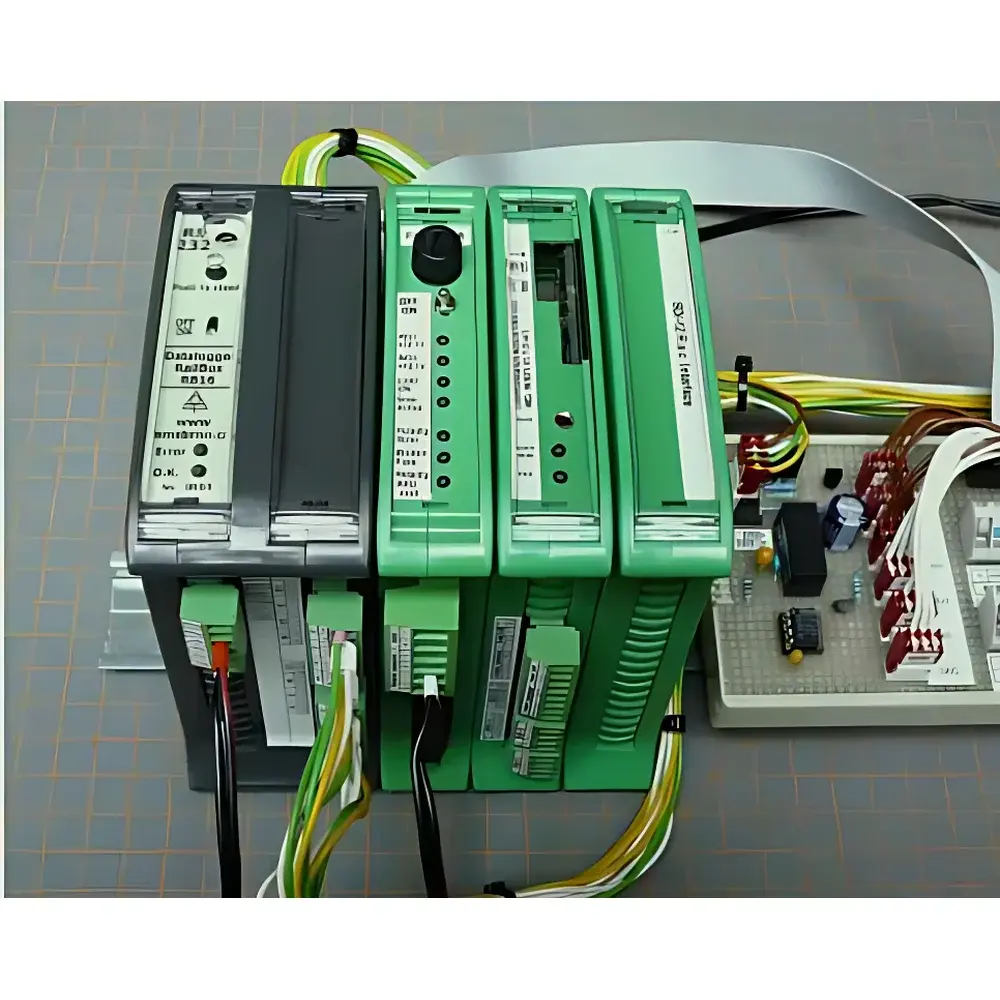
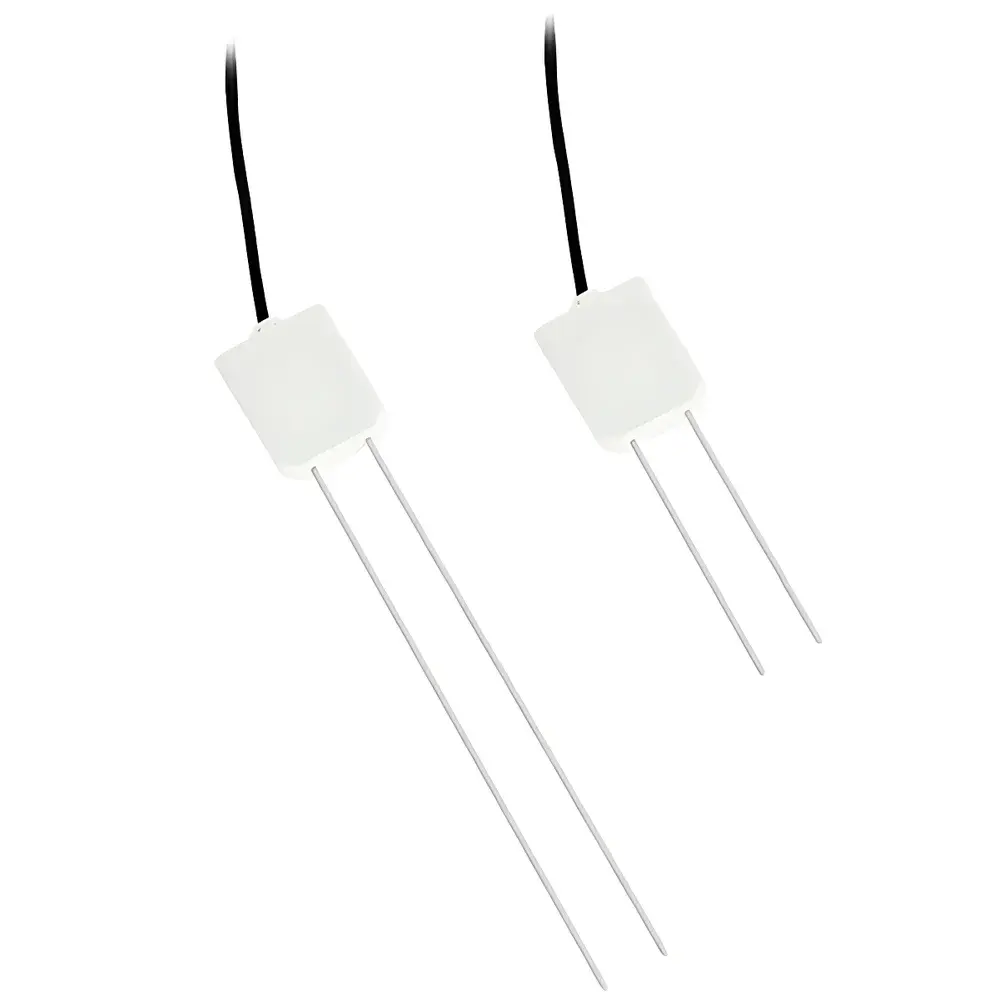
The RailBox Soil Moisture and Water Potential Monitoring System is a field-deployable, modular environmental data acquisition platform engineered for long-term, in-situ hydrological monitoring across heterogeneous terrestrial ecosystems. Built upon the principle of time-domain reflectometry (TDR) and calibrated dielectric permittivity analysis, the system delivers high-fidelity, co-located measurements of volumetric water content (θv), soil temperature (Ts), bulk electrical conductivity (ECb), and matric potential (ψm). Its architecture supports multi-sensor integration—including TDR-based probes (e.g., Campbell CS650/655, SMT100), tensiometric water potential sensors (e.g., Tensio150, Watermark, Irrometer), sap flow gauges, and meteorological stations—enabling comprehensive characterization of soil hydraulic properties and coupled energy–water fluxes. Designed for unattended operation in remote or extreme environments—from alpine tundra to saline coastal plains—the RailBox RB series meets the rigorous temporal stability and measurement reproducibility requirements of process-based hydrological modeling, eddy covariance validation, and long-term ecological research networks (LTER).
Key Features
- Modular DIN-rail-mounted data logger with hot-swappable analog, digital, and pulse-counting input modules—facilitating on-site maintenance, scalability, and sensor reconfiguration without system downtime.
- High-precision analog acquisition: 16-bit resolution, ±0.03% full-scale accuracy, and configurable averaging intervals (3 s–4 hr) to balance temporal resolution with signal-to-noise ratio.
- Native support for industry-standard sensor protocols: SDI-12 (for Campbell, Decagon, Delta-T), RS-232/RS-485 (Modbus RTU), and programmable digital I/O for external power gating, valve control, or actuator triggering.
- Low-power embedded design optimized for solar-battery hybrid operation; standby current as low as 135 µA enables multi-year deployments in off-grid locations.
- Integrated real-time clock with GPS-synchronized timestamping ensures traceable, audit-ready data provenance—critical for GLP-compliant studies and regulatory reporting frameworks.
- Expandable wireless telemetry: 4G LTE-M/NB-IoT module with fallback to GPRS/EDGE ensures robust connectivity across variable cellular coverage zones, including rural and mountainous terrain.
Sample Compatibility & Compliance
The RailBox system accommodates a broad spectrum of soil physical sensors validated for diverse pedological conditions. TDR probes (CS650, CS655, SMT100) maintain accuracy across high-salinity soils (ECb ≤ 8 dS/m) and frozen/thawing matrices, while tensiometers (Tensio150, Irrometer) provide direct ψm measurement in the −85 to +100 kPa range—covering both unsaturated and near-saturated regimes. All integrated sensors comply with ASTM D5084 (in-situ saturated hydraulic conductivity), ISO 11274 (soil water retention), and FAO-recommended calibration protocols. The data logger itself conforms to EN 61326-1 (EMC immunity for industrial environments) and carries CE marking under the EU Low Voltage Directive. Firmware and data handling workflows are structured to support audit trails required under FDA 21 CFR Part 11 for environmental data used in regulatory submissions.
Software & Data Management
RailBox DataStudio—a Windows-based desktop application—provides secure, encrypted local download, visualization, and statistical post-processing of time-series datasets. It supports batch import/export in CSV, NetCDF, and Excel formats; generates correlation matrices, cross-spectral analyses, and hysteresis loop plots for θv–ψm relationships; and exports metadata-compliant files aligned with the ICOS (Integrated Carbon Observation System) and FLUXNET data standards. Remote access is enabled via HTTPS-secured web portal with role-based user permissions, automated daily backups, and configurable alert thresholds (e.g., rapid θv decline signaling drought onset). All raw and processed data retain immutable timestamps, sensor ID tags, and calibration history logs—ensuring full traceability from field acquisition to publication-grade analysis.
Applications
- Quantifying evapotranspiration partitioning in irrigated agriculture and precision water management trials.
- Parameterizing Richards’ equation and HYDRUS-1D models for vadose zone transport simulations.
- Validating satellite-derived soil moisture products (e.g., SMAP, Sentinel-1) at watershed scales.
- Monitoring permafrost active layer dynamics and freeze-thaw cycling in Arctic and alpine ecosystems.
- Assessing infiltration rates and runoff generation mechanisms during storm events in erosion-prone landscapes.
- Supporting carbon flux modeling by correlating soil moisture thresholds with CO2 efflux (via chamber-based or eddy covariance systems).
FAQ
What is the maximum recommended cable length between the data logger and TDR sensors?
For CS650/655 sensors using SDI-12, maximum cable length is 200 m with twisted-pair shielded cable (AWG22); for RS-232 configurations, limit is 15 m unless using an RS-232-to-RS-485 converter.
Can the RailBox system operate continuously at −30 °C?
Yes—the RB series logger and Tensio150 water potential sensor are rated for −30 °C to +50 °C; lithium-thionyl chloride batteries and low-temperature electrolytic capacitors ensure reliable startup and sampling below freezing.
Is firmware update capability available over-the-air (OTA)?
Firmware updates require local USB connection or microSD card upload; OTA updates are not supported to preserve data integrity and prevent unauthorized modification in regulated deployments.
Does the system support NIST-traceable calibration certificates for individual sensors?
Yes—certified calibration reports (including uncertainty budgets per ISO/IEC 17025) are available for CS650, SMT100, and Tensio150 sensors upon request, with annual recalibration services offered through authorized European service centers.
How is data security handled during wireless transmission?
All 4G/GPRS transmissions use TLS 1.2 encryption; device authentication employs X.509 client certificates, and payload integrity is verified via HMAC-SHA256 signatures—meeting GDPR and ISO/IEC 27001 baseline requirements for environmental telemetry.







