PULUODY OPC-1 Online Oil Particle Counter
| Brand | PULUODY |
|---|---|
| Origin | Shaanxi, China |
| Manufacturer Type | Manufacturer |
| Country of Origin | China |
| Model | OPC-1 |
| Price | USD 8,200 (FOB) |
| Detection Principle | Light Blockage (Optical Obscuration) |
| Measurement Range | 1–150 µm |
| Calibration Standard Compliance | ISO 11171:2016, ISO 4402:1991 (Annex A), NAS 1638, ISO 4406:2021, SAE AS4059F, MIL-STD-1246C, GB/T 18854–2015 |
| Operating Pressure | 0–0.6 MPa (standard), up to 31.5 MPa (with integrated pressure regulator) |
| Flow Rate | 6–500 mL/min |
| Fluid Temperature Range | −10 °C to +80 °C |
| Viscosity Limit | ≤500 cSt (online mode) |
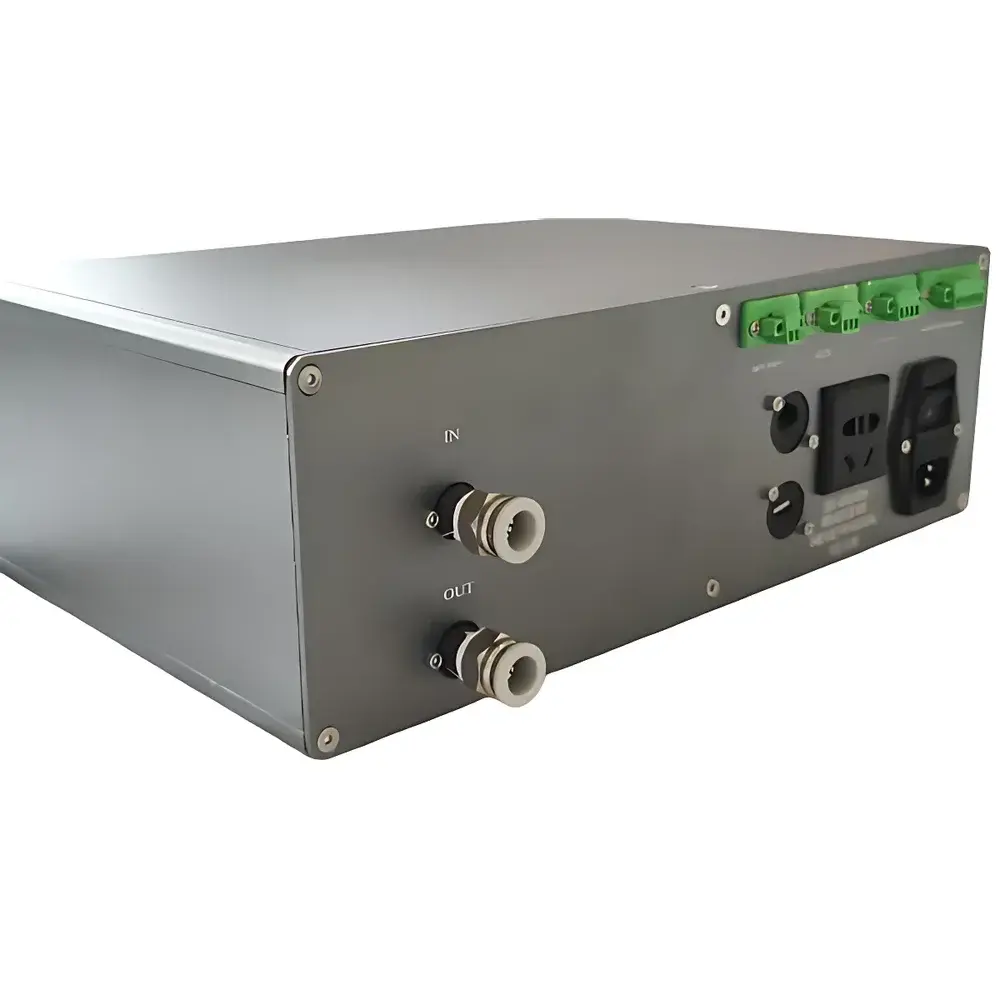
| Output Interfaces | 4–20 mA analog, RS232 serial, optional relay alarm |
| Power Supply | 9–30 VDC |
| Enclosure Rating | IP65 |
| Regulatory Compliance | CE, RoHS, FDA 21 CFR Part 11 ready (via software audit trail) |
Overview
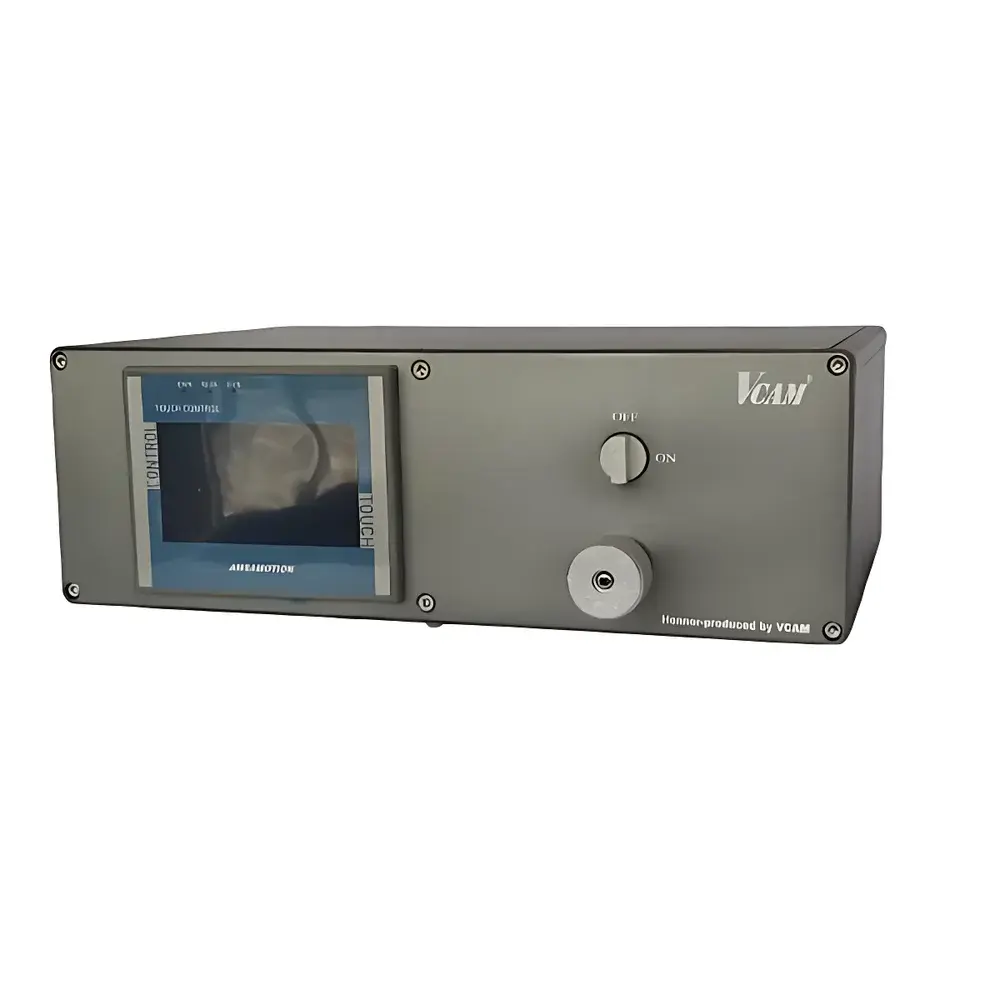
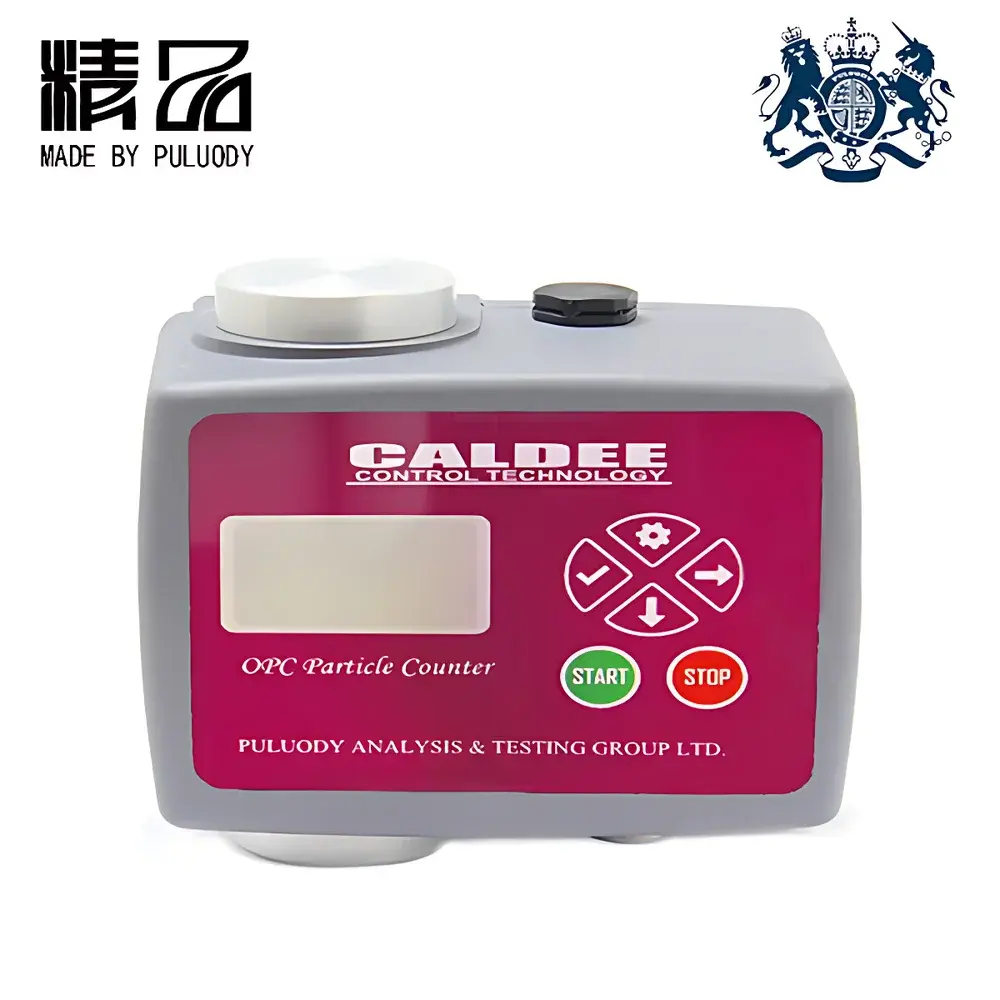
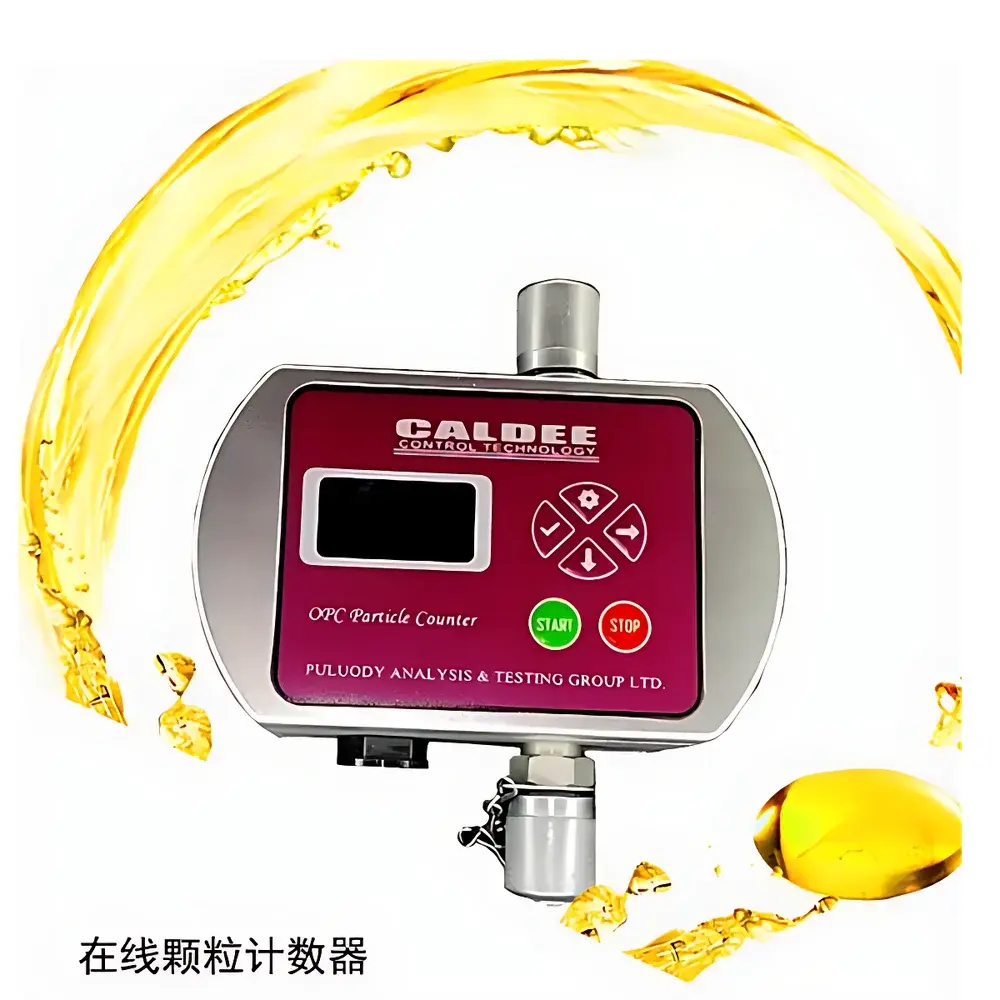
The PULUODY OPC-1 Online Oil Particle Counter is an industrial-grade, real-time fluid contamination monitoring system engineered for continuous in-line measurement of particulate contamination in hydraulic oils, turbine oils, lubricants, and other mineral- or synthetic-based working fluids. It operates on the principle of light extinction (also known as optical obscuration), where particles suspended in the fluid stream pass through a precisely collimated dual-laser sensing zone, generating pulse signals proportional to particle cross-sectional area. This seventh-generation dual-laser narrow-beam detection architecture—licensed from PULUODY Analytical Testing Group (UK)—ensures high repeatability (>98% inter-run consistency per ISO 11171:2016 verification), minimal coincidence error at high concentrations, and immunity to refractive index fluctuations common in multi-fluid environments. Designed for integration into plant-wide condition monitoring infrastructure, the OPC-1 delivers uninterrupted data streams critical for predictive maintenance, filter performance validation, and root-cause analysis of component wear.
Key Features
- True online operation with no sample extraction or dilution—enables continuous, unattended monitoring at process flow rates from 6 to 500 mL/min
- Dual-laser narrow-beam sensor with temperature-stabilized optics, delivering stable calibration across fluid temperatures from −10 °C to +80 °C
- Full compliance with international particle counting standards: ISO 11171:2016 (calibration), ISO 4406:2021 (reporting), NAS 1638, SAE AS4059F, MIL-STD-1246C, and Chinese national standards including GB/T 18854–2015
- Integrated pressure handling: rated for 0–0.6 MPa continuous operation; optionally equipped with a certified inline pressure regulator supporting up to 31.5 MPa (e.g., for high-pressure servo-hydraulic systems)
- Robust industrial enclosure (IP65-rated) with stainless-steel wetted parts and high-temperature elastomer seals, suitable for deployment in foundries, offshore platforms, and mobile hydraulic equipment
- Configurable analog (4–20 mA) and digital (RS232) outputs compatible with DCS, SCADA, and PLC systems; programmable alarm thresholds with dry-contact relay output
- Onboard memory stores >10,000 timestamped particle count records (per size channel), supporting trend analysis without external logging hardware
Sample Compatibility & Compliance
The OPC-1 is validated for use with mineral oils, phosphate esters, polyol esters, synthetic hydrocarbons, and water-glycol fluids—provided kinematic viscosity remains ≤500 cSt at operating temperature. It is not intended for opaque emulsions, highly aerated fluids, or fluids containing >5% free water. All factory calibrations are traceable to NIST-traceable reference materials and performed per ISO 11171:2016 Annex B procedures. The instrument supports user-performed field verification using certified ISO MTD (Medium Test Dust) suspensions, enabling on-site recalibration without third-party intervention. Documentation includes full Declaration of Conformity (CE), RoHS compliance statement, and calibration certificate with uncertainty budget (k=2). For regulated environments, firmware supports audit trail generation, electronic signature enforcement, and data integrity safeguards aligned with FDA 21 CFR Part 11 requirements when used with compliant host software.
Software & Data Management
The OPC-1 ships with PULUODY ParticleView™ Lite—a Windows-based configuration and visualization tool supporting real-time graphing, historical trend export (CSV/Excel), and automatic report generation per ISO 4406 or NAS 1638. Optional ParticleView™ Pro adds multi-device fleet management, alarm escalation workflows, statistical process control (SPC) charting, and GLP/GMP-compliant electronic lab notebook (ELN) integration. All software modules enforce role-based access control, session logging, and immutable record retention. Raw pulse data (time-stamped amplitude histograms) is retained onboard and exportable for advanced post-processing, including differential particle distribution modeling and wear debris morphology correlation.
Applications
- Real-time contamination monitoring of hydraulic power units in aerospace ground support equipment and military vehicle fleets
- Filter efficiency validation on offline kidney-loop filtration systems and portable oil reclamation units
- Condition-based maintenance of wind turbine gearboxes and pitch control hydraulics
- Wear debris trending during accelerated life testing of servo valves and hydraulic pumps (per ASTM D6786 and ISO 12171)
- Quality assurance of new oil batches prior to system commissioning (per ISO 4406 Class 13/11/8 acceptance criteria)
- Offshore drilling rig lube oil systems subject to ISO 12171 cleanliness specifications
- Validation of membrane and depth filter performance in pharmaceutical hydraulic utilities
FAQ
Does the OPC-1 require periodic recalibration by an accredited lab?
No—users may perform traceable field verification and adjustment using ISO 11171-certified reference suspensions. Annual verification by an ISO/IEC 17025-accredited laboratory is recommended but not mandatory for non-regulated applications.
Can the OPC-1 measure particles in water-glycol fire-resistant fluids?
Yes, provided fluid clarity permits optical transmission and viscosity remains within the 0–500 cSt operational envelope. Turbidity >5 NTU requires pre-filtration or alternative methodology.
Is the analog output linear across the full particle size range?
The 4–20 mA signal is configurable per channel (e.g., >4 µm, >6 µm, >14 µm) and scaled to particle count concentration (particles/mL); linearity is maintained per IEC 61290-1-3 with ±1.5% full-scale deviation.
What mechanical interfaces are supported for pipeline integration?
Standard configurations include 1/4″ NPT, 3/8″ NPT, and ISO 228 G1/4 female ports; custom flange adapters (DIN, SAE, JIS) are available upon request.
How is data integrity ensured during power interruption?
Non-volatile flash memory retains all configuration parameters and the most recent 10,000 measurement records; timestamped logs resume automatically upon power restoration without data loss.