
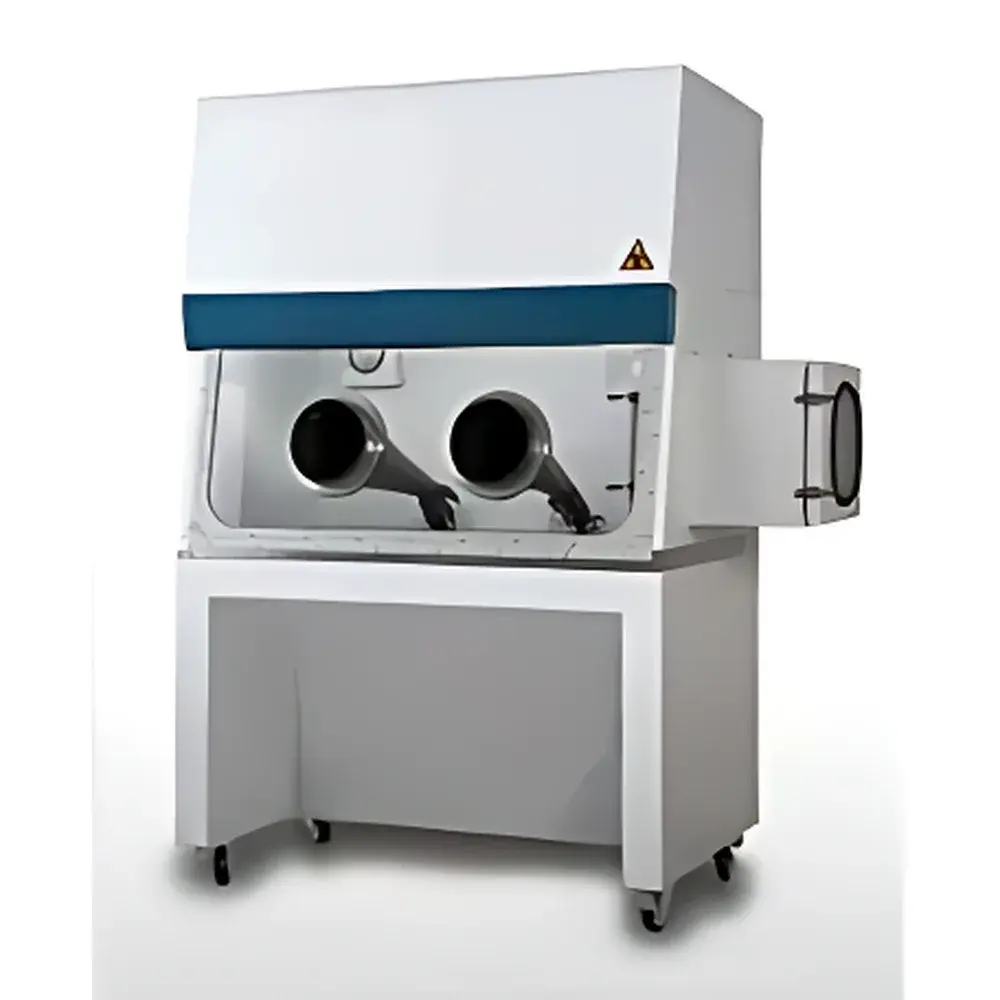
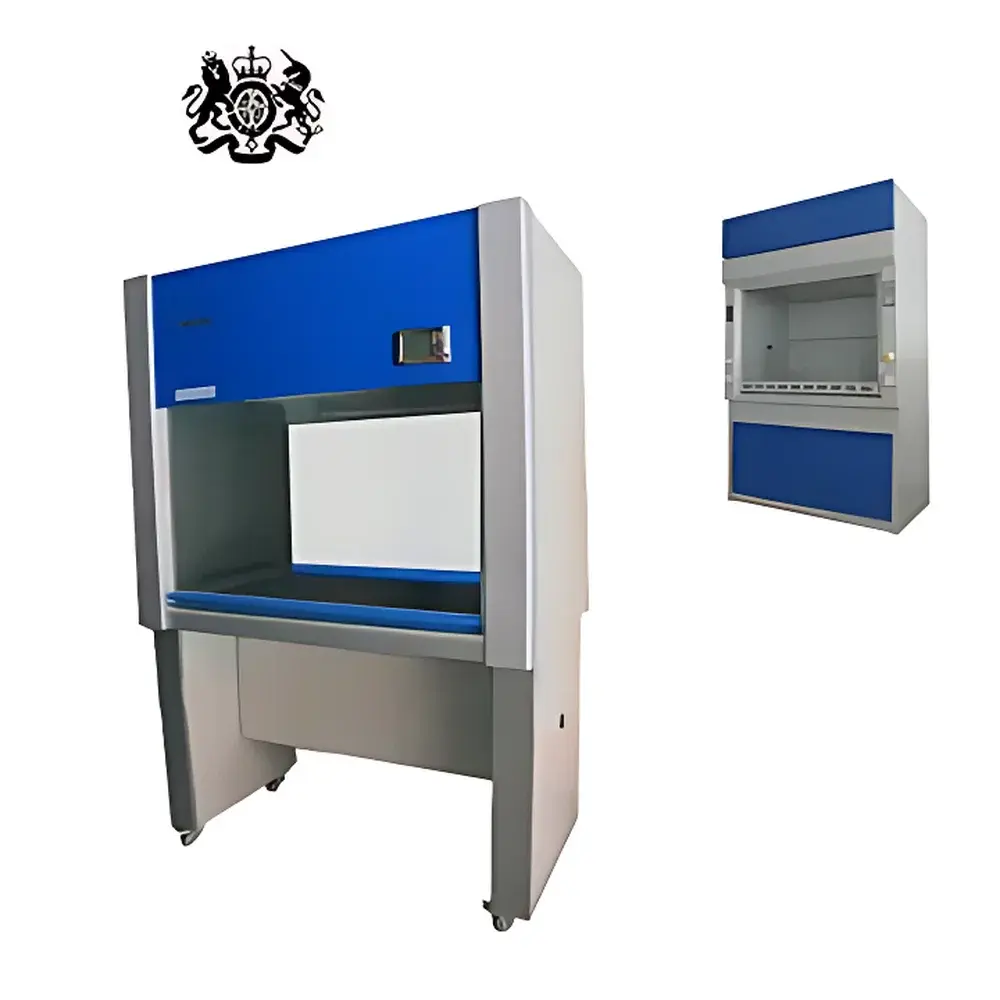
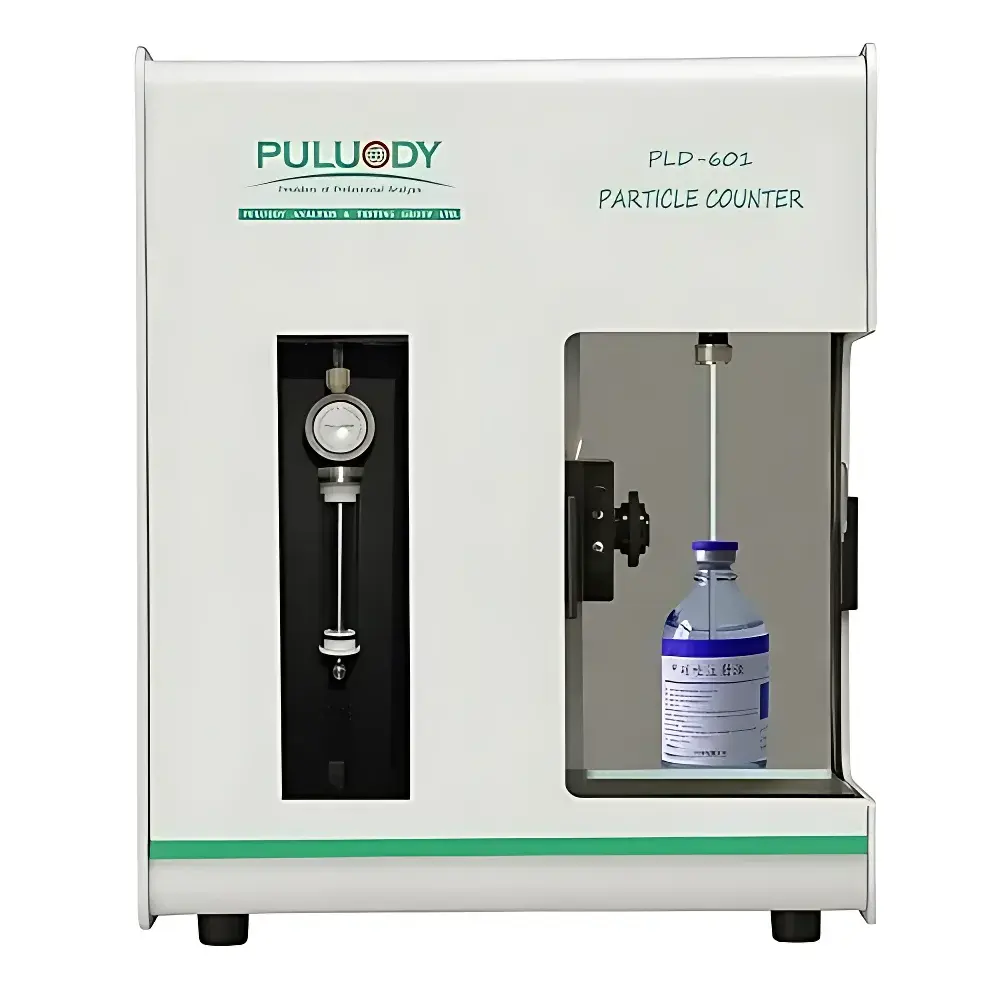
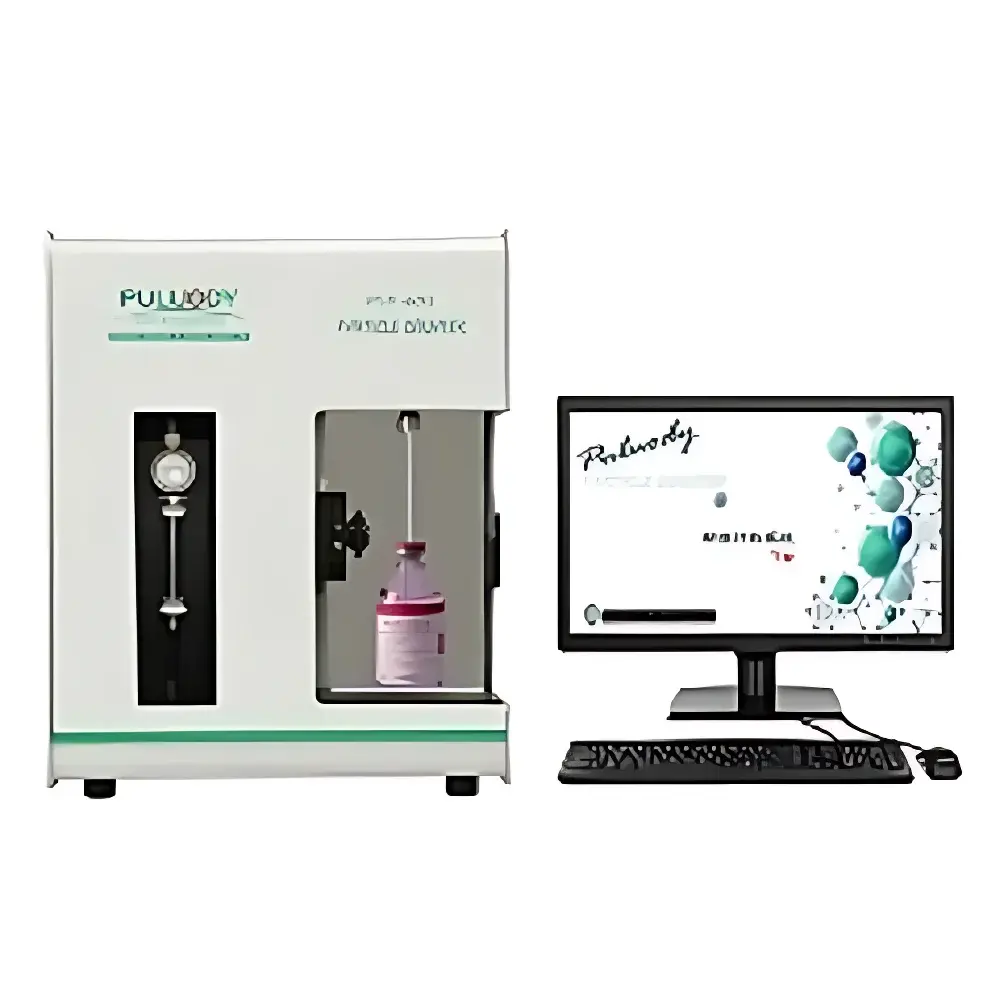
PULUODY PSD-PF10A-0.5 Class 10 Horizontal/Vertical Laminar Flow Clean Bench for Laboratory Particle-Controlled Environments
| Brand | PULUODY |
|---|---|
| Model | PSD-PF10A-0.5 |
| Origin | Shaanxi, China |
| Instrument Type | Optical Particle Counter Integrated Clean Bench |
| Cleanliness Class | ISO Class 4 (Equivalent to Federal Standard 209E Class 10) |
| Airflow Velocity Range | 0.25–0.6 m/s (Adjustable via Control Panel) |
| Vibration Amplitude | ≤3 µm (Operational) |
| Noise Level | ≤67 dB(A) |
| UV Sterilization Cycle | 15 min for Surface Bioburden Reduction |
| Operating Temperature | 10–30 °C |
| Relative Humidity | ≤75% RH |
| Power Supply | AC 220 V ±10%, 50 Hz ±1 Hz |
Overview
The PULUODY PSD-PF10A-0.5 is a dual-mode laminar flow clean bench engineered for laboratories requiring stringent particulate control in sample handling, particle counting preparation, and low-bioburden instrumentation calibration. Unlike conventional biosafety cabinets or general-purpose hoods, this unit integrates ISO Class 4 (10-class) cleanroom-grade air filtration with optical particle counter compatibility—enabling direct placement of sensitive particle analyzers (e.g., light-scattering or laser diffraction-based counters) within the sterile work envelope. Its core architecture employs a two-stage filtration system: a pre-filter (polyester non-woven) removes coarse particulates ≥5 µm, followed by a certified HEPA filter (≥99.995% efficiency at 0.3 µm) to deliver unidirectional, low-turbulence airflow across the work surface. The bench supports both horizontal and vertical laminar flow configurations, allowing alignment with downstream analytical workflows—including ISO 21501-4 compliant particle sizing validation, USP particulate matter testing for injectables, and ASTM F50-22 environmental monitoring protocols.
Key Features
- ISO Class 4 (10-class) clean environment verified per ISO 14644-1:2015; validated using calibrated condensation particle counters and aerosol challenge testing
- Dual airflow modes: selectable horizontal or vertical laminar flow—configurable for integration with optical particle counters, microbalance stations, or precision weighing modules
- Stainless steel 304 work surface and fully welded powder-coated steel enclosure ensure chemical resistance, structural rigidity, and long-term dimensional stability under repeated sterilization cycles
- Digitally adjustable fan speed control enables precise airflow velocity tuning (0.25–0.6 m/s), maintaining laminarity while accommodating variable thermal loads or sensor placement requirements
- Integrated UV-C germicidal lamp (254 nm) with 15-minute timed cycle for surface decontamination—compliant with ISO 14644-7 Annex B for periodic bioburden reduction
- Vibration-damped base and rigid mounting design limit operational displacement to ≤3 µm peak-to-peak, critical for high-resolution particle imaging and interferometric measurement setups
Sample Compatibility & Compliance
The PSD-PF10A-0.5 is designed for use with optical particle counters (OPCs), liquid particle analyzers, and dry powder dispersion systems where ambient airborne contamination must be suppressed below 10 particles/ft³ (≥0.5 µm). It meets foundational requirements for ISO/IEC 17025-accredited laboratories performing particle counting per ISO 21501-4, USP , and EP 2.9.19. While not a biosafety cabinet, its filtration performance satisfies ISO 14644-1 Class 4 criteria for non-hazardous particulate-sensitive operations. The unit does not provide personnel or environmental protection against biohazards; it is intended exclusively for product protection in controlled environments. All materials—including gaskets, filters, and internal finishes—are non-shedding and compatible with IPA, ethanol, and hydrogen peroxide vapor (HPV) decontamination protocols used in GMP-compliant facilities.
Software & Data Management
As a hardware platform rather than a standalone analytical instrument, the PSD-PF10A-0.5 does not include embedded firmware or proprietary software. However, its mechanical and electrical interfaces are engineered for seamless integration into regulated laboratory environments: power input complies with IEC 61000-4 immunity standards; fan voltage control accepts analog 0–10 V signals for centralized HVAC coordination; and the UV lamp circuit includes interlock-ready terminals for integration with lab-wide safety systems. For GLP/GMP applications, users may log maintenance events—including HEPA replacement dates, UV lamp intensity verification (via radiometer), and airflow uniformity checks—within existing electronic lab notebook (ELN) or LIMS platforms. Calibration records for upstream particle counters used inside the bench must be traceable to NIST-traceable reference standards, as required under FDA 21 CFR Part 11 for audit readiness.
Applications
- Preparation and handling of reference standards for optical particle counter calibration (e.g., NIST SRM 2800 series)
- Assembly and alignment of laser diffraction particle size analyzers prior to ISO 13320 validation
- Filter integrity testing and membrane filtration setup for pharmaceutical particulate matter analysis
- Low-particulate weighing of nanomaterials, catalyst powders, or battery electrode slurries prior to BET or SEM analysis
- Environmental monitoring station setup in ISO Class 5–7 cleanrooms, serving as a staging zone for portable particle counters
- QC/QA workflow staging for medical device packaging validation per ISO 11607-1
FAQ
Is this unit certified as a biosafety cabinet?
No. The PSD-PF10A-0.5 is a product-protection clean bench—not a personnel- or environment-protection biosafety cabinet. It lacks negative pressure containment, exhaust ducting, and HEPA-filtered exhaust, and therefore cannot be used for work involving biological agents.
Can it be used with laser-based particle analyzers requiring vibration isolation?
Yes. With measured operational vibration amplitude ≤3 µm, the bench meets baseline stability requirements for most benchtop optical particle counters. For ultra-high-resolution instruments (e.g., holographic particle tracking), supplemental passive damping may be recommended.
What filter replacement schedule is recommended under ISO 14644-3 guidelines?
Pre-filters should be cleaned or replaced every 2–3 months depending on ambient dust load; HEPA filters require replacement when fan voltage reaches maximum output yet average face velocity falls below 0.4 m/s—typically every 18–36 months in controlled lab environments.
Does the unit support 21 CFR Part 11 compliance?
The bench itself has no electronic data generation or user authentication features. However, its physical design and maintenance logging protocol are compatible with Part 11-compliant LIMS/ELN systems when used as part of a validated particle analysis workflow.
How is airflow uniformity verified after HEPA replacement?
Post-replacement verification requires scanning the entire work surface with a calibrated thermal anemometer per ISO 14644-3 Annex B. Acceptance criterion: ≥80% of measurement points must fall within ±20% of the target velocity (0.4–0.6 m/s), with no turbulent eddies detected via smoke visualization.



