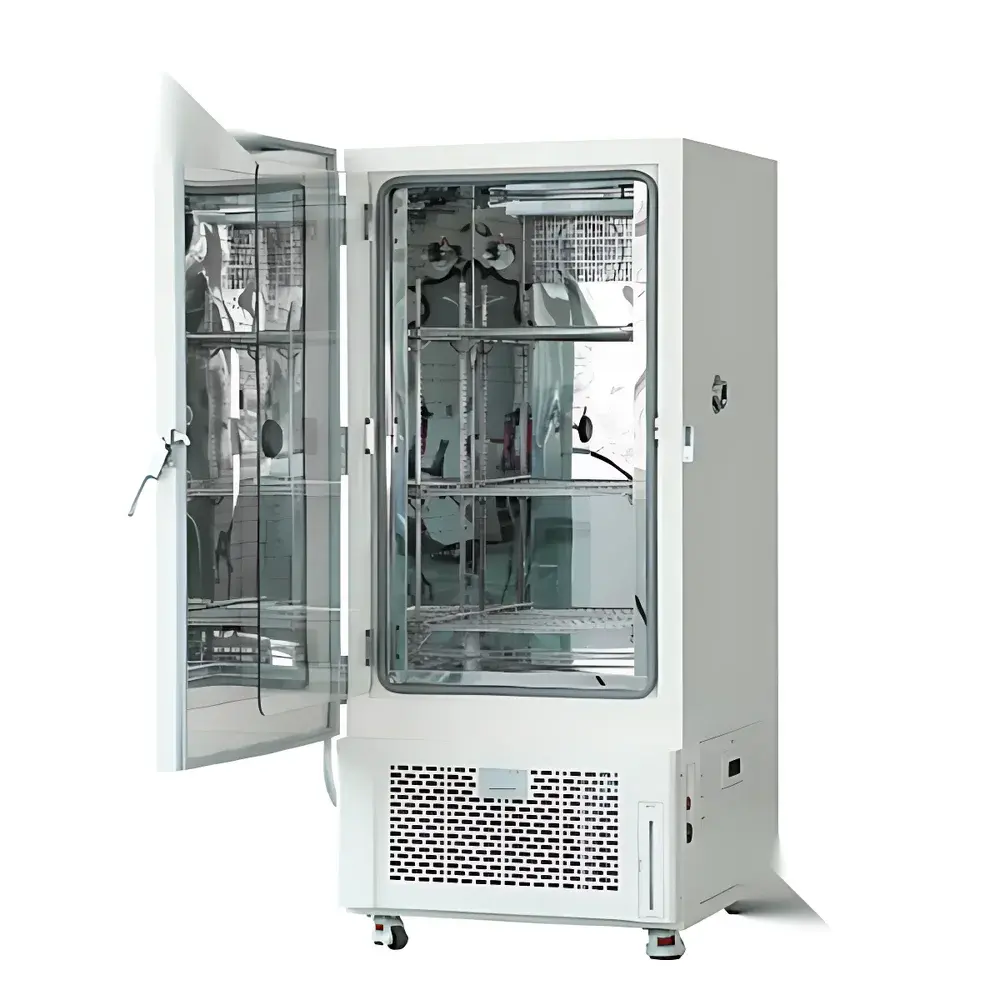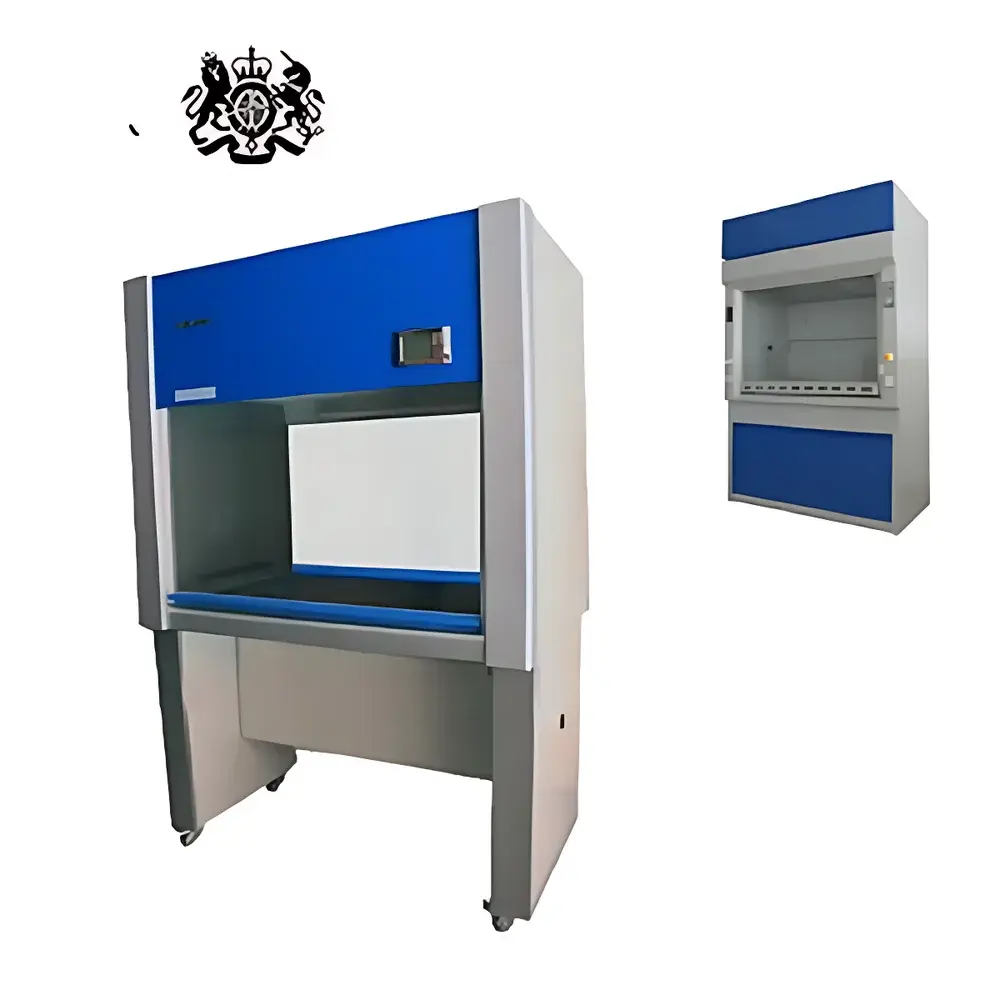
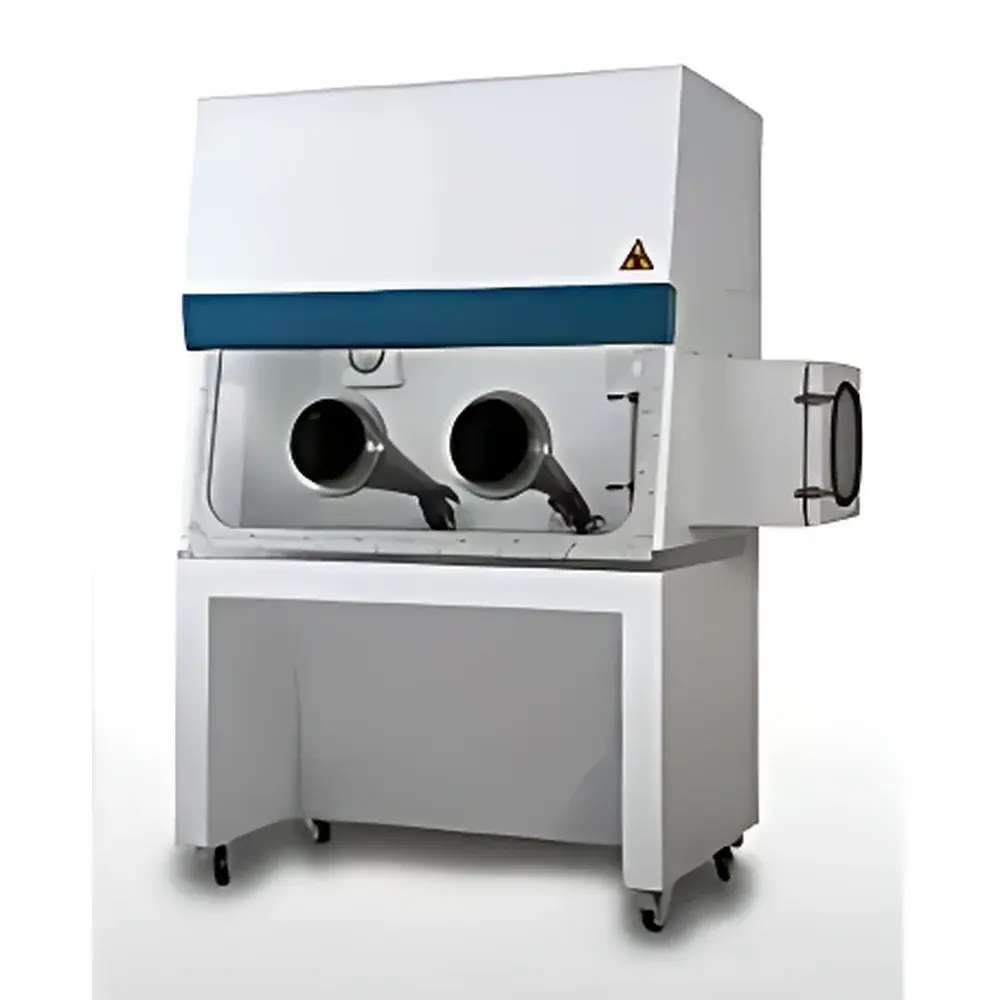
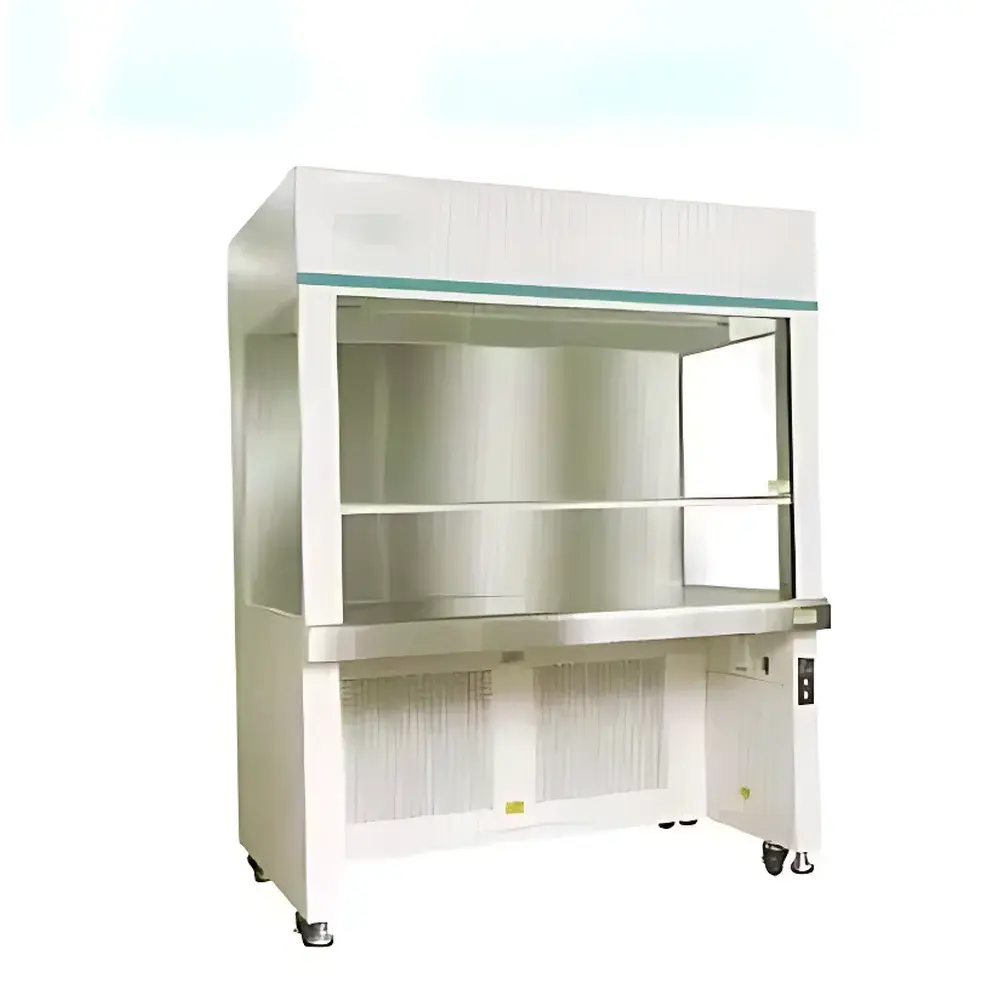
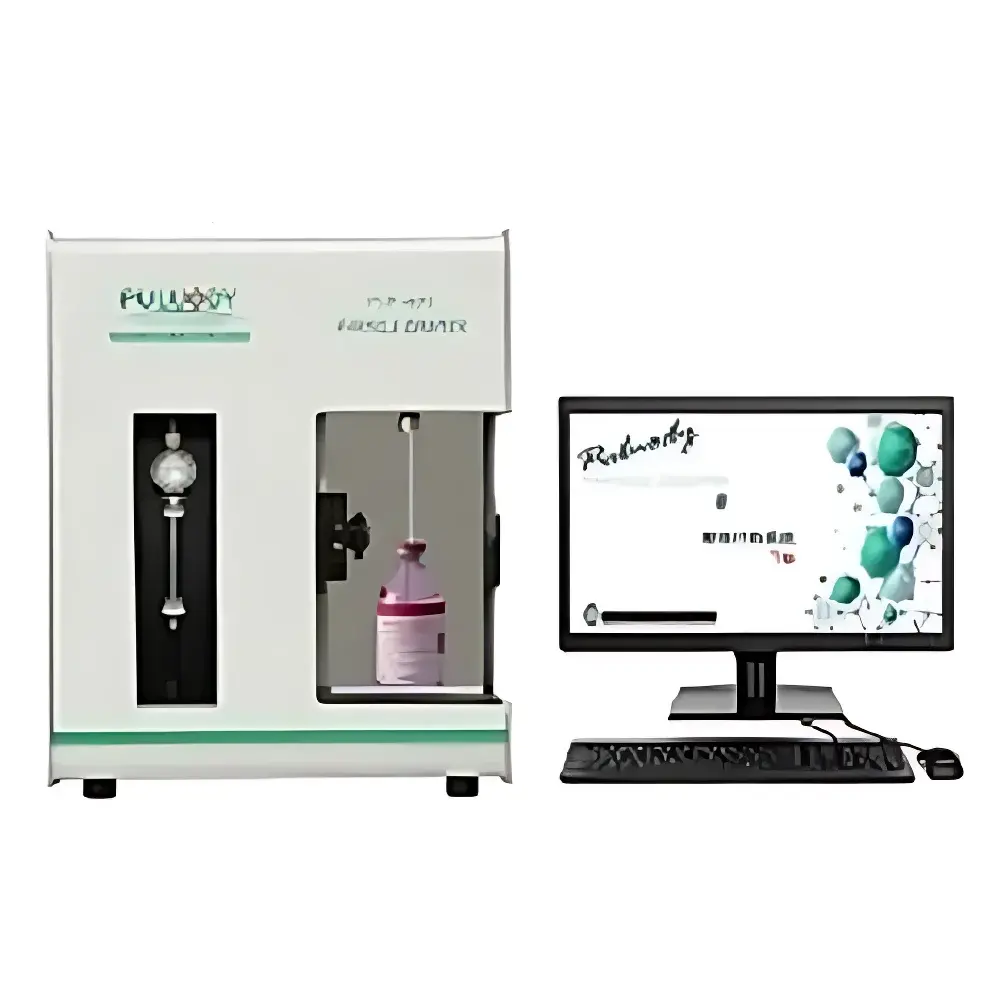
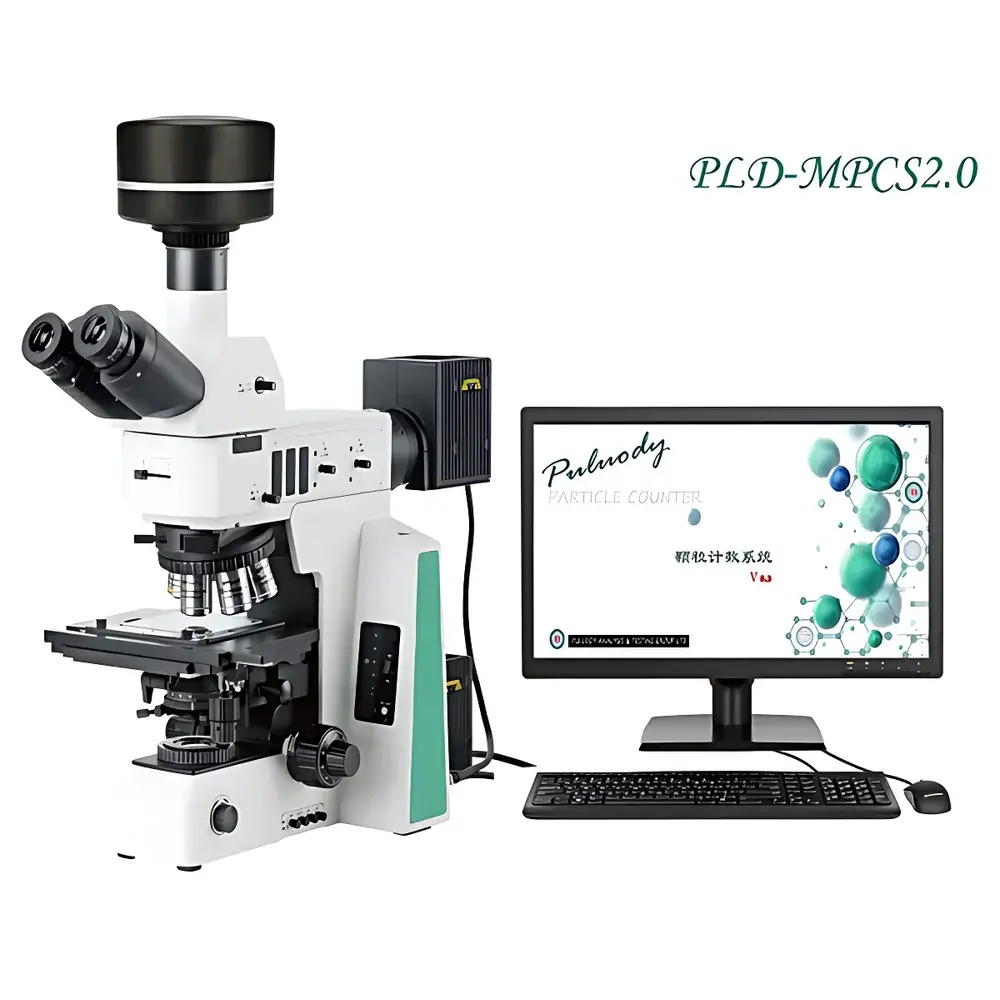
PULUODY PSD-PF10A-0.5 Class 10 Ultra-Clean Laminar Flow Workstation
| Brand | PULUODY |
|---|---|
| Origin | Shaanxi, China |
| Model | PSD-PF10A-0.5 |
| Cleanliness Class | ISO Class 4 (10 particles ≥0.1 µm per cubic foot) |
| Airflow Velocity | 0.25–0.6 m/s (adjustable) |
| Vibration Amplitude | ≤3 µm |
| Operating Noise | ≤67 dB(A) |
| UV Sterilization Time | 15 min for microbiological decontamination |
| Power Supply | AC 220 V ±10%, 50 Hz ±1 Hz |
| Ambient Temp. | 10–30 °C, RH ≤75%, low-vibration, low-dust environment |
| Construction | Fully welded steel frame with epoxy powder coating, 304 stainless steel work surface |
Overview
The PULUODY PSD-PF10A-0.5 is an ISO Class 4 (commonly referred to as “Class 10”) ultra-clean laminar flow workstation engineered specifically for pharmaceutical particulate analysis and aseptic handling of parenteral drug formulations. It operates on the principle of unidirectional, HEPA-filtered laminar airflow—either vertical or horizontal—to maintain a particle-controlled environment where airborne contaminants are continuously swept away from the operator and sample zone. Designed in strict alignment with USP , , and requirements for sub-visible particle testing, this workstation ensures that background particulate interference during insoluble particle detection (e.g., via light obscuration or membrane filtration) remains below quantifiable thresholds. Its dual-stage filtration system—comprising a pre-filter (polyester non-woven) and a certified H14 HEPA filter (≥99.995% efficiency at 0.1 µm)—delivers consistent airflow uniformity and validated particle removal performance across the full working plane.
Key Features
- ISO Class 4 (10-class) cleanroom-equivalent environment: Verified by real-time particle counting per ISO 14644-1 protocols
- Adjustable laminar airflow velocity (0.25–0.6 m/s) with digital control interface for process-specific optimization
- Low-vibration mechanical design (≤3 µm peak-to-peak amplitude) minimizing disturbance to sensitive optical detection systems used in particle analyzers
- Integrated UV-C germicidal lamp (254 nm) with 15-minute sterilization cycle compliant with ISO 14644-5 Annex C for microbial decontamination
- Structural integrity: All-steel enclosure with electrostatic epoxy powder coating; 304 stainless steel work surface resistant to corrosion, solvents, and repeated disinfection
- Acoustic engineering: Sound pressure level maintained at ≤67 dB(A) under full-load operation—critical for integration into QC laboratories adjacent to analytical instrumentation suites
Sample Compatibility & Compliance
The PSD-PF10A-0.5 supports all standard insoluble particle detection workflows—including light obscuration (LO), membrane microscopy (per USP ), and flow imaging (MFI). Its Class 10 environment eliminates ambient particulate interference when preparing samples for injectables, ophthalmics, or biologics. The workstation meets foundational requirements of GMP Annex 1 (2022), EU GMP Part I, and FDA guidance for aseptic processing environments. While not a cleanroom substitute, it fulfills the “controlled environment” definition under ICH Q5A(R2) for cell culture-derived product handling and serves as a validated staging platform prior to ISO Class 5 isolator use. All materials contacting the work surface comply with USP for extractables profiling.
Software & Data Management
This is a hardware-only laminar flow system with no embedded firmware or network connectivity. However, its operational parameters—including UV exposure duration, airflow setpoint, and maintenance logs—are designed to be documented within laboratory quality management systems (QMS) such as LabVantage, TrackWise, or paper-based GLP/GMP batch records. Calibration and qualification data (e.g., airflow uniformity mapping, particle count verification, HEPA leak testing) must be retained per 21 CFR Part 11-compliant audit trails when used in regulated pharmaceutical testing. Routine validation follows ISO 14644-3 and EU GMP Annex 14 methodologies, including smoke visualization, anemometry, and discrete particle counter sweeps.
Applications
- Preparation and filtration of injectable solutions prior to sub-visible particle analysis per USP
- Aseptic assembly of particle counting cuvettes, syringes, and filtration apparatus
- Handling of reference standards and calibration suspensions (e.g., NIST-traceable latex spheres)
- Staging area for automated particle analyzers (e.g., HIAC, AccuSizer, FlowCAM) to prevent ambient contamination ingress
- QC release testing of sterile ophthalmic solutions, vaccines, and monoclonal antibody formulations
- Supporting method validation studies requiring documented environmental particle baselines
FAQ
What ISO class does the PSD-PF10A-0.5 achieve—and how is it verified?
It delivers a sustained ISO Class 4 environment (≤10 particles ≥0.1 µm/ft³), verified using calibrated condensation particle counters (CPCs) and light-scattering aerosol spectrometers per ISO 14644-1:2015 Annex B.
Can this unit be integrated into a 21 CFR Part 11-compliant workflow?
Yes—provided airflow velocity, UV exposure logs, and filter replacement records are captured in a validated electronic QMS with audit trail, electronic signatures, and role-based access controls.
How often must the HEPA filter be replaced?
Replacement is triggered empirically: when fan voltage reaches maximum output yet average face velocity falls below 0.4 m/s—or after 18–24 months of continuous operation in typical pharmaceutical lab conditions (ISO Class 7 ambient).
Is the stainless steel work surface compatible with alcohol, hydrogen peroxide vapor, and sporicidal agents?
Yes—304 stainless steel resists degradation from 70% IPA, 3–6% hydrogen peroxide, and peracetic acid solutions used in periodic deep cleaning cycles.
Does the unit include certification documentation for GMP use?
Factory-issued IQ/OQ documentation is available upon request; however, site-specific PQ (performance qualification) must be executed by the end user’s qualified personnel per ASTM E2500 and EU GMP Annex 15 guidelines.