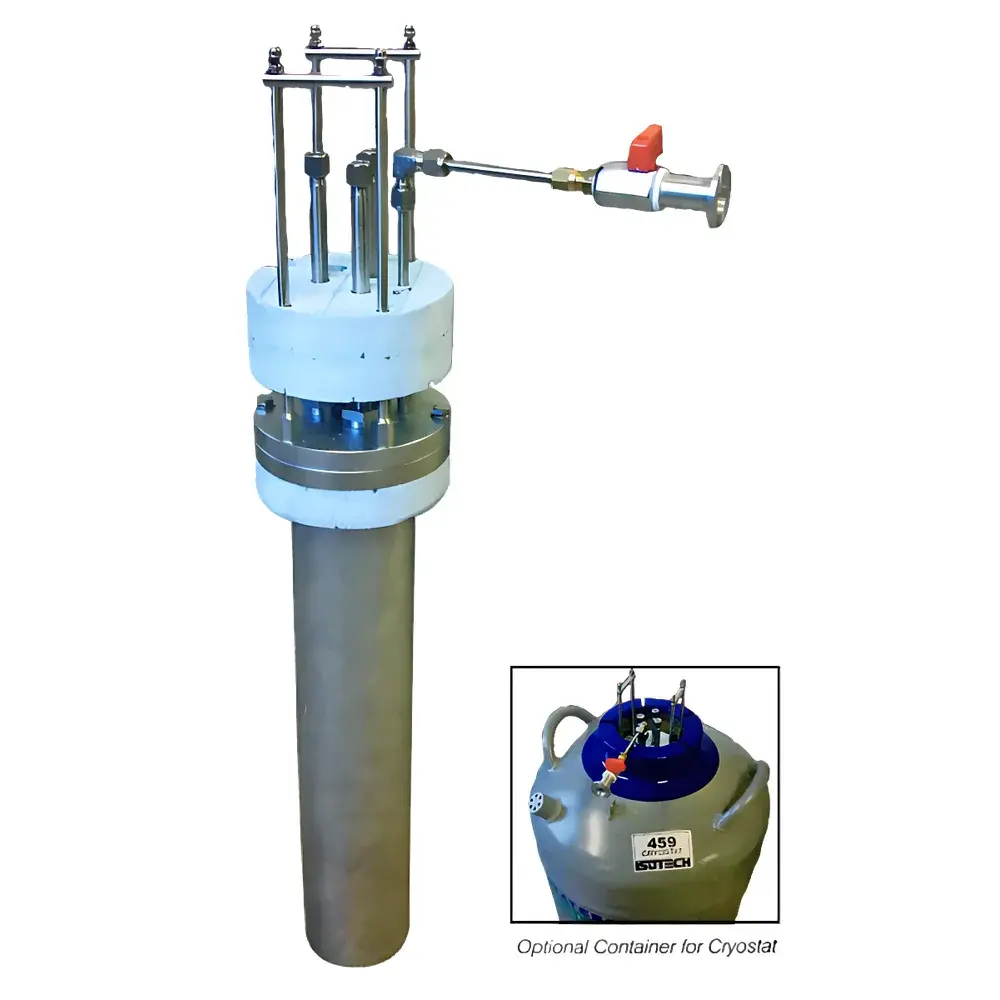
ISOTECH Model 459 Cryogenic Temperature Bath
| Brand | ISOTECH |
|---|---|
| Origin | United Kingdom |
| Model | 459 |
| Temperature Range | −180 °C to −80 °C |
| Stability (30 min) | ±0.005 °C at −80 °C |
| Uniformity (between wells) | ±0.005 °C |
| Uniformity (axial, 50 mm from bottom) | ±0.005 °C at −80 °C |
| Immersion Depth | 560 mm |
| Well Diameter | 80 mm |
| Well Length | 480 mm |
| Number of Probe Wells | 4 |
| Neck Diameter | 120 mm |
| Vacuum Port Interface | RS-422 |
| Cooling Medium | Liquid Nitrogen |
Overview
The ISOTECH Model 459 Cryogenic Temperature Bath is a precision-engineered, liquid nitrogen–cooled temperature calibration bath designed for high-accuracy thermometric comparisons and metrological traceability in the cryogenic range. Unlike compressor-based systems, the Model 459 employs passive cryogenic cooling supplemented by active resistive heating and high-resolution PID control to achieve stable, uniform thermal environments from −180 °C to −80 °C. Its core thermal mass consists of a machined, oxygen-free high-conductivity (OFHC) copper block—optimized for minimal thermal gradients and maximal heat capacity—ensuring exceptional short-term stability and spatial uniformity. The absence of mechanical refrigeration eliminates risks associated with high-pressure refrigerants, oil contamination, and vibration-induced measurement uncertainty—critical considerations for primary and secondary laboratory calibration workflows under ISO/IEC 17025 and EURAMET cg-18 guidelines.
Key Features
- Compressor-free operation using liquid nitrogen as the sole cryogen, reducing maintenance overhead, operational noise, and safety hazards related to refrigerant handling and high-pressure systems.
- Machined OFHC copper isothermal block (Ø80 mm × 480 mm) with four vertically aligned probe wells, enabling simultaneous comparison of up to four reference or working thermometers under identical thermal conditions.
- Thermal stability of ±0.0015 °C (30-minute dwell at −150 °C) and ±0.005 °C (at −80 °C), verified per ASTM E220 and ISO 5725–2 repeatability protocols.
- Radial uniformity across wells ≤ ±0.005 °C; axial uniformity ≤ ±0.005 °C within 50 mm above the block base at −80 °C, and ≤ ±0.01 °C at −150 °C—validated using calibrated platinum resistance thermometers (PRTs) traceable to NPL or NIST.
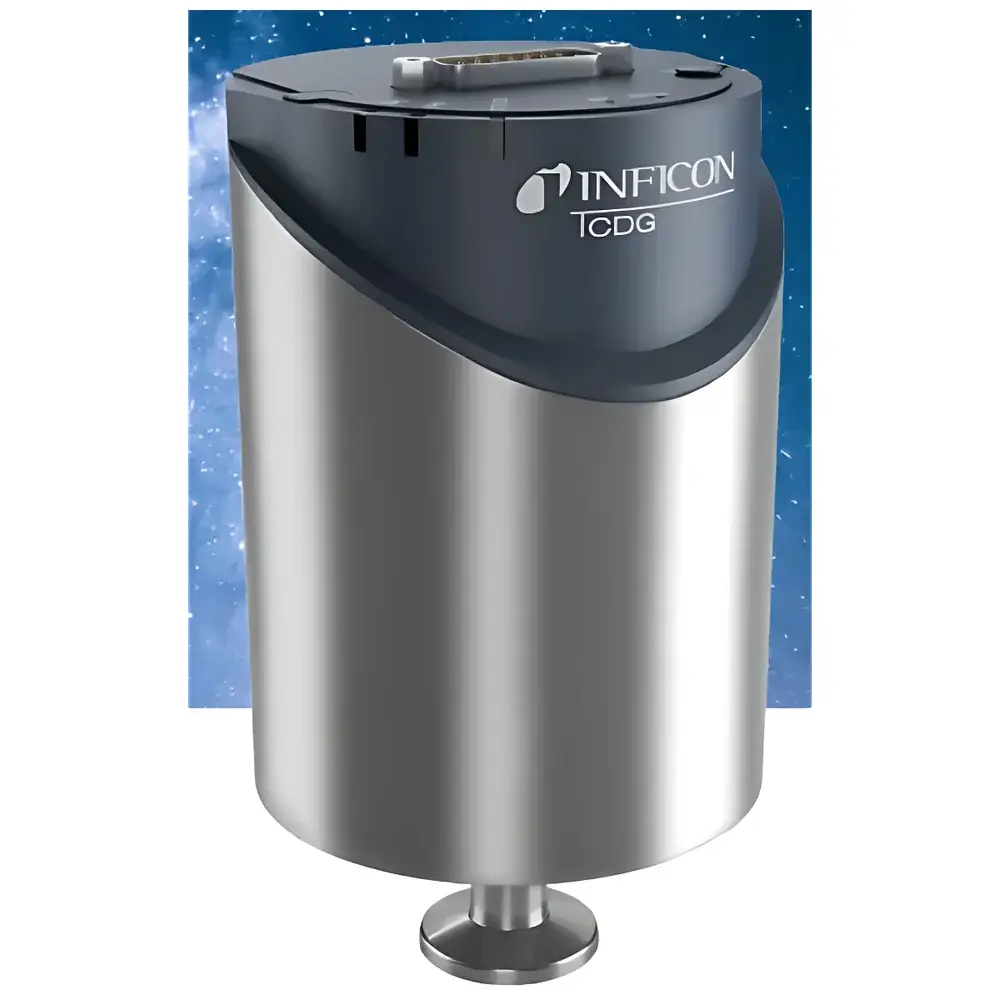
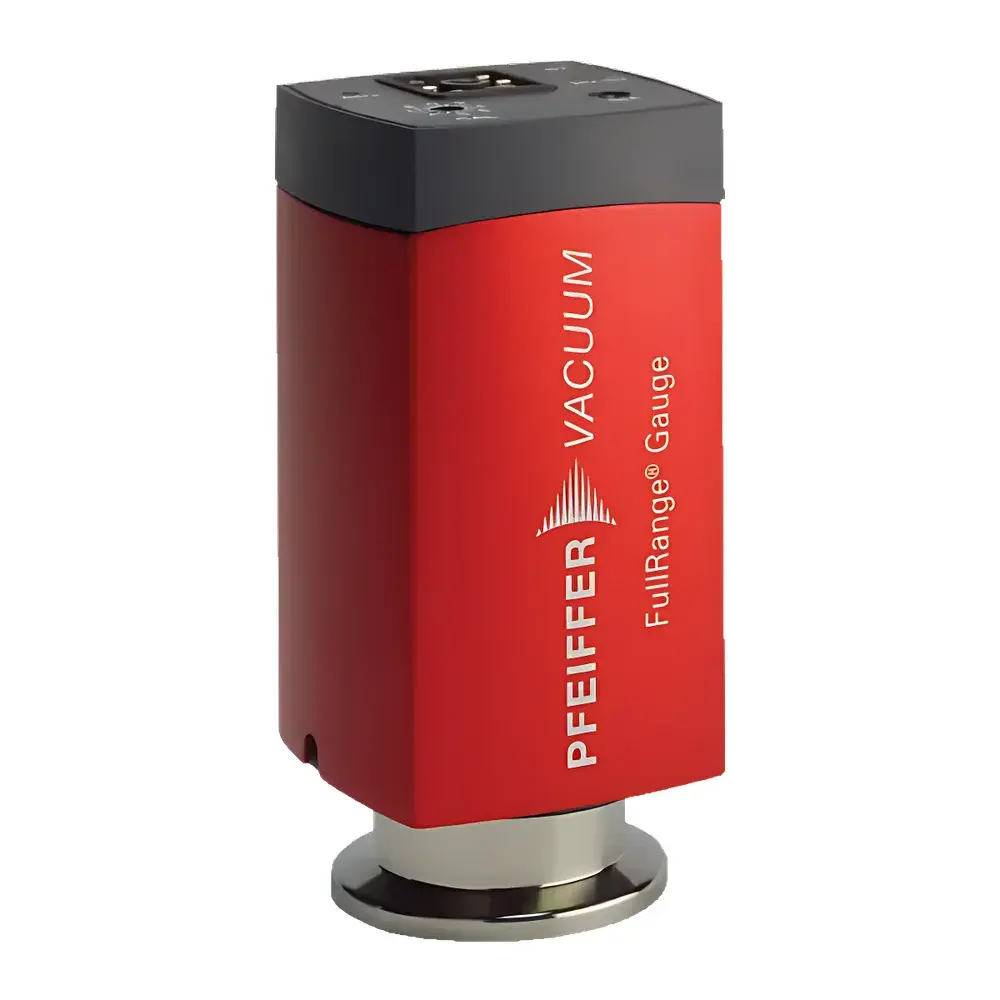
- Integrated vacuum port with RS-422 serial interface for real-time pressure monitoring and automated vacuum management during extended low-temperature holds.
- Neck diameter of 120 mm supports standard immersion depths of 560 mm, accommodating both industrial and metrology-grade probes including SPRTs, PRTs, and thermocouples (Types T, E, and S).
Sample Compatibility & Compliance
The Model 459 accommodates a wide range of temperature-sensitive devices, including standard platinum resistance thermometers (SPRTs), industrial PRTs (Class A/AA per IEC 60751), thermistors, and noble-metal thermocouples. Its open-bath geometry and deep immersion capability ensure full sensor immersion without convective distortion—essential for compliance with ITS-90 realization procedures. The system meets functional requirements for laboratories operating under ISO/IEC 17025:2017 Clause 6.4 (environmental conditions) and supports audit readiness for GLP and GMP environments where documented thermal stability, traceability, and uncertainty budgets are mandatory. All thermal performance specifications are validated using reference standards calibrated against national metrology institutes (NMIs), and documentation includes full uncertainty statements per GUM (JCGM 100:2008).
Software & Data Management
The Model 459 integrates seamlessly with ISOTECH’s proprietary calibration software suite via RS-422, enabling automated temperature ramping, dwell scheduling, data logging at user-defined intervals (down to 1 Hz), and direct export to CSV or XML formats compatible with MET/CAL, DATACAL, and custom LIMS platforms. Software features include real-time deviation plotting, multi-channel synchronization, and built-in compliance reporting templates aligned with ISO 17025 clause 7.7 (results reporting). Audit trail functionality records all operator actions, parameter changes, and environmental metadata—including vacuum status and LN₂ level estimates—satisfying FDA 21 CFR Part 11 electronic record requirements when deployed with appropriate access controls and electronic signatures.
Applications
- Primary and secondary thermometer calibration in national and accredited calibration laboratories.
- ITS-90 fixed-point interpolation and deviation function validation for SPRTs and transfer standards.
- Performance verification of cryogenic sensors used in aerospace, quantum computing infrastructure, and superconducting magnet testing.
- Uncertainty budget development for low-temperature measurements per EURAMET cg-18 and BIPM CCT-K9 guidelines.
- Stability testing of cryo-electronics, infrared detector arrays, and low-noise amplifiers requiring controlled thermal soak conditions.
FAQ
What cryogenic fluid does the Model 459 require?
Liquid nitrogen (LN₂) is the sole required coolant; no additional refrigerants, oils, or compressors are needed.
Can the Model 459 be operated continuously at −180 °C?
Yes—it is engineered for sustained operation across its full range, with LN₂ consumption rates optimized for extended dwell times; typical hold duration exceeds 8 hours at −150 °C with standard 25-L dewar supply.
Is the copper block traceably calibrated?
The block itself is not calibrated as a sensor, but its thermal performance is fully characterized and certified against NMI-traceable reference thermometers; calibration certificates include full uncertainty budgets per ISO/IEC 17025.
Does the system support remote monitoring and control?
Yes—via RS-422 serial link and optional Ethernet gateway, enabling integration into centralized lab automation systems and secure remote supervision through TLS-encrypted connections.
What safety certifications does the Model 459 carry?
It complies with CE marking requirements under the EU Machinery Directive 2006/42/EC and Low Voltage Directive 2014/35/EU; full risk assessment documentation and explosion-proof design elements (e.g., non-sparking components, vented neck geometry) are included in the technical file.