NPL High-Temperature Thermocouple Calibration System
| Brand | NPL (National Physical Laboratory) |
|---|---|
| Origin | United Kingdom |
| Instrument Category | Temperature Verification and Calibration System |
| Calibration Fixed Points | Fe–C (1153 °C), Co–C (1324 °C), Pd–C (1492 °C), Pt–C (1738 °C), Ru–C (1953 °C), Lr–C (2290 °C), Ag (961.8 °C), Cu (1084.6 °C) |
| Expanded Uncertainty (k = 2) | ±0.17 °C to ±1.6 °C depending on fixed point |
| Accreditation | UKAS ISO/IEC 17025 |
| Compliance | JJF (Military) 130–2017, ITS-90 extension protocols |
Overview
The NPL High-Temperature Thermocouple Calibration System is a metrologically traceable primary calibration platform engineered for the realization and dissemination of thermodynamic temperature above the upper limit of the International Temperature Scale of 1990 (ITS-90). Developed and operated by the National Physical Laboratory—the UK’s national metrology institute—this system implements metal–carbon eutectic fixed-point cells to establish highly stable, reproducible reference temperatures in the range from 961.8 °C (silver) to 2290 °C (lutetium carbide). Unlike conventional furnace-based calibration methods, the NPL system leverages the sharp, invariant melting and freezing plateaus characteristic of eutectic transitions, enabling direct thermodynamic temperature assignment with minimized uncertainty contributions from spatial gradients, emissivity, or sensor self-heating.
Key Features
- Primary calibration capability across eight certified metal–carbon and pure-metal fixed points: Ag (961.8 °C), Cu (1084.6 °C), Fe–C (1153 °C), Co–C (1324 °C), Pd–C (1492 °C), Pt–C (1738 °C), Ru–C (1953 °C), and Lr–C (2290 °C)
- UKAS-accredited calibration services under ISO/IEC 17025, with full uncertainty budgets reported at coverage factor k = 2
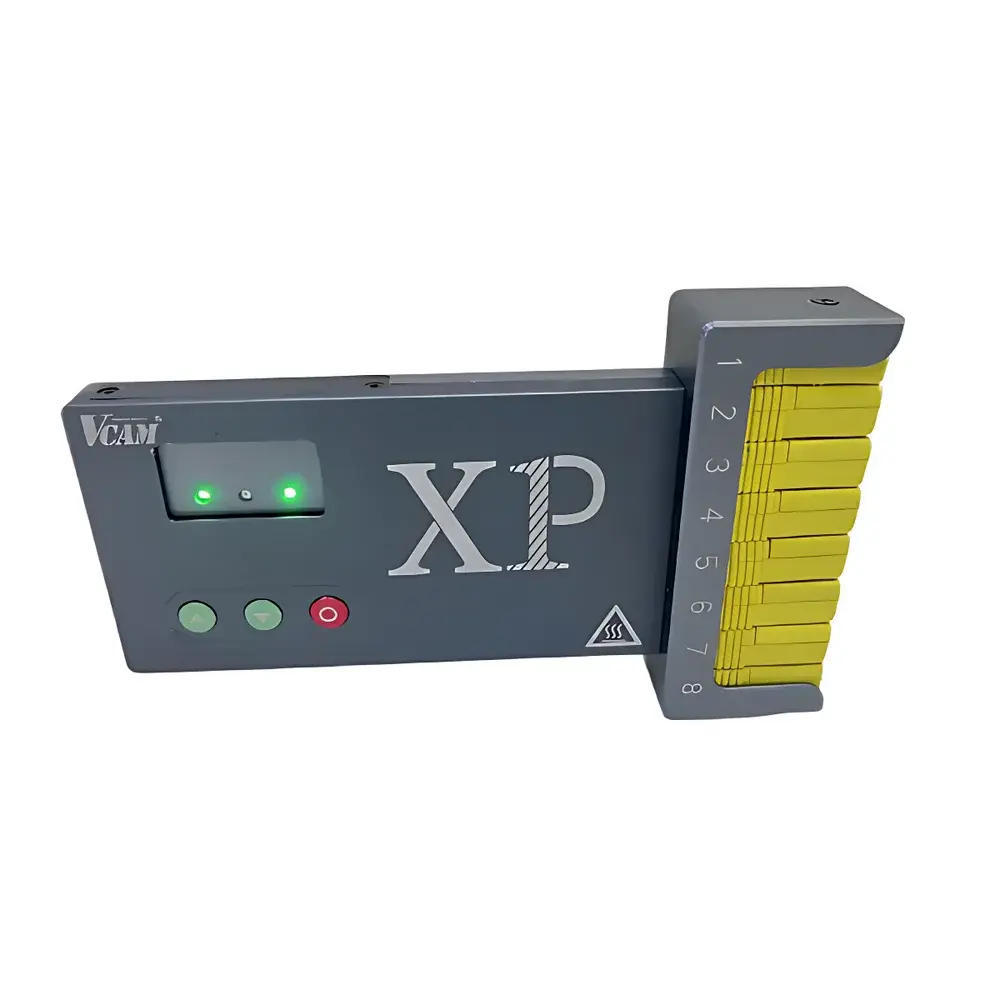
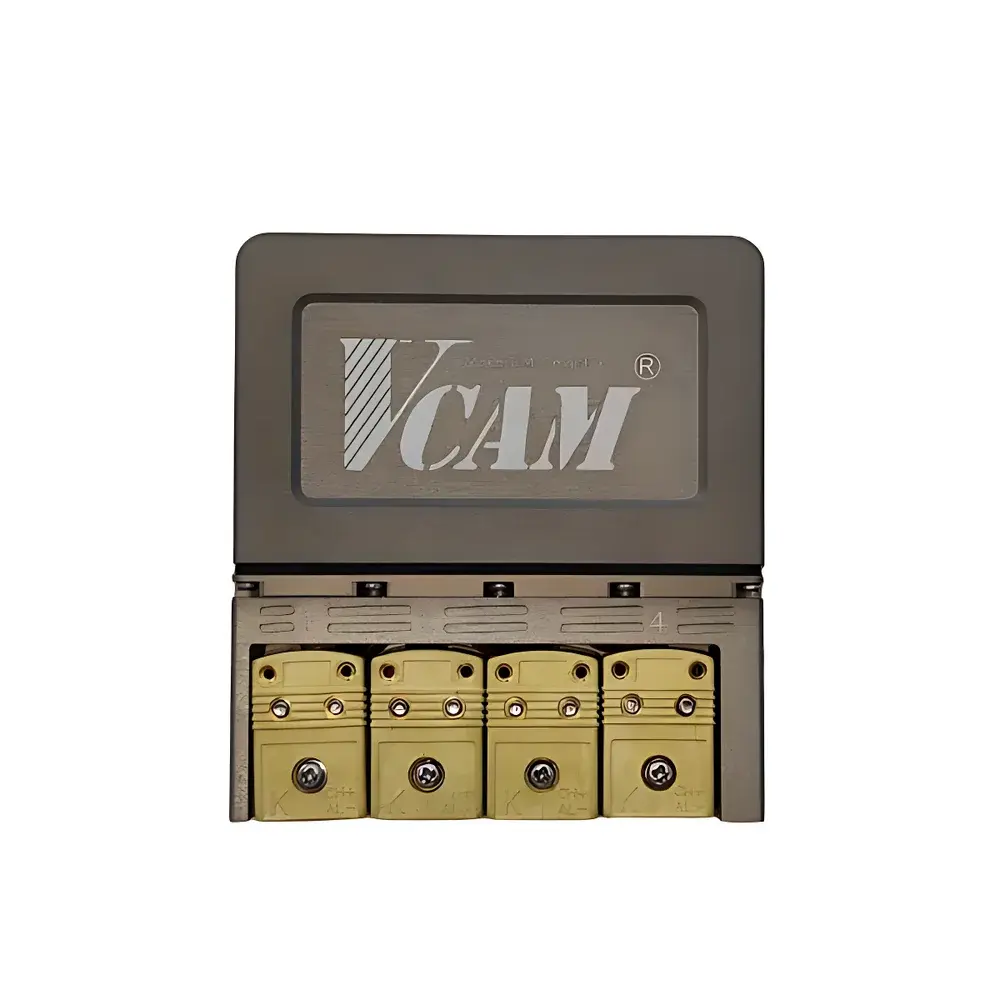
- Dual-mode operation: laboratory-grade fixed-point cells for national metrology applications and compact Mini-type cells designed for in-situ thermocouple self-calibration in industrial environments
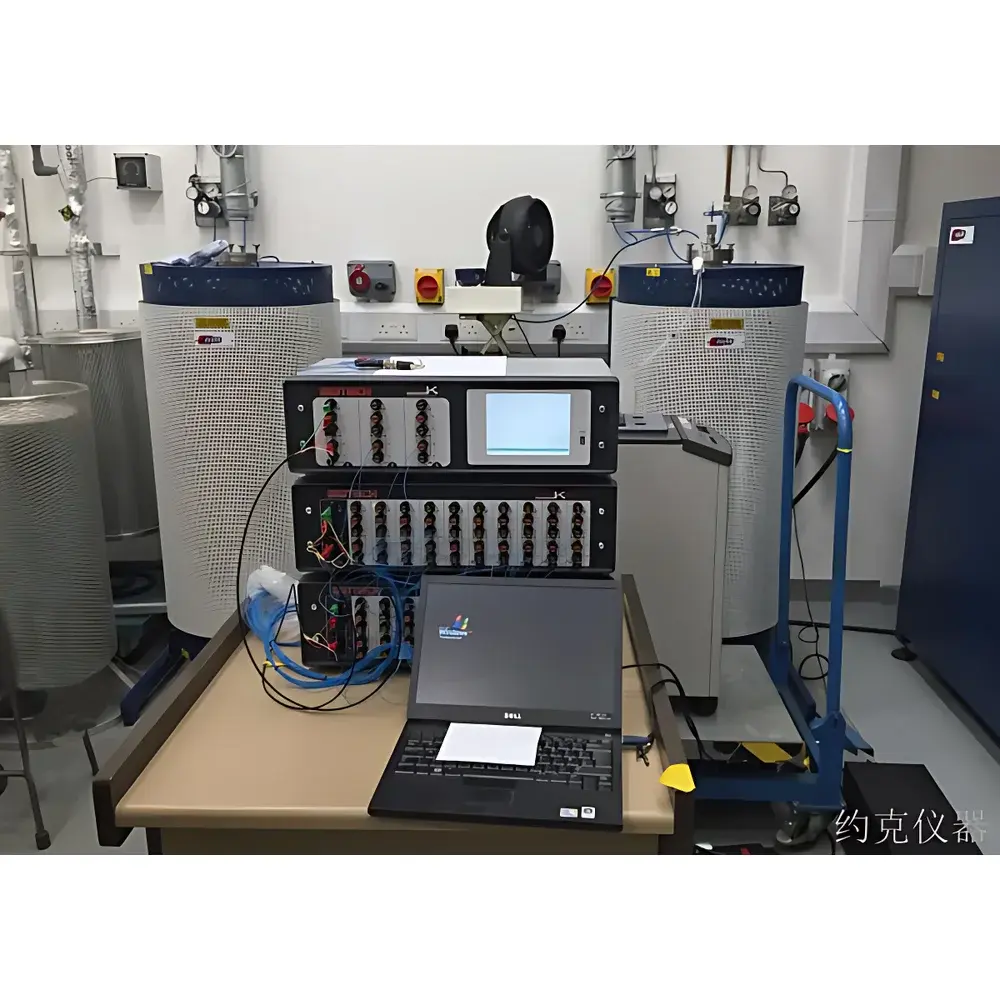
- Thermal stability control achieving < ±10 mK/h drift during plateau observation, validated via high-resolution multi-channel resistance thermometry and synchronized optical pyrometry
- Compliance with JJF (Military) 130–2017 for Fe–C, Co–C, and Pd–C eutectic calibration procedures, including prescribed thermal soak durations, plateau detection thresholds, and data reduction algorithms
Sample Compatibility & Compliance
The system accommodates Type B, R, S, C, and W-Re thermocouples—including unsupported bare-wire configurations—within inert atmosphere or vacuum environments to prevent oxidation at elevated temperatures. Each fixed-point cell is housed in a double-wall graphite crucible with controlled argon purge, minimizing contamination and ensuring long-term repeatability. All calibration reports include full traceability to NPL’s primary radiation thermometry standards and alignment with CIPM Mutual Recognition Arrangement (CIPM MRA) signatory requirements. The platform supports audit-ready documentation for GLP and GMP-regulated industries, including FDA 21 CFR Part 11–compliant electronic records when integrated with NPL’s secure calibration management software.
Software & Data Management
NPL’s proprietary calibration suite provides real-time plateau detection using derivative-based onset analysis, automatic plateau duration validation per ITS-90 Annex C guidelines, and automated uncertainty propagation incorporating cell-specific impurity corrections, immersion depth effects, and thermometer resolution limits. Raw voltage and resistance data are archived in HDF5 format with embedded metadata (timestamp, operator ID, atmospheric pressure, furnace setpoint history). Export options include NIST-traceable .cal files compliant with ASTM E230/E230M, as well as CSV outputs compatible with commercial calibration management systems (e.g., MET/TEAM, LabWare LIMS). Audit trails record all user actions, parameter modifications, and report generation events with cryptographic timestamping.
Applications
- Primary calibration of noble-metal and refractory-metal thermocouples used in aerospace turbine testing, nuclear fuel cladding qualification, and advanced materials processing
- Validation of high-temperature blackbody sources and radiation thermometers operating above 1200 °C
- Interlaboratory comparison studies among NMIs and accredited calibration laboratories under BIPM key comparison frameworks (e.g., CCT-K10)
- Development and verification of next-generation thermocouple alloys targeting stability beyond 2000 °C
- Support for ISO 5667-3-compliant temperature monitoring in high-value manufacturing processes where thermal uniformity directly impacts microstructural integrity
FAQ
What is the lowest uncertainty achievable for Fe–C fixed-point calibration?
The expanded uncertainty (k = 2) for Fe–C (1153 °C) is ±0.17 °C when using Mini-type cells under optimized immersion conditions and ±0.40 °C for standard laboratory cells.
Does NPL provide on-site calibration services using Mini-type eutectic cells?
Yes—Mini-type cells are designed for portable deployment; NPL offers certified field calibration services with full UKAS reporting, subject to environmental stability assessment prior to execution.
How does the system handle thermocouple inhomogeneity during high-temperature calibration?
The procedure includes multi-point gradient profiling using a calibrated reference thermocouple traversed along the test thermocouple length, with correction applied per IEC 60584-2 Annex B guidelines.
Can calibration data be integrated into an enterprise LIMS?
All digital outputs conform to ASTM E1382 and ISO/IEC 17025 data exchange requirements; API integration support is available upon request for validated LIMS platforms.
Is the Lr–C (2290 °C) fixed point suitable for routine use?
Lr–C is operated under strict protocol—limited to research-grade calibrations requiring ultra-high-temperature reference; typical turnaround requires ≥72 h thermal conditioning and post-cycle metallurgical inspection.